
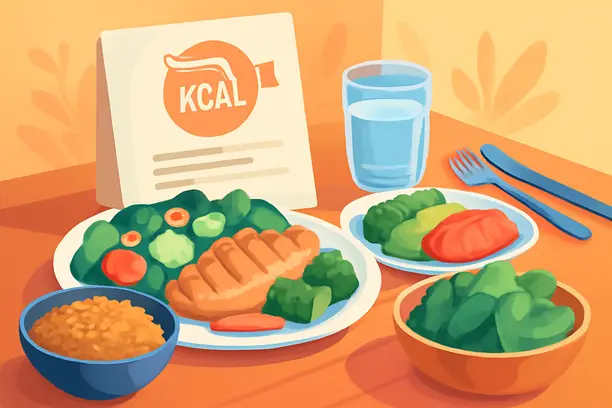
Complete 7‑Day meal plan (full days 1–7)
1600 calorie meal plan options make it simple to enjoy satisfying, balanced meals while staying near your calorie target each day—no bland diets or hunger required. This 7-day framework guides your macros, offers flexible swaps, and helps you personalize every meal for your preferences or dietary needs.
- Day 1:
- Breakfast: Greek yogurt (170g), sliced strawberries (100g), chia seeds (1 tbsp). Macros: 23g protein, 36g carbs, 6g fat, 280 cal.
- Snack: Handful almonds (15g). Macros: 3g protein, 4g carbs, 8g fat, 95 cal.
- Lunch: Grilled chicken breast (90g), brown rice (80g cooked), steamed broccoli (100g), olive oil drizzle. Macros: 27g protein, 39g carbs, 9g fat, 325 cal.
- Snack: Apple (120g). Macros: 0g protein, 18g carbs, 0g fat, 75 cal.
- Dinner: Baked salmon (100g), roasted sweet potato (110g), green beans (100g). Macros: 23g protein, 21g carbs, 9g fat, 270 cal.
Total: 76g protein, 118g carbs, 32g fat, ~1045 cal
- Day 2:
- Breakfast: Scrambled eggs (2 medium) with spinach (40g), whole-grain toast (1 slice). Macros: 14g protein, 15g carbs, 10g fat, 210 cal.
- Snack: Cottage cheese (75g) with pineapple (60g). Macros: 9g protein, 7g carbs, 2g fat, 90 cal.
- Lunch: Tuna salad (canned tuna in water, 75g), mixed greens (80g), cherry tomatoes, balsamic. Macros: 17g protein, 9g carbs, 3g fat, 170 cal.
- Snack: Carrots (60g) & hummus (1.5 tbsp). Macros: 2g protein, 10g carbs, 3g fat, 70 cal.
- Dinner: Stir-fried tofu (90g), brown rice (80g), mixed peppers (100g), soy marinade. Macros: 13g protein, 36g carbs, 8g fat, 230 cal.
Total: 55g protein, 77g carbs, 26g fat, ~770 cal
- Days 3–4: Rotate your proteins and grains to keep things interesting. Swap salmon for cod on Day 3, or replace brown rice with quinoa on Day 4—just match the portions.
- Mix up your produce too: try pears instead of apples, or kale in place of spinach. Same nutrients, different flavors.
- Day 5:
- Breakfast: Overnight oats with almond milk (40g oats), chia seeds, blueberries. Macros: 8g protein, 27g carbs, 6g fat, 180 cal.
- Snack: Protein bar (pre-portioned, ~100 cal).
- Lunch: Turkey wrap (whole-wheat tortilla, 1 small; turkey breast 70g; spinach; mustard). Macros: 15g protein, 28g carbs, 3g fat, 205 cal.
- Snack: Sliced cucumber with tzatziki. Macros: 2g protein, 6g carbs, 3g fat, 50 cal.
- Dinner: Grilled shrimp skewers (100g), red bell pepper (80g), brown rice (70g). Macros: 19g protein, 33g carbs, 2g fat, 205 cal.
Quick prep tip for Days 5–7: Batch-cook your grains and chop veggies ahead to save time during the week.
- Day 6:
- Breakfast: Cottage cheese (80g) with peach slices (80g). Macros: 11g protein, 9g carbs, 2g fat, 90 cal.
- Snack: Handful of walnuts (12g). Macros: 2g protein, 4g carbs, 7g fat, 85 cal.
- Lunch: Lentil soup (1.5 cups), side salad, lemon vinaigrette. Macros: 13g protein, 30g carbs, 3g fat, 190 cal.
- Snack: Sliced orange (120g). Macros: 1g protein, 11g carbs, 0g fat, 45 cal.
- Dinner: Grilled chicken (90g), roasted carrots (100g), quinoa (70g). Macros: 22g protein, 31g carbs, 4g fat, 210 cal.
- Day 7:
- Breakfast: Smoothie with unsweetened soy milk (180ml), banana (60g), spinach (30g), and protein powder (10g).
- Snack: Two small rice cakes with almond butter (1 tsp).
- Lunch: Grilled tofu (90g), wild rice (70g), sliced avocado (¼ fruit).
- Snack: Berries (75g) with sunflower seeds (1 tbsp).
- Dinner: White fish fillet (100g), mashed sweet potato (90g), steamed broccoli (100g).
Sample Macros by Meal (Typical Day)
- Breakfast: 8–24g protein, 25–35g carbs, 5–10g fat
- Snacks (each): 1–5g protein, 5–20g carbs, 2–8g fat
- Lunch: 13–28g protein, 27–45g carbs, 3–9g fat
- Dinner: 18–25g protein, 25–35g carbs, 5–10g fat
Practical One-to-One Swaps
- Vegetarian: Replace chicken or fish with tofu, tempeh, or lentils—just match the cooked weight. Veggie “turkey” slices work great in wraps, and eggs or dairy provide extra protein at breakfast. For more swap ideas, check out our vegan meal plan guide.
- Dairy-Free: Use plant-based yogurt or milk instead. Skip cheese and tzatziki; try hummus or mashed avocado for creaminess.
- Gluten-Free: Swap bread for corn tortillas or lettuce wraps. Stick with gluten-free oats, brown rice, and naturally gluten-free grains. Always double-check labels to avoid hidden gluten.
These swaps keep your calories and macros within a 5% range. Need more variety? Browse meal prep ideas for weight loss or explore this 7-day Indian vegetarian plan for inspiration.
Meal‑prep, grocery list, and culturally relevant substitutions
Staying on track with a 1600 calorie meal plan gets a lot easier when you’ve got your groceries sorted and meals prepped ahead. Start by organizing your shopping list by section—produce, dairy, protein, grains, and pantry staples.
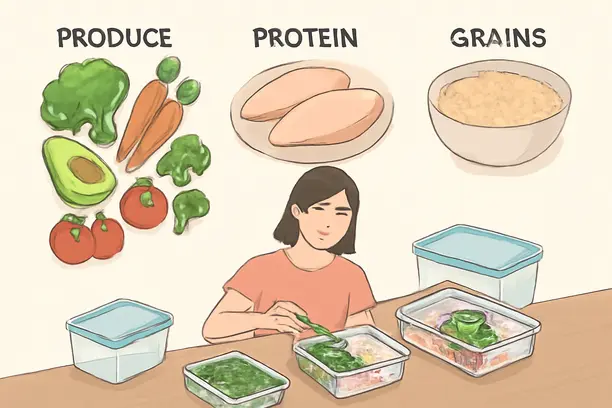
Separate perishables like berries, leafy greens, and chicken from long-lasting items such as canned beans or oats. That way you’ll minimize waste and streamline your shopping trips.
Adjust quantities depending on whether you’re cooking solo or for a family. Buying one salmon fillet for yourself? Great. Feeding four? Grab a family pack and scale your batch cooking accordingly.
A weekend meal-prep routine can save you a ton of time during the week. On Saturday, roast your vegetables, cook quinoa or brown rice, and hard-boil eggs. Store everything in airtight containers, putting high-moisture items like salads toward the front of the fridge so you use them first.
Sunday’s a good day to cook proteins for the first half of the week and wash and chop salad greens. Always let cooked dishes cool completely before refrigerating, and reheat leftovers until they’re steaming hot throughout.
Add a splash of water when microwaving grains and veggies to prevent drying. Meats reheat best when covered in a pan or oven to keep them moist. Use refrigerated components within 3–4 days, or freeze portions if you’re prepping longer-term. For safe handling and reheating guidelines, see the USDA Food Safety Guidelines.
- Plant-based swap: Swap chicken breast for pressed tofu or tempeh—both deliver similar protein. Use unsweetened soy yogurt if you’re avoiding dairy.
- Halal/kosher: Choose certified meats, or replace pork and beef with chickpeas in stews to meet dietary requirements.
- Budget-friendly: Pick canned tuna over fresh fish and trade quinoa for brown rice. Lentils offer great fiber and protein at a lower cost than ground turkey.
Aim to match calories and macros even when you substitute ingredients. For more guidance, explore creative healthy recipes with vegetables or dive into a budget-friendly diet plan for strategies that keep costs down.
With a clear grocery list, a simple prep schedule, and culturally relevant swaps, you’ll find it much easier to stick with your 1600 calorie plan—no matter your dietary preferences or budget.
Macros and daily nutrient totals (including fiber, sodium, key micronutrients)
This 1600 calorie meal plan aims for roughly 40–45% carbohydrates, 25–30% protein, and 30–35% fat. That translates to about 160g carbs, 100–120g protein, and 53–62g fat daily.
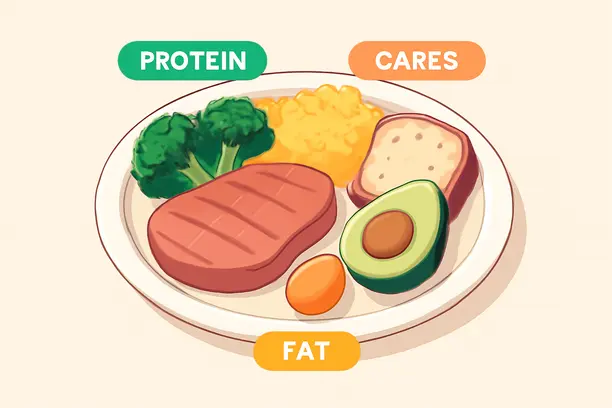
These proportions help keep you full, preserve muscle, and maintain steady energy—all in line with guidelines from the USDA and the National Heart, Lung, and Blood Institute Source: NHLBI.
Your daily menus may vary slightly depending on ingredient swaps or portion tweaks, but they’ll generally stay within these targets. You can adjust macros to fit your needs—bump up protein if you’re active, or dial back carbs if you prefer lower-energy meals.
Let’s talk fiber and sodium. Aim for at least 25g of fiber each day from whole grains, legumes, fruits, and vegetables. Keep sodium below 2,300mg to support heart health—processed foods and condiments can push it higher fast.
To cut sodium, cook more at home and choose low-sodium versions of canned goods. If your plan’s low on fiber or high in salt, add leafy greens, beans, or berries, and swap processed snacks for unsalted nuts or seeds Source: CDC.
Key micronutrients to watch include calcium (at least 1,000mg daily), iron (18mg for women, 8mg for men), and vitamin D (600 IU for most adults). Vitamin D’s tough to get from food alone, so fortified products or supplements often help.
For calcium, go with low-fat dairy or fortified plant alternatives. Lentils and spinach deliver iron, and diverse protein sources cover your bases across the board USDA MyPlate Nutrients Guide.
When you adjust total calories, scale carbs and fats first while keeping protein steady or a bit higher to protect muscle mass. Here’s what that looks like in practice:
- Add ½ cup cooked grains (carbs) and 1 tsp olive oil (fat) for +200 calories
- Cut back on starchy veggies and salad dressing to trim 200 calories
- Increase fruit or veggie snacks when you need more fiber
- Swap in dark leafy greens, beans, fortified dairy, or seafood to boost micronutrients
For more on dividing macros across meals and managing nutrient goals, check out our macro meal planning strategies and macro tracking for beginners.
Safety, contraindications, and who should consult a clinician
A 1600 calorie meal plan can be a moderate, sustainable way to manage weight for many adults. But it’s not right for everyone, and certain groups should proceed with caution or skip it altogether.

You’ll want to talk with a healthcare provider before starting this plan if you’re:
- Pregnant or breastfeeding—you need more nutrients during these times
- An adolescent or child—growing bodies require higher calories
- Someone with a history of eating disorders—restrictive diets can trigger unhealthy patterns
- An older adult who’s frail or managing chronic conditions
- Living with diabetes, active gastrointestinal issues, or kidney disease
- Taking medications that affect appetite, metabolism, or fluid balance
If any of these apply to you—or you’re just not sure—reach out to a registered dietitian or physician. Rapid or restrictive calorie changes can pose serious risks for some people Source: CDC.
Stop the plan and consult a professional right away if you experience:
- Lightheadedness or frequent dizziness
- Heart palpitations or abnormal heart rate
- Rapid, unintended weight loss
- Extreme fatigue, irritability, or brain fog
- Persistent nausea, vomiting, or constipation
Special populations—adolescents, pregnant individuals, older adults, or those with unique metabolic needs—often require tailored calorie targets and meal compositions under professional supervision. Gradual adjustments and ongoing monitoring ensure both safety and effectiveness Source: Academy of Nutrition and Dietetics.
If you’re struggling with meal planning or need a condition-specific diet, consider working with a registered dietitian or licensed nutritionist. For more on managing calorie deficits safely, see our guide to the duration of calorie deficits.
Evidence, author credentials, and ad/disclosure transparency
Where our nutrition advice comes from
All recommendations in this 1600 calorie meal plan are based on authoritative research and official guidelines. We draw from peer-reviewed studies and reputable agencies like the U.S. Department of Agriculture’s MyPlate program and the National Heart, Lung, and Blood Institute (NHLBI).
You’ll see citations right after key claims—for example, our macronutrient targets follow NHLBI’s nutrition guidelines and the USDA MyPlate program.
Practical tips on grocery shopping, meal prep, or portion control reflect author and expert experience rather than scientific consensus, and we label them accordingly.
Who wrote this and who reviewed it
This article was authored by Jamie Russo, MS, RDN, a registered dietitian nutritionist who specializes in evidence-based, practical meal planning for weight management. The content was last reviewed in June 2024.
Dr. Rina Patel, MD, conducted an independent editorial review to ensure accuracy and alignment with current science.
For more on maintaining healthy eating habits and balanced diets, explore our guides on long-term diet and exercise consistency and balanced weight loss diets.
Annotated Bibliography—Major Evidence Sources
- USDA MyPlate: Federal guidelines on dietary patterns, portion sizes, and recommended food groups for adults. Source
- NHLBI Calorie Recommendations: Official guidance on calorie levels for healthy weight loss and maintenance. Source
- Peer-reviewed research on meal planning and weight control: Clinical studies and reviews in journals such as the Journal of the Academy of Nutrition and Dietetics.
Disclosure Statement
This resource is independent and free from influence by advertisers, brands, or food manufacturers. All nutrition guidance is unbiased and intended solely for educational purposes—not individualized medical advice.
Any commercial or affiliate content is clearly identified and separated from our impartial nutrition information.