Does a 7‑Minute Workout Work for Women Over 50?
7 minute workout for women over 50 options can be a practical solution if you want to feel stronger and more energetic, but long, punishing workouts just aren’t realistic—or appealing—anymore. What if you could build a fitness habit in just seven minutes a day, using moves that fit your body and busy life?
Disclosure: This article contains affiliate links. We may earn a commission at no extra cost to you.
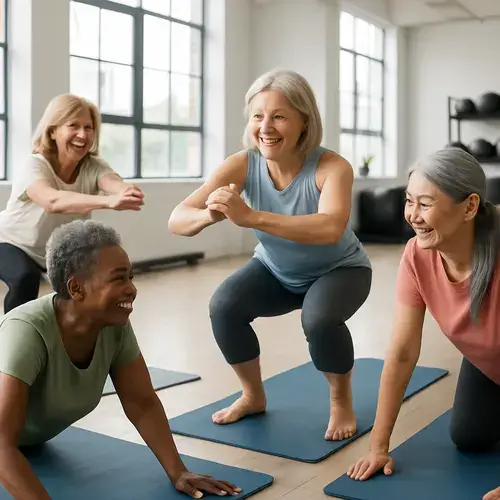
The 7-minute workout has captured attention for good reason: brief routines lower the barrier to regular exercise, which matters enormously for long-term fitness at any age. For women over 50, health experts emphasize that consistency beats intensity or duration every time. Most 7-minute circuits rely on functional moves—squats, modified push-ups, step-ups—that engage major muscle groups, raise your heart rate moderately, and keep joints mobile.
This approach lines up with guidance from the American College of Sports Medicine, supporting everyday strength, mobility, and metabolic health as you age—especially when you combine it with walking or other activities throughout the week [Source: American College of Sports Medicine].
Now, let’s be clear: a daily 7-minute workout helps you build a habit that can lead to lasting fitness, but it’s not a magic bullet. Scientific consensus doesn’t support claims that such short routines alone will dramatically melt belly fat or significantly boost cardiovascular fitness compared to longer, moderate cardio or strength sessions [Source: NHS]. That said, regular modest exercise over months can improve the things that really matter day-to-day—climbing stairs more easily, steadier balance, better muscle tone—all benefits linked to greater independence and quality of life [Source: CDC].
The real value? Building the habit itself. Short routines minimize excuses and can jumpstart—or rekindle—consistent movement. If motivation has been a barrier to longer workouts or gym visits, this manageable format is worth trying. Daily repetition builds confidence and body awareness, and that often leads naturally to more varied activities down the road. For additional motivation tips, see finding motivation for the gym.
Stacking seven effective minutes each day can maintain or gently improve strength, cardiovascular health, and functional mobility. Women over 50 should aim for at least 150 minutes of moderate activity per week, and weaving short 7-minute sessions into that total is a practical, sustainable way forward—especially when life gets busy.
If you’d rather follow guided programs designed specifically for women 40 and up, options like the quick, joint-friendly 7-minute routines for women 40+ provide equipment-free video workouts that support core strength and mobility—no gym required.
Intensity: HIIT vs Circuit — How Hard Should You Go?
Decoding Effort: HIIT vs Circuit in the 7 Minute Workout for Women Over 50
Not all short workouts are created equal, especially for women over 50 aiming for results while protecting safety and energy. Understanding the type of effort involved is key when you’re considering a 7-minute workout for women over 50. You’ve probably heard terms like “HIIT” (High-Intensity Interval Training) and “circuit training” tossed around—they differ in both intensity and structure.
HIIT involves alternating near-maximum effort bursts (around 80–90% of your max heart rate) with full recovery periods. During HIIT, talking becomes difficult—you’re limited to one or two words at most. The metabolic benefit includes an “afterburn” effect, where calorie burn continues after you finish exercising. However, most 7-minute programs marketed to beginners skip true HIIT to avoid excessive strain, particularly if you’re managing chronic conditions [Source: Harvard Health].
Circuit training, on the other hand, links exercises performed at a steady, moderate pace—your breathing quickens and you may sweat, but you can still hold a conversation (though singing’s out of the question). Most workouts tailored for women over 50 adopt this moderate-intensity circuit style, with scalable moves that promote safety, consistency, and gradual progress.
The “talk test” is a practical tool to gauge intensity: easy (you can chat freely), moderate (you can talk but not sing), vigorous (only a few words at a time). Heart rate monitors are optional. If your workouts feel too mild, you can safely increase reps or pace; if they’re overwhelming, dial back intensity or extend rest periods.
Programs that blend balanced circuits with scalable intervals suit midlife women adjusting to changing hormones and metabolism. The 7-Minute Ageless Body Secret offers joint-friendly, no-equipment routines with appropriate intensity progression built right in.
Before ramping up intensity or shifting to HIIT, consult your doctor—especially if you have health concerns. Prioritize listening to your body, allowing rest days, and scaling movement for sustainable, enjoyable fitness after 50 [Source: CDC].
Does the 7-minute workout actually work?
The 7-minute workout builds fitness through consistent, manageable activity—but it’s best seen as a foundation rather than a sole solution. It supports habit formation, strength, and mobility, yet works best when combined with overall weekly activity guidelines.
What is the best workout routine for a 50 year old woman?
A well-rounded routine for women over 50 includes moderate-intensity circuit training focused on strength, balance, and cardiovascular health. Incorporating carefully scaled movements and progressing sensibly ensures both safety and effectiveness.
Warm‑up, Cool‑down, and Safety Considerations for Women 50+
Essential Warm-Ups for the 7 Minute Workout for Women Over 50
Jumping straight into exercise can strain joints and muscles, especially after 50. A gentle 3–5 minute warm-up primes your body by gradually raising temperature, activating muscles, and lubricating joints—think of it as waking your body up gently rather than shocking it into action.
Start with low-impact moves: marching in place with arm swings, shoulder rolls, gentle mini-squats, and toe taps. Add balance drills like single-leg stands (holding a chair if you need support), calf raises, and torso twists to enhance stability. This gradual prep lowers injury risk and eases stiffness or arthritis symptoms. For motivation tips on starting your fitness journey, see simple steps for starting workouts at home.
Safe and Effective Cool-Downs
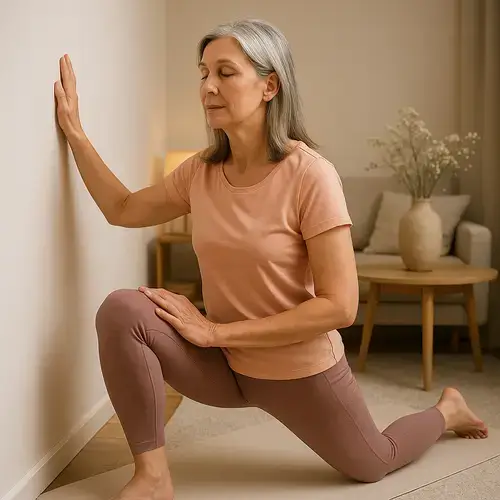
Wind down each session with 2–3 minutes of cooldown focused on static stretches held for 20–30 seconds. Target tight muscle groups: hips with gentle lunges, calves against a wall, and chest with doorway stretches. This relaxes muscles, reduces next-day soreness, and brings your heart rate down smoothly.
Practice deep, steady breathing during cooldowns—it supports relaxation and your pelvic floor, a vital area for post-menopausal women. Avoid breath-holding or straining to maintain core stability and protect pelvic health. The 7-Minute Ageless Body Secret includes tailored warm-up and cool-down routines designed specifically for women over 50 who prioritize joint safety.
Joint and Bone Health: Smart Modifications
Protecting joint health and bone density becomes critical after age 50, particularly if you’re at risk for osteoporosis. Replace high-impact moves like jumping jacks or deep lunges with step jacks, gentle side steps, or use a chair or wall for balance exercises. These smart modifications reduce joint stress and help you sustain your workouts long-term.
Gradually increase load and intensity only as your confidence and strength improve. If pain arises, stop immediately and consult a healthcare professional. Breathing deliberately during exercises—and avoiding breath-holding—helps preserve pelvic floor integrity. For gentle, low-impact workout ideas, explore these gentle low-impact exercises.
Additionally, consider tracking your own progress and celebrating milestones along the way. It’s common for motivation to waver, but even small, consistent changes can boost confidence and maintain momentum. If you are new to movement or returning after a break, focus first on regularity—building the habit is a victory in itself. You might also consult with a fitness professional for modifications tailored to any pre-existing injuries or arthritis.
- Start with familiar, manageable moves and add new exercises gradually.
- Listen to your body and never ignore joint pain.
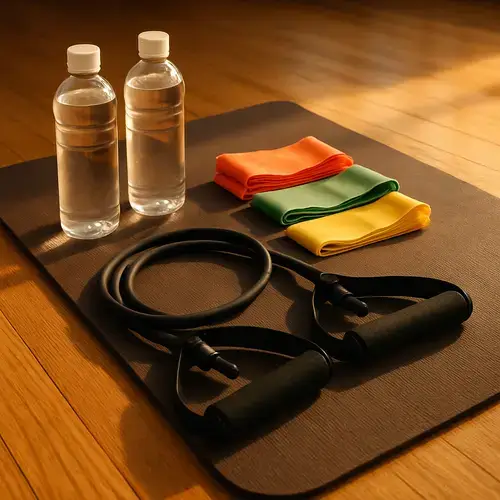
- Keep a water bottle nearby to stay hydrated during and after sessions.
- If you’re managing chronic health conditions, check in with your healthcare provider before diving in.
Empower yourself with patience and self-kindness. The key to lasting results is steady progress, not perfection—all fitness journeys start with a single step.