
Core Mediterranean principles: daily, weekly, occasional guide
Mediterranean diet staples make it easy to craft flavorful meals that promote weight loss and increased energy, all without strict calorie counting or eliminating your favorite foods. This approach centers on simple, delicious ingredients that fit seamlessly into everyday life for lasting health benefits.

Disclosure: This article contains affiliate links. We may earn a commission at no extra cost to you.
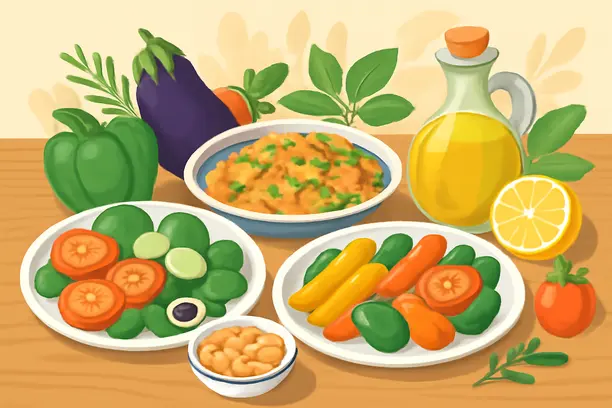
The Mediterranean diet isn’t just a list of foods—it’s a flexible, plant-forward eating pattern that guides your choices day by day. Each day, you’ll focus on plenty of vegetables, whole grains like farro or barley, and two to three servings of fruit. Extra-virgin olive oil becomes your go-to fat, often drizzled raw to bring out flavor, while fresh herbs like parsley and oregano add brightness to even the simplest dishes.
Whole, minimally processed foods form the heart of this approach. Fish and seafood take center stage as your main animal protein at least twice a week, replacing red meats and butter. Legumes—lentils, chickpeas, beans—show up frequently, sometimes as the main protein in stews or grain bowls.
Eggs and poultry appear a few times weekly, while dairy like plain Greek yogurt or small cheese portions are enjoyed in moderation, mainly as snacks or condiments rather than main dishes.
Foods to enjoy occasionally include sweets, red and processed meats, and heavily refined snacks. These are typically reserved for special occasions to keep your diet balanced and satisfying—not about strict avoidance Source: Harvard T.H. Chan School of Public Health.
- Daily: Generous vegetables, whole grains, olive oil, nuts, herbs, and several servings of fruit.
- Weekly: Fish or seafood two to three times, beans or lentils often as main dishes, eggs and poultry a few times.
- Occasionally: Red or processed meats, sweets, and butter—consumed sparingly if at all.
Beyond the plate, the Mediterranean tradition values social eating, daily physical activity like walking or dancing, and savoring meals as communal experiences. These lifestyle elements are integral to the overall health benefits Source: Oldways Mediterranean Diet.
If you want a step-by-step way to make these habits stick, the Mediterranean Diet 30-Day Challenge gives you a daily roadmap—making it easy to build confidence with Mediterranean staples, one meal at a time.
Foods to limit and practical cautions
Not every food fits the Mediterranean pattern—knowing what to limit helps you get the most benefits without feeling restricted.
The Mediterranean diet emphasizes whole and minimally processed foods but advises limiting highly processed items. Processed meats like sausages, bacon, and deli slices pack in sodium, saturated fats, and preservatives, offering little nutritional benefit.
Replacing these with plant-based proteins, such as beans or homemade lentil patties, improves both flavor and nutrition. For example, swap sausage for chickpea burgers or use spiced lentils as a cold cut alternative in wraps.
Sugary drinks, including sodas and sweetened teas, contribute empty calories and can lead to blood sugar spikes, especially when paired with refined grains like white bread or pastries. Choosing water, sparkling water with fruit slices, or herbal teas is preferable.
For natural sweetness, fresh fruits like berries or melon provide fiber and vitamins.
Packaged snack foods are often loaded with excess salt, unhealthy fats, and lack protein or fiber. Better snacks aligned with Mediterranean eating include roasted nuts, fruit, or vegetables with hummus. A handful of unsalted almonds or a small bowl of olives offers sustained energy and heart-healthy fats.
When using canned, jarred, or pickled foods such as beans, artichokes, or olives—staples in Mediterranean cooking—choose low-sodium versions and rinse them under cold water to reduce salt content.
These measures support cardiovascular health by helping to meet recommended sodium limits, typically no more than 2,300 mg per day for most adults Source: American Heart Association.
Individual health considerations are important. People with nut or seafood allergies, kidney disease, or those on medications like blood thinners—which interact with vitamin K in leafy greens—should consult healthcare professionals before adopting Mediterranean diet staples CDC guidance.
- Choose sliced fruit or Greek yogurt with berries instead of desserts high in refined sugars.
- Opt for whole grain bread, barley, or farro instead of white bread or refined grains.
- Replace packaged chips with Mediterranean-friendly snacks like roasted chickpeas or popcorn drizzled with olive oil.
Need more practical swaps and easy recipes? The 30-Day Mediterranean Diet Challenge includes meal ideas and snack tips to help you stay on track, even when cravings hit.
Pantry staples: what to buy, how to prioritize, and budget swaps
Setting up a Mediterranean pantry doesn’t have to be expensive or overwhelming. Start with versatile, long-lasting essentials and you’ll always have the basics for quick, healthy meals.
Extra-virgin olive oil is fundamental; selecting store-brand or generic options in larger bottles can save money without sacrificing quality. Canned tomatoes provide depth for sauces and stews, while whole grains like brown rice, bulgur, and whole-wheat pasta offer hearty, filling bases.
Legumes like canned or dried beans supply affordable plant-based protein, often less costly than meat. Frozen vegetables retain nutrients and are budget-friendly, especially outside of peak seasons.
Prioritize items with versatility: canned chickpeas can be added to salads, blended into hummus, or cooked with spices for quick meals.
Buy nuts and seeds in small quantities to maintain freshness and store them in airtight containers or the freezer. Frozen greens, peppers, and berries are excellent substitutions for fresh produce when needed.
Budget-conscious swaps include choosing value olive oil brands, using frozen produce instead of fresh for smoothies or cooking, and buying dried beans in bulk. Purchasing staple grains and legumes in larger quantities during sales reduces costs and limits frequent grocery trips.
Maintaining freshness is key: freeze extra whole-grain bread, store nuts and grains properly, and focus weekly shopping on perishables like yogurt, leafy greens, and seasonal fruit to avoid waste. Seasonal produce is often more flavorful and economical.
For structured meal plans and tips on optimizing your pantry, the Mediterranean Diet 30-Day Challenge provides step-by-step guidance and meal prep strategies so you can make the most of every dollar and every ingredient.
- Stock up on canned or dried beans, whole-grain pasta, and canned tomatoes for reliable meal building blocks.
- Buy frozen vegetables and berries to stretch your produce budget and add variety throughout the year.
- Purchase nuts in small quantities; store them in the freezer to maximize shelf life and minimize waste.
- Look for store-brand olive oil and grains during sales for additional savings without sacrificing quality.
Check This
Balancing flavor and health: smart substitutions and add-ins
Creating Mediterranean-inspired meals means you never have to sacrifice flavor for health. Smart substitutions bring depth, variety, and satisfaction without extra calories or cost.
Instead of using butter as a cooking fat, opt for a generous drizzle of extra-virgin olive oil or a spritz of lemon juice to brighten roasted vegetables or salads. Herbs like mint, basil, rosemary, and oregano offer aromatic complexity, letting you use less salt or commercial sauces.
Swap sour cream for plain Greek yogurt in dips, dressings, or as a baked potato topping—the result is higher protein and more probiotic benefits with less saturated fat. For creamy pasta sauces, puree cooked cauliflower or white beans with olive oil and garlic for a nutritious—yet luscious—base.
If you love sandwiches or wraps, use whole-grain pita instead of white bread, and build layers of flavor with grilled vegetables, hummus, feta, and a handful of greens. Roasted nuts or seeds sprinkled over grain bowls or salads add crunch and healthy fats in place of fried toppings or croutons.
- Use citrus zest and juice to boost freshness in salads, fish, and chicken dishes.
- Liven up grain bowls with tangy yogurt-based sauces and chopped herbs.
- Substitute flavored yogurt with plain, adding your own chopped fruit and nuts for a snack or breakfast.
- Replace high-sugar jams with lightly mashed berries for toast or yogurt parfaits.
For a simple, crowd-pleasing Mediterranean snack board, mix sliced cucumber, cherry tomatoes, olives, feta, hummus, and whole-grain crackers. These elements come together quickly and can be scaled for any occasion.
Want more creative ways to balance flavor and health? The Mediterranean Diet 30-Day Challenge features dozens of easy-to-follow recipes and flavor-boosting tips to spice up your routine.
Sustainable success: prepping, planning, and eating for life
Transitioning to Mediterranean diet staples is as much about building habits as it is about picking ingredients. Consistency comes from meal planning, efficient prep, and making your kitchen work for you.
Batch-cooking whole grains like brown rice, bulgur, or farro at the start of the week saves time and guarantees a ready base for bowls, salads, or breakfast. Roasting a tray of mixed vegetables makes quick work of lunches and sides.
Keep Mediterranean core ingredients—olive oil, garlic, canned beans, canned tomatoes, nuts—within easy reach for no-recipe-required meals. Simple combinations, like a salad of chickpeas, chopped tomatoes, cucumber, lemon juice, and a swirl of oil, are endlessly flexible and can be thrown together in minutes.
- Plan weekly menus around what’s on sale and in season to save money and boost variety.
- Prep extra servings of salads or roasted vegetables for grab-and-go lunches or snacks.
- Store leftovers in clear containers for easy visibility and reduced waste.
- Use meal prep Sundays or another set day each week to set yourself up for success.
Eating at home is simple; eating out the Mediterranean way is possible too. Look for dishes with grilled fish or chicken, beans, roasted vegetables, or whole grains. Ask for dressings and sauces on the side, and try splitting desserts for occasional treats without overindulging.
If the idea of meal planning feels overwhelming, the Mediterranean Diet 30-Day Challenge offers customizable shopping lists, meal plans, and weekly guides to keep you motivated from start to finish.
Mini-FAQ: Mediterranean diet staples
Can I follow a Mediterranean diet if I’m vegetarian?
Absolutely! The Mediterranean diet is naturally plant-forward, emphasizing legumes, grains, vegetables, fruit, and nuts. You can skip seafood and poultry, focusing on beans, lentils, whole grains, and dairy like Greek yogurt or cheese for protein. Try including eggs and plenty of different produce in your weekly menus.
How much olive oil should I use daily?
Most Mediterranean diet guidelines recommend 2–4 tablespoons of extra-virgin olive oil each day, used primarily as a finishing drizzle or in salad dressings. Always adjust to your calorie needs, but don’t be afraid to use olive oil for both flavor and health—the key fats are mostly monounsaturated and heart-healthy.
What quick meals can I make with Mediterranean staples?
Quick ideas include Greek salads with chickpeas, grain bowls topped with roasted vegetables and a yogurt-based sauce, or whole-grain toast with avocado and tomato. A can of tuna in olive oil and sliced veggies makes an easy lunch, while egg frittatas loaded with greens offer a nutritious dinner in under 30 minutes.