
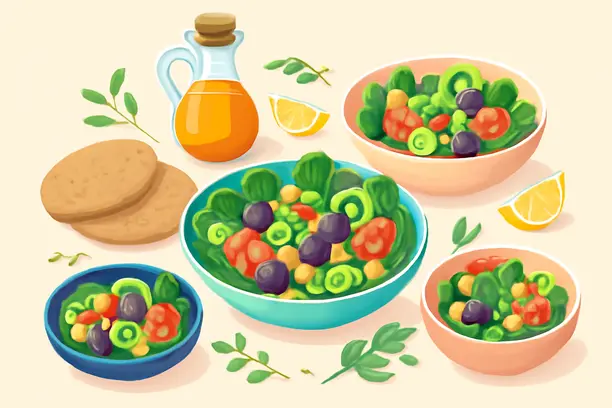
What is the Mediterranean Diet? Quick definition and staples
Mediterranean diet recipes lunch 15 minutes lets you whip up fast, delicious meals that actually help you feel better—not just another bland salad or rushed sandwich. This approach answers the need for vibrant, satisfying lunches you can create in a quarter of an hour, all while supporting your health.

Disclosure: This article contains affiliate links. We may earn a commission at no extra cost to you.
The Mediterranean diet is more than a trendy eating style. It’s a time-tested approach rooted in the traditional foods of countries bordering the Mediterranean Sea—Greece, Italy, Spain, and beyond.
This way of eating emphasizes minimally processed, plant-rich foods, making it simple to assemble quick, healthy meals even on your busiest days.
At its core, the Mediterranean diet features several essentials:
- Abundant vegetables and fruits: These should make up the bulk of your plate, with infinite combinations for salads, bowls, and wraps.
- Whole grains: Think farro, brown rice, barley, oats, and whole-grain breads or pastas as filling, fiber-rich foundations.
- Legumes: Chickpeas, lentils, white beans, and black beans appear in everything from soups to spreads, contributing both protein and staying power.
- Healthy fats: Olive oil takes center stage, used for dressing salads, drizzling on grains, or sautéing veggies.
- Fish and seafood: Eaten at least twice per week, these supply heart-healthy omega-3s without heavy prep or fuss.
- Nuts and seeds: Almonds, walnuts, chia, or flax offer crunch, texture, and lasting satiety.
Sweets and red meat are enjoyed only in moderation. Most meals are built around plants and seafood rather than animal fats.
Dairy is included, but usually as yogurt or small amounts of cheese. The emphasis is on whole foods prepared simply, aligned with a balanced, flavorful way of eating.
If you’re short on time, stocking up on Mediterranean staples makes it effortless to put together a lunch in 15 minutes or less.
Handy items include canned chickpeas, tuna, pre-washed greens, cherry tomatoes, jarred olives, and whole-wheat pita. With these on hand, you can create a vibrant salad, wrap, or grain bowl with barely any cooking required.
This dietary pattern isn’t just about convenience. It’s been widely studied for its benefits linked to heart health, weight management, and longevity—making it both satisfying and smart for daily living Source: Harvard Health.
For truly quick and delicious meal ideas, check out our curated collection of Mediterranean diet recipes designed for real-life schedules.
Want a step-by-step plan with daily variety to make Mediterranean eating effortless?
The Mediterranean Diet 30-Day Challenge gives you digital meal plans, 90+ recipes, and practical guidance—perfect for busy days when you need lunch in a flash.
Health benefits — evidence, limits, and expert perspective
The health benefits of Mediterranean-style eating have attracted serious attention in recent decades, especially for those seeking quick, wholesome meal solutions.

Large observational and randomized controlled trials show that this pattern—rich in vegetables, whole grains, legumes, nuts, olive oil, and moderate fish—tends to lower the risk of heart disease, stroke, and type 2 diabetes compared to typical Western diets.
Meta-analyses suggest a roughly 20–30% reduction in cardiovascular events for adherents over years, a meaningful population-level effect Source: New England Journal of Medicine.
Experts credit these outcomes largely to the diet’s anti-inflammatory foods and healthy unsaturated fats.
Plant fibers, polyphenols, and omega-3 fatty acids found in the Mediterranean regimen support balanced blood lipids and reduce chronic inflammation—mechanisms consistently outlined in nutrition science reviews Source: National Institutes of Health.
As one associate professor of nutrition summarized, “This pattern likely helps by reducing inflammation and supporting balanced blood lipids,” explaining why this approach offers widespread protective effects.
That said, it’s crucial to recognize the limits of this evidence.
Most studies measure average effects in populations rather than predict individuals’ outcomes. Genetics, activity, medical conditions, and overall diet can modify responses.
While many people experience meaningful improvements, others might notice subtler changes or none at all. No diet guarantees disease prevention, and changes should be personalized with medical guidance.
Additionally, some studies rely on self-reported diets subject to bias. Randomized trials increase confidence, but individual benefit magnitude still varies Source: U.S. Department of Health & Human Services.
For those wanting to practice Mediterranean eating despite busy schedules, easy recipes that take 15 minutes or less help bridge the gap between evidence and convenience.
Building meals around whole grains, beans, vegetables, seafood or legumes, and olive oil aligns habits with scientific recommendations without sacrificing time.
To remove guesswork, consider structured digital programs like the Mediterranean Diet 30-Day Challenge, which offers recipes, nutrition guidance, and daily support—ideal for results-focused lifestyles.
Remember, success with Mediterranean eating varies by individual factors.
Using simple, quick Mediterranean diet recipes for lunch can be part of a broader health strategy that suits personal needs and preferences for sustainable benefits.
If you want more tips on integrating healthy meals into daily life, explore our guide to making healthy meals simpler and more enjoyable.
Ready to simplify your healthy eating and experience the Mediterranean difference?
Start the 30-Day Mediterranean Diet Challenge and enjoy an easy, enjoyable path to wellness.
Safety, contraindications, and when to consult a clinician
The Mediterranean diet is widely recognized for its health benefits, but it’s not a one-size-fits-all approach—especially if you have specific health concerns or dietary restrictions.
Before trying any new eating pattern, consider whether any medical conditions, medications, or allergies might interact with these foods.
For instance, people with kidney disease should be cautious with high-potassium foods common in Mediterranean meals, like tomatoes, beans, and leafy greens.
Since kidney function affects potassium handling, these foods can pose risks such as irregular heartbeat or muscle weakness. Consulting your nephrologist or dietitian before making significant dietary changes is essential Source: National Kidney Foundation.
Individuals on blood-thinning medication (such as warfarin) should moderate certain leafy greens high in vitamin K, such as spinach and kale, as they can interfere with medication effectiveness. Always discuss dietary changes with your healthcare provider if you’re managing a chronic health condition or taking prescription drugs.
Allergies and intolerances are another consideration. Common Mediterranean ingredients like nuts, seeds, legumes, and seafood can trigger reactions in sensitive individuals. If you suspect an allergy or sensitivity, consult with an allergist or dietitian before incorporating these foods.
For most healthy adults, the Mediterranean diet is safe and nutritious. If you experience unexpected symptoms after making dietary changes, seek professional advice.
Want further guidance on adapting this diet to your unique situation? Registered dietitians and healthcare professionals can help you personalize Mediterranean diet recipes for lunch within your 15-minute window and ensure they meet your health needs.
Mini-FAQ: Common Questions on Quick Mediterranean Lunches
What are the best Mediterranean diet recipes lunch 15 minutes for vegetarians?
Vegetarian options include Greek salad with chickpeas, Mediterranean lentil wraps, hummus and roasted vegetable pita pockets, or a white bean and arugula toast. All can be assembled quickly with minimal prep work.
Can I meal prep Mediterranean lunches to save even more time?
Absolutely! Prepare ingredients like cooked grains, chopped veggies, and dressings ahead of time. This way, assembling a Mediterranean lunch in 15 minutes or less becomes even easier—simply combine what you need and add any fresh touches before serving.
Are there Mediterranean diet recipes lunch 15 minutes options for those with gluten intolerance?
Yes, you can use gluten-free grains such as brown rice or quinoa and opt for gluten-free wraps or breads. Many Mediterranean ingredients are naturally gluten-free, so quick salads and bowls are easy to adapt.