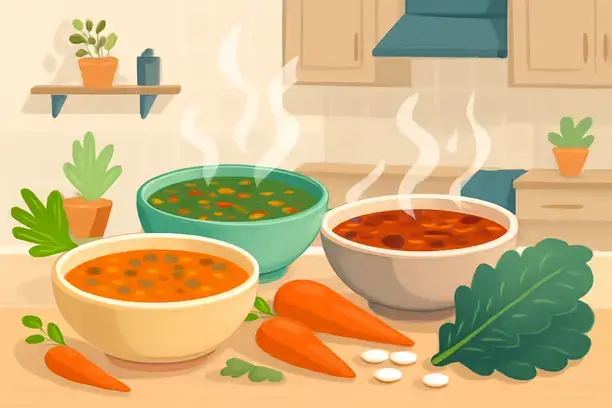
Types of soup diets and how they differ (cabbage, plant-based, souping)
Soup diet plans offer a simple, filling way to drop pounds—without endless meal prep or bland, boring food. If you’re curious whether a soup diet could finally move the scale, you’re not alone. For many, it’s a popular shortcut for fast results and appetite control.
Disclosure: This article contains affiliate links. We may earn a commission at no extra cost to you.
Soup diets come in various forms, each with distinct calorie levels, nutrient profiles, and durations. They range from ultra-restrictive short-term plans to flexible, balanced approaches where soup serves as a core component. Understanding these differences will help you pick the right fit for your goals and lifestyle.
Cabbage Soup Diet
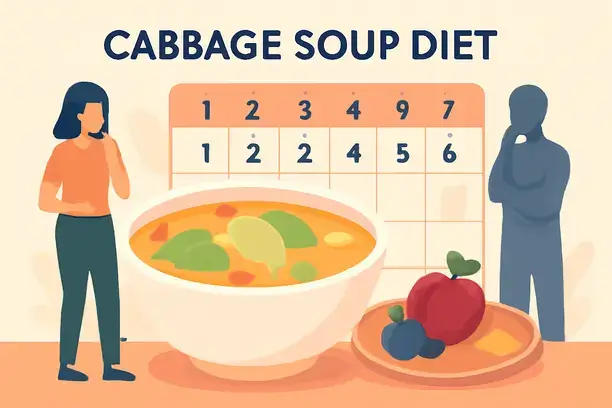
The cabbage soup diet is a brief, highly restrictive plan built around unlimited homemade vegetable soup—mostly cabbage—over five to seven days. Some versions allow small portions of fruit or lean meat on certain days.
Daily calories typically land well below 1,200, with minimal protein. That’s a concern if you’re active or want to preserve muscle. You’ll likely lose five pounds or more in a week, but that’s mostly water and glycogen—not fat.
Common challenges? Nutrient gaps and fading fullness after a few days. Without follow-up lifestyle changes, the weight comes back fast. For safe implementation, see how to eat a cabbage soup diet safely.
Plant-Based Micronutrient Soup Regimens
These plans emphasize vegetable-rich soups, often paired with legumes, whole grains, and occasional lean proteins. The focus is on fiber, vitamins, and minerals while keeping calories and fats moderate.
Typically lasting one to two weeks, these diets offer more flexibility and nutritional depth than single-soup approaches. Daily intake usually ranges from 1,200 to 1,600 calories, spread across two main soup meals plus salads, grains, or calcium-rich snacks.
Fat loss is slower but more sustainable, with lower risk of muscle loss. With professional guidance, you can extend these plans. For recipe ideas, explore easy plant-based soup and veggie meal ideas.
Modern ‘Souping’ and Meal-Replacement Plans
Modern souping adapts to busy lifestyles by using pre-made, nutritionally balanced soups or carefully crafted homemade blends. Soup replaces one or two meals daily, balanced by a wholesome third meal.
Ready-to-blend kits may include added protein from lentils, chicken, or collagen. Calorie targets typically range from 1,200 to 1,800 per day, with at least 15 to 20 grams of protein per serving. That reduces hunger and muscle loss.
Duration varies from brief resets to flexible ongoing use. Choose reputable products low in sodium and free from fillers. For plant-based options, consider vegan meal plans focused on nutrient-rich soups.
Balanced Soup-Inclusive Diets
The most sustainable approach uses soup as part of a diverse diet—alongside fruits, whole grains, lean proteins, and healthy fats. This supports gradual weight loss without severe restrictions, rebound hunger, or nutritional compromise.
Calorie intake is individualized, typically ranging from 1,400 to 2,000 depending on age, sex, and goals. Protein, vitamins, and minerals meet or exceed recommended levels, keeping energy and fullness high.
Balanced soup plans accommodate physical activity and suit all age groups. They mirror Mediterranean or macro-focused diets that pair filling vegetable soups with other nutritious meals. Sample meal plans are available at family-friendly, balanced meal plans.
Side-by-Side Comparison Table
- Cabbage Soup: 800–1,000 cal/day | 15–30g protein | 7-day max | Rapid water weight loss | Not sustainable, low nutrition.
- Plant-Based Micronutrient: 1,200–1,600 cal/day | 35–60g protein | 7–21 days | Gradual fat loss, high micronutrients | May need protein boost.
- Modern Souping: 1,200–1,800 cal/day | 40–80g protein | Flexible/ongoing | Balanced macros, convenient | Watch sodium, cost, ingredient quality.
- Balanced Soup Plan: 1,400–2,000 cal/day | 50–100g protein | Long-term sustainable | Satiety, energy, full nutrition | Requires meal diversity.
Choose a plan that matches your goals. Quick appetite suppression or a water-weight reset might suit a short cabbage soup phase. But lasting results require balanced, protein-rich, or micronutrient-dense soups.
If you want a done-for-you plan—especially if you’re over 40 or battling stubborn weight—the 14-Day Rapid Soup Diet offers step-by-step guidance designed for busy adults.
Research favors longer-term, diversified plans using soups alongside whole foods for better sustainability and fullness, according to the Academy of Nutrition and Dietetics Source: Academy of Nutrition and Dietetics. For more on balanced eating, see our guide to balanced diet plans for weight loss.
If you prefer a structured, soup-focused program tailored for fast progress with ongoing support, the rapid soup diet system offers clear protocols especially helpful for those 40 and older.
Safety, contraindications, and when to see a clinician
Who Should Avoid a Soup Diet: Key Contraindications
Highly restrictive soup diets can pose real risks for certain groups. Pregnant or breastfeeding individuals risk nutrient shortfalls harmful to both mother and child.
Anyone with a history of eating disorders—like anorexia or bulimia—should steer clear. Sudden restriction and rigid rules can trigger unhealthy patterns.
People with insulin-dependent diabetes face hypoglycemia when fasting or sharply cutting carbs. Similarly, patients recovering from major surgery or serious illness need consistent calories, protein, and micronutrients to heal properly.
If you fit into these groups, talk to a medical professional before starting any rapid soup-based regimen Source: NHS.
Medical Risks: What Can Go Wrong
Common side effects from calorie and nutrient restriction include:
- Electrolyte imbalances: Low sodium, potassium, or magnesium can cause headaches, muscle cramps, dizziness, or even heart rhythm problems.
- Gallbladder complications: Rapid weight loss raises gallstone risk, especially for women or those with prior gallstone history.
- Muscle and bone loss: Low protein or extreme calorie cuts weaken lean mass and bone strength.
- Blood sugar swings: Diabetics on medication or insulin risk dangerous lows with sudden diet changes.
- Dehydration: Fluid intake may drop unintentionally, or you might lose excess water during the diet transition.
If your diet is causing fatigue, dizziness, or other worrying symptoms, prioritize your well-being over quick results. Safety always comes first Source: CDC.
Warning Signs to Stop and Seek Care
Watch for these red flags during a soup diet:
- Persistent dizziness or near-fainting
- Rapid or irregular heartbeat
- Chest pain or severe palpitations
- Shortness of breath
- Confusion, trouble concentrating, or mental fog
- Severe weakness interfering with daily tasks
- Vomiting, ongoing diarrhea, or signs of dehydration like very dry mouth or no urination
If any of these occur, stop the diet immediately and contact your doctor. Pushing through can lead to serious complications Source: UCLA Health.
Pre-Diet Safety Checklist and Precautions
Before starting any low-calorie or soup-based plan, take these steps:
- Consult your physician, especially if you have chronic diseases, take prescription drugs, or have had weight-loss surgery.
- Consider baseline blood tests covering electrolytes, kidney and liver function, blood sugar, and lipids.
- If managing cardiac or metabolic conditions, clarify safe calorie and fluid limits and review medication adjustments.
- Ensure your vitamin and mineral intake meets recommended daily allowances. Supplement or choose a less restrictive diet if needed.
- Plan your stop points based on warning signs and share your goals with a trusted friend or loved one.
For tailored guidance on diet selection, see how to identify the right diet for your body type.
Take Extra Care with Chronic Health Conditions
People with heart disease, hypertension, kidney issues, or endocrine disorders face added risks from rapid weight loss. Low sodium may interact with blood pressure meds, and insufficient protein can harm kidney or muscle-wasting conditions.
These individuals benefit from gradual changes and regular medical monitoring. Maintaining good energy and hydration—and stopping if you feel unwell—is essential.
Balanced, sustainable approaches like the ultimate diet plan for weight loss with exercise often deliver safer, long-term results.
If You’re Still Considering a Soup Diet
The 14-Day Rapid Soup Diet system offers recipes and meal guides for busy individuals seeking structure. But it’s critical to combine such programs with medical advice and careful monitoring—especially if you’re over 50 or managing chronic conditions.
Weigh benefits against risks, and proceed cautiously. For comprehensive support, visit the official 14-Day Rapid Soup Diet site.
Nutritional analysis: typical calories, protein, and likely deficiencies
Typical Nutritional Breakdown: Cabbage Soup Diet vs. Balanced Soup-Inclusive Plan
The nutritional content of soup diets varies widely, shaping their safety and effectiveness. Let’s compare a strict cabbage soup diet against a balanced soup-based eating plan.
Cabbage Soup Diet Menu Example
A typical cabbage soup diet day includes unlimited cabbage-based soup and limited fruits or lean protein on specified days. Nutritional intake generally looks like:
- Calories: 800–1,100 kcal/day
- Protein: 15–25g/day (mostly low-protein)
- Fiber: 15–25g; higher if beans or legumes are included
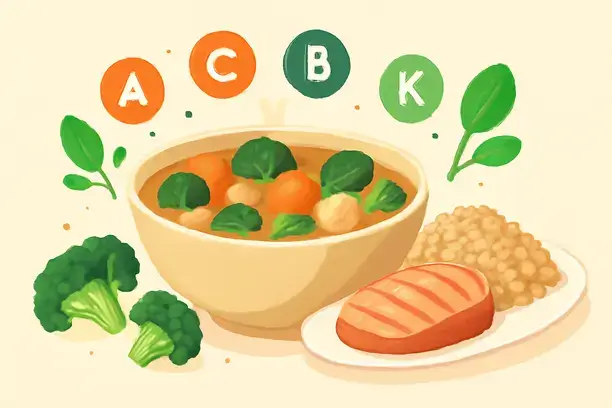
- Key Vitamins: High in vitamin C and K; low in B12, vitamin D, and calcium
These levels fall short of adult recommendations, which include 46–56g protein, 25–38g fiber, and 1,500–2,200+ calories. Deficiencies can lead to muscle loss, fatigue, and poor recovery.
Balanced Soup-Inclusive Sample Menu
This plan features two hearty soups daily, plus lean protein (chicken, beans, tofu), whole grains, and healthy fats. It delivers approximately:
- Calories: 1,200–1,500 kcal/day
- Protein: 45–75g/day
- Fiber: 25–35g/day
- Vitamins/Minerals: Better overall coverage, though vitamin D and B12 may still be low in fully plant-based versions
This option supports satiety, muscle preservation, and overall nutrient adequacy better—though it may still be too low-calorie for some individuals.
Common Deficiencies and Symptoms on a Soup Diet
Traditional cabbage soup diets often cause:
- Protein insufficiency: Risk of muscle wasting, low energy, and hair thinning
- Vitamin B12 deficiency: Especially in vegetarian or vegan versions; watch for fatigue, neurological symptoms, and cognitive fog
- Calcium and vitamin D shortage: Long-term bone health risks, especially for women and older adults
- Iron deficiency: Fatigue and dizziness, particularly in menstruating females and vegetarians
Other nutrients may also decline with prolonged restrictions, raising risks over time Source: Harvard School of Public Health.
Tips to Bridge Nutritional Gaps
- Add unflavored protein powder to soups after heating to quickly boost protein (easy protein snack ideas).
- Toss in legumes or low-fat cottage cheese for extra protein and calcium.
- Top soups with hemp seeds, nutritional yeast, or Greek yogurt for healthy fats and micronutrients.
- If avoiding animal products, supplement vitamin B12 and choose calcium- and vitamin D-fortified plant milks.
- Rotate in non-soup meals featuring eggs, tofu, or fish every other day to diversify nutrients.
Practical Ways to Improve a Soup Fix
Adjusting soup-based diets with satiating, protein-rich additions can prevent boredom, hunger, and muscle loss.
- Replace 1–2 ladles of broth with beans, shredded chicken, or diced smoked tofu for more protein and flavor.
- Add ready-to-mix protein shakes alongside soups for convenience and nutrient density (practical examples).
- Consider a multivitamin/mineral supplement as a basic safety net where restrictions apply.
Summary: Addressing the Gaps—The Smart Approach
Classic cabbage soup diets don’t provide adequate calories or protein, and commonly lack key vitamins. That makes them unsafe for longer durations without modification.
To make a soup diet nutritionally complete, prioritize adding protein, diverse vegetables, and targeted supplementation. This measured approach supports fat loss while preserving muscle and overall health.
For success with satiety and nutrient sufficiency, explore foods that keep you full in a calorie deficit and nutrient-dense foods for safe weight loss.
If you want a plan that covers both fat loss and nutrition—without endless tracking—the 14-Day Rapid Soup Diet offers structured guidance aimed at busy adults seeking real results.
FAQ: Soup Diets Answered
Is any soup diet actually sustainable for long-term weight loss?
Highly restrictive soup diets are not sustainable long term due to calorie and nutrient gaps. However, including soup as part of a balanced, nutrient-rich eating plan can support gradual, lasting weight loss while promoting fullness and satisfaction.
How quickly will I see weight loss on a soup diet?
Most people lose several pounds within the first week—mainly from water and glycogen depletion—especially on highly restrictive plans. More moderate soup diets lead to slower, steadier fat loss, which is more likely to last beyond the diet period.
Can I exercise while on a soup diet?
Exercising on restrictive soup diets can be difficult due to low energy and protein intake. It’s safer to do moderate activity with balanced, higher-protein soup plans, and always adjust intensity based on how you feel. Consult a healthcare professional if unsure.