
What is keto (practical macros) and how soups fit
Keto soup recipes for weight loss make achieving your low-carb, high-fat macros simple and satisfying. By focusing on soups crafted from keto-friendly ingredients, you can enjoy delicious meals that fill you up and support steady fat loss—no complicated carb counting or bland menus required.

Disclosure: This article contains affiliate links. We may earn a commission at no extra cost to you.
The ketogenic diet centers on strict macronutrient control, particularly keeping daily net carbohydrates between 20 and 50 grams. Net carbs are calculated by subtracting fiber and certain sugar alcohols from total carbs shown on nutrition labels. This precise macro range is essential to enter and sustain nutritional ketosis—a state where your body burns fat for fuel instead of carbohydrates.
Soups fit beautifully into keto plans when portions and ingredients are carefully managed. Ideally, keto-friendly soups contain no more than 8 to 10 grams of net carbs per serving, with many recipes staying well below that. For example, swapping starchy potatoes with cauliflower in creamy chicken soup reduces carbs dramatically—often to about 4 grams of net carbs per serving while delivering moderate calories plus balanced protein and fat.
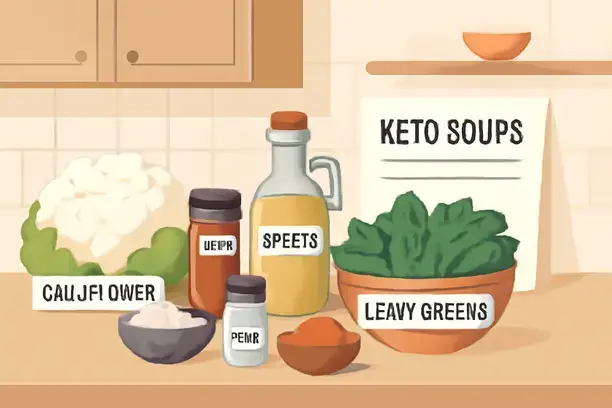
Other keto-friendly vegetables like leafy greens, broccoli, zucchini, and mushrooms add nutrients and texture without excess carbs. Steer clear of carb-dense ingredients like beans, root vegetables, corn, or noodles that can quickly push your soup out of keto range.
Low-carb thickeners such as pureed cauliflower, heavy cream, or coconut milk help maintain soup texture while preventing added carbs. Incorporating healthy fats like olive oil or butter and moderate protein portions enhances fullness and maintains the macronutrient balance keto requires.
For convenience, programs like the 14-Day Rapid Soup Diet offer comprehensive, macro-calculated soup recipes designed to promote steady fat loss without guesswork. These resources can simplify meal prep and carb tracking, especially when you’re just starting out.
Always read labels carefully, watch for hidden carb ingredients, and adjust seasoning to avoid sneaky carbohydrates. Consistency in meeting your macro goals across meals is more important than perfection in any single serving.
Because soups are high in fluid content, they promote early satiety, helping control calorie intake without feelings of deprivation—an important factor in sustainable keto weight loss. For more on managing fullness on calorie deficits, see our guide to feeling full while dieting.
Here’s your quick checklist:
- Choose soups with 10 grams or less of net carbs per serving
- Replace potatoes, beans, and corn with cauliflower, spinach, or zucchini
- Use nutrition labels and tracking apps to stay confident about your macros
- Balance fat and protein to maintain energy and satiety
- Avoid thickened soups with roux or grain-based thickening agents to prevent hidden carbs
For a more detailed understanding of ideal macronutrient ratios for fat loss beyond soups, explore our analysis of best macro ratios for fat burn.
By focusing on precise ingredient choices and macro tracking, keto soups can be an enjoyable, effective part of your fat-loss strategy.
Safety, contraindications, and allergy/ingredient guidance
Introducing keto soup recipes into your diet requires attentiveness to how your body reacts, especially with major dietary shifts. Symptoms such as severe muscle cramps, dizziness, heart palpitations, or unusual fatigue may signal electrolyte imbalances or other health concerns. If these arise, stop immediately and consult a healthcare professional. Ignoring these warning signs could lead to serious complications, particularly if you’re new to keto or managing chronic health issues.
Certain populations should exercise caution or avoid keto diets altogether—including pregnant individuals, those with kidney or liver disease, people with eating disorders, and anyone on blood sugar-lowering medications. Older adults and people with chronic conditions need special attention to electrolyte and nutrient intake on carb-restricted plans Source: NCBI.
Ingredient Alerts: Allergy & Intolerance Guidance
Keto soups often use potential allergens like eggs, dairy, nuts, and shellfish. Carefully check recipes and labels for these ingredients if allergies or intolerances are concerns. Creating an allergen substitution checklist can help manage safe swaps:
- Dairy: Substitute with coconut cream or full-fat coconut milk for creaminess
- Eggs: Use silken tofu or pureed cauliflower to replicate texture
- Nuts: Replace with sunflower or pumpkin seeds to avoid nut allergens
- Shellfish: Swap for white fish, poultry, or hearty vegetables as alternatives
Implementing these swaps keeps soups safe and flavorful for all dietary needs. If you’re cooking for groups, label foods clearly and consider customizable toppings to accommodate various restrictions.
Quality Matters: Sourcing and Ingredient Choices
Selecting minimally processed meats like whole cuts of poultry or beef, along with fresh or frozen vegetables, is key to maintaining keto soup quality. Organic produce can be a bonus, but focus primarily on avoiding added sugars, preservatives, or cheap oils that undermine health goals Harvard T.H. Chan School of Public Health.
Watch out for hidden carbs or inflammatory oils in premade broth bases and spice blends. When uncertain, making your own stocks at home provides full control, supporting both weight loss and overall wellness—including digestion and energy levels.
Who needs extra caution?
Older adults, those with chronic illness, or anyone on multiple medications should consult a healthcare provider before starting keto. Risks like dehydration and sodium imbalances can cause serious issues including confusion or falls Mayo Clinic. Routine monitoring is essential.
For those seeking safe, structured plans tailored for older adults, the 14-Day Rapid Soup Diet offers daily keto soup menus with embedded safety guidance. Medical approval remains important when underlying conditions or medication use exist.
Key Takeaway for Safe Keto Soup Planning
Safety hinges on vigilant symptom monitoring, allergy-aware substitutions, and choosing quality ingredients. Following these principles minimizes risk and supports sustainable fat loss.
For additional reassurance, guided meal plans like the Rapid Soup Detox provide recipes with safety tips for practical real-world success. Those wanting more plant-forward recipes may find value in exploring vegan weight loss meal plans as complementary options.
Evidence, study context, and realistic expectations
Keto soup diets have attracted interest supported by clinical studies and popular media stories. Well-controlled trials evaluating short-term ketogenic diets, such as those lasting 8 to 16 weeks, generally observe weight loss around 2 to 7 kilograms—often surpassing conventional low-calorie diets of similar duration Source: NIH.
However, outcomes vary widely depending on factors like age, activity, baseline health, and diet adherence. Early weight loss largely reflects both fat and water loss, stabilizing after several weeks. Weight regain is common if original eating habits return Source: NHS UK.
Promotional anecdotes of dramatic transformations should be viewed critically. Validated benefits appear strongest in initial weeks rather than over long-term periods. If you’re starting keto soup plans, routine health monitoring—including weight, lipid profiles, and kidney function—is advisable. Consulting healthcare professionals before prolonged keto adherence is recommended due to potential risks for some individuals Source: American Heart Association.
Claims implying effortless or rapid metabolic boosts lack solid grounding. Sustainable success depends on consistent healthy habits. Programs like the 14-Day Rapid Soup Diet offer structured recipes and support aiming for realistic, measurable results in a gradual, manageable way.
To maintain motivation and avoid plateaus, supplementary recipe collections and meal plans included with such programs can provide useful variety. Remember, long-term progress relies mostly on building sustainable eating routines rather than the specific soups themselves.
For broader meal ideas supporting healthy weight loss, visit our roundup on healthy family meals.
Does soup-based keto really work?
Here’s the bottom line: it can deliver results, but only when you make it part of a consistent, realistic plan. The evidence supports short-term weight loss, but your individual results will depend on how well you stick with it and how you transition afterward.
How to verify keto compliance: carb counts, nutrition labels, and food safety
Verifying that your chosen keto soup recipes truly fit within your carb limits starts with careful examination of nutrition facts. Ideally, soups should contain 8 to 10 grams or fewer of net carbs per serving. To calculate net carbs, subtract dietary fiber and non-impact sugar alcohols (e.g., erythritol) from total carbohydrates Source: American Diabetes Association.
Inspect all ingredients for hidden carbs. Avoid thickeners like cornstarch, potatoes, or starchy root vegetables, which can add unexpected sugars. Preferred thickeners include cauliflower puree, cream, or xanthan gum to maintain consistency without raising carbs.
For store-bought soups, scrutinize the nutrition label and serving sizes closely—portions may be small or rounded. Check if net carbs are listed; if not, manually subtract fiber from total carbs. Ingredient lists should be in descending order and alert you to allergens such as dairy, soy, or nuts, with suitable substitutions if required.
Food safety with batch-cooked soups is vital. Refrigerate soups in airtight containers promptly and consume within 3 to 4 days. Soups freeze well for 2 to 3 months; thaw in the refrigerator overnight. Always reheat soups to a rolling boil or simmer to eliminate foodborne pathogens Source: U.S. Food Safety Guidelines.
Newcomers to keto meal prep may benefit from simple tools for tracking portions and macros, like the steps outlined in our easy macro tracking guide.
Adding variety mid-plan can improve adherence. The 14-Day Rapid Soup Diet delivers a keto-aligned meal protocol combining fat-loss-focused soups with detailed nutrition breakdowns.
Always validate recipes for allergens and ensure safe replacements when cooking for diverse dietary needs to promote inclusivity and safety in your kitchen. For ready-to-go keto soup recipes and shopping lists with straightforward macro counts, the 14-Day Rapid Soup Diet system is a useful resource.
Practical meal plans and tested recipes (high-protein, vegetarian, chicken)
Effective meal plans help structure your keto soup regimen for weight loss. A balanced approach provides flavorful soups at lunch and dinner, supplemented by high-protein snacks to sustain fullness and muscle maintenance. Preparing soups in bulk ahead reduces time and decision fatigue.
A simple 3-day meal plan example includes:
- Day 1: Creamy Chicken & Spinach Soup with celery sticks and herbed Greek yogurt dip
- Day 2: Vegetarian Coconut Ginger Soup paired with roasted almonds or a hard-boiled egg
- Day 3: Hearty Beef & Cabbage Soup alongside a green salad topped with pumpkin seeds
Extending to a 7-day plan involves rotating these soups and swapping proteins or low-carb vegetables for variety. Personalizing your meals helps prevent diet fatigue with these meal prep ideas.
Signature Keto Soup Recipes with Nutrition Panels
Creamy Chicken & Spinach Soup
Per serving: ~220 kcal, 23g protein, 9g fat, 4g net carbs
Features shredded chicken, fresh spinach, and a creamy base (heavy cream or almond milk for dairy-free). Enhanced with garlic and black pepper.
Swap tip: Use turkey or tofu as protein alternatives.
Vegetarian Coconut Ginger Soup
Per serving: ~170 kcal, 6g protein, 13g fat, 6g net carbs
Made with coconut milk, zucchini, mushrooms, ginger, and spinach, finished with lime and cilantro.
Swap tip: Add tempeh for more protein, or substitute broccoli for zucchini.
Hearty Beef & Cabbage Soup
Per serving: ~240 kcal, 21g protein, 13g fat, 5g net carbs
Features ground beef or turkey, shredded cabbage, diced tomatoes, paprika, and bone broth.
Swap tip: Ground chicken or seitan can be used as alternative proteins.
Complement these soups with snacks like cheese sticks or a quarter cup of sunflower seeds for sustained satiety and to meet daily protein goals. For more high-protein snack ideas, see our recommended protein snack options.
Customization Tips
Keto soup plans accommodate personal tastes by allowing seasonings adjustment—try lemon juice, chopped herbs like dill or parsley, or a splash of vinegar to brighten flavors. Modify macros by substituting lower-fat proteins or using unsweetened almond milk instead of cream.
For plant-based or omnivore cycles, swap chicken for tempeh or add lentils to vegetable soups for extra protein while keeping carbs low. Leftovers can be refreshed with pesto, ricotta, or roasted seeds.
If you want more variety for keto-friendly plant-based soup meals, consider our collection of plant-based keto meal ideas.
Maintaining Macros and Avoiding Pitfalls
Consistent portion control with kitchen scales or serving cups helps you stay on track. Typical keto macros target 60–70% fat, 20–30% protein, and 5–10% carbs, which you can adjust based on preference and results Source: NCBI.
Avoid inadequate protein intake that can cause hunger and muscle loss. Limit processed soup bases high in sodium, and maintain good hydration by pairing soups with water and a side salad or protein snack.
The 14-Day Rapid Soup Diet includes simple meal plans, nutrition-calculated recipes, and guidance to streamline keto soup cooking and adherence—helping you see real results without the guesswork.