
Science, mechanisms and clinical evidence behind Trim products
Trim weight loss is possible without starvation or endless meal prep—here’s how the right soup-based diets and supplements work, what science supports, and where claims may fall short.
Disclosure: This article contains affiliate links. We may earn a commission at no extra cost to you.
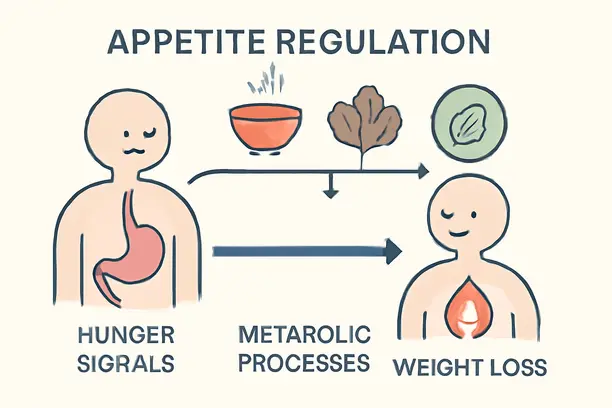
“Trim” weight loss products—including soup-based systems and appetite-suppressing supplements—work by influencing energy balance, hunger regulation, and metabolic flexibility. Soup-based programs like the Rapid Soup Diet rely on calorie-density reduction and satiety signals, combined with nutrient blends that claim to support metabolism and reduce inflammation.
The foundation here is “volumetrics”—the idea that high-water, high-fiber foods like soups make you feel full on fewer calories. Clinical evidence shows that liquid-preload meals can decrease how much you eat afterward, with chunky soups inducing earlier satiety than higher-calorie solid foods Source: National Institutes of Health.
Some products also tout “lymphatic support” using minerals like potassium and magnesium, or collagen to aid fluid balance and waste removal—though these claims aren’t well established scientifically.
Key Ingredients and Their Scientific Rationale
- Soup Protocol (Rapid Soup Diet): Uses low-calorie, high-volume recipes with broth, non-starchy vegetables, and protein. This approach leverages satiety cues to reduce overall intake, supported by outpatient trials. Most evidence, however, favors sustained dietary changes over short-term meal replacements.
- Protein and Collagen: Added to some trim soups for muscle maintenance and satiety. Protein increases thermogenesis and reduces appetite, while collagen may support skin and joint health—though its role in body composition needs more investigation Source: NIH.
- Potassium and Magnesium: These minerals support blood pressure, muscle function, and may help control cravings. Still, supplementation beyond dietary needs doesn’t directly speed fat loss.
- Low-Insulin Load (Keto-Lite Focus): Some variations encourage low-carb meals to minimize insulin spikes, promoting fat usage. Short-term studies suggest lowered insulin may support fat mobilization, but lasting weight loss depends on calorie balance and adherence Source: Nutrition & Metabolism.
Summary of Clinical Evidence and Limitations
Meta-analyses show that soup or milk-based meal replacements can produce 3–5% weight loss over weeks when substituting high-calorie meals. Most studies involve overweight adults over 4–12 weeks, with improvements in blood sugar, blood pressure, and satiety.
However, few studies extend beyond three months, leaving long-term effectiveness uncertain. Older adults and those with chronic conditions are often underrepresented.
Appetite-suppressing trim supplements lack robust clinical support, with many claims based on limited evidence. Look for peer-reviewed trials showing real effects on hunger, metabolism, or adherence—not just weight loss.
While some people achieve rapid loss on programs like the 14-Day Rapid Soup Diet, weight loss typically plateaus as your body adapts. Long-term success requires continuing mindful eating beyond the initial phase.
Where Evidence Shines, and Where It’s Still Emerging
- Strong evidence: Low-calorie, broth-based soups increase satiety and reduce calorie intake, supporting modest short-term weight loss.
- Emerging/weak evidence: Claims about lymphatic cleansing, collagen- or mineral-enhanced fat burning, and hormonal resets lack rigorous confirmation. Most effects stem from lowered calorie consumption and improved adherence.
- Adherence is key: You’ll get the greatest benefits when you commit fully to the program. Support tools like detailed guides and videos can help you stay consistent 14-Day Rapid Soup Diet guides.
Anyone considering trim products should balance rapid results with the work needed for long-term behavior change. For more on how calorie deficits support sustainable fat loss, see our guide on how calorie deficits actually work, and for balanced views on prescription weight loss options, consult our weight loss medication benefits and risks explainer.
In short, trim products help by making lower-calorie eating more manageable and satisfying—but your success hinges on adherence and lasting habit changes.
Safety, side effects, and supplement risks
Trim weight loss approaches can be effective, but safety should always come first—especially if you’re considering supplements or prescription options. Knowing what to watch for helps you avoid setbacks and stay on track.

Assessing the safety of trim weight loss strategies requires understanding each ingredient’s profile. Prescription medications like GLP-1 agonists (semaglutide, liraglutide), orlistat, and phentermine are regulated but carry distinct side effect profiles and contraindications.
For instance, GLP-1 agonists may cause gastrointestinal distress and rarely, pancreatitis or gallbladder disease, especially with prolonged use Source: FDA.
Supplements often include herbal extracts like green tea or garcinia cambogia, fiber, caffeine, and minerals. These are less regulated for purity or efficacy in many regions. While generally safe for most people, ingredients like green tea extract or berberine might impact liver function or interact with other medications Source: National Institutes of Health.
Common and Notable Side Effects
- Prescription medications:
- Nausea, vomiting, diarrhea, constipation (common with GLP-1 agonists)
- Fatigue, dry mouth, headache, insomnia (stimulant-based pills)
- Fatty stools and vitamin deficiencies (orlistat)
- Supplements:
- Jitters, rapid heart rate, anxiety (high-dose caffeine, yohimbine)
- Stomach upset, gas, loose stools (fiber blends, some herbs)
- Potential liver injury (high-dose green tea extract, usnic acid, concentrated fat burners)
Side effect frequency and severity vary by product and individual. Stimulant supplements, for example, may raise blood pressure—posing risk to older adults or those with cardiovascular conditions.
Supplement Risks and Regulatory Warnings
Some weight loss supplements have drawn safety alerts or bans due to hidden pharmaceuticals like sibutramine or ephedra, which can cause serious heart issues. Regulatory agencies, including the U.S. FDA, maintain warning lists of problematic brands and ingredients Source: FDA.
Be cautious of:
- Imported or unlabeled products
- Proprietary blends lacking exact ingredient amounts
- Unrealistic claims like “no diet or exercise required” or “miracle” cures
Pregnant or breastfeeding women, minors, and individuals with chronic heart, liver, or kidney conditions should avoid unsupervised weight loss supplements or medications.
Who Should Not Use These Products
- People with eating disorder history should avoid stimulant-based or appetite suppressants to prevent relapse.
- Those on blood thinners, insulin, blood pressure drugs, or mood stabilizers must consult a doctor before use due to potential interactions.
- Individuals with personal or family cancer histories—especially thyroid or pancreatic—should only use GLP-1 drugs under medical guidance.
Severe symptoms such as chest pain, intense abdominal pain, jaundice, confusion, or rash require immediate medical attention.
Learn more about prescription weight loss medication risks at our comprehensive explainer.
When to Seek Medical Attention
- Persistent vomiting, diarrhea, or dehydration
- Sudden swelling, hives, or breathing difficulties
- Signs of liver problems: nausea, dark urine, yellowing eyes
- Uncontrolled blood pressure or irregular heartbeat
If such symptoms appear while using a trim weight loss product, stop immediately and seek urgent care. Never try to endure serious reactions.
How to Make Safer Choices
- Always consult healthcare professionals before starting weight loss prescriptions or supplements.
- Check regulatory warnings and seek clinical trial evidence rather than marketing claims.
- Favor long-term, habit-focused plans over quick fixes with uncertain safety.
- Choose programs with full ingredient transparency and clear disclaimers, avoiding miracle promises.
For a safer, structured approach, digital meal plans like the 14-Day Rapid Soup Diet system provide clear ingredient details and professional guidance—no risky supplements required.
Clinician credentials, oversight and commercial disclosures
Before you trust any trim weight loss program, make sure you know who’s behind it. Licensed professionals and transparent oversight can make all the difference for your safety and results.
Knowing who oversees your trim weight loss program is essential for confidence and safety. Reputable programs involve licensed healthcare practitioners—physicians (MD, DO), nurse practitioners (NP), or registered dietitians (RDN/RD)—all generally required to hold active state or regional licenses verifiable through medical boards.
Prescription-based programs, especially those using GLP-1 agonists, typically involve a medical provider reviewing your history, labs, and goals before authorizing treatment. Telehealth platforms often display provider names, medical degrees, license numbers, and specialties within onboarding or client portals.
Lack of transparent clinician information is a warning sign. For comparative insights, see our overview on prescription weight loss medications online.
Routine follow-up—virtual or in-person—is usually managed by the same clinician or a weight management team. If side effects or health changes occur, clear protocols ensure you can contact clinical staff immediately. Emergency situations should always be handled through local health services.
Top programs provide 24/7 medical support lines and maintain documentation to monitor safety and outcomes Source: CDC on clinical standards.
Specialties and Qualifications Commonly Involved
- Obesity Medicine Physicians (ABOM-certified): Experts in comprehensive weight management.
- Family Physicians/Internists: Provide general medical oversight and prescribe weight loss drugs.
- Registered Dietitians: Deliver customized nutrition plans and counseling.
- Behavioral Counselors: Address psychological aspects and relapse prevention Source: Obesity Medicine Association.
Health coaches may support digital programs but should work under clinician supervision—they don’t replace professional medical advice.
Prescription Review, Care Management, and Adverse Event Handling
Every prescribed medication or significant dietary intervention requires review by a licensed practitioner considering your medical history and current treatments. Ongoing care includes progress monitoring and side effect management.
Adverse events should be reported promptly to clinical teams whose credentials are transparent. Urgent health issues necessitate emergency care. The best programs maintain internal reviews ensuring patient safety and clinical quality.
Separation of Clinical Advice and Commercial Content
Clear separation between medical recommendations and commercial interests is fundamental. Trusted programs base clinical advice strictly on health needs, free from supplement or product sales influence.
If clinicians sell branded supplements or meal kits, such affiliations must be explicitly disclosed.
For example, “doctor-designed detox” programs selling branded supplements should include disclaimers making clear the distinction between sales and unbiased medical advice. Plans like the 14-Day Rapid Soup Diet can complement—but don’t substitute—personalized medical evaluation.
The FTC provides guidelines on compliant health marketing to ensure transparency Source: FTC guidance.
Commercial Disclosures
Any weight loss recommendation influenced by business arrangements—commissions, affiliate fees, or proprietary programs—should be plainly disclosed. This site marks affiliate relationships openly, for example with links to the Rapid Soup Detox.
Clinical decisions remain independent, and you’re urged to consult licensed professionals before starting new regimens.
For broader weight management strategies emphasizing ethics and motivation, see our comprehensive guide to rapid weight loss protocols.
Outcomes, KPIs and testimonial transparency
Results matter, but so does honesty about what you can expect. Here’s how to spot real progress—and real transparency—in trim weight loss programs.
Reliable programs define core metrics such as:
- Percent body weight lost: Calculated from initial and subsequent weigh-ins at standardized intervals (e.g., 2, 4, 8, or 12 weeks).
- Retention rate: The proportion of participants completing the program and adhering to prescribed steps.
- Satisfaction scores: Anonymous user surveys employing validated scales to assess plan ease, hunger control, and overall experience.
To avoid selective reporting, outcomes are presented as group averages including all completers—not only top performers. For instance, an average of 1.2 lbs lost per week over 8 weeks reflects the total sample rather than exceptional cases.
Typical Results and How They’re Tracked
Evidence-based diet plans often achieve 1–2 pounds per week loss, especially early on. The 14-Day Rapid Soup Diet reports some cases of up to 14 lbs lost in 14 days, though average users tend to lose around 1–1.5 lbs per week after initial water weight stabilizes.
Program progress monitoring typically includes:
- Weekly weigh-ins under consistent conditions
- Body circumference measurements (waist, hips) to track fat loss vs. muscle gain
- Self-reported hunger and energy levels at key milestones
Retention rates vary but tend to be highest in plans with simple preparation and no exercise mandates. Satisfaction ratings among completers often range from 75–90%, though dissatisfied or non-completing users may be underrepresented.
Independent reviews on realistic weight loss measurement can be found at the Obesity Action Coalition.
Testimonials: Selection, Verification, and Disclaimers
While dramatic testimonials are common, responsible programs verify stories and disclose typical results. Look for programs that clarify individual results vary and provide average outcomes alongside standout success stories.