
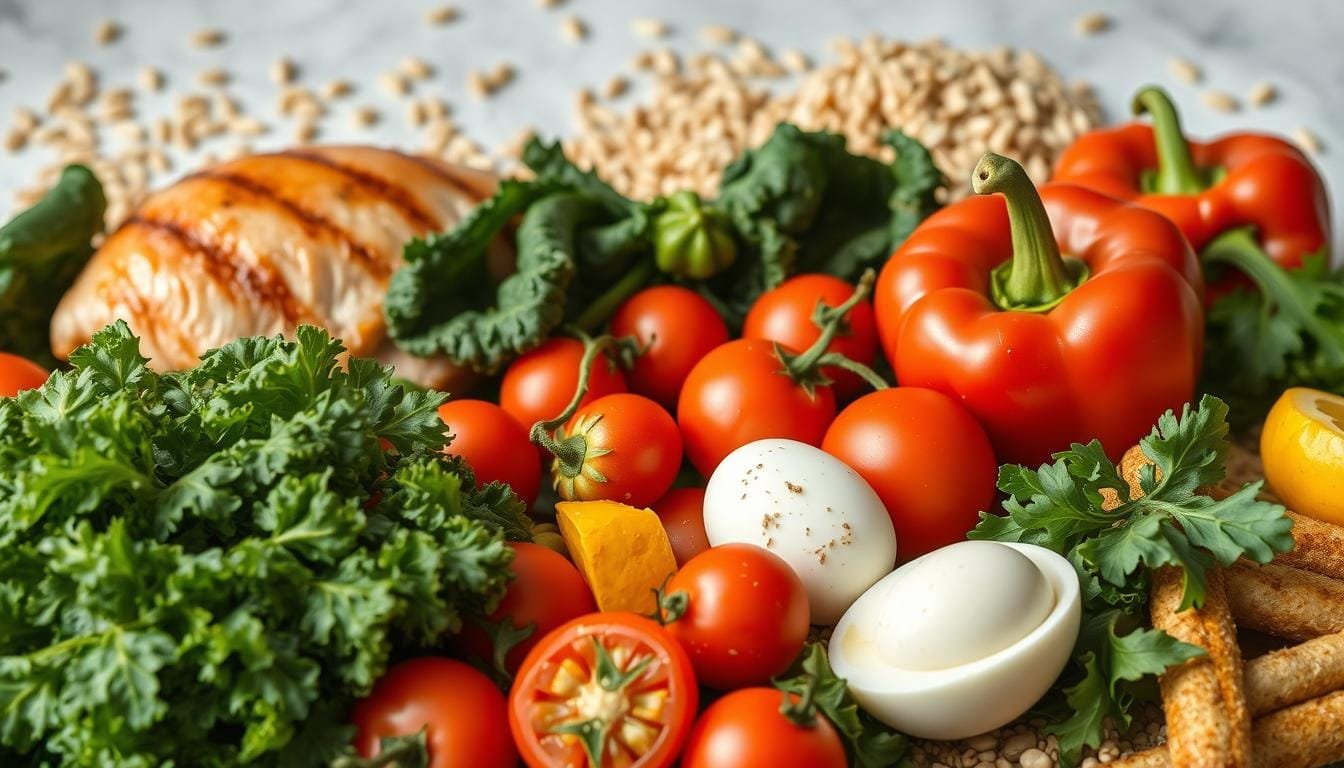
Sarah stared into her fridge, feeling that familiar frustration. She wanted to lose a few pounds but hated the idea of being hungry all the time. Salads left her unsatisfied, and restrictive diets never lasted. She craved meals that were both nutrient-rich and genuinely filling—so she started by asking what are low calorie foods that actually keep you full.
This is a common struggle. The secret isn’t eating less, but eating smarter. It’s about choosing options that pack a powerful nutritional punch without a high calorie cost. If you’ve ever wondered what are low calorie foods, think of items that deliver volume, fiber, and protein with minimal calories. These are the kinds of foods that support a healthy weight journey effectively.
This guide introduces 30 satisfying choices. They deliver essential vitamins and minerals, helping you feel full and energized. If you’re asking what are low calorie foods, you’ll find clear answers and examples here. The goal is sustainable weight loss, not deprivation.
A balanced approach is key. Beyond simply asking what are low calorie foods, pair these picks with calorie-dense, nutrient-rich foods like avocados, nuts, and eggs to create truly satisfying meals. You’ll discover fantastic options from fruits and vegetables to proteins and legumes.
Ready to transform your meals? Let’s explore these 30 delicious and filling foods that make healthy eating simple and enjoyable.
Key Takeaways
- Nutrient-dense options provide more satisfaction with fewer calories.
- A balanced diet includes both low-calorie and calorie-rich, nutritious foods.
- The right food choices support sustainable weight management.
- Feeling full and energized is crucial for long-term success.
- This guide offers 30 specific foods to incorporate into your daily meals.
Understanding What Are Low Calorie Foods
Imagine enjoying generous portions while still managing your weight effectively – this is the power of smart food choices. These options deliver satisfaction without excessive energy intake.
Defining Low Calorie Foods
These items contain fewer energy units per serving while providing substantial volume. They help you feel full without consuming many calories.
The best choices deliver maximum nutrition with minimal energy cost. They pack essential vitamins, minerals, and other beneficial compounds.

Nutrient Density vs. Calorie Density
This crucial distinction separates truly beneficial options from empty ones. Nutrient-dense selections provide high nutritional value per calorie consumed.
Water and fiber content play vital roles in creating satisfying meals. These components add bulk and promote fullness despite lower calorie counts.
Focusing solely on calorie numbers misses the complete picture. The goal is finding items that offer the best nutritional value for your energy intake.
This approach helps prevent overeating throughout the day. It supports sustainable weight management through intelligent food selection.
The Role of Low Calorie Foods in Weight Loss
Eating for weight management doesn’t mean sacrificing portion size or satisfaction when you choose the right options. These strategic selections work by allowing generous meals while supporting your calorie targets.
Most people aiming for healthy weight loss target around 1,500 calories daily for women and 1,800 for men. To lose approximately one pound weekly, reducing intake by 500 calories becomes necessary.

How They Promote Fullness
These nutrient-rich foods create satisfaction through their high fiber and protein content. Both nutrients slow digestion, keeping you comfortably full between meals.
The volume boost from these ingredients helps prevent overeating that often derails loss efforts. You can enjoy substantial portions while staying within your daily energy needs.
Fiber-rich options trigger natural satiety signals in your body. This creates genuine satisfaction rather than deprivation during your weight journey.
Combining these strategic foods with adequate protein makes reducing calories much more manageable. The right balance of fiber and nutrients supports sustainable progress toward your goals.
Health Benefits Beyond Low Calories
The advantages of these nutrient-packed choices extend far beyond the scale. Embracing them is an investment in your overall well-being, offering a powerful array of health benefits that support your body from the inside out.

Vitamins, Minerals, and Antioxidants
These items are treasure troves of essential vitamins and minerals. You’ll find vitamin C for a robust immune system and vitamin K for strong bones. Potassium is also good for maintaining healthy blood pressure.
Furthermore, they are rich in antioxidants. These compounds protect your cells from damage. This cellular defense may lower the risk for certain chronic conditions, contributing to long-term health.
Fiber Benefits for Digestive Health
The fiber content in these options is a superstar for digestion. It promotes regularity and feeds the beneficial bacteria in your gut. A healthy gut is foundational to overall wellness.
Fiber offers benefits for your heart and metabolism, too. It helps manage cholesterol levels and supports stable blood sugar. Swapping a morning donut for an apple dramatically boosts your intake of these protective compounds.
This simple change cuts calories while flooding your body with nutrients. The health gains are immediate and lasting.
High Water Content Foods for Hydration and Satiety
The secret to generous portions without excess calories lies in choosing ingredients that are naturally packed with water. These options provide remarkable volume that triggers your body’s fullness signals.
Foods with substantial water content add weight and bulk to your meals. This physical presence in your stomach helps you feel satisfied while consuming fewer calories overall.
Hydrating Fruits and Vegetables
Watermelon stands out as an excellent source of hydration with only 46 calories per cup. It delivers refreshing satisfaction along with vitamins A, B6, and C.
Cucumbers contain an impressive 95% water content. A half-cup serving provides just 8 calories, making them perfect for adding volume to salads and snacks.
Celery offers high water content with minimal calorie impact. One cup contains only 17 calories, ideal for pairing with protein-rich dips.
Iceberg lettuce provides excellent volume with just 8 calories per cup. Despite its reputation, it still offers vitamins K, A, and folate.
| Food Item | Water Percentage | Calories per Cup | Key Nutrients |
|---|---|---|---|
| Watermelon | 92% | 46 | Vitamins A, B6, C |
| Cucumber | 95% | 8 (½ cup) | Vitamin K, Potassium |
| Celery | 95% | 17 | Vitamin K, Folate |
| Iceberg Lettuce | 96% | 8 | Vitamins K, A, Folate |
These hydrating fruits and vegetables support weight management while contributing to daily hydration needs. Incorporate them into salads, smoothies, and snacks to increase meal volume without significantly impacting calorie intake.
Filling Fruits: Nutrients and Fiber for Weight Management
When cravings strike, nature offers the perfect solution with fruits that satisfy both hunger and nutritional needs. These natural snacks deliver fiber, vitamins, and antioxidants while keeping calorie counts manageable.
Apples, Strawberries, and Citrus Options
Apples provide excellent value with 62 calories per cup of sliced fruit. They deliver nearly 3 grams of dietary fiber along with vitamin C, vitamin E, and zinc.
Strawberries contain only 53 calories in one cup. They offer more vitamin C than oranges and are rich in fiber, manganese, and antioxidants.
Citrus choices like oranges provide about 3 grams of fiber. Grapefruit meets 100% of daily vitamin C needs and offers high vitamin A levels.
Other Nutritious Fruit Choices
Blackberries serve as an excellent source of vitamins C and K. They’re packed with antioxidants that support heart and bone health.
Papaya contains just 68 calories per small fruit. It’s rich in provitamin A, vitamin C, folate, and potassium for overall wellness.
| Fruit | Calories per Cup | Fiber (grams) | Key Nutrients |
|---|---|---|---|
| Apple | 62 | 3 | Vitamin C, E, Zinc |
| Strawberry | 53 | 3 | Vitamin C, Manganese |
| Orange | 85 | 3 | Vitamin C |
| Grapefruit | 97 | 2 | Vitamins A, C |
| Blackberry | 62 | 8 | Vitamins C, K |
Keep these fruits on hand for quick snacks and smoothies. They provide natural sweetness while supporting your health goals effectively.
Vegetables That Boost Health and Support Weight Loss
The vegetable aisle holds the key to creating satisfying meals that support your wellness goals without sacrificing flavor. These nutrient-packed options form the foundation of any successful eating plan.
Incorporating more vegetables into your daily routine provides substantial benefits for overall health. They deliver essential vitamins and minerals while keeping energy intake manageable.
Leafy Greens and Cruciferous Varieties
Spinach offers remarkable value with just 7 calories per cup. It’s packed with vitamin K, provitamin A, and folate. The compounds lutein and zeaxanthin support eye health.
Kale contains only 49 calories per cooked cup while providing over 100% of daily vitamin C and K needs. It’s also rich in manganese and copper for metabolic function.
Broccoli delivers 54 calories per cooked cup and exceeds daily vitamin C requirements. This cruciferous vegetable may help reduce disease risk through its protective compounds.
Brussels sprouts offer 70 calories per cooked cup with excellent vitamin C content. They support immune function and protect cells from oxidative damage.
| Vegetable | Calories per Cup | Key Nutrients | Health Benefits |
|---|---|---|---|
| Spinach | 7 | Vitamin K, Folate | Eye protection, bone health |
| Kale | 49 (cooked) | Vitamins C, K | Immune support, blood clotting |
| Broccoli | 54 (cooked) | Vitamin C, Fiber | Heart health, disease prevention |
| Bell Peppers | 24 | Vitamin C, Lycopene | Anti-inflammatory, heart support |
| Tomatoes | 27 | Lycopene, Potassium | Stroke prevention, cancer protection |
These vegetables transform salads and meals into nutrient-dense creations. They support weight management while promoting long-term health through their rich vitamin and mineral content.
Low-Calorie Protein Sources for Sustained Satiety
Feeling satisfied between meals is a game-changer for weight management, and protein is your most powerful ally. Many excellent sources deliver high amounts of this nutrient with a modest calorie count.
These options help you feel full longer, reducing the urge to snack. They support muscle maintenance while you work towards your goals.
Check This
- Soup Detox Diet: When Your Cravings Want a Cleanse but Your Liver Rolls Its Eyes
- 14 Day Cleanse: Science, Belly Laughs, and The Truth About “Detox”
Animal-Based Options: Eggs and Lean Meats
Chicken breast is a go-to choice. A 3.5-ounce serving provides an impressive 32 grams of protein for just 158 calories.
Turkey breast is another lean poultry option. It offers 30 grams of protein and 147 calories per serving. It’s also a good source of zinc and B vitamins.
White fish like cod provide about 19 grams of protein and 134 calories. They contain nutrients that support heart health.
Shrimp delivers nearly 23 grams of protein with only 119 calories. Eggs are a versatile source, providing over 12 grams per two large eggs.
Dairy options are fantastic. Nonfat Greek yogurt has 16 grams of protein and 92 calories per portion. Cottage cheese is a powerhouse with 28 grams per cup.
Plant-Based Alternatives: Tofu and Legumes
For plant-based diets, tofu is an excellent source. A half-cup provides 21.8 grams of complete protein.
Edamame offers over 18 grams of protein per cup. It also contains fiber, iron, and calcium for comprehensive nutrition.
These options prove that you don’t need to sacrifice satisfaction. They provide the fuel your body needs to thrive.
| Protein Source | Protein (grams) | Calories per Serving | Key Nutrients |
|---|---|---|---|
| Chicken Breast | 32 | 158 | Lean |
| Turkey Breast | 30 | 147 | Zinc, Selenium, B12 |
| Shrimp | 22.8 | 119 | Iron, Selenium |
| Greek Yogurt (Nonfat) | 16 | 92 | Calcium, Probiotics |
| Tofu | 21.8 | 181 (½ cup) | Complete Protein |
Smart Food Pairings: Balancing High and Low Calorie Foods
Think of your plate as a canvas. High-volume, nutrient-rich items provide the foundation. More calorie-dense, equally nutritious foods act as powerful accents.
This strategy creates incredibly satisfying meals. It supports your goals without feeling restrictive. Items like eggs, nuts, and avocados are energy-dense but packed with essential nutrients.
Pairing them with high-volume choices is key. A large salad topped with a smaller portion of grilled salmon is a perfect example. The greens provide bulk and fiber.
The salmon adds high-quality protein and healthy fats. This combination keeps you full for hours. It prevents energy crashes between eating times.
Another great idea is apple slices with a handful of almonds. The fruit offers sweetness and volume. The nuts contribute healthy fats and crunch.
This approach ensures you get a wide range of nutrients. You maintain a healthy deficit in total calories. Your journey becomes more sustainable and enjoyable.
| Base (Low-Calorie) | Accent (Nutrient-Dense) | Resulting Meal |
|---|---|---|
| Large Mixed Greens Salad | 1/2 Avocado, 2 oz Feta | Filling, rich in fiber and healthy fats |
| 2 Cups Steamed Broccoli | 4 oz Grilled Chicken Breast | High-protein, very satisfying |
| 1 Cup Greek Yogurt | 2 Tbsp Walnuts, Berries | Creamy, crunchy, packed with protein |
Building your meals this way is a game-changer. It turns dieting into a creative and pleasurable experience. You nourish your body completely while managing your weight effectively.
Creative Meal and Snack Ideas for Healthy Eating
Putting together delicious, satisfying meals doesn’t have to be complicated or time-consuming. These creative approaches make healthy eating enjoyable while keeping your nutrition goals on track.
Simple preparation methods can transform basic ingredients into exciting dishes. The key is combining flavors and textures that keep you engaged with your food choices.
Sheet Pan Meals and Stir-Fries
Sheet pan dinners offer incredible convenience with minimal cleanup. Place chicken breasts alongside colorful vegetables like broccoli, bell peppers, and carrots on a single pan.
Drizzle with olive oil and seasonings for a complete, balanced meal. The oven does most of the work while you enjoy free time.
Stir-fries provide another quick option for busy weeknights. Chicken and vegetable combinations pair perfectly with cauliflower rice or quinoa.
For plant-based preferences, tofu curry combines protein-rich tofu with sautéed vegetables in aromatic sauce. Shrimp tacos make light yet satisfying dinners when served in corn tortillas.
DIY Snack Recipes for On-the-Go
Between-meal hunger doesn’t have to derail your progress. Keep these simple snack ideas ready for when cravings strike.
Cottage cheese with fresh tomatoes or fruit provides a protein boost. Turkey slices wrapped around apple wedges offer sweet and savory satisfaction.
Roasted chickpeas seasoned to your preference deliver crunchy fiber. Tuna mixed with Greek yogurt instead of mayonnaise creates a lighter protein option.
String cheese paired with almonds makes a balanced combination. These snacks provide lasting energy without excessive calories.
Experiment with these ideas to discover your personal favorites. Healthy eating becomes a creative adventure rather than a restrictive chore.
Strategies for Meal Planning and Portion Control
Taking charge of your eating habits requires two key skills: planning ahead and understanding portions. These strategies work together to support your healthy weight goals.
Start by creating a weekly menu that includes a variety of nutrient-rich foods. Balance your meals with appropriate portions of lean protein and healthy fats.
Portion control techniques make a big difference. Use smaller plates and measure servings initially. Fill half your plate with vegetables at each meal.
Planning meals in advance prevents impulsive choices. This helps you avoid consuming excess calories that can derail your weight management efforts.
| Planning Strategy | Portion Technique | Weekly Benefit |
|---|---|---|
| Weekly Menu Creation | Half-Plate Vegetables | Consistent Nutrition |
| Weekend Batch Cooking | Smaller Plate Sizes | Time Savings |
| Pre-portioned Snacks | Initial Measuring | Reduced Overeating |
Batch-cook staples like roasted vegetables and grilled chicken on weekends. Keep pre-portioned snacks ready for busy days.
Remember that everyone’s nutritional needs differ. There’s no universal approach to achieving a healthy weight. Working with a registered dietitian provides personalized guidance, especially for chronic conditions.
Sustainable weight management comes from consistent habits. Meal planning makes this consistency achievable.
How to Swap High-Calorie Foods for Lighter Options
Simple ingredient swaps can revolutionize your eating habits without sacrifice. Many people discover they actually prefer the fresher, lighter taste of these alternatives.
Start your morning with a powerful change. Instead of a donut with eggs, try an apple or sautéed vegetables. This switch dramatically cuts calories while adding fiber and protective plant compounds.
Cauliflower works wonders as a versatile substitute. Use it instead of white rice or regular flour. Cauliflower pizza crust becomes a creative, satisfying alternative.
Transform pasta night with vegetable noodles. Zucchini or spaghetti squash reduce calories while increasing your vegetable intake. These options add nutrients to familiar dishes.
For creaminess without guilt, choose Greek yogurt over sour cream or mayonnaise. This swap boosts protein while lowering overall calorie content. Your recipes maintain their rich texture.
Replace sugary drinks with infused water or unsweetened tea. Sparkling water with fresh fruit provides hydration without empty calories. This simple change supports your goals.
Instead of chips, enjoy crunchy vegetables with hummus. Celery, carrots, and bell peppers offer satisfying snacks with far fewer calories. Lettuce wraps make excellent substitutes for bread in sandwiches.
These swaps aren’t about deprivation—they’re about smart upgrades. You’ll enjoy your meals while supporting your health journey effectively.
Building a Balanced Diet for Healthy Weight Management
The foundation of sustainable weight management lies in nourishing your body with a diverse array of essential nutrients. Rather than focusing solely on numbers, prioritize foods that deliver maximum nutritional value.
Your body requires adequate energy daily to function optimally. Choosing items based on nutrient density ensures you get the most benefits per calorie consumed.
Incorporating Fiber, Protein, and Vitamins
Fiber plays a crucial role in digestive wellness and heart function. Found in whole vegetables, fruits, grains, and legumes, this nutrient supports metabolic health.
Adequate protein intake preserves muscle mass during weight loss. It also promotes satiety and maintains overall body function.
Different colored fruits and vegetables provide various antioxidants and phytonutrients. These compounds offer comprehensive health protection.
Specific nutrients deserve special attention. Vitamin C supports immune function, while vitamin K benefits bone strength. Folate is essential for proper cell division.
Minerals like potassium and magnesium support heart and muscle function. Eating a variety of produce alongside protein-rich foods creates optimal balance.
| Essential Nutrient | Primary Benefits | Food Sources |
|---|---|---|
| Fiber | Digestive health, heart support | Whole grains, legumes, vegetables |
| Protein | Muscle preservation, satiety | Lean meats, dairy, plant proteins |
| Vitamins | Immune function, bone health | Fruits, vegetables, whole foods |
| Minerals | Heart function, metabolic support | Nuts, seeds, leafy greens |
This balanced approach reduces chronic disease risk while improving energy levels. It enhances overall quality of life during your weight management journey.
Real-Life Examples of Low-Calorie Food Combinations
These real-world combinations prove that satisfying nutrition doesn’t require complex recipes or planning. Simple pairings create balanced options that keep you full and energized.
Try one ounce of part-skim mozzarella with almonds for a snack containing 250 calories per combined serving. This delivers 13 grams of protein and 3 grams of fiber.
Half a cup of low-fat cottage cheese provides under 90 calories with 14 grams of protein. Mix in fresh tomatoes or berries for added flavor and nutrients.
Pair a medium apple with turkey slices for about 157 calories total. This combination offers 12 grams of protein and 3 grams of fiber.
Roasted chickpeas make a crunchy alternative to chips. One cup serving contains 210 calories with 10.7 grams of protein and impressive 9.6 grams of fiber.
Light tuna in water provides 21 grams of protein for just 98 calories per three-ounce serving. Mix with Greek yogurt for creamy salads or sandwiches.
For portable options, beef jerky delivers 14 grams of protein in a 1.5-ounce serving. Celery sticks with almond butter offer crunch with potassium and folate.
Build satisfying salads with mixed greens and colorful vegetables. Add grilled chicken or tofu for complete meals that support your goals effectively.
Incorporating what are low calorie foods in Everyday Meals
Transforming your daily eating habits into a sustainable, enjoyable routine is simpler than you think. Begin each morning with a powerful choice. A vegetable-packed omelet with a side of fresh berries provides lasting energy.
For lunch, build your plate around a large base of leafy greens. Add a lean protein source and colorful vegetables for a satisfying, nutrient-dense meal. This creates volume and keeps you full.
Keep pre-cut vegetables and washed fruits readily available. This makes healthy snacking the easiest choice. Preparation is key to success.
Make dinner plates “half vegetables” by default. Fill half your plate with roasted or steamed options before adding other components. This strategy naturally controls portions.
Boost your favorite recipes by adding extra vegetables to pasta dishes and soups. This increases nutrition without changing flavors. Variety is essential for maintaining interest.
When dining out, request extra vegetables instead of starchy sides. Start with salads to increase satisfaction. View these ingredients as delicious additions that make every meal more colorful and flavorful.
Expert Tips for a Satisfying Weight Management Plan
Nutrition experts emphasize that sustainable weight management requires personalized strategies rather than universal formulas. What works perfectly for one person may not suit another’s needs.
Advice from Registered Dietitians
Registered dietitians stress that individual differences matter greatly. Your ideal plan considers age, activity level, and any health conditions. There’s no single approach that fits everyone.
Focus on adding nutritious options rather than restricting yourself. Build meals around lean protein and high-fiber vegetables. This creates lasting satisfaction.
Plan satisfying snack combinations that prevent extreme hunger. Listen to your body’s hunger and fullness signals instead of rigid calorie counting.
For those with conditions like diabetes or heart health concerns, professional guidance is especially valuable. Sustainable weight loss develops through lifelong patterns you can maintain comfortably.
If you feel confused or overly concerned about calories, consider speaking with a qualified healthcare professional. They provide personalized support for both physical and mental health.
Conclusion
Your journey toward better health is built one smart choice at a time. The 30 filling options we’ve explored offer delicious ways to reduce calories while boosting your intake of essential nutrients like fiber, vitamins, and antioxidants.
Remember that these foods are tools, not complete solutions. Your body needs adequate energy daily to function optimally. The smartest approach combines these items with appropriate protein and healthy fats.
The health benefits extend far beyond weight loss. These nutrient-rich choices support heart function, digestive wellness, and immune strength. They help reduce disease risk while keeping you satisfied.
Focus on adding variety rather than restricting yourself. Sustainable success comes from enjoyable patterns that nourish both body and preferences. Start small by incorporating a few new options this week.
You now have practical knowledge to support your weight loss journey while properly nourishing your body. These low-calorie foods make healthy eating both achievable and delicious.
FAQ
What makes a food a good choice for weight management?
The best choices are often packed with nutrients like vitamins and minerals but have a low calorie count. Many are high in fiber or have a high water content, which helps you feel full and satisfied. This combination supports a healthy weight.
Can I really feel full while eating meals with fewer calories?
Absolutely! Foods rich in fiber and protein are excellent for promoting satiety. Adding items like leafy greens, legumes, and lean proteins to your plate increases volume without adding many calories, helping you stay full longer.
Besides helping with weight loss, what other health benefits do these foods offer?
They are a fantastic source of essential nutrients. Many fruits and vegetables provide antioxidants that support heart health, while the fiber aids digestive health. You also get a good dose of potassium and folate.
How can I use high water content foods in my diet?
Hydrating fruits and vegetables like celery, strawberries, and cucumbers are perfect for salads, snacks, and meals. Their high water content adds bulk to your diet, helping with hydration and making meals more filling.
What are some simple ways to start incorporating these foods into my day?
Start with easy swaps! Try adding a variety of vegetables to stir-fries or sheet pan meals. For a snack, pair an apple with a tablespoon of peanut butter. Small changes can make a big difference in your overall nutrient intake.