
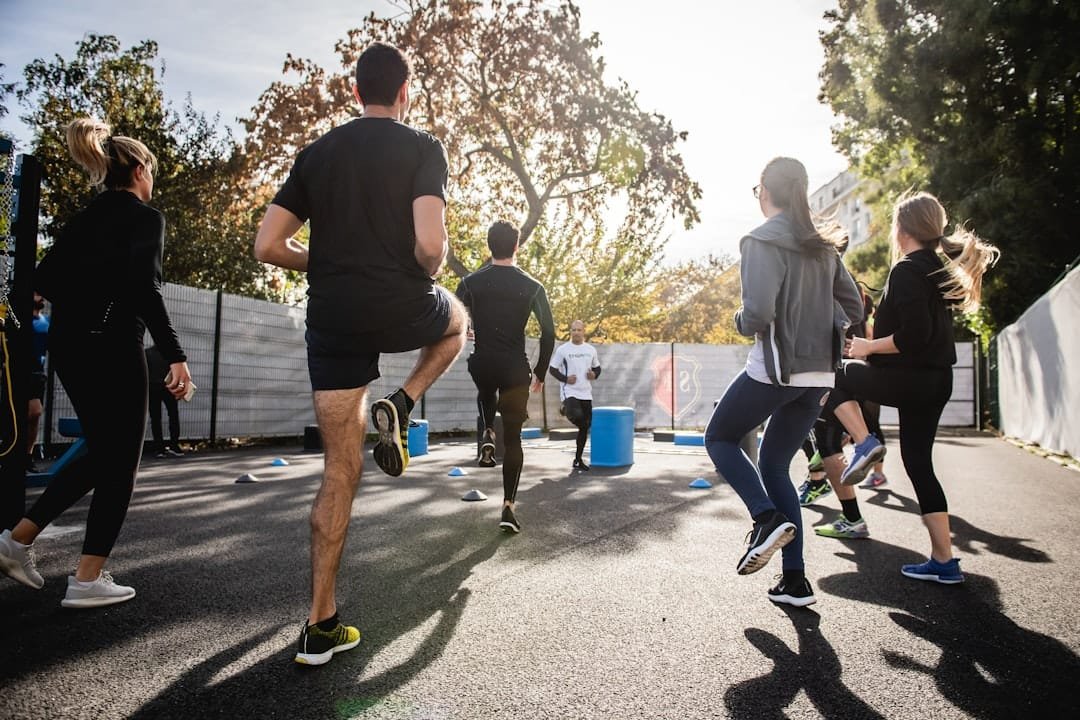
Remember racing bikes with friends until sunset or playing tag until your sides hurt? For Sarah, a graphic designer in Chicago, those childhood memories felt distant. She dreaded treadmills and counted gym minutes like tax deadlines—until she tried a salsa class on a whim—proof that exercise and fitness activities can be laughter, rhythm, and a reason to look forward to Tuesdays.
Many adults share Sarah’s struggle. The CDC recommends 150–300 minutes of moderate weekly movement—about 30 minutes daily. But hitting this goal doesn’t require forcing yourself through routines you hate. Exercise and fitness activities can be dancing, brisk walks with a friend, cycling, or even yard work—whatever sparks your energy. Like Sarah discovered, the secret lies in finding exercise and fitness activities you genuinely enjoy.
This guide isn’t about strict regimens. It’s about reigniting that childhood excitement where staying active felt like play. Whether you’re a busy parent or someone who hasn’t laced up sneakers in years, we’ll explore creative options that fit your life. From sunrise yoga in the park to turning chores into dance parties, you’ll learn how to weave vitality into everyday moments.
Key Takeaways
- Aim for 30 minutes of daily movement to meet health guidelines
- Enjoyment boosts consistency more than rigid routines
- Childhood play offers inspiration for adult activities
- Options exist for every schedule and ability level
- Small changes create lasting habits
Explore a Variety of exercise and fitness activities for Every Lifestyle
Ever felt like traditional routines drain your energy? You’re not alone. The secret to sticking with movement lies in choosing what sparks joy—not what feels obligatory. Think back to childhood games that left you breathless from laughter, not exhaustion.
Discover What Moves You
Your personality shapes your ideal routine. Introverts might thrive with solo yoga flows, while social butterflies prefer Zumba parties. Morning people could start with sunrise swims, and night owls might opt for evening martial arts. There’s no universal “best” workout—only what works for you.
Build Your Movement Menu
Start by assessing three factors: available time, current energy levels, and what excites you. A 15-minute living room dance-off counts as much as a weekend hike. Rotate through different activity ideas seasonally—try paddleboarding in summer and indoor rock climbing when temperatures drop.
Variety isn’t just the spice of life; it’s the glue for consistency. When one routine feels stale, switch to another from your personal “movement menu.” This approach keeps both body and mind engaged, making daily exertion feel less like work and more like play with purpose.
Outdoor Adventures to Boost Your Heart Rate
Nature’s playground offers more than just scenery—it’s your ultimate workout partner. Breathing crisp air while moving through changing landscapes engages both body and mind. Studies show sunlight exposure during outdoor activities can increase vitamin D levels and elevate mood naturally.
Brisk Walking, Running, and Cycling
Transform neighborhood strolls into heart-pumping sessions. Alternate your pace every few minutes—30 seconds of speed walking followed by 90 seconds at a casual stride. This interval approach keeps heart rate in the moderate intensity zone while exploring new routes. Local parks often have hidden trails perfect for mixing up your routine.
Dust off that bike hiding in the garage. Start with flat paths in nearby communities, gradually tackling gentle hills as stamina improves. Cycling’s low-impact nature makes it ideal for joint health while strengthening leg muscles. Many cities now offer bike-share programs for spontaneous rides.
Rock Climbing and Other Nature Escapes
Indoor climbing gyms provide safe environments to build strength before tackling real rock faces. Focus on grip techniques and foot placement during initial sessions—skills that translate beautifully to outdoor adventures. Local crags often have routes for various skill levels, turning vertical challenges into achievable goals.
For alternative outdoor activities, try trail hiking with photo challenges or sunrise yoga in open fields. Always carry water, wear breathable layers, and inform someone about your planned route. These precautions ensure adventures stay exhilarating without compromising safety.
Creative Indoor and Home Workouts
Ever found yourself staring at a gym membership bill while your sneakers gather dust? Transforming your living space into a personal wellness hub eliminates commute time and rigid schedules. With endless online resources and household items doubling as equipment, staying active becomes accessible—and surprisingly fun.

YouTube Classes, Dance, and Yoga Routines
Digital platforms burst with free content for every preference. Channels like Yoga With Adriene guide beginners through body-strengthening flows, while dance tutorials turn kitchens into cardio zones. Eight tracks of your favorite playlist can fuel a full sweat session—no choreography skills needed.
Vinyasa yoga challenges muscle groups through dynamic sequences, whereas restorative practices ease tension. Mix styles weekly to keep routines fresh. For spontaneous movement, crank up upbeat tunes and let loose between Zoom calls.
Home Gym Alternatives for Every Space
Small apartments thrive with foldable mats and resistance bands. Use chairs for tricep dips or stairs for step workouts. Creative setups prove effective—textbooks become weights, towels transform into sliders.
Invest in versatile gear like adjustable dumbbells if budget allows. Store equipment in decorative baskets to maintain clutter-free zones. Consistency grows when your workout corner stays inviting and ready for action.
Social and Group Fitness Activities
Laughter echoes louder when shared—especially during movement. Partnering with others transforms routines into celebrations, where accountability meets camaraderie. Nearly 65% of people stick with programs longer when participating in group settings, according to a Journal of Social Sciences study.

Walking Groups and Collaborative Exercises
Neighborhood walking groups blend fresh air with friendship. Many communities organize sunrise strolls or evening power walks—perfect for catching up while boosting heart rates. Indoor options like mall meetups offer climate-controlled routes, ideal for summer heat or winter chills.
New to social settings? Try arriving 10 minutes early to chat with one person first. Most groups welcome beginners—look for “no-pace-left-behind” descriptions online.
Dance Classes and Community Sports
Salsa nights and swing class sessions turn coordination drills into date nights. These rhythmic gatherings improve balance while sparking joy—one study showed dance participants report 40% higher mood boosts than solo gym-goers.
Recreational team sports like kickball leagues or pickleball tournaments reignite playground energy. Local parks often host beginner-friendly matches where high-fives matter more than scoreboards. As league player Mia Torres notes: “Our volleyball net became where I found my workout crew and my bridesmaids.”
Struggling to find options? Check community boards or apps like Meetup—or start your own group with three simple rules: all skill levels welcome, positivity required, and post-activity coffee encouraged.
Exploring Unconventional and Fun Ways to Stay Active
Who says staying active needs rules? Rediscover that childhood spark where playtime doubled as full-body movement. These creative approaches turn exertion into adventure, blending nostalgia with modern wellness benefits.
Trampoline, Rollerblading, and Water Exercises
Bouncing isn’t just for kids. Trampoline sessions boost heart health while being gentle on joints—every jump engages core muscles and improves coordination. Local parks often host free-jumping hours, or try mini rebounder trampolines at home.
Dust off those rollerblades hiding in the garage. Gliding through neighborhoods strengthens thighs and calves while sharpening balance. For water lovers, try “aqua tag” games or resistance walking in pools—cooling workouts that tone muscle groups without sweat.
Team Sports, Circuit Workouts, and More
Transform your backyard into a circuit training zone. Use garden benches for step-ups, trees for timed sprints, and hula hoops for core twists. Community leagues offer low-pressure options like kickball or ultimate frisbee—perfect for social butterflies.
Gardening counts too! Digging and planting work arms and shoulders while reducing stress. For mental challenges, try orienteering—navigation races through local trails that cross-train body and mind.
Conclusion
What if your daily movement felt less like a task and more like rediscovering joy? The secret to staying active lies in embracing what makes your spirit soar—whether that’s moonlight paddleboarding or kitchen dance-offs between meetings.
Consistency thrives when routines align with your personality. Start with five-minute bursts if needed—a walk with your dog counts as much as a gym session. Gradually mix in new challenges to engage different muscle groups and keep motivation fresh.
Invite friends to join your journey. Shared laughter during pickleball matches or sunrise stretches strengthens bonds while boosting heart health. Remember: progress matters more than perfection.
Always prioritize safety. Those managing health conditions should consult professionals before trying new physical activity. Once cleared, pick one idea from this guide—maybe Friday night rollerblading or lunchbreak yoga flows—and schedule it this week.
Your body deserves movement that sparks delight, not dread. The path to vitality begins with a single step—or hop, skip, or cartwheel.
Check This
- Weekly Workout Plan for Weight Loss: A Simple 7-Day Routine to Burn Fat and Boost Energy
- Abs Workout 6 Pack: The Ultimate Routine to Sculpt Strong, Defined Core Muscles
FAQ
How do I choose activities that fit my lifestyle?
Start by assessing your schedule, preferences, and goals. If you love nature, try brisk walking or rock climbing. For busy routines, YouTube yoga or home-based circuit workouts save time while keeping you energized.
What outdoor options boost cardio without equipment?
Running, cycling, or hiking are excellent for elevating your heart rate. Trails, parks, or even neighborhood routes work well. Add intervals, like alternating speeds, to maximize intensity.
Are trampolines effective for building strength?
Yes! Rebounding engages core muscles, improves balance, and burns calories. Pair it with bodyweight moves like squats or lunges for a full-body burn. Plus, it’s a playful way to stay motivated.
Can I stay active at home without a gym setup?
Absolutely. Use household items like chairs for tricep dips or water bottles as light weights. Follow dance tutorials, yoga flows, or HIIT sessions online—many require minimal space and zero gear.
How do group activities enhance motivation?
Social settings foster accountability and fun. Join a local walking group, sign up for salsa classes, or play community soccer. Sharing goals with others often leads to longer-lasting commitment.
What’s a safe way to start rock climbing as a beginner?
Begin at indoor climbing gyms with certified instructors. They’ll teach proper techniques and harness use. Start with easier routes to build grip strength and confidence before tackling outdoor cliffs.
Are water-based workouts suitable for all fitness levels?
Definitely. Swimming laps, aqua aerobics, or even pool noodle resistance drills are gentle on joints while improving endurance. Adjust intensity by speed or adding weights for a challenge.