
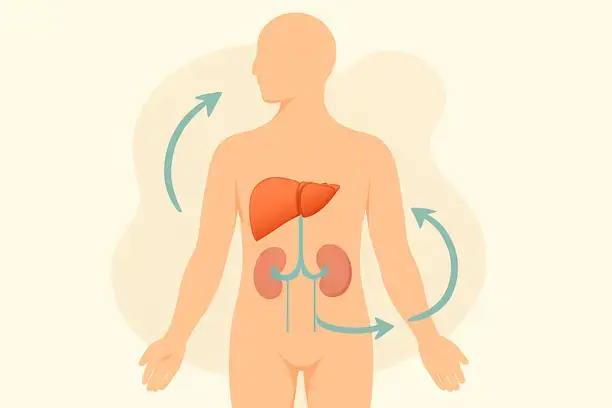
How the Body Detoxifies Itself Naturally
12 day detox claims often ignore the fact that your body is already equipped with powerful detoxification systems that work around the clock. The liver is the star, acting as your body’s filter through a sophisticated two-phase process. Phase one uses liver enzymes to convert toxins into intermediate forms that can sometimes be more reactive. Then phase two steps up, transforming these byproducts into water-soluble compounds your body can safely eliminate through bile or urine Source: CDC.
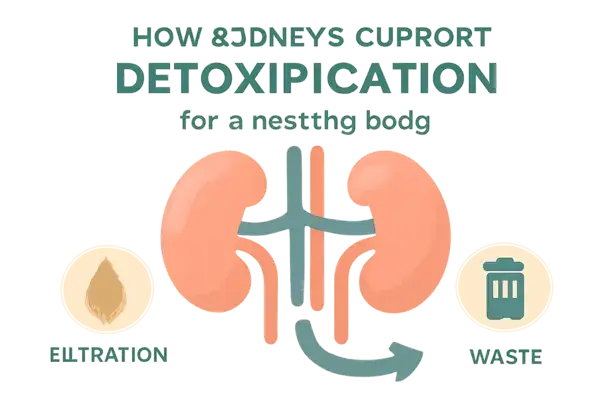
Your kidneys work hand-in-hand with the liver, constantly filtering blood and removing waste products like urea, excess salts, and medications. When they’re healthy, your kidneys maintain the delicate balance of fluids and electrolytes while efficiently eliminating toxins through urine—no drastic cleanse required Source: National Kidney Foundation.
Your digestive tract also acts as a crucial defense system. The gut lining and beneficial bacteria help break down food and neutralize potential toxins before they reach your bloodstream. Regular bowel movements clear out waste and unwanted byproducts efficiently.
Don’t overlook your lungs—they expel volatile compounds and carbon dioxide with every breath. Even your skin plays a role by releasing small amounts of metabolic waste and shielding you from external threats.
Together, these organs work tirelessly behind the scenes. For most healthy people, the idea of “toxic build-up” is a myth—despite what many 12-day detox programs claim. Scientific evidence doesn’t support the notion that commercial cleanses can outperform what your body already does naturally Source: National Center for Complementary and Integrative Health.
If you want to support your body’s detox systems, focus on healthy habits and balanced nutrition instead. For more on nutrient-dense foods that promote wellness, check out our guide to nutrient-dense foods for weight loss.
Evaluating the Evidence: What Science Says About 12-Day Detoxes
The hype around 12-day detoxes promises toxin removal, boosted health, and rapid fat loss. But what does the science actually say? Major health authorities and systematic reviews paint a more cautious picture.
Recent systematic reviews reveal that short-term detox diets—including those lasting around 12 days—don’t accelerate toxin elimination beyond what your healthy kidneys and liver already handle. Your body efficiently filters and expels most common toxins on its own; no diet has been reliably shown to improve on these built-in processes Source: British Dietetic Association.
Many detox programs deliver quick weight loss, but most of that is water and glycogen—not fat. Studies consistently find the weight returns after the diet ends, with no lasting metabolic or health benefits established Source: Journal of Human Nutrition and Dietetics.
Authoritative sources like the National Center for Complementary and Integrative Health point out that most claimed effects—such as increased energy, improved digestion, and clearer skin—lack scientific proof. Evidence of sustained improvements in weight or health markers is limited, especially compared to a balanced, nutritious diet Source: NCCIH.
For those seeking healthier alternatives to restrictive detox plans, a sustained, balanced eating pattern yields more documented benefits without the risks of intense short-term diets. You might explore a sustained, balanced eating plan as a safer approach.
How can I detox my body in 2 weeks?
Your body detoxifies constantly through organs like the liver, kidneys, and digestive system. Supporting these systems over two weeks means adopting healthy eating, staying hydrated, and avoiding harmful substances—not following extreme detox plans.
What does a 14-day cleanse do?
A 14-day cleanse typically aims to promote quick weight loss and improve certain health markers. However, scientific evidence doesn’t confirm lasting toxin removal or health benefits beyond what your body naturally achieves on its own.
Risks, Side Effects, and Who Should Avoid Detoxes
While a 12-day detox might sound appealing, it can bring discomfort and real health risks. Common side effects include headaches, fatigue, irritability, and digestive issues like diarrhea or constipation. You might also experience muscle aches, trouble concentrating, and blood sugar drops—especially if the detox involves severe calorie restriction or abrupt removal of major food groups.
Certain people should steer clear of detox programs or only attempt them under medical supervision. This includes pregnant or breastfeeding women, children and teens, and individuals with diabetes, kidney disease, or other chronic conditions. Those with a history of eating disorders face particular risks from restrictive detox plans.
Strong laxative cleansing teas and unsupervised juice fasts can disrupt electrolytes and cause dehydration—sometimes serious enough to require hospitalization Source: NHS.
Extreme detox approaches—consuming only liquids, using over-the-counter kits, or making severe calorie cuts—may lead to dangerous complications. Watch for these warning signs and stop immediately if you experience them:
- Severe dizziness or fainting spells
- Rapid heartbeat or chest pain
- Ongoing vomiting or diarrhea
- Confusion or prolonged weakness
- Severe dehydration (very dark urine, no urination, extreme dry mouth)
Since detox diets are largely unregulated and claims about toxin elimination lack scientific support, caution is crucial Source: Mayo Clinic.
Ultimately, a balanced eating pattern is safer and more sustainable than drastic detoxes. If you’re seeking long-term benefits, consider a nutritionally sound detox meal plan or consult a registered dietitian. Real health improvements come from realistic, science-based changes—not quick-fix trends.
Beyond the Cleanse: Building Sustainable Healthy Habits
Finishing a 12-day detox might feel like hitting the reset button, but lifelong wellness depends on what you do next. Instead of sliding back into old patterns or jumping to the next extreme diet, focus on sustainable, evidence-based practices that support lasting health gains.

Start by making whole foods the foundation of your daily meals. Fill most of your plate with vegetables, lean protein, whole grains, fruits, nuts, and healthy fats. The aim is nourishment, not restriction. Gradually reintroduce foods and note how your body responds—avoid the temptation to binge on processed snacks or sugar.
Consistent hydration really matters. Make water your primary drink and carry a reusable bottle to keep up the habit. Pair hydration with balanced meals throughout the day for steady energy and fewer cravings.
Exercise need not be punishing to be effective. The key is finding movement you enjoy and sticking with it. Brisk walking, cycling, swimming, and group fitness classes all count. For tips on staying motivated, explore these motivation-boosting workout tips.
Quality sleep and stress management are equally important. Set a regular sleep schedule, limit screens before bed, and practice relaxation techniques like meditation or deep breathing. These build overall well-being and mental resilience Source: CDC.
Finally, let go of the “detox or diet” mindset. Progress comes from small, steady improvements rather than temporary overhauls. For structured guidance, review best habits for a healthy lifestyle.
How to Vet Detox Programs and Practitioner Credentials
Checklist for Evaluating a 12 Day Detox Program
Before starting any 12-day detox, take a critical look at both the program and whoever is promoting it. Detox plans often make sweeping promises or use buzzwords with no scientific basis. If a program claims it can “flush toxins” or “reset your metabolism” without real proof, that’s your cue to be skeptical.
Remember, your body already has organs specifically built for detoxification. Leading medical organizations affirm there’s no scientific support for most commercial detox regimens Source: National Center for Complementary and Integrative Health.
- Check credentials: Look for true health professionals like Registered Dietitians (RD), board-certified physicians (MD or DO), or those with accredited nutrition or medical training. Be wary of “certified detox specialists” without recognized qualifications.
- Request evidence: Credible programs refer to published clinical studies or official guidelines instead of relying on anecdotal testimonials.
- Watch for marketing tactics: High-pressure sales, auto-ship subscriptions, or expensive “exclusive” supplements marketed as essential should raise immediate red flags.
Ask about the risks, especially if a plan restricts calories, eliminates entire food groups, or uses laxatives or diuretics. These can harm people with health conditions or those taking medications Source: U.S. Food and Drug Administration.
Always cross-check claims with independent health resources or your healthcare provider before starting any restrictive detox. For safer, balanced options targeting weight loss, see resources like this structured detox diet meal plan.
Sources
- British Dietetic Association – Detox Diets
- CDC – Healthy Eating Basics
- Centers for Disease Control and Prevention – Liver Health
- U.S. Food and Drug Administration – Detoxes and Cleanses Safety Facts
- National Kidney Foundation – How Kidneys Work
- National Center for Complementary and Integrative Health – Detoxes and Cleanses: What You Need to Know
- NHS – Are Detox Diets Safe?
- Mayo Clinic – Detox Diets FAQ
- Journal of Human Nutrition and Dietetics – Detox Diets and Their Effects