
How Long to Wait: Reconciling Contradictory Advice
Can I workout after getting a tattoo? The short answer: you should wait at least 48 hours before any exercise, as minimizing infection risk and supporting proper healing are essential for preserving your new ink.
Here’s what matters most: the first 48 hours are critical. Fresh tattoos are open wounds, so vigorous exercise during this window is strongly discouraged. Sweat, friction, or stretching can introduce bacteria and disrupt clot formation, interfering with the early inflammatory and healing phases. For large or high-friction tattoos, it’s best to avoid even light activity during this period.
After that initial window, when you can resume exercise depends on your tattoo’s size, location, and your workout intensity:
- Small tattoos on low-movement areas: Light workouts can sometimes resume after 2–3 days, with careful hygiene and close observation for irritation.
- Large tattoos or those on joints/areas under pressure: Strenuous exercise should wait at least one week, sometimes two, to allow new skin to form securely and maintain ink integrity.
- Swimming, contact sports, or heavy sweating: These activities are generally unsafe until full healing, which typically takes 2–4 weeks depending on individual factors.
Keep in mind that immune health and aftercare quality affect healing speed and susceptibility to complications. When you’re uncertain, consult your tattoo artist or a board-certified dermatologist—especially if you observe signs of infection or delayed healing.
Prioritizing patience in the early days safeguards both your art and health. If avoiding full workouts feels challenging, low-impact alternatives can help you maintain fitness motivation without compromising recovery.
Defining Tattoo Size & Placement for Your Timeline
When you can return to exercise after a tattoo largely depends on understanding your tattoo’s size and placement. Healing times and workout restrictions vary accordingly.
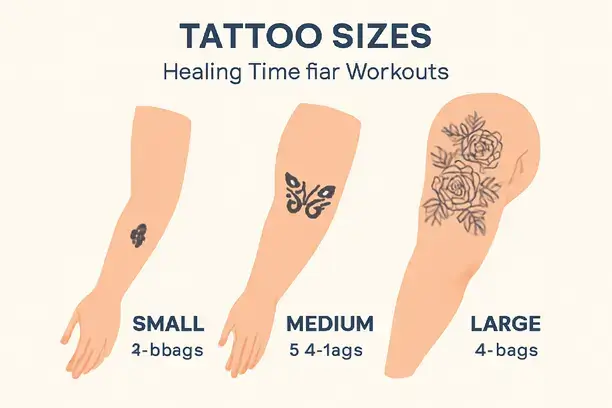
Small tattoos usually cover less than three square inches—about the size of a postage stamp or large coin. These often appear on wrists, ankles, or behind ears. Light activity may safely resume after 48–72 hours if the area isn’t stressed or rubbed by workout gear. Still, you’ll want to avoid heavy sweating or friction for the first 5–7 days to prevent irritation.
Medium tattoos cover roughly three to six square inches, similar to hand-sized designs on forearms, calves, or upper arms. These require longer healing—moderate workouts should wait 5–7 days, with full sweating and stretching avoided until about 10 days or after scabs resolve. Medium tattoos on joints like elbows or knees need extra care because repetitive motion delays recovery.
Large tattoos exceed six square inches or span broader areas such as shoulders, thighs, or the back. These require the most patience. Wait at least two weeks before significant physical activity and potentially up to a month before full workouts, especially those causing friction or pressure. Excessive movement raises sweat and friction that may trap bacteria and disrupt healing.
Placement intensifies these considerations. High-friction zones—inner thighs, knees, armpits, lower back—or high-mobility spots like wrists, elbows, and shoulders generally take longer to heal and are more sensitive to exercise-induced irritation. Tattoos under straps or gym apparel should prompt additional rest or looser clothing choices.
To stay active without compromising your tattoo during healing, prioritize exercises that avoid putting pressure or strain on your fresh ink. Daily monitoring of redness, swelling, and scabbing is key. Signs of worsening inflammation or discharge deserve pause and professional evaluation.
Safe Workouts & Exercises to Avoid
You don’t have to halt all fitness activity after getting tattooed, but safety comes first. In the first 48–72 hours, focus on very gentle movements like short walks or light stationary cycling that promote blood flow without stressing the tattooed skin.
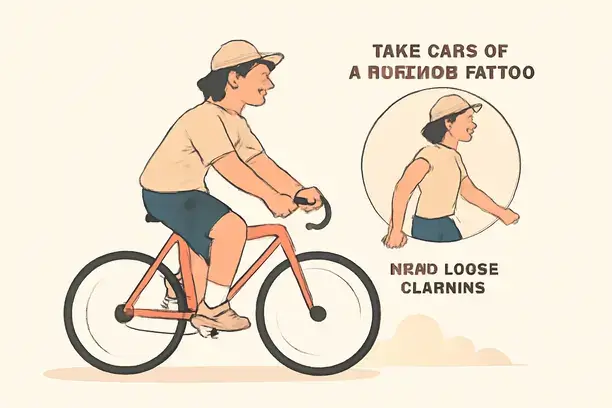
Avoid full-body workouts and any exercise applying pressure, sweat, or friction to fresh tattoos during this phase. Loose, breathable clothing helps reduce irritation.
For the first week, completely avoid swimming, hot tubs, saunas, or natural waters to reduce infection risk. Also steer clear of contact sports, heavy lifting, or vigorous cardio if they impact tattooed areas—especially limbs or major muscle groups. Even moderate stretching can disrupt scabs and delay healing.
You’ll need to modify workouts to protect your tattoo. For example:
- Choose lower-body exercises like steady cycling for shoulder or back tattoos to avoid upper-body strain.
- For leg tattoos, opt for seated cable rows, light curls, or core work lying down that don’t contact the tattooed skin.
As healing progresses beyond two weeks—or when peeling and itching subside—you can gradually reintroduce heavier training and cardio. Always clean and sanitize surfaces and shower promptly after sweating.
If redness, seepage, or pain emerges during workouts, reduce intensity and consult a professional. Patience with workouts during healing protects your tattoo and keeps your motivation sustainable.
Using Protective Bandages (Saniderm/Second Skin) for Exercise
Protective bandages like Saniderm or Second Skin can shield a new tattoo from bacteria, friction, and sweat, making them popular for those wanting to return to light exercise sooner. These clear, flexible films create a sterile, water-resistant barrier that limits exposure to gym germs and accidental bumps.
While helpful during the earliest healing days, these bandages aren’t a license for intense workouts. Most manufacturers and tattoo artists recommend keeping the wrap on for 3–5 days or as directed, especially when you’re expecting sweat or contact.
Light activities such as gentle cardio or isolated movements are appropriate with the bandage on, provided they avoid stretching or pressing the tattoo. This helps minimize risk from moisture and bacteria.
However, heavy sweating can cause moisture buildup under the wrap, leading to skin maceration, delayed healing, or trapped bacteria. If fluid accumulates or the bandage becomes soaked, remove it slowly under warm water, clean the tattoo as instructed, and refrain from gym sessions until the tattoo’s drier and less sensitive.
Removal should be gentle to avoid damaging healing skin. Avoid picking or dry removal, which can cause scabbing or ink loss. After removal, limit exposure and continue rigorous aftercare to protect the healing skin.
In summary, these modern wraps offer a buffer to safely resume basic movement and gentle workouts earlier—but they don’t replace the need for full skin barrier recovery before intense or contact exercise. Always follow your artist’s advice and listen to your body’s signals for the best long-term results.
Recognizing Infection & Managing Pain
It’s crucial to identify infection signs early to avoid serious complications while working out with a healing tattoo. Key symptoms include:
- Redness spreading beyond the tattooed area
- Thick yellow or green pus discharge
- Fever, chills, or overall malaise
- Increasing pain that worsens rather than improves
- Red streaks radiating from the tattoo site
Encountering any of these symptoms requires halting all exercise immediately and seeking prompt medical or professional advice. Increased blood flow from physical activity can exacerbate infection and delay healing.
Mild irritation like itchiness, pinpoint redness, and slight tenderness are part of normal healing. However, severe pain disrupting sleep, throbbing sensations, or worsening swelling shouldn’t be ignored.
For managing discomfort, keep the tattoo clean and protected from friction caused by tight clothing. Over-the-counter pain relievers such as acetaminophen can help, but avoid anti-inflammatory drugs like ibuprofen or aspirin unless approved by your doctor, since they may increase bleeding risks.
If pain is severe enough to interfere with daily life or accompanied by escalating swelling, seek professional guidance and pause workouts. Responsible pain management and infection awareness are essential to protect your fresh ink and facilitate a safe exercise return.
When to Stop: Pain Thresholds & Medical Red Flags
Knowing when to pause exercise is key for tattoo healing. Mild discomfort—something like a sunburn sensation—is expected, but pain exceeding a mild 3–4 out of 10 on a pain scale signals a warning. Sharp, stabbing, or throbbing pain especially during movement indicates excessive strain on the healing area.
Listen to your body closely:
- Stop immediately if redness, swelling, pus, or warmth develops, as these suggest infection.
- Seek urgent medical attention for red streaks beyond the tattoo, systemic symptoms like fever, or severe pain unrelieved by rest.
- Don’t ignore numbness, tingling, or loss of function near the tattoo—these are serious signs needing prompt evaluation.
Respecting pain limits and heeding medical red flags not only protects your health but also ensures your tattoo heals properly. This thoughtful approach allows you to return to your fitness routine stronger and keeps your artwork vibrant for years.
Check This
Sources
- American Academy of Dermatology – Tattoo Care
- American Academy of Dermatology – Tattoo Care Guidelines
- American Academy of Dermatology – Tattoo Aftercare
- Centers for Disease Control and Prevention – Tattoo Safety
- Centers for Disease Control and Prevention – Tattoo Aftercare
- Cedars-Sinai – Tattoo Healing Tips
- Mayo Clinic – Tattoos and Piercings FAQ
- NHS – Tattoo and Piercing Safety
- NHS – Tattoo Aftercare
- Saniderm – Tattoo Aftercare and Working Out