Complete Father’s Day Breakfast Recipe Guide with Safety & Methodology
Father’s Day breakfast is special because it blends classic recipes with safe, precise techniques—giving you a delicious meal and peace of mind all at once.
Creating a breakfast worth remembering takes more than just good recipes. The real difference between a meal that lands and one that falls flat usually comes down to methodology — the right temperatures, accurate measurements, and smart safety habits that protect both flavor and the people at your table.
Precision Baking: The 375°F Scone Standard
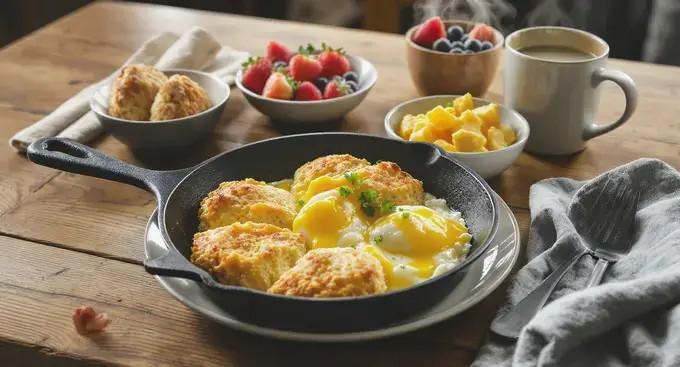
For classic buttermilk scones with a golden crust and tender crumb, oven temperature is everything. A moderate heat — around 375°F — gives the baking powder time to activate properly while letting the butter build those satisfying flaky layers without scorching. Bake until the tops are lightly browned and a toothpick inserted in the center comes out clean.
For consistent results, measure dry ingredients by weight rather than volume. Cut cold, cubed unsalted butter into the dry mix until it resembles coarse crumbs. Keep everything cold — warm butter is the enemy of good scones.
Egg Safety: Non-Negotiable Protocols
When poached or lightly cooked eggs are on the menu, food safety isn’t optional. Fresh eggs can carry Salmonella bacteria even when the shells look perfectly clean. The USDA recommends cooking eggs until both the whites and yolks are fully set to reduce risk. Source: USDA Food Safety
For Father’s Day poached eggs, make sure the whites are fully set and the yolks have started to thicken. A food thermometer takes the guesswork out of it. If you’re serving anyone with a compromised immune system, pregnant women, young children, or older adults, fully cooked egg dishes are the safer call.
Methodology Matters: Step-by-Step Success
Hollandaise sauce requires patience more than anything else. Whisk egg yolks and lemon juice vigorously in a stainless steel bowl set over gently simmering water until the mixture thickens and roughly doubles in volume.
Then drizzle in hot melted butter slowly — never all at once — while you keep whisking. Once the butter is fully incorporated and the sauce is glossy and thick, pull it off the heat. Serve immediately over your eggs benedict, and don’t let any egg-based sauce sit at room temperature for more than two hours.
Round out the meal with fresh fruit and quality coffee. Smart food handling applies to every component — wash all produce thoroughly, keep cold items chilled until serving, and use separate cutting boards for raw ingredients and ready-to-eat foods.
What is the easiest thing to make for breakfast?
A simple breakfast casserole or one-pan scramble is hard to beat for ease. Both involve combining ingredients in a single vessel and letting the heat do the work, which keeps active prep time and cleanup minimal. Better yet, make a casserole the night before so all you need to do Father’s Day morning is slide it into the oven.
How to Adapt Recipes for Dietary Needs
An inclusive Father’s Day breakfast means nobody has to sit out. Whether your dad or your guests follow a vegan, vegetarian, or gluten-free lifestyle, the right ingredient swaps can keep every dish just as satisfying — without making anyone feel like they got the consolation plate.
Vegan & Vegetarian Swaps: Beyond the Chorizo
Traditional breakfast chorizo is surprisingly easy to replace. Soy-based chorizo crumbles, seasoned tempeh, or TVP patties spiced with smoked paprika and cumin all deliver that savory, slightly smoky punch in breakfast tacos or scrambles. For a whole-food approach, mashed black beans with taco seasoning or crumbled walnuts sautéed in soy sauce and smoked paprika create a genuinely meaty texture.
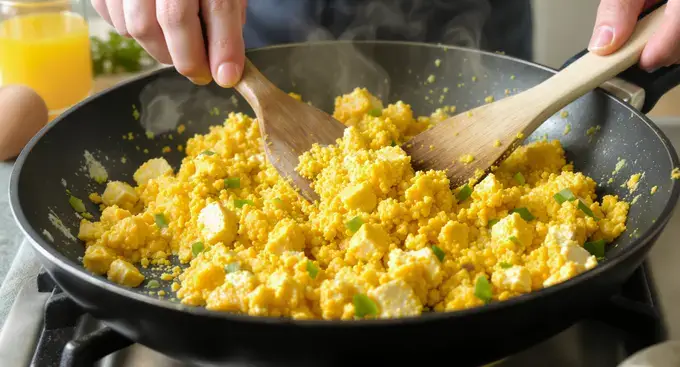
For vegan egg dishes, silken tofu blended with turmeric and black salt (kala namak) makes a surprisingly convincing scramble. Chickpea flour whisked with water and nutritional yeast works beautifully as a batter for French toast or breakfast casseroles — still protein-rich, totally plant-based.
Gluten-Free Flour Mastery for Pancakes & Waffles
Gluten-free pancakes are about more than swapping one flour for another. Most commercial 1:1 GF baking blends perform well, but understanding why they behave differently helps. A reliable homemade blend typically balances a whole grain flour, a starch, and a protein-rich flour in measured proportions.
A few key adjustments make a real difference: a pinch of xanthan gum adds structure, and slightly increasing liquid content compensates for the way GF flours absorb moisture. Letting the batter rest before cooking gives it time to hydrate properly. For extra lift, fold in whipped egg whites or swap regular liquid for carbonated water. The goal is pancakes that are genuinely great — not just “pretty good for gluten-free.”
Dairy-Free Cheese Solutions for Casseroles
Dairy-free cheese has come a long way, and breakfast casseroles don’t have to suffer without it. Store-bought vegan cheeses made with tapioca starch or coconut oil melt well. For homemade solutions, nutritional yeast delivers cheesy umami depth, and soaked cashews blended with lemon juice and garlic create a luxuriously creamy sauce.
When adapting recipes, consider these approaches:
- Use unsweetened plant milk thickened with cornstarch or arrowroot powder as a white sauce base
- Add miso paste or tahini for depth when nutritional yeast isn’t available
- Layer thinly sliced potatoes or sweet potatoes to provide structure instead of relying on cheese binding
- Top with crushed nuts or gluten-free breadcrumbs mixed with olive oil for a crispy, satisfying finish
These swaps mean everyone can dig into the same casserole dish. For more family-friendly ideas that work across dietary styles, explore our guide to healthy family meals on a budget.
Balancing Nutrition Across Dietary Styles
Whatever substitutions you’re making, keep nutritional balance in mind. Every plate should have protein, healthy fats, and complex carbohydrates. Plant-based proteins like lentils, chickpeas, or hemp seeds work well alongside meat alternatives to keep things satisfying.
For gluten-free guests, lean on naturally GF whole grains — quinoa, buckwheat, or certified oats — to bring in the fiber that refined GF products often lack. Good dietary adaptation isn’t just about leaving things out. It’s about replacing them thoughtfully so everyone feels genuinely included at the table. For more guidance on balanced eating, visit our resource on establishing a healthy eating lifestyle.
Planning Quantities for a Crowd
Feeding a crowd on Father’s Day doesn’t have to involve frantic last-minute math. Each recipe in our collection includes exact serving yields — whether it’s built for 6, 8, or 12 guests — so you know exactly where you stand before you even start shopping.
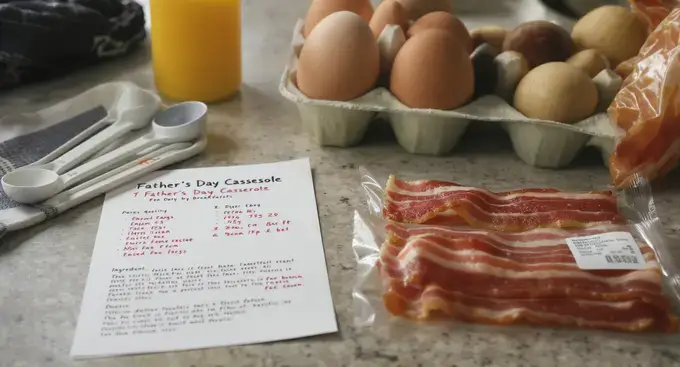
Scaling most recipes is straightforward: double the quantities for double the guests. The one exception worth noting is spices and leavening agents, which don’t always scale at a 1:1 ratio. As a general rule, increase seasonings by about 1.5 times when doubling a recipe rather than going for a full double — otherwise things can get overpowering fast.
Standard Breakfast Buffet Quantities Per Person
For a balanced buffet spread, here’s a reliable starting point for classic breakfast items per adult:
- Eggs: Several eggs per person.
- Bacon or Sausage: A few slices or links per person.
- Pancakes/Waffles: A couple of pieces per person.
- Potatoes: A hearty portion per person.
- Fresh Fruit: A generous serving per person.
- Pastries/Bread: One or two pieces per person.
For a buffet-style setup, it’s smart to plan for a little extra — appetites vary, and a full, abundant spread always feels more festive than a sparse one.
Building Complementary Sides & Grocery Lists
A great Father’s Day spread has rhythm. Pair your main protein dish with complementary sides that round out the table. If the main serves 8, a potato hash and a large fruit salad fill things out beautifully without overcomplicating the prep.
Tailored grocery lists based on guest count take the mental load out of shopping entirely. A sample list for a typical gathering might include eggs, bacon, pancake mix, potatoes, mixed berries, juice, and coffee. For more meal ideas that scale well for groups, check out our guide to easy weeknight dinners for a large family.
Always build in a small buffer for a celebratory meal. A little extra is a far better problem than running short. With these quantities and scaling principles in hand, you can host a relaxed, delicious feast that genuinely honors Dad.
What is a good menu for Father’s Day?
A solid Father’s Day menu mixes classic favorites with a few thoughtful touches. Aim for a balance of savory and sweet — a main egg dish, a baked good, a fresh fruit salad, and quality coffee covers all the bases. The real key is anchoring the meal in the things your dad actually loves while making it feel a little more special than a regular weekend morning.
Building a Balanced Father’s Day Menu with Nutritional Context
Knowing the approximate calorie counts and macronutrient profiles of what you’re serving helps you build a Father’s Day breakfast that feels celebratory without going completely off the rails — especially if health goals are part of the picture.
For dads focused on protein and satiety, a classic steak and eggs plate checks both boxes easily. A smoked salmon scramble with eggs and spinach delivers similar protein with a lighter overall feel.
Keeping carbs lower? Avocado egg boats are an elegant, filling option. A breakfast skillet with sausage, peppers, and cheese is another crowd-pleaser that stays satisfyingly hearty without leaning on bread or grains.
For balanced, traditional options, these profiles work well across most dietary preferences:
- French toast with whole grain bread, eggs, and fresh berries
- Breakfast burrito with scrambled eggs, black beans, and avocado
- Protein pancakes topped with Greek yogurt
Per the Acceptable Macronutrient Distribution Range (AMDR) guidelines, a well-balanced meal should include a healthy mix of protein, carbohydrates, and fat. Most of the options above land comfortably within those ranges.
When putting the full menu together, mix and match to create balance across the table — pair a protein-forward main with lighter sides like fresh fruit or roasted vegetables. For more inspiration, our guide to healthy breakfast ideas for weight management is a great resource, as is our guide to understanding macronutrient tracking for those who want to dial things in more precisely.
Nutrition values are always approximate — actual counts vary with specific ingredients and portion sizes. The point isn’t rigid calculation; it’s using this framework to make conscious, informed choices. A great Father’s Day breakfast can absolutely honor both tradition and health at the same table.
Sourcing & Credibility: Why Our Recipes Work
Every recipe here is backed by professional validation, not just enthusiasm. Our culinary team includes formally trained chefs with certifications from organizations like the American Culinary Federation, which means each dish meets real industry standards before it ever lands in your kitchen. Techniques are tested, measurements are precise, and flavor combinations are expertly balanced.
Our test kitchen approval process is thorough. Each recipe goes through multiple rounds of testing — typically two to three iterations — using different equipment and ingredient brands to make sure results are consistent no matter what you’re working with. We evaluate taste, texture, presentation, and realistic prep time, so your Father’s Day breakfast turns out exactly as promised.
Historical accuracy matters to us too. When a recipe references a traditional preparation or cultural origin, we consult primary sources — digitized historic cookbooks, academic culinary research, and authoritative food timelines — rather than relying on culinary folklore.
We also document our testing methodology transparently: which equipment variations we tried, which ingredient substitutions worked (and which didn’t), and the most common troubleshooting points. That context helps you understand not just what to do, but why — which makes a real difference when you’re cooking something special and need it to go right the first time.
This combination of professional credentials, systematic testing, and historical research is what turns a recipe from a list of steps into a reliable culinary blueprint. Whether you’re planning an elaborate healthy breakfast or a simple family spread, you can cook with confidence knowing every detail has been vetted.
What are some Father’s Day traditions?
Popular Father’s Day traditions include making a special breakfast or brunch, giving handmade cards or thoughtful gifts, and spending the day doing something Dad genuinely enjoys — fishing, hiking, a favorite film, or just some well-earned downtime. At the heart of it, the tradition is really about showing appreciation, and a home-cooked meal has always been one of the most meaningful ways to do exactly that.