Essential Safety Guidelines for Kids Cooking Mother’s Day Breakfast Ideas
Mother’s Day breakfast ideas with kids can be delightful and safe when you set up clear ground rules. This way, young helpers feel confident and genuinely useful, making the experience just as rewarding as the meal itself.
Age-Specific Task Charts: Matching Ability to Responsibility
A simple visual task chart goes a long way. Match kitchen duties to each child’s developmental stage so everyone has a role that feels manageable. Preschoolers can wash fruit, tear lettuce, or sprinkle toppings. Elementary-aged kids are usually ready to measure ingredients, mix batters, and handle a butter knife with guidance.
Pre-teens can step up to supervised stovetop tasks — think flipping pancakes with a grown-up standing right there. Each small success builds the kind of confidence that keeps kids coming back to the kitchen.
The “Cold Zone” Policy: Your Heat-Source Buffer
Set a firm “cold zone” — a minimum safe distance around every active heat source. Colorful tape on the floor makes this boundary crystal-clear for younger children who respond well to visual cues. The rule is simple: no crossing that line without explicit adult permission and a specific reason to be there.
This one policy quietly prevents most kitchen burn incidents while teaching kids to respect hot surfaces without fear.
Foundational Knife Protocols: Safety Before Speed
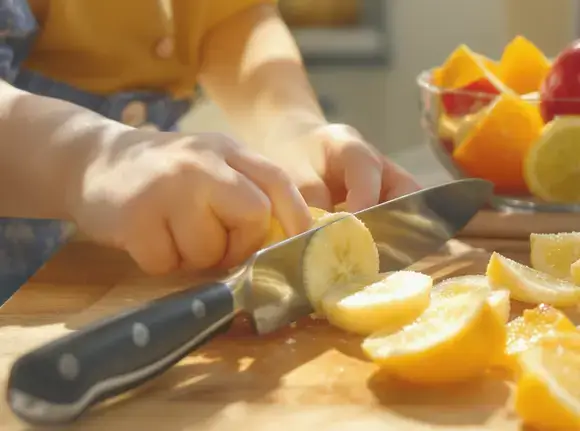
When it’s time to introduce cutting tasks, start with the “claw grip” — fingertips curled inward to guide the food safely. Practice the motion with soft foods before any knife enters the picture. Always use child-appropriate knives with blunt tips, and position yourself beside the child rather than across from them so you can intervene quickly if needed.
Kitchen safety is also about what you model, not just what you say. Show kids how to carry a knife point-down, how to check microwave-heated items for hot spots, and why oven mitts need to cover the wrists — not just the palms. For more family cooking ideas, explore our guide to healthy meals your family will love.
When children understand clear boundaries and own a set of age-appropriate skills, they stop being a liability and start being genuine contributors. That shift — from symbolic helper to real participant — is what makes the morning memorable.
The Food Science Behind Perfect Mother’s Day Breakfast Ideas
A little food science knowledge goes a long way in the kitchen. Once you understand why recipes work, you can troubleshoot on the fly instead of just hoping for the best.
Perfect French toast texture comes down to protein coagulation. When bread soaks in an egg-milk mixture, the egg proteins unwind and bond as heat is applied — forming a network that traps moisture and creates that golden-brown crust. Stale bread performs better here because its drier structure absorbs more liquid without turning to mush.
Pancake fluffiness is a chemistry story that starts in the mixing bowl. Baking powder produces carbon dioxide bubbles the moment it hits liquid, and those bubbles expand during cooking to create lift. The catch? Overmixing develops too much gluten — the protein network in flour — which crowds out those air pockets and leaves you with dense, chewy pancakes instead of light, airy ones.
Acidity plays a surprisingly big role in baked goods. Buttermilk, yogurt, or even a splash of vinegar lowers the pH, which weakens gluten bonds and contributes to a more tender crumb. The acid also reacts with baking soda to produce extra leavening gas. Research suggests that buttermilk components interact with the wheat gluten-starch network in ways that create noticeably softer textures.
These principles make troubleshooting straightforward. Soggy French toast usually means the bread was too fresh, or you didn’t let the excess batter drip off before cooking. Dense pancakes almost always point to overmixing. Understanding the “why” turns recipe-following into intentional cooking — and that skill pays off every time you step into the kitchen. It’s especially useful when building out healthy breakfast routines that go beyond just following instructions.
What is the best breakfast for Mother’s Day Breakfast Ideas?
The best Mother’s Day breakfast is one that’s tailored to the mom in question — but a well-executed classic like French toast or fluffy pancakes made with care (and perhaps a little help from the kids) consistently tops the list. It balances indulgence with genuine effort, which is really what the day is about.
Complete Mother’s Day Brunch Planning: Timeline, Scaling & Equipment
Stop juggling recipes and start executing with a plan. A coordinated system transforms Mother’s Day brunch from chaotic to seamless through three simple components: a countdown timeline, scaling multipliers, and an honest look at your equipment.
The Visual Countdown Timeline
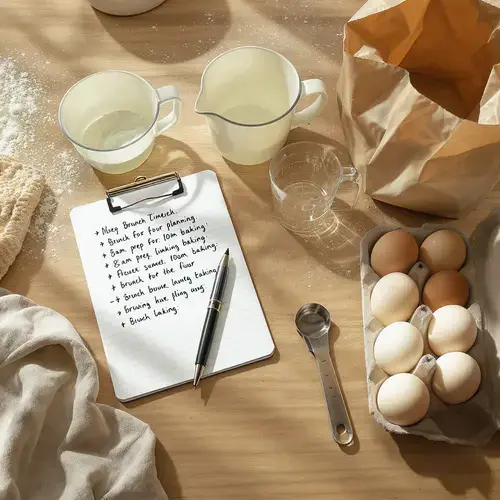
Rather than scrambling the morning of, work backward from your target serving time. The first step is sorting dishes into two categories: what can be fully prepared ahead, and what needs last-minute attention.
Build a timeline that chunks tasks into manageable windows. Bake quiches and stratas the day before and refrigerate. Chop vegetables and prep dressings the night before too. On the morning itself, focus only on reheating, plating, and finishing touches — fresh herbs, a dusting of powdered sugar, a squeeze of lemon. That’s where the magic happens without the stress.
Simple Scaling Multipliers
Adjusting a recipe for a larger group doesn’t have to involve complicated math. For most brunch dishes, dividing your guest count by the recipe’s serving size gives you a clean multiplier to apply across ingredients.
That said, seasonings — salt, spices, and acidic elements — often need a more conservative increase. Start smaller than the math suggests, then taste and adjust. For baked goods specifically, consult a dedicated scaling guide, since leavening agents and mixing times don’t always scale in a straight line.
Comprehensive Equipment Matrix
Missing a piece of equipment shouldn’t derail the whole plan. Think through what you already own that could serve double duty. No waffle iron? A grill pan works, or just lean into pancakes instead. No double boiler? Set a heatproof bowl over a saucepan of simmering water and you’re sorted.
For serving, a parchment-lined baking sheet can stand in for a large platter. If you’re short on glassware, attractive pitchers set up as a self-serve station actually add a charming, relaxed feel. The goal is spotting equipment gaps early — not on the morning of — so you have time to improvise or borrow.
What to serve at Mother’s Day brunch?
A well-balanced Mother’s Day brunch menu mixes make-ahead dishes like a strata or baked French toast with fresh, no-cook items like a fruit salad or pastries, plus one or two hot things cooked to order. That combination keeps the spread interesting and means the cook isn’t chained to the stove all morning.
Adapting Breakfast Ideas for Dietary Needs & Clear Nutrition Claims
An inclusive Mother’s Day breakfast means thinking a step ahead. The good news is that most classic recipes adapt surprisingly well — you just need to know which swaps actually work.
Straightforward Ingredient Substitutions
For gluten-free versions, a 1:1 gluten-free baking blend swaps directly into pancake or waffle recipes. Oat flour and almond flour work well in denser bakes like muffins. When dairy is off the table, unsweetened almond, oat, or coconut milk substitutes cleanly in most recipes without changing the flavor profile much.
Vegan adaptations often hinge on the egg replacement. For binding in baked goods, a flax egg is reliable. Mashed banana or applesauce works in sweeter recipes. For a scrambled egg alternative, crumbled firm tofu seasoned with turmeric and black salt is more convincing than it sounds. Our guide to common gluten-free foods can help you stock your pantry before the big morning.
Decoding Ambiguous Nutritional Labels
Terms like “WW-friendly” can be confusing when you’re planning around specific dietary needs. It’s not an official FDA designation — it simply signals that a recipe aligns with Weight Watchers point values, which doesn’t tell you much about the actual nutritional profile.
Regulated terms carry more weight. The FDA defines “gluten-free” as containing a very low level of gluten, which gives people with celiac disease or gluten sensitivity a reliable benchmark. “Dairy-free” and “vegan” lack formal FDA definitions but are widely understood to mean no animal-derived ingredients. When adapting recipes for guests with real dietary restrictions, be specific about which standard you’re working to.
Proper Attribution Strengthens Credibility
If you significantly modify a published recipe, acknowledge the original source and explain what you changed and why. It’s an ethical practice, but it also gives your readers useful context — they want to know whether your swap affects the texture, flavor, or cooking time before they commit to it.
What to cook for Mother’s Day easily?
For a special but low-effort meal, lean on one impressive make-ahead dish. A baked French toast casserole or a savory egg strata can be assembled the night before and simply transferred to the oven in the morning. Round it out with a simple fruit salad, a few store-bought pastries, and mimosas — and you’ve got a brunch that feels completely homemade without the morning chaos.