
What ‘detox’ really means — science vs. marketing
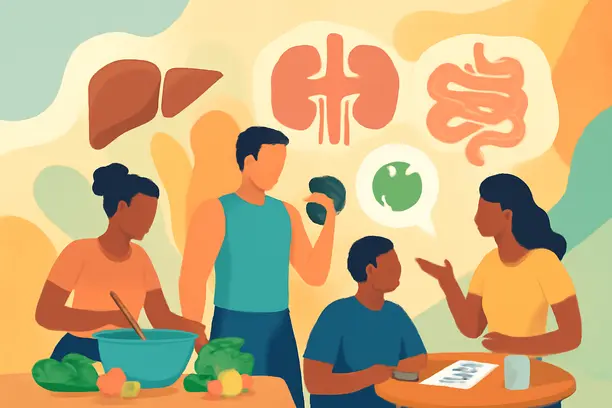
The best detox diet for weight loss often refers to natural processes your body already uses to neutralize and eliminate toxins—mainly handled by the liver, kidneys, gut, and skin. In reality, your body is an expert at self-cleansing as long as you maintain general health and nutrient intake. Experts generally agree that outside of rare cases like poisoning or illness, you don’t need special detox diets to support these mechanisms. Most marketed “detox diets” lack strong scientific backing and often overpromise while underdelivering.
Disclosure: This article contains affiliate links. We may earn a commission at no extra cost to you.
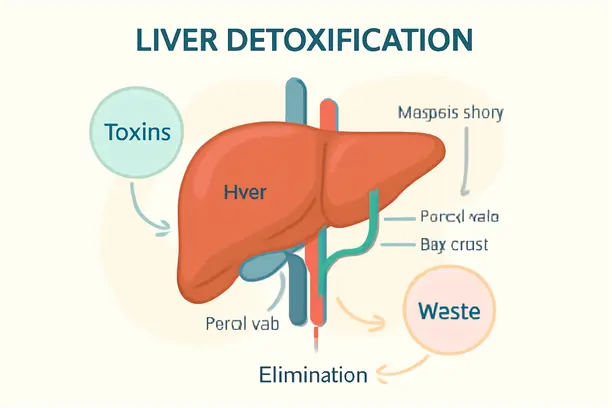
Here’s the truth: “detoxification” refers to the natural processes your body uses to neutralize and eliminate toxins through organs like the liver, kidneys, gut, and skin. These systems continuously filter and clear waste without needing any special “detox diet”—as long as you maintain good health and provide basic nutrients. Experts generally agree that outside of cases involving poisoning or illness, your body’s detox mechanisms are highly efficient in self-cleansing Source: NIH/NCCIH.
Despite this, “detox diets” remain a popular marketing tool. Brands often promote juice cleanses, short-term diets, or supplements claiming to “flush out toxins,” ignite fat burn, or reset metabolism. These claims usually rely on vague scientific language, before-and-after photos, and touted ingredients like “liver support” herbs or “fat-melting” minerals.
However, most lack robust clinical evidence Source: British Dietetic Association.
Marketing Claims vs. Reality: Key Red Flags
- “Toxin buildup” scare tactics: Detox programs rarely clarify which toxins they target or how their methods remove them.
- Rapid weight loss: Initial drops on the scale often reflect water or glycogen loss, not fat reduction, and weight usually rebounds quickly.
- Miracle ingredients: Exotic supplements or superfoods lack rigorous human trials proving detox or fat-loss effects.
- Author credentials: Often, “experts” cited have unclear qualifications or affiliations with the marketed products.
When exploring detox plans, always consider the source, funding, and scientific backing behind the claims. Commercial interests frequently drive advice linked to stores, cookbooks, or supplements.
Focus on trusted nutrition patterns and beware of unrealistic promises. For evidence-based strategies, consider sustainable approaches such as Mediterranean or plant-forward diets. These emphasize calorie moderation to drive fat loss rather than “detoxifying toxins.”
See our guide to diet strategies that actually deliver results for more.
If you’d like to try structured soup-based plans, programs like the 14-Day Rapid Soup Diet offer meal guidance with realistic expectations—sustainable weight loss is gradual and safe programs recommend medical consultation first.
Before committing to any “detox” product, ask whether credible science supports it or if it’s just a compelling story. Ready-for-you plans like the Rapid Soup Detox System can provide guidance but should be weighed against these considerations.
How your body actually detoxifies (liver, kidneys, gut) — a clear primer
If you’ve ever wondered what your body really does with “toxins,” here’s the simple truth: your organs work around the clock to keep you healthy—no trendy cleanse required.
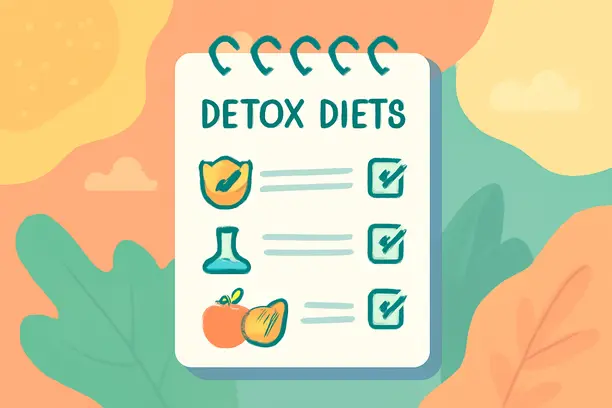
Your body already runs a sophisticated detox system constantly, primarily via the liver, kidneys, and gut. These organs work together to neutralize, transform, and remove harmful substances efficiently—no flashy cleanses or powders needed.
Liver: The Chemical Processing Plant
The liver is central to detoxifying chemicals ranging from food additives to medications and hormones. It uses enzymatic reactions in two major phases: Phase I enzymes chemically alter toxins (e.g., cytochrome P450s), while Phase II attaches molecules such as glutathione or sulfate to make toxins water-soluble for excretion via bile or urine.
This complex process depends on essential nutrients like protein and B vitamins Source: NCBI.
Kidneys: Fine-Tuning the Filtration
Your kidneys filter your entire blood volume multiple times a day, removing urea, excess salts, and metabolic waste. This waste is then excreted as urine, maintaining mineral balance and blood pressure.
Hydration and balanced nutrition support normal kidney function, but no supplement can safely “speed up” this filtration in healthy individuals Source: National Kidney Foundation.
Gut: The Gatekeeper and Elimination Conveyor Belt
The gut prevents harmful substances from entering by breaking down some toxins with beneficial bacteria and binds waste with fiber for elimination via stool—the body’s ultimate “detox.” Regular bowel movements reflect effective waste clearance rather than juice cleanses Source: Harvard T.H. Chan School of Public Health.
Skin and Lungs: Minor but Mighty
Though less prominent, sweat glands and lungs aid detoxification by removing small amounts of waste through perspiration and breath. These processes continually operate at a natural pace that no trendy detox can meaningfully accelerate.
A Simple Analogy: The Waste Processing Team
- Liver: Labels and repackages harmful compounds for safe removal.
- Kidneys: Filter blood to sort and discard waste via urine.
- Gut: Loads waste onto the “exit truck” (stool) for elimination.
What Real “Detox” Looks Like—And Its Limits
This ongoing, natural detox depends on hydration, adequate protein, and various micronutrients. Most detox diets or teas add nothing meaningful for healthy people and can even interfere by causing dehydration or nutrient deprivation.
For fat loss, focus on minimally processed, fiber- and protein-rich foods that support your organs rather than override their functions. Genuine “detox diets” support—not replace—your body’s natural processes.
For practical advice on sustainable weight loss and eating well, see the evidence-based best diets for weight loss.
Why Detox Diets Are Mostly Marketing
Your body detoxifies itself constantly; there’s no shortcut. Instead of quick fixes, nourish your body’s “factory team” with balanced nutrition, support regular elimination, and avoid gimmicks promising accelerated cleansing.
Why detox diets rarely remove ‘toxins’ or produce sustained fat loss
If you’ve researched the best detox diet for weight loss, you’ve probably encountered claims about “flushing toxins” or rapid fat burn. Science shows these claims rarely hold up to scrutiny.
Detox diets typically fail to specify what toxins they remove or how, and credible evidence indicates your liver, kidneys, intestines, and skin efficiently detoxify without any special diet Source: BMJ.
Many detox-induced weight losses actually reflect water or glycogen depletion, not fat loss. This weight often returns when regular eating resumes Source: CDC.
Sustainable fat loss requires consistent habits over time. Science-backed alternatives like a well-balanced weight loss diet plan offer safer approaches.
Meta-analyses and expert reviews discredit core detox claims:
- Toxin removal: No compelling evidence that detox diets enhance excretion or improve toxin markers.
- Sustained fat loss: Early losses are not meaningful fat reduction.
- Metabolic reset: Detox claims of metabolism “resets” lack scientific support.
- Craving or energy cures: Most people experience fatigue or irritability with extreme calorie restriction.
Detox popularity arises due to a desire for rapid results and temporary improvements like reduced bloating, which often come from eating less processed foods and fewer calories. Long-term benefits require sustained, realistic eating habits emphasizing more vegetables, lean proteins, and hydration Source: Journal of the Academy of Nutrition and Dietetics.
Programs like the 14-Day Rapid Soup Diet focus on filling, nutrient-dense soups with day-by-day meal plans to reduce cravings and support sustainable habits without restrictive fasting or juicing.
In summary, detox diets rarely deliver lasting fat loss. Prioritize balanced nutrition, gradual lifestyle changes, and evidence-based guidance.
For comfort-food-friendly support, explore the Rapid Soup Detox system for structured, sustainable weight management.
Need a quick win that doesn’t involve starving or endless juicing? Here’s a practical, low-stress alternative that fits busy schedules and real life: the Rapid Soup Detox 14-Day System offers a done-for-you meal plan with satisfying soups—no extreme restrictions, just steady progress.
Evidence-based alternatives for safe, sustainable weight loss
If you want safe, lasting weight loss rather than quick detox fixes, start by adopting evidence-based strategies proven in research and clinical practice.
- Establish a Gentle Calorie Deficit: Create a moderate daily energy deficit of about 300–500 calories below maintenance to lose fat steadily without hunger or metabolic slowdown. Use food logs or apps for awareness but avoid obsession; consistency over perfection is key. Learn more about how calorie deficit works.
- Upgrade Your Plate with Protein and Fiber: Increase intake of lean proteins (chicken, fish, legumes) and fiber-rich vegetables and whole grains. Protein sustains muscle and fullness, while fiber aids digestion and satiety. Incorporate quality protein and ample veggies at each meal. See practical tips in high-fiber diet tips.
- Make Movement Non-Negotiable: Physical activity boosts fat loss and protects metabolism. Aim for at least 150 minutes of moderate exercise weekly (walking, light intervals, or home workouts). Begin at your comfort level and build gradually Source: CDC.
Behavioral strategies can also help:
- Keep a food journal to identify patterns and triggers.
- Plan meals to avoid last-minute unhealthy choices. Check out simple meal planning hacks.
- Build accountability through reminders, tracking progress, or partnering with a friend.
For a ready-made option, the Rapid Soup Detox 14-Day System offers meal guides and recipes that help people eat satisfying soups to curb hunger and enhance fat loss without complicated prep or punishing workouts.
Consistency and gradual changes make all the difference. Whether you follow a guided plan or create your own, sustainable results come from persistence.
For more nutrient-dense meal ideas, visit our nutrient-dense foods resource.
Safety, contraindications, and mental-health risks of cleanses
Detox diets and cleanses can pose genuine risks, especially for certain groups. Avoid restrictive detoxes if you’re pregnant, breastfeeding, a growing adolescent, or managing chronic illnesses like diabetes or kidney disease.
Individuals on prescription medications should consult healthcare providers first, as detox regimens may interfere with drug absorption or worsen health conditions Source: Mayo Clinic.
People with past or current eating disorders face increased risk, as detox cultures often trigger relapse. The rigid rules, food fixation, and rapid weight-loss emphasis are red flags Source: National Eating Disorders Association.
Physical and Mental Health Risks
Many detox diets severely restrict calories and necessary nutrients, risking fatigue, dizziness, headaches, poor focus, or heart rhythm issues. Fluid or electrolyte imbalances from rapid changes can be dangerous, especially for those with underlying conditions.
Some cleanses include laxatives or herbal supplements that cause dehydration or kidney stress.
Mental health can suffer due to cycles of restriction and bingeing, food guilt, anxiety, or shame. Detoxing often leads to “yo-yo” eating patterns, worsening body trust over time.
Orthorexia—an unhealthy obsession with “clean” eating—may develop, isolating individuals socially and emotionally Source: Psychology Today.
Checklist: When to Pause and Ask for Help
- Are you under 18, pregnant, or breastfeeding?
- Do you have diabetes, kidney, heart, or liver disease?
- Have you been diagnosed with or have history of eating disorders?
- Do you experience distress, guilt, or anxiety about food?
- Are you on prescription medications?
- Feel pressured to detox due to body shame or outside influences?
If you answered yes to any, avoid detox diets and seek advice from a primary care physician or registered dietitian. Professional help can guide you toward safe, effective, personalized weight management plans.
For gentler, doctor-approved plans, programs like the 14-Day Rapid Soup Diet offer nourishing, structured meal strategies that avoid extreme deprivation. Always verify program suitability for your health status before starting.
Focusing on balanced, nutrient-rich eating as detailed in evidence-based plans such as this weight loss diet guide supports sustainable success while safeguarding mental and physical well-being.
Let’s keep this doable: If you’ve struggled with restrictive cleanses or felt overwhelmed by conflicting advice, a structured, real-food plan can make healthy changes less stressful and more sustainable.
Practical checklist: assessing products, claims, and regulatory red flags
Before investing in any “best detox diet for weight loss,” use this seven-point checklist to evaluate safety, evidence, and legitimacy.
- Check for Specific, Testable Claims—not Vague Promises.Avoid products that use ambiguous language like “toxins out” or “fat melts away” without explaining mechanisms or citing scientific research. Legitimate programs transparently describe active ingredients and expected effects.
- Scrutinize Supplement Labels and Ingredient Lists.Look for complete ingredient disclosures, avoid “proprietary blends,” and check for third-party certifications such as NSF or USP seals to ensure safety and quality.
- Understand Regulation Gaps.Dietary supplements aren’t FDA-approved before marketing in the U.S., so safety and claims rely heavily on manufacturers. Report any side effects to regulatory authorities. See FDA’s official supplement guidance.
- Watch for Cross-Border and Online Sales Risks.Imported or online products may bypass local regulations and include banned ingredients. Verify product registration with your country’s authorities. The UK NHS has issued warnings about unregulated detox teas causing harm.
- Look for Transparent Evidence—Not Just Testimonials.User stories and before-and-after images can be misleading. Seek clinical trial data or references to peer-reviewed studies. Absence of scientific backing should raise red flags.
Mini-FAQ: Detox Diets and Weight Loss
Are there any foods that truly detox your body?
No food or supplement can “detox” your body in the way marketers promise. Some foods, like fiber-rich vegetables and adequate protein, support your body’s natural detox pathways by fueling the liver, kidneys, and gut—your body’s innate cleansing machines.
Can a detox diet help with long-term weight loss?
Detox diets are not a reliable strategy for long-term weight loss. While you may see a short-term decrease in weight (often water or glycogen), sustainable fat loss requires an ongoing calorie deficit, balanced nutrition, and consistent habits.
Is it dangerous to try multiple detox diets or extreme cleanses?
Yes, frequently cycling through extreme detoxes or cleanses can disrupt your metabolism, cause nutrient deficiencies, and harm both physical and mental health—especially for those with pre-existing health conditions or a history of disordered eating. Moderation and medically vetted guidance are safest.