
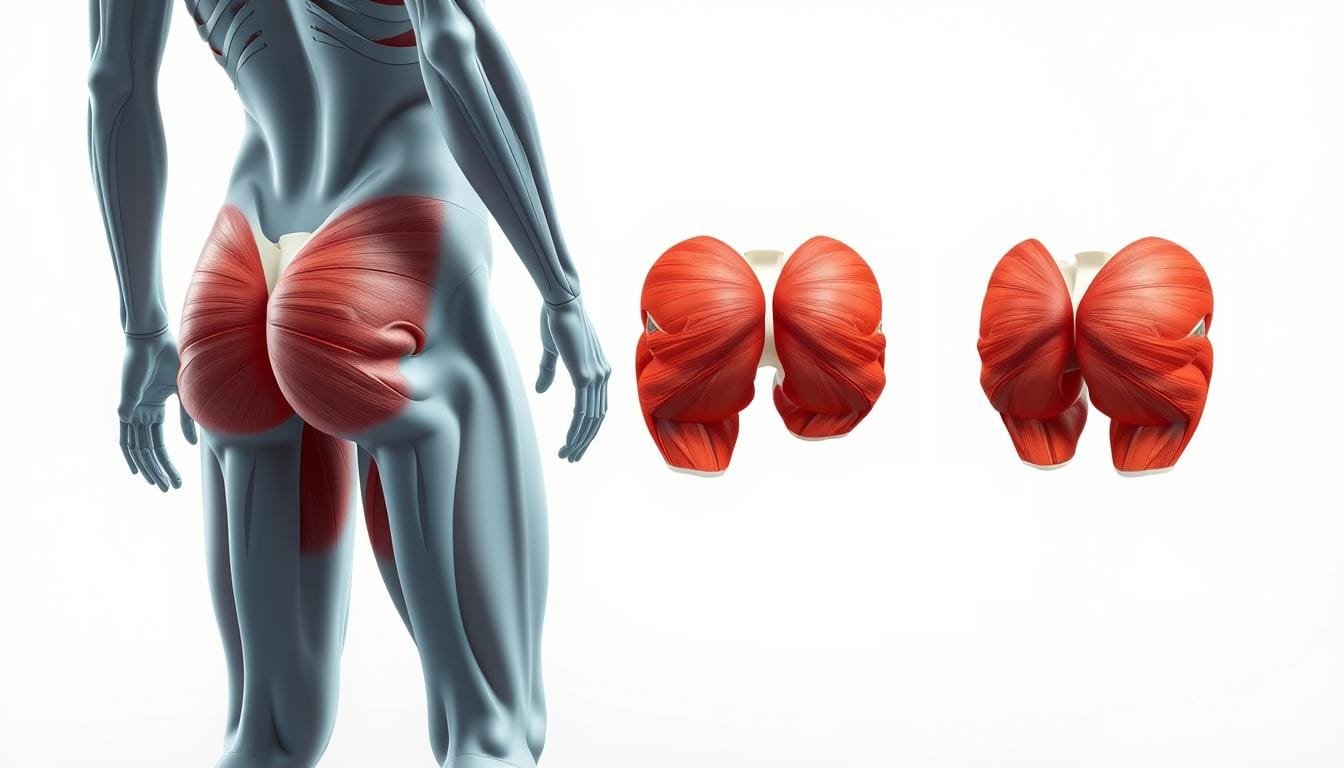
Remember that feeling after a long walk or a day spent mostly sitting? That dull ache in your lower back or hips isn’t just fatigue. It’s often a sign that your body’s powerhouse—your glutes—needs some attention, and a focused booty workout for women can make all the difference. These powerful muscles are the unsung heroes of your body, supporting you in everything from climbing stairs to simply standing tall.
Your backside is home to the largest and most powerful muscle group in your entire body. This group consists of three distinct muscles: the gluteus maximus, medius, and minimus. A smart booty workout for women targets each of these with intentional movement patterns to build strength and symmetry.
Strong glutes do more than just create a sculpted appearance. They are essential for stabilizing your hips, supporting your lower back, and maintaining healthy mobility as you age. A well-designed booty workout for women that progressively challenges these muscles can help you move better, feel stronger, and reduce your risk of injury.
This guide is your friendly starting point. We’ll walk you through the fundamentals of glute development, from understanding the basic anatomy to choosing the most effective exercises. Whether you’re new to strength training or looking to enhance your current routine, you’ll find practical strategies to help you build a stronger, more resilient body.
Key Takeaways
- Your glutes are the largest and most powerful muscle group in your body.
- Strong glutes are crucial for hip stability, lower back support, and overall mobility.
- A targeted training plan can help tone and lift your backside while improving functional strength.
- Understanding the three glute muscles helps you choose the right exercises for your goals.
- This guide provides exercises and techniques suitable for all fitness levels.
Why Strengthening Your Glutes Matters
Have you ever considered how much your daily comfort depends on a muscle group you rarely think about? Your glute muscles form the foundation for nearly every movement you make.
Benefits for Daily Movements and Posture
Strong glutes provide critical support for your entire body. They stabilize your hips during walking and protect your lower back during lifting.
When these muscles are weak, other areas compensate. This can lead to poor posture and increased stress on your knees and spine.
For desk workers, glute strength becomes even more vital. It helps counteract the effects of prolonged sitting and maintains proper body alignment.
Understanding Your Glute Muscles
Your glutes consist of three distinct muscles working together. Each plays a unique role in your body’s movement and stability.
| Muscle | Primary Function | Key Benefit |
|---|---|---|
| Gluteus Maximus | Hip extension and power generation | Provides shape and explosive strength |
| Gluteus Medius | Pelvis stabilization | Maintains balance during movement |
| Gluteus Minimus | Hip rotation and abduction | Supports overall hip mobility |
Building strength in all three muscles creates a solid foundation. This enhances your core stability and improves your overall balance.
Effective Booty Workout for Women Routine
Building a powerful lower body foundation starts with understanding which movements deliver results. The right combination of exercises targets your glutes from every angle for balanced development.
Key Exercises to Sculpt Your Backside
Three fundamental movements form the cornerstone of any effective glute development plan. Each exercise serves a unique purpose in your training routine.
Hip thrusts work your glutes in their most powerful shortened position. Romanian deadlifts stretch and strengthen the muscles through their full range. Squats provide comprehensive activation for overall growth.
Variety in your exercise selection prevents plateaus. Different movements challenge your body in new ways each time.
Importance of Consistent Training
Your glutes respond best to regular stimulation followed by adequate recovery. Aim for two dedicated sessions weekly with 48 hours between.
Consistency transforms temporary effort into lasting change. The way you approach each exercise matters as much as frequency.
Focus on proper form and gradually increasing challenge over time. This progressive approach builds the sculpted backside you’re working toward.
Preparing Your Body for a Booty Workout
Before you begin any new physical activity, taking a moment to prepare is the smartest first step. This process helps your body shift from rest to action safely. It also significantly lowers your risk of injury.
Start by honestly assessing your current fitness level. Pay attention to any limitations in your knees, hips, or lower back. Consulting a personal trainer or physical therapist is a wise move if you have concerns. They can check your form and suggest alternative exercises.
Your body needs a proper warm-up to perform well. A gradual increase in activity gets blood flowing to your glute muscles. It also raises your heart rate and prepares your joints for the movements ahead.
Mental readiness is just as important as physical readiness. Take a brief moment to focus on your goals. Visualize your muscles working to build a strong mind-muscle connection with your glutes.
Follow these key steps for an effective start:
- Start Slow: If you are new to lower body training, begin with one set of each exercise. Gradually add more sets as you get stronger.
- Engage Your Core: A strong core is vital for stability during glute exercises. It helps maintain proper form and protects your spine.
- Time It Right: Schedule your training for when you feel well-rested and energized. This leads to better performance and more effective movements.
This thoughtful approach sets the stage for a successful and rewarding session.
Essential Warm-Up Movements for Glute Activation
The secret to maximizing your glute training results lies in what you do before the main exercises begin. Dynamic stretching techniques prepare your muscles for optimal performance.
This approach increases blood flow and range of motion. It specifically targets the muscle groups you’ll be using.
Dynamic Stretching Techniques
Start with bodyweight glute bridges to establish mind-muscle connection. These gentle lifts wake up your glutes and prepare your hips for action.
Leg swings in multiple directions mobilize your hip joints. They activate the smaller stabilizing muscles that support your glutes during exercise.
Fire hydrants target your gluteus medius effectively. Lift one knee out to the side while maintaining core engagement and balance.
Resistance band walks create tension that activates multiple glute muscles. This prepares your entire lower body for the work ahead.
Bodyweight squats with a pause ensure smooth joint movement. They warm up your hips, knees, and ankles through their full range.
Dynamic lunges with a gentle twist engage your glutes while improving balance. This comprehensive approach prepares your entire body for effective training.
Key Booty Exercises to Tone and Lift Your Backside
When building a stronger, more sculpted backside, knowing which movements deliver the best results is crucial. Certain exercises are especially effective for targeting your glute muscles from every angle.
Expert trainers often point to three fundamental moves as the foundation of any effective training plan. These exercises work your glutes through different ranges of motion for complete development.
- Hip Thrusts: This exercise is unmatched for loading your glutes in their shortened, contracted position. It targets the middle portion of your gluteus maximus with maximum intensity.
- Romanian Deadlifts: As a hip-dominant movement, this exercise works your glutes in a lengthened position. It effectively targets the lower portion of your butt muscles and engages your hamstrings.
- Squats: This cornerstone movement loads your glutes at the deepest part of the motion. It recruits your entire lower body, allowing for progressive strength building.
Beyond these core exercises, incorporating movements like glute bridges and lunges ensures you hit all three glute muscles. This variety prevents adaptation and promotes balanced growth for a rounded, lifted appearance.
Whether you use bodyweight, resistance bands, or weights, these key exercises are suitable for every fitness level. Consistent practice is the path to achieving your strength and sculpting goals.
Detailed Guide for Each Booty Exercise
The difference between average and exceptional glute training often comes down to precise execution of fundamental movements. Understanding proper form ensures you target the right muscles while protecting your joints.

Glute Bridges, Squats, and Lunges Explained
These three exercises form the foundation of effective glute development. Each movement works your muscles through different ranges of motion.
The glute bridge activates your muscles in their shortened position. Squats provide comprehensive lower body engagement. Lunges challenge stability while targeting each leg individually.
Step-by-Step Exercise Instructions
For glute bridges, lie on your back with knees bent and feet flat on the floor. Press through your feet to lift your hips until your body forms a straight line.
When squatting, stand with feet slightly wider than shoulder-width apart. Push your hips back as you bend your knees, lowering until thighs are parallel to the floor.
Walking lunges require stepping forward with your left leg, bending both knees to 90-degree angles. Keep your front knee behind your toes for proper alignment.
Focus on feeling your glutes contract with each repetition. This mind-muscle connection maximizes results from every exercise.
Incorporating Resistance and Weights
Moving beyond bodyweight movements marks an exciting step in your strength journey. Adding external load challenges your muscles in new ways, creating the stimulus needed for continued development.
Different tools offer unique advantages for targeting your glute muscles. Understanding which equipment suits each exercise helps maximize your training effectiveness.
| Equipment Type | Best For | Progression Tip |
|---|---|---|
| Resistance Bands | Constant tension throughout movement | Use thicker bands as strength improves |
| Dumbbells | Unilateral exercises like lunges | Increase weight by 5-pound increments |
| Barbells | Heavy compound movements | Focus on hip thrusts and squats |
| Kettlebells | Dynamic, explosive exercises | Maintain proper form with swinging motions |
Progressive overload remains the cornerstone of muscle development. This principle involves gradually increasing demands on your body over time.
You can achieve this through three primary methods: increasing the weight lifted, adding more repetitions per set, or extending time under tension. As one fitness expert noted, “The body adapts to stress, so we must consistently provide new challenges.”
Always prioritize proper form over heavier weights. When you can comfortably complete 12+ reps with your current load, it’s time to increase resistance for continued growth.
Programming Your Workouts: Sets, Reps, and Rest
What separates casual exercise from serious muscle development comes down to three key factors. Understanding how to structure your sessions maximizes every minute you spend training.
Hypertrophy training focuses on increasing muscle size through specific protocols. This approach uses strategic rep ranges, set volumes, and rest periods to stimulate growth.
Understanding Hypertrophy Training
The ideal rep range for building bigger, firmer glutes is 6 to 12 repetitions per set. This challenges your muscles while maintaining proper form throughout each exercise.
Plan to perform three to five sets of each movement in your routine. This volume provides sufficient stimulus without risking overtraining.
Rest periods of 60 to 90 seconds between sets keep your muscles primed for growth. This timing allows partial recovery while maintaining the hypertrophy stimulus.
If you’re new to this type of training, start with just one set of each exercise. Gradually progress to more sets as your strength improves over several weeks.
Key programming principles for optimal results:
- Train your glutes at least twice weekly with 48 hours between sessions
- Track your progress in a journal to ensure consistent improvement
- Increase weight when you can comfortably complete 12 reps with good form
This structured approach transforms your efforts into visible, lasting changes in strength and muscle development.
Safety Tips and Modifications for Beginners
Making progress without setbacks means prioritizing safety and proper technique from day one. Your journey to stronger glutes should focus on building a solid foundation first.
Adjusting Form and Preventing Injury
Proper alignment protects your joints while ensuring the work goes to the right muscles. Always keep your body pitched forward from the hips during exercises. This targets your glutes instead of your lower back.
Pay close attention to your knees during movements. They should track over your toes but never extend past them. If you feel discomfort in your knees, ankles, or hips, modify the exercise.
| Common Issue | Safe Modification | Key Benefit |
|---|---|---|
| Knee pain during squats | Reduce depth or use chair support | Protects joint while building strength |
| Poor balance on one leg | Hold onto wall or chair | Improves stability gradually |
| Back arching during bridges | Focus on core engagement | Targets glutes, protects spine |
| Knees caving inward | Use resistance band above knees | Promotes proper alignment |
For single-leg work, place a chair behind you. You can tap your seat to the edge for support. This way maintains balance while building strength.
Keep your shoulders back and core tight throughout each movement. Stop immediately if you feel sharp pain in any joint. Quality form always beats heavy weights or high reps.
Nutrition and Recovery for Optimal Glute Gains
Nutrition and recovery form the foundation upon which all your hard work builds lasting results. Your dedication during training sessions needs proper support through smart fueling and rest strategies.
Building stronger glute muscles requires more than just exercise. Your body needs the right nutrients to repair and grow. Recovery time is when the real transformation happens.
Pre-Workout Fuel and Post-Workout Recovery Strategies
Before your session, eat carbohydrates about 1-2 hours prior. This gives your body energy for maximum strength output. Proper fueling helps you push through challenging movements.
After training, consume protein within 30-60 minutes. This provides amino acids that repair muscle tissue. Aim for 0.8 to 1 gram per pound of body weight daily.
Hydration plays a critical role in muscle function. Drink plenty of water throughout the day. This helps strengthen your body’s natural recovery processes.
Allow 48-72 hours between sessions for optimal recovery. Quality sleep of 7-9 hours supports growth hormone production. Active recovery like walking can speed up recovery time.
As we age, maintaining muscle mass becomes increasingly important. Consistent training combined with proper nutrition helps strengthen your body against natural decline.
Booty Sculpting Tips to Enhance Your Results
Fine-tuning your approach to glute development unlocks new levels of strength and definition. Strategic modifications challenge your muscles in fresh ways.
Pulsing at the top of movements increases time under tension. This creates that deep burn signaling effective muscle work.
Try single-leg exercises in a relevé position. Rise to the ball of your foot while maintaining balance. This engages stabilizing muscles throughout your lower body.
| Progression Technique | Application | Benefit |
|---|---|---|
| Tempo Adjustment | Slow lowering phase (3-4 seconds) | Maximizes muscle engagement |
| Band Placement | Move from thighs toward ankles | Increases resistance challenge |
| Unilateral Focus | Complete sets on right leg then left | Builds balanced strength |
| Equipment Creativity | Use towels or sliders at home | Adds variety to exercises |
Adjust your weight distribution by slightly elevating one heel. This shifts more load to the targeted side. Your glutes work harder against the tension.
Remember that bodies come in different shapes and sizes. Focus on what your body can achieve rather than comparisons. Celebrate each step of progress.
Check This
Conclusion
Your journey toward stronger, more defined glutes is a personal path that combines knowledge, consistency, and self-awareness. Remember that every body has unique characteristics, and your results will reflect your individual commitment and effort.
Building your ideal butt requires patience with targeted exercises that challenge your lower body. Whether you’re working each leg separately or building overall strength, celebrate small victories along the way.
Your glutes serve vital functions beyond appearance—they support your posture and daily movements. Embrace the process, listen to your body, and trust that consistent effort will yield meaningful results for your entire lower body.
FAQ
How often should I train my glutes each week?
For best results, aim to train these muscles two to three times per week. This allows enough time for muscle recovery and growth between sessions. Consistency is key for seeing improvements in tone and strength.
Can I build my glutes at home without heavy weights?
Absolutely! You can effectively build muscle using bodyweight exercises like squats, lunges, and glute bridges. To increase the challenge, you can add resistance bands or household items for extra weight. Focus on proper form and increasing reps or sets over time.
What’s the most important thing to focus on during squats and lunges?
A> The most critical element is your form. Keep your core engaged and your back straight. When you squat or lunge, push your hips back as if sitting in a chair. Ensure your knees stay in line with your feet and do not cave inward to protect your joints.
Why is warming up so important before a glute-focused session?
A proper warm-up prepares your body for exercise by increasing blood flow. It also “activates” your glute muscles, helping them fire more effectively during your main routine. This leads to better performance and a lower risk of injury.
How long will it take to see results from a glute training program?
With consistent training and proper nutrition, you may begin to notice improvements in strength and muscle tone within a few weeks. More significant visual changes typically take a few months, as muscle growth is a gradual process.
Are there any common mistakes I should avoid?
A common error is neglecting a full range of motion. For example, not squatting low enough or rushing through reps. Another mistake is using momentum instead of muscle control. Always prioritize slow, controlled movements for maximum muscle engagement.