

What ‘detox at home’ means: DIY vs GP‑supervised vs commercial/virtual programs
Detox at home offers a way to take control of your health—whether you’re quitting substances or doing a dietary cleanse, you can do it outside a hospital, but you must know which approaches are genuinely safe and which carry risks. Not all methods are equally safe or effective, so it’s vital to choose carefully, understand potential dangers, and seek proper support for your individual needs.
Disclosure: This article contains affiliate links. We may earn a commission at no extra cost to you.
Detox at home covers a wide range of approaches—from withdrawing from substances to trying a cleansing diet, all outside of inpatient care. Not all methods are equally safe or effective. Understanding the difference between an unsupervised DIY detox, a medically supervised process by a GP, and commercially offered or virtual detox programs is crucial to protecting your health and getting the right support.
Unsupervised (‘DIY’) Detox
DIY or self-managed detox means stopping or cutting back on substance use without any medical oversight. Common examples include quitting “cold turkey,” following internet recipes, or trying cleanse diets. This carries serious risks, especially with substances like alcohol, benzodiazepines, and opioids—withdrawal can be life-threatening without proper support.
Even milder substances like caffeine or nicotine can trigger uncomfortable physical and psychological symptoms when you try to quit on your own.
GP-Supervised Detox
GP-supervised detox means you’re under active medical care from your primary physician. That includes tailored medication prescriptions, regular check-ins, and sometimes home nursing visits. This oversight helps catch complications early and customize treatment based on your health and withdrawal severity.
It’s essential if you have complex medical needs or you’re withdrawing from higher-risk substances. The NHS explicitly advises against unsupervised detox at home for patients at risk of seizures, delirium tremens, or cardiovascular problems Source: NHS.
Commercial & Virtual Detox Programs
Commercial or virtual detox programs often include structured plans with online coaching, meal guides like detox soups, and digital community support. However, many lack direct medical supervision, and their clinical legitimacy varies widely.
If you choose this route, make sure the program involves licensed clinicians—especially for substance withdrawal. Programs focusing solely on dietary detox or “flushing toxins” aren’t substitutes for medical detox when dependence is involved.
Summary
- DIY detox: Only appropriate for low-risk situations (like cutting back on caffeine) if you’re healthy and understand the limits.
- GP-supervised detox: Mandatory for withdrawal from alcohol, benzodiazepines, strong opioids, or if you have significant health or psychiatric risks.
- Commercial/virtual programs: Suitable mainly for low-risk dietary cleanses unless managed by qualified healthcare professionals.
When to Seek Immediate Medical Help
- History of severe withdrawal symptoms such as seizures or delirium
- High-dose daily use of alcohol, benzodiazepines, or opioids
- Pre-existing heart, liver, or psychiatric conditions
- Withdrawal symptoms rapidly worsening with confusion, fever, or chest pain
If these signs are present, don’t attempt home detox—seek emergency care right away Source: SAMHSA.
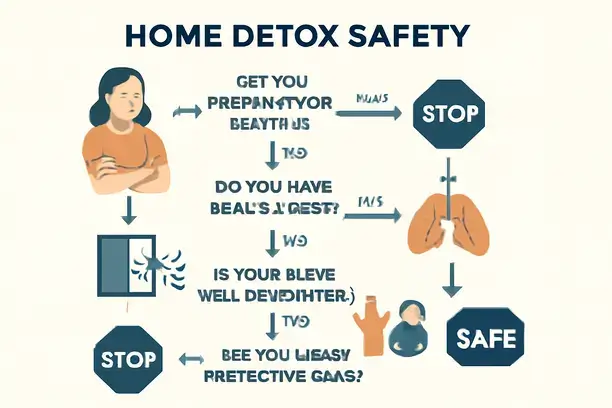
Decision Flowchart: Is Home Detox Safe for You?
- Is the substance alcohol, benzodiazepines, or opioids?
Yes: Only inpatient or GP-supervised home detox is appropriate.
No: Continue to step 2. - Do you have medical or psychiatric conditions or past severe withdrawal?
Yes: Medical supervision is required.
No: Proceed to step 3. - Is this a food or weight-related “detox” program?
Yes: DIY or qualified commercial/virtual programs may be considered.
No: Seek tailored medical advice.
If you’re interested in a gentle food-based reset, programs like the 14-Day Rapid Soup Detox plan offer structured guidance that’s beginner-friendly and fits busy lifestyles.
Remember: no diet or virtual program replaces professional care when managing addiction or severe withdrawal symptoms.
Who is (and isn’t) suitable for home detox: clear risk‑stratification
Who Should NOT Attempt Detox at Home
Home detox isn’t safe for everyone. Medical and social risks vary widely, and the following factors make home detox unsafe—requiring inpatient or medically supervised care instead:
- Prior history of severe withdrawal like seizures, delirium tremens, or hallucinations
- Co-occurring psychiatric disorders with suicidal ideation, psychosis, or severe anxiety
- Multiple substance use complicating withdrawal management
- Pregnancy, which adds significant medical complexity
- No reliable social support or living alone without a sober, dependable caregiver
- Older adults (usually over 65), especially those with chronic illness or taking multiple medications
Emergency indicators requiring immediate hospital admission include confusion, hallucinations, unstable heart rhythms, fainting, seizures, or high fever Source: American Addiction Centers.
Who May Be Suitable for Home Detox—With Medical Supervision
Some people can safely undergo home detox if strict criteria are met and structured medical support is in place. You may be a candidate if you:
- Have no history of complicated withdrawal
- Are withdrawing from a single substance without polydrug involvement
- Maintain stable physical and mental health without severe chronic conditions
- Have no current suicidal or violent behavior risks Source: SAMHSA
- Have continuous access to a sober support person at home
- Can maintain regular contact with a healthcare provider for monitoring
- Are able to recognize warning signs and seek urgent care if needed
Older adults and pregnant individuals usually require specialist medical settings during detox. When uncertain, clinical assessments following guidelines like those from the American Society of Addiction Medicine (ASAM) are recommended ASAM Clinical Guidelines.
Special Considerations
Due to increased vulnerability, older adults and pregnant individuals generally should avoid at-home detox without comprehensive medical oversight. Withdrawal can be unpredictable and complicated by dehydration or mental health crises, regardless of age.
Careful planning must involve emergency contact preparation and continuous monitoring during high-risk windows, especially the first 72 hours.
Suitability Summary Checklist
Do NOT attempt home detox if you have:
- No or poor social support
- Prior severe withdrawal or seizures
- Serious physical or psychiatric illness
- Polysubstance use
- Pregnancy or advanced age (65+)
You MAY cautiously attempt home detox if you:
- Are under 65, physically healthy
- Use one substance with low-risk withdrawal history
- Have reliable support at home and medical access
Always work with a physician to create an individualized detox plan—risks vary widely based on personal and clinical factors.
Need a gentle way to support your body during this process? A structured meal plan like the Rapid Soup Detox can help you stay nourished and hydrated while you focus on recovery.
Clinical best practices: assessment, medications, monitoring & telehealth protocols
Assessment for Safe Home Detox
A successful home detox starts with a comprehensive, clinician-led assessment of your medical history, substance use patterns, withdrawal experiences, medications, and mental health status. Recent vital signs and lab results help identify those who need inpatient care instead.
Thorough documentation—including consent, emergency contacts, and baseline symptom scores—supports safe monitoring. Validated scales like the Clinical Institute Withdrawal Assessment of Alcohol Scale Revised (CIWA-Ar) for alcohol, and Clinical Opiate Withdrawal Scale (COWS) for opioids, enable structured symptom tracking and medication adjustments remotely.
Medications: Evidence-Based Protocols
Medication use at home must always be overseen by a healthcare provider. For alcohol withdrawal, benzodiazepines remain the first-line treatment, tailored by symptom-triggered or fixed regimens according to CIWA-Ar scores.
Symptom-triggered dosing tends to minimize drug exposure and enhance safety in moderate-risk patients Source: ASAM.org.
Opioid withdrawal may be managed with lofexidine, clonidine, promethazine for symptom relief, or buprenorphine induction, often under virtual guidance. You and your caregiver need clear education on medication schedules, side effect monitoring, and emergency responses.
Telehealth Monitoring Protocols
Remote detox monitoring must be frequent and reliable—commonly at least daily video check-ins, or even twice daily during peak withdrawal. Video consultations allow clinicians to detect subtle signs like tremor or confusion, improving safety versus audio-only contact.
You’ll need to measure vital signs at home using validated devices like blood pressure cuffs, pulse oximeters, and thermometers, preferably with Bluetooth or photographic verification to ensure accuracy.
These data are logged in secure health records for clinical review Source: SAMHSA. Clear escalation protocols specify thresholds, such as CIWA-Ar scores above 15 or emergent symptoms, prompting in-person evaluation at designated clinics or hospitals.
Clinical Team Oversight
Home detox programs should be designed and overseen by board-certified physicians with addiction expertise, supported by registered nurses, pharmacists, and behavioral health counselors. Care teams review daily symptom logs and vitals, communicate via shift handoffs, and have 24/7 availability.
This structured collaboration minimizes risks and supports timely response to clinical changes, following best practices like the ASAM Alcohol Withdrawal Management Guideline ASAM Alcohol Withdrawal Management Guideline.
For nutritional support during detox, the 14-Day Rapid Soup Diet offers structured meal guidance that’s easy to follow and keeps you nourished.
Even small, steady steps—like following a simple meal plan—can make a real difference in your comfort and progress.
Patient & caregiver safety checklist for medically supervised home detox
Preparation Steps
Before starting home detox, create a safe, comfortable environment by removing substances and triggers. Clearly label medications and secure them. Stock adequate fluids, electrolytes, easy-to-digest foods, clean linens, and a thermometer.
- Designate a quiet detox area with convenient bathroom access.
- Display emergency contact numbers for clinicians, pharmacy, hospital, and poison control in visible locations.
Caregiver Role and Monitoring
A reliable caregiver should be present continuously, especially in the first 72 hours when risks peak. They need written instructions covering:
- Medication administration and schedules
- Expected withdrawal symptoms and typical timeframes
- Warning signs requiring escalation or emergency intervention
Caregivers should regularly check vital signs (temperature, pulse, breathing, mental status), document changes, encourage hydration and light meals, and promote gentle movement if safe.
Symptom Management
Common mild symptoms include sweating, nausea, headache, anxiety, and restlessness. These can often be managed with reassurance, hydration, and approved comfort measures. Over-the-counter medications should only be taken under clinical advice.
Severe symptoms such as persistent vomiting, confusion, chest pain, hallucinations, or agitation require immediate escalation to healthcare providers or emergency services Source: SAMHSA.
Emergency Red Flags and Response
- Unresponsiveness or difficulty waking
- Seizures or ongoing vomiting
- Chest pain or irregular heartbeat
- Sudden confusion or disorientation
- High fever above 38.5°C (101°F)
If these occur, call emergency services immediately. Keep the person safe by placing them on their side if unconscious and avoid giving anything by mouth.
Ongoing Safety and Self-Care
Maintain predictable routines with regular meals, sleep, and hygiene to promote wellbeing. You and your caregiver should stick to scheduled clinical check-ins, including telehealth sessions.
- Track symptoms, fluid intake/output, and medications consistently.
- Consider supportive nutritional plans such as the 14-Day Rapid Soup Diet for hydration and craving reduction.
Caregivers should also take breaks and seek outside support to prevent burnout.
Post-Detox Transition
After withdrawal, discuss long-term recovery and relapse prevention strategies with your healthcare team. This may involve therapy, support groups, and nutrition planning to support recovery.
Explore healthy meal options to aid healing, such as those found at FitSero. For simplified, structured nutritional support, the Rapid Soup Detox provides practical guidance during recovery.
Always refer to your medical provider and authoritative withdrawal management guidelines for detailed symptom escalation protocols Source: Cleveland Clinic.
Aftercare and relapse‑prevention following home detox
Structured Aftercare
Home detox is just the first step in recovery—sustained success depends on comprehensive aftercare. Planning should start early, ideally before detox, ensuring seamless care transitions within the first week after withdrawal.
Psychosocial treatments like virtual cognitive behavioral therapy (CBT), motivational interviewing (MI), and peer support groups play pivotal roles. Remote and phone-based therapies help overcome geographic barriers and reinforce resilience against cravings.
Starting these supports early strengthens your recovery foundation.
Relapse-Prevention Medications
For substance dependencies involving alcohol or opioids, medications like naltrexone, acamprosate, disulfiram (alcohol), and buprenorphine or methadone (opioids) substantially reduce relapse risk. Prescribing these promptly after detox, alongside therapy and monitoring, optimizes outcomes Source: NICE.
Follow-Up Timeline
- First week: Clinical check-in to assess health and medication tolerance.
- First month: Weekly or biweekly therapy and peer group sessions; use journals or apps to track cravings and moods.
FAQ: Common Detox at Home Questions
Is “detox at home” safe for everyone?
No, detox at home is not safe for everyone. Those with a history of severe withdrawal, multiple substance use, mental health conditions, pregnancy, or lacking social support should seek medical supervision or inpatient care.
What can I do to ease symptoms during a food-based home detox?
Focus on hydration, balanced nutrition, adequate rest, and gentle movement. Choose meal plans like nourishing soups, and avoid extreme cleanses. Consult a doctor if you have underlying conditions.
How long does home detox take?
The timeline depends on the substance or detox type. Substance withdrawal can last several days to a week, while food-based cleanses are often shorter. Always follow a medically-approved plan for safety.