
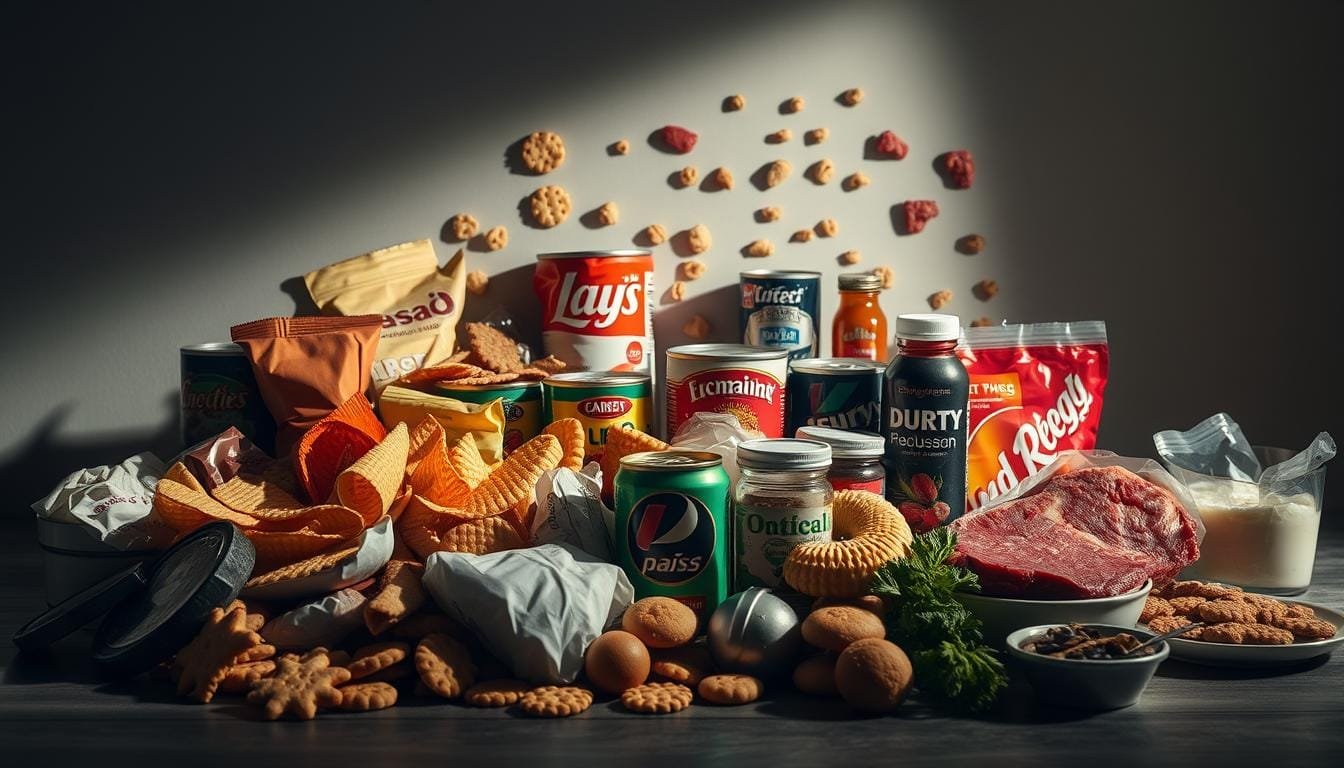
Have you ever paused to think about the incredible work your body does every single day? We often take our health for granted until a small sign reminds us how precious it truly is. Your kidneys are silent heroes, working tirelessly to filter your blood and keep you feeling your best—so having a clear foods bad for kidneys list can be a real lifesaver.
It’s a powerful realization that the choices we make at the grocery store and the dinner table can directly support or strain these vital organs. Many everyday items, even some considered healthy, can be challenging for your renal system to process, especially if its function is already compromised. This is where a well-explained foods bad for kidneys list helps you make smarter swaps with confidence.
This guide is here to be your friendly companion. We will walk you through the specific nutrients and common ingredients that can accumulate and cause harm. Our goal is to empower you with clear, practical knowledge. You will learn not just what to limit, but the reasons behind it—plus a practical foods bad for kidneys list—helping you build a sustainable and supportive eating plan for long-term vitality.
Key Takeaways
- Your daily diet has a direct impact on the well-being of your renal system.
- Even some popular “healthy” items can be difficult for these organs to handle.
- Key nutrients like sodium, potassium, and phosphorus require careful management.
- Understanding the “why” behind dietary choices empowers you to make better decisions.
- Simple adjustments can help protect your renal function and slow disease progression.
- This guide provides easy-to-understand information for confident grocery shopping.
- Creating a kidney-friendly eating plan is a proactive step toward a healthier life.
Understanding the Importance of Kidney Health
Your renal system operates like a sophisticated cleaning crew, constantly removing waste from your bloodstream. These vital organs work tirelessly to maintain your internal balance and overall health.

When your renal system functions properly, you feel energized and balanced. But when kidney function declines, it can affect your entire body.
Kidney Functions and Their Role in Overall Health
Your kidneys perform essential tasks that keep your body running smoothly. They filter your blood around the clock, removing toxins and excess fluids.
Beyond cleaning your blood, these organs produce hormones that regulate blood pressure. They also maintain the perfect balance of minerals in your system.
When kidney disease develops, waste products accumulate in your blood. This creates dangerous imbalances that impact your entire body.
The Impact of Diet on Kidney Function
What you eat directly affects how hard your kidneys must work. Healthy organs can handle varying dietary intake with ease.
But compromised kidney function requires careful dietary management. The right food choices can slow disease progression and protect your health.
Understanding this connection empowers you to make supportive decisions. Simple adjustments to your eating habits can make a significant difference.
Overview of a Kidney-Friendly Diet
When facing kidney challenges, your dietary approach becomes one of your most powerful tools. A kidney-friendly diet is specifically designed to reduce strain on your renal system by managing key nutrients.

This eating strategy focuses on balance rather than deprivation. It helps protect your remaining function while ensuring proper nutrition.
Key Nutritional Considerations for Kidney Disease
Sodium management is crucial in any renal diet. The standard recommendation limits daily sodium intake to under 2,300 milligrams.
This helps control blood pressure and prevent fluid retention. Both are critical concerns for people with kidney disease.
Potassium and phosphorus require personalized attention. The National Kidney Foundation doesn’t set universal limits for these minerals.
Your healthcare team will establish targets based on your blood test results. This ensures your diet matches your specific needs.
Protein considerations depend on your disease stage. Early-stage chronic kidney disease may benefit from moderate protein restriction.
However, dialysis patients often need increased protein. This compensates for losses during treatment sessions.
Working with a renal dietitian creates the most effective plan. They balance nutritional needs with disease management goals.
Your kidney-friendly diet will evolve as your condition changes. Regular monitoring ensures optimal support for your health.
Essential Foods Bad for Kidneys List
Certain everyday ingredients can quietly challenge your body’s natural filtration system over time. When renal function becomes compromised, ordinary items that were once harmless may suddenly require careful consideration.

This compilation highlights twenty common items that demand attention when managing kidney disease. These selections aren’t inherently unhealthy—they become problematic only when your natural cleansing capacity diminishes.
What Makes Certain Items Harmful?
Three specific minerals create the greatest challenges for compromised renal systems. Excessive sodium elevates blood pressure and promotes fluid retention.
High potassium levels can disrupt normal heart rhythms. Elevated phosphorus weakens bone structure and damages blood vessels.
Healthy organs efficiently manage these minerals. But with declining function, they accumulate and create systemic complications.
Understanding these mechanisms empowers smarter choices about portions and preparation methods. This knowledge helps protect your overall wellbeing while managing kidney disease.
High-Phosphorus and High-Potassium Concerns
The delicate balance of minerals in your bloodstream requires careful attention when supporting your body’s natural filtration. Two minerals that deserve special focus are phosphorus and potassium.
Healthy organs manage these nutrients efficiently. But when filtration capacity declines, excess amounts can accumulate with serious consequences.
How Phosphorus Affects Kidney Health
When phosphorus builds up in your blood, it triggers a concerning chain reaction. The mineral pulls calcium from your bones to maintain balance.
This process weakens bone structure over time. It also creates deposits in blood vessels and soft tissues.
“Managing mineral levels becomes essential for protecting both renal function and cardiovascular health.”
Managing Excessive Potassium Intake
Potassium is vital for nerve and muscle function. However, high potassium levels can disrupt heart rhythm.
Monitoring your intake helps prevent dangerous complications. Your healthcare team will establish personalized limits based on regular testing.
| Mineral | Primary Concern | Health Impact | Management Strategy |
|---|---|---|---|
| Phosphorus | Blood accumulation | Bone weakening, vascular issues | Limit high-phosphorus items |
| Potassium | Muscle/nerve disruption | Heart rhythm problems | Portion control, food selection |
| Phosphorus & Potassium | Joint accumulation | Systemic complications | Regular blood monitoring |
Understanding these phosphorus potassium dynamics empowers smarter choices. This knowledge supports your overall wellbeing while managing specific health needs.
Risks of Processed Meats and Packaged Meals
Processed meats and ready-made meals can secretly overload your system with excessive sodium. These convenient options often contain much more salt than homemade alternatives.
Items like hot dogs, bacon, and sausage undergo preservation methods that dramatically increase their sodium content. Manufacturers add massive amounts of salt to enhance flavor and extend shelf life.
Understanding Sodium Overload
When you consume too much sodium, your blood pressure rises. This forces your renal system to work much harder to eliminate the excess.
A single beef hot dog contains 424 mg of sodium. Just three slices of bacon pack 345 mg. These amounts make it challenging to stay within the recommended 2,300 mg daily limit.
High sodium intake creates a dangerous cycle for people with kidney disease. Elevated blood pressure damages renal function, which then struggles to remove sodium effectively.
Beyond sodium concerns, processed meats deliver concentrated protein. This produces waste products that compromised renal systems struggle to filter.
Research shows regular consumption of these items increases chronic kidney disease risk. Choosing fresh protein sources and using herbs instead of salt protects your health.
Canned Foods and the Hidden Sodium Issue
Opening a can of soup or vegetables might seem like a quick kitchen solution. Many people don’t realize the hidden sodium content lurking inside these convenient items.
Manufacturers add substantial amounts of salt as a preservative. This extends the shelf life of canned foods but creates a health concern. A single serving often contains a large percentage of your daily sodium allowance.
Popular items like soups, beans, and vegetables are affordable and convenient. Their high sodium content makes them problematic for health-conscious consumers. The amount varies by product, but some soups contain over half your daily limit.
Tips for Reducing Sodium Intake from Canned Goods
You don’t have to eliminate canned foods completely. Smart strategies can significantly reduce their sodium impact on your diet.
Choose products labeled “low sodium” or “no salt added.” Reading nutrition labels helps you compare brands. Select options with the lowest sodium content per serving.
Draining and rinsing items under cold water removes up to 40% of the salt. This simple step makes a big difference for beans, vegetables, and tuna.
| Method | Effectiveness | Ease of Use | Sodium Reduction |
|---|---|---|---|
| Choosing low-sodium brands | High | Easy | 50% or more |
| Draining and rinsing | Medium-High | Very Easy | Up to 40% |
| Reading nutrition labels | High | Moderate | Varies by choice |
| Balancing with fresh foods | Medium | Easy | Helps manage total intake |
When using canned foods, balance them with fresh, low-sodium options. This helps keep your total daily intake within healthy limits. These simple adjustments protect your wellbeing while maintaining convenience.
Dairy and Whole Grain Considerations
What seems like a healthy choice for most people may need reconsideration when supporting renal function. Common items like dairy and whole grains contain minerals that require careful management.
Differences Between Whole Wheat and White Bread
Whole wheat bread offers more fiber, making it nutritious for general health. However, its higher mineral content presents challenges for specific dietary needs.
A single slice of whole wheat bread contains about 76 mg of phosphorus and 90 mg of potassium. White bread has approximately 32 mg of each mineral. This significant difference makes white bread the better choice for mineral management.
| Bread Type | Phosphorus Content | Potassium Content | Recommended For |
|---|---|---|---|
| Whole Wheat | 76 mg per slice | 90 mg per slice | General Population |
| White Bread | 32 mg per slice | 32 mg per slice | Mineral Management |
| Multigrain | Varies (Higher) | Varies (Higher) | Check Labels |
Choosing Dairy Alternatives for Kidney Health
Dairy products provide valuable nutrients but contain substantial phosphorus and potassium. One cup of whole milk delivers 205 mg of phosphorus and 322 mg of potassium.
For those managing kidney disease, dairy alternatives offer practical solutions. Unenriched rice milk and almond milk contain dramatically lower amounts of these minerals. They provide similar satisfaction without the mineral load.
Understanding these considerations helps you make strategic choices that support your health goals while maintaining dietary enjoyment.
Fruit Woes: Avocados, Bananas, and Dried Fruits
Navigating the produce aisle requires extra awareness when certain minerals need monitoring. Many popular choices pack a surprising punch of potassium that can complicate health management.
High-Potassium Fruits and Their Impact
Avocados deliver heart-healthy benefits but contain a whopping 690 mg of potassium each. This amount makes them one of the highest sources available.
Bananas are famous for their high potassium content. A single medium banana provides 422 mg. This can quickly consume a large portion of your daily allowance.
Dried fruits become concentrated during dehydration. One cup of dried apricots contains over 1,500 mg of potassium. Prunes offer 1,270 mg per cup.
When people consume these high potassium options, excess mineral buildup can occur. This may lead to muscle weakness and heart rhythm concerns.
Fortunately, people may need to avoid these choices but can enjoy safer alternatives. Apples, berries, and pineapple offer lower potassium content while still providing sweet satisfaction.
Vegetable Preparations and Potassium Management
Simple cooking adjustments can make favorite vegetables safer for those monitoring mineral intake. You don’t need to eliminate nutritious options entirely.
With smart techniques, you can significantly reduce potassium content in many vegetables. This allows people kidney disease to enjoy a wider variety of foods.
Methods to Reduce Potassium in Vegetables
Potatoes present a particular challenge due to their high mineral levels. A medium baked potato contains 610 mg of potassium.
The leaching method involves cutting potatoes into small pieces before soaking. Research shows soaking for 5-10 minutes reduces potassium by up to 20%.
Boiling potatoes in large amounts of water provides even greater reduction. Starting with cold water helps draw out more mineral content.
Smart Cooking Techniques for Kidney Health
Leafy greens like spinach require different consideration. Cooking shrinks their volume but maintains the same potassium content.
This means people kidney disease might consume more potassium from cooked greens than intended. Raw preparations often provide better portion control.
Always discard water used for boiling vegetables. Never reuse it in soups or sauces where minerals concentrate.
| Vegetable Type | Preparation Method | Potassium Reduction | Best For |
|---|---|---|---|
| Potatoes & Sweet Potatoes | Soaking + Boiling | Up to 50% | Main dishes |
| Leafy Greens | Raw preparation | Portion control | Salads |
| Root Vegetables | Peeling + Boiling | 30-40% | Side dishes |
| All Vegetables | Discarding cooking water | Prevents reabsorption | All preparations |
These techniques help manage your kidney health while expanding dietary options. Simple changes make a significant difference in mineral intake.
Navigating Additives in Sodas and Beverages
That refreshing fizzy drink might contain more than just sugar. Many popular beverages, especially dark-colored sodas, include additives with a specific mineral that can be tricky for your system to manage.
Manufacturers often add phosphorus to their products during processing. This helps improve flavor, extend shelf life, and maintain color.
Understanding Phosphorus Additives in Dark-Colored Sodas
The phosphorus found in these additives is different from the natural kind in food. It is not bound to protein but is in a salt form.
Your body absorbs this type of phosphorus much more easily. Studies show absorption rates can be 90% or higher, compared to just 40-60% for natural sources.
A standard 12-ounce cola contains about 33.5 mg of this mineral. Some dark sodas pack 50 to 100 mg per 200 mL serving.
This highly absorbable content goes straight into your bloodstream. It can quickly contribute to mineral imbalance.
It’s important to check ingredient lists on these products. Look for words containing “phos” to identify added phosphorus.
While most dark sodas are high in this mineral, root beer is a notable exception. It contains very little phosphorus or potassium, making it a safer occasional choice.
Managing your intake of these beverages is a straightforward step. It supports your overall well-being by reducing the load of easily absorbed minerals.
Smart Substitutions for Kidney-Friendly Eating
Transforming your eating habits doesn’t mean giving up flavor—it’s about discovering delicious alternatives that support your wellbeing. For individuals managing kidney disease, these smart swaps make meal planning both enjoyable and effective.
Finding the right replacements allows you to maintain a varied and satisfying diet. This approach focuses on what you can enjoy rather than restrictions.
Healthier Alternatives to High-Risk Foods
When oranges pose challenges due to potassium content, consider grapes, apples, or cranberries instead. These fruits deliver similar sweetness with significantly lower mineral levels.
Pineapple offers a tropical twist that’s much gentler on your system than bananas or mangoes. Its bright flavor brings excitement to your meals without the potassium overload.
For grain-based dishes, swap brown rice for bulgur, buckwheat, or pearled barley. These options provide excellent texture while being easier on your kidneys.
Tomato sauces can be replaced with roasted red pepper alternatives. They offer rich color and flavor with far less potassium per serving.
Dairy products have excellent substitutes too. Unsweetened almond milk, rice milk, or coconut milk contain fewer problematic nutrients. For cheese lovers, options like mozzarella, Swiss, or goat cheese work well in controlled portions.
Building this repertoire of smart substitutions ensures your diet remains sustainable and enjoyable. You’re not just eliminating items—you’re discovering new favorites that support your health goals.
Guidelines for Balancing Nutrient Intake
Your journey toward kidney-friendly eating begins with personalized guidelines that match your health status. What works for someone with early-stage concerns differs greatly from recommendations for advanced conditions.
This personalized approach ensures your diet supports your specific needs without creating unnecessary restrictions. The right balance protects your wellbeing while maintaining nutritional adequacy.
Dietitian-Recommended Nutritional Limits
Professional guidance becomes essential when managing chronic kidney disease. A registered dietitian creates targets based on your lab results and disease progression.
Sodium restriction remains consistent across most stages—typically under 2,300 mg daily. This helps control blood pressure and fluid balance.
“Personalized nutritional plans evolve as your condition changes, ensuring optimal support throughout your health journey.”
Potassium and phosphorus limits vary significantly between individuals. Your dietitian determines the safe amount based on your kidney function tests.
Practical Tips for Planning Meals
Meal preparation strategies make nutrient management achievable. Reading labels helps you track your daily intake of key minerals.
People with kidney disease may need different approaches at various stages. Early management might involve modest changes, while advanced disease requires careful monitoring.
Home cooking gives you control over ingredients and portions. Measuring servings ensures you stay within your recommended amount for each nutrient.
Regular consultations with your healthcare team keep your diet aligned with your changing needs. This proactive approach supports long-term health management.
Check This
- Diet Plan for Menopause Weight Loss: Because Hot Flashes Won’t Burn Calories
- How to Lose Weight After a Hysterectomy Without Joining a Broccoli Cult
Conclusion
Empowering yourself with dietary knowledge provides a powerful strategy for managing renal wellness. This guide has highlighted items to limit, including dark sodas, processed meats, and high-mineral fruits.
Understanding why certain ingredients challenge your system helps you make informed choices. The progression from early chronic kidney concerns to more advanced stages isn’t inevitable.
Your personalized approach to nutrition will evolve with your health status. Regular consultations with healthcare professionals ensure your plan remains effective.
Discovering satisfying alternatives makes this journey sustainable. Protecting your renal function through better eating habits supports your overall quality of life.
Remember, this isn’t about perfection but consistent, thoughtful decisions. Each smart choice reduces strain on your system and moves you toward better wellness.
FAQ
Why is a kidney-friendly diet so important for people with chronic kidney disease?
A kidney-friendly diet is crucial because it helps manage the workload on your kidneys. When kidney function declines, they struggle to remove waste products like excess sodium, phosphorus, and potassium from your blood. By limiting these minerals, you can help control blood pressure, reduce fluid retention, and protect your bones, slowing the progression of kidney disease.
What are the main nutrients I need to watch if I have kidney issues?
The key nutrients to monitor are sodium, phosphorus, and potassium. Too much sodium can raise blood pressure and cause swelling. High phosphorus can weaken bones and lead to calcium deposits in blood vessels. Excessive potassium can affect your heartbeat. Your dietitian will help you set the right intake limits based on your specific stage of kidney disease.
Are all fruits and vegetables off-limits on a renal diet?
A> Not at all! While some, like avocados, bananas, and oranges, are high in potassium and need limiting, many others are great choices. Apples, berries, cauliflower, and onions are often recommended. The goal is to choose lower-potassium options and use cooking methods, like boiling, that can reduce the potassium content in certain vegetables like potatoes.
Why are processed foods and canned goods so bad for kidney health?
These products are often loaded with sodium and phosphorus additives to enhance flavor and extend shelf life. This hidden sodium can quickly push your daily intake over the limit, straining your kidneys. Opting for fresh or frozen foods and choosing “no salt added” or “low sodium” canned versions are much smarter choices for your renal health.
Can I still drink milk and eat dairy if I have kidney disease?
Dairy products like milk and yogurt are high in both phosphorus and potassium. Your body absorbs phosphorus from dairy very easily. Depending on your blood test results, your healthcare team may advise limiting or choosing alternatives like unenriched rice milk or almond milk, which typically have lower levels of these minerals.
What are some simple swaps I can make for a more kidney-friendly diet?
There are many easy substitutions! Try using fresh herbs instead of salt for flavor. Choose white bread over whole wheat to lower phosphorus intake. Snack on apple slices instead of potato chips. Pick lean fresh meats like chicken or fish over processed meats like bacon and deli meats. These small changes can make a big difference in supporting your kidney function.