
How soups help weight loss: appetite, calories, and protein
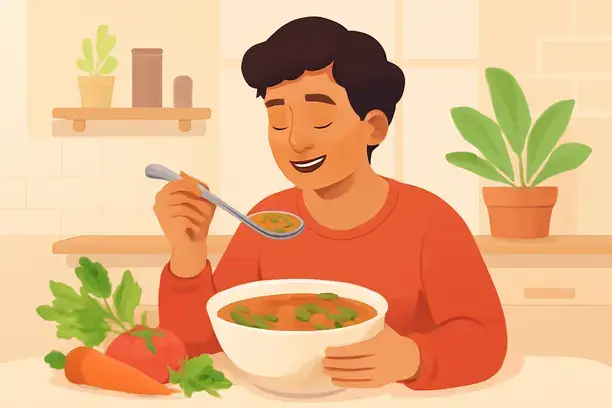
Good soup for weight loss is more than just a meal—it’s an effective, filling way to curb cravings, stay satisfied, and support weight loss without feeling deprived. A well-made soup can fill you up, reduce your calorie intake, and make it easier to manage your appetite throughout the day.
Disclosure: This article contains affiliate links. We may earn a commission at no extra cost to you.
A good soup for weight loss does more than just cut calories—it changes how your body responds to meals. Broth-based soups loaded with fiber-rich vegetables or legumes add volume and fluid without piling on calories. That extra volume gently stretches your stomach and signals your brain that you’re satisfied, helping you feel full faster and snack less between meals.
Science backs this up. Studies show that people who eat a low-calorie soup before their main course consume significantly fewer calories overall compared to those who skip the soup. The mix of liquid and solids slows digestion, keeping you satisfied longer and reducing the urge to reach for more food Source: National Institutes of Health.
Protein takes soup’s weight-loss power to the next level. Adding lean sources like chicken, tofu, or lentils makes your soup more filling and helps curb cravings shortly after eating. Aim for 10–20 grams of protein per meal to maximize this effect.
Fiber-rich ingredients like beans, whole grains, and non-starchy vegetables work alongside protein by slowing digestion and supporting gut health.
Not all soups deliver these benefits. Cream-based or heavily processed options often sneak in extra calories, high sodium, and fewer nutrients—sabotaging your progress. Stick with homemade or minimally processed broth-based soups that include lean protein and natural fiber. If your soup falls short on protein, pair it with a boiled egg or plain Greek yogurt to stay fuller longer.
Soup-based plans like the 14-Day Rapid Soup Diet use these principles to control appetite while keeping calories in check and prep times short.
- Bigger servings, fewer calories: Hearty bowls let you eat satisfying portions without overdoing it.
- Enhanced satiety: Protein and fiber together help regulate appetite hormones, making portion control easier.
- Hydration support: Brothy soups boost your daily fluid intake, which can mildly reduce hunger.
For those looking for structured guidance or exploring benefits like improved lymphatic health, the Rapid Soup Detox System offers clear meal plans and protocols.
While results vary from person to person, adding nutritious, protein-rich soups to a balanced diet is an evidence-backed strategy for controlling appetite and supporting weight loss over time Source: Harvard T.H. Chan School of Public Health. No single soup or diet guarantees overnight transformation, but using soup strategically can support sustainable eating habits and lasting change.
For more meal ideas that follow these principles, check out our healthy dinner recipes for weight loss.
Safety, risks, and who should avoid restrictive soup or detox diets
Restrictive soup-only and detox diets promise fast weight loss, but they’re not safe or suitable for everyone. Pregnant and breastfeeding individuals, minors, and people managing chronic conditions like diabetes, kidney disease, or heart problems should steer clear. Those with a history of eating disorders also face serious risks, as restrictive plans can trigger or worsen disordered eating patterns.
Always consult your healthcare provider before making major dietary changes. Jumping into a restrictive soup or detox diet without guidance can do more harm than good.
Much of the initial weight you’ll lose on strict soup or detox plans comes from water, not fat. Very low-calorie diets can lead to nutritional gaps that cause dizziness, fatigue, brain fog, or stomach upset from sudden fiber increases. Prolonged restriction might slow your metabolism, weaken your immune system, and set off rebound hunger or unhealthy eating behaviors.
If you experience ongoing fatigue, dizziness, digestive issues, or fainting, stop the diet immediately and get medical advice Source: Academy of Nutrition and Dietetics.
It’s tempting to lean on one “magic” food or soup for weight loss, but real, sustainable results come from balanced nutrition. Weaving nourishing soups into a varied diet with whole grains, lean proteins, and healthy fats is safer and more effective Source: NHS.
If you want to enjoy the weight-loss perks of soup without compromising your health, work with your provider to set realistic calorie and nutrient goals tailored to your needs and any medications you’re taking.
Soups packed with vegetables, fiber, and protein offer volume and fullness on calorie-conscious plans, helping you manage cravings as part of a smart, balanced approach. Structured programs like the 14-Day Rapid Soup Diet provide guided meal plans emphasizing moderation over extreme restriction—ideal for adults seeking convenient weight-loss support.
Long-term health requires a safe, practical strategy rather than quick fixes. Always prioritize safety, work with your healthcare team, and use soup as a helpful component—not the sole foundation—of your weight management plan.
For science-backed diet options focused on lasting results, see our review of the best diets for sustainable weight loss.
Looking for a shortcut that doesn’t sacrifice your health? A structured soup plan can offer guidance and peace of mind—without the dangers of extreme restriction.
Realistic expectations and transitioning to sustainable eating
After a week of soup-focused eating, seeing quick changes on the scale is normal—but most of it’s water loss rather than body fat. While that can give you a motivational boost, think of it as a jumpstart, not the finish line.
Real, sustainable fat loss depends on building consistent habits over time. Once your short-term soup phase wraps up, gradually reintroduce balanced meals with quality protein, whole grains, and fiber-rich vegetables. Keeping your protein intake steady helps preserve lean muscle, while a moderate calorie deficit supports healthy, long-term weight loss.
Soup should complement your broader healthy eating pattern—not replace it entirely.
Key strategies to support your transition include:
- Plan ahead: Prep soup portions but also have proteins, vegetables, and wholesome carbs on hand for variety.
- Tune into hunger cues: Learn to tell true hunger apart from habitual snacking; soup’s volume can help you stay full while you figure this out.
- Add movement: Incorporate daily walks or light workouts to support your metabolism and steady fat loss. For motivation tips, check out our guide on staying motivated to exercise.
Focus on overall consistency rather than stressing over single meals or detox phases. If you overeat or slip up, don’t panic—sustained weight management comes from gently returning to balanced habits, not extreme corrections.
Practical strategies for managing hunger and cravings are available in our hunger control guide.
When used intentionally, soup-based plans can reset your palate and routine. But the healthiest results come from sustainable patterns that don’t leave you feeling deprived. Adding structure like meal planning, moderate calorie tracking, and regular physical activity makes a bigger, more lasting difference than any quick fix alone.
For easy ways to maintain a calorie deficit comfortably, explore our guide to maintaining a calorie deficit.
If you want support making soups and balanced eating work for you, the 14-Day Rapid Soup Diet program offers a flexible, done-for-you meal plan with adaptable, high-satiety recipes you can integrate into your long-term approach.
Remember, realistic, balanced routines build the foundation for lasting success, while chasing drastic, short-term changes often backfires. For immediate help to kickstart your journey, consider the Rapid Soup Detox, a digital meal plan designed to launch healthy habits for the long haul.
Public health authorities also provide research-based advice on transitioning to sustainable diets; see guidance from Harvard T.H. Chan School of Public Health for further support.
Nutrition breakdown: macros, fiber, sodium — what a weight-loss soup provides
Understanding macros in a good soup for weight loss
For a soup to truly support weight loss, macronutrient balance matters as much as calories. An effective weight-loss soup delivers 15–30 grams of protein per serving to help you preserve muscle and stay satisfied. Look for chicken, turkey, lentils, or beans—they pack substantial protein without a heavy calorie load.
Simple vegetable or mushroom broths, on the other hand, tend to be low in protein and won’t keep you full nearly as long.
Carbs should come mainly from vegetables and legumes, which offer slowly digesting starches and dietary fiber. Fiber helps steady blood sugar and improves satiety. Aim for 6–10 grams of fiber per serving to support your digestion and appetite.
Classic options like minestrone or lentil soup often deliver more than 7 grams of fiber per serving, keeping you fuller on fewer calories.
Sodium: essential for flavor, but watch the excess
Sodium enhances soup flavor, but too much can lead to water retention and raise blood pressure for those sensitive to salt. Many store-bought soups contain more than 600 mg of sodium per serving—sometimes far more. When cooking at home, choose unsalted broths and season with herbs, spices, and citrus to keep sodium moderate.
If you’re using canned soups, always check labels and consider rinsing canned beans to cut back on sodium.
Those monitoring sodium for health reasons will benefit from practical tips in our low-sodium diet guide.
Micronutrient considerations and ingredient swaps
Soups rich in animal protein supply iron and B vitamins but may lack fiber. Vegetable- or legume-focused soups provide plenty of fiber but can fall short on vitamin B12, especially for vegetarians and vegans. To bridge these gaps, toss in varied vegetables, leafy greens like spinach or kale, and nutritional yeast for added B12.
Fortified broths and beans boost mineral and fiber content without adding many calories.
For plant-based meal ideas that combine flavor and nutrients effectively, check out our vegan weight-loss plan.
Sample macro profile: what does a weight-loss soup provide?
- Chicken-vegetable soup (2 cups): 180–250 kcal, 20–25g protein, 8g fiber, 500mg sodium
- Lentil-tomato soup (2 cups): 200–300 kcal, 15–20g protein, 9–11g fiber, ~400mg sodium
- Basic vegetable broth (2 cups): 60–100 kcal, 3g protein, 4g fiber, 600mg sodium (store-bought unless low-sodium)
Combining fiber-rich and protein-packed soups remains the gold standard for a good soup for weight loss.
Optimizing your soup routine
If you’re avoiding animal proteins, keep an eye on B12 and iron. Include beans, greens, and fortified foods to avoid deficiencies. For personalized nutrition advice—especially if you have health concerns—consult a registered dietitian.
With the right adjustments, soup can be a powerful, nutritious tool for fullness and sustainable fat loss.
If you want fully designed meal plans and recipes that hit these targets, check out the 14-Day Rapid Soup Diet system.
Ready to get started? The Rapid Soup Detox system offers accelerated results with done-for-you soup plans designed for macro balance and fat loss.
For more on adjusting macronutrients, see our guide: What macros should I eat to lose weight?
Remember, the best weight-loss soups focus on maximizing satiety, preserving muscle, and meeting nutrient needs bowl after bowl—not just slashing calories.
Source: Centers for Disease Control and Prevention
Source: Harvard T.H. Chan School of Public Health – Protein: Moving Closer to Center Stage
How to evaluate canned and store-bought soups for weight-loss goals
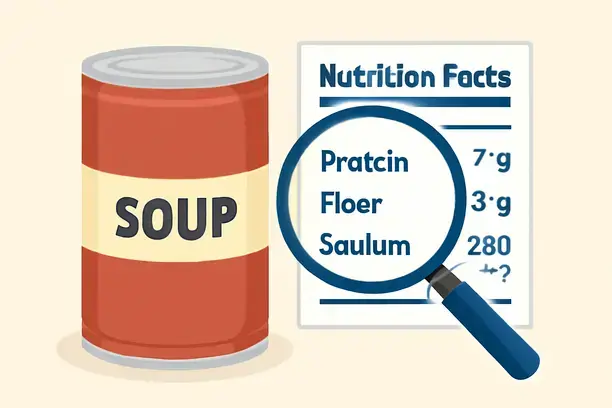
When picking a good soup for weight loss at the store, learning to read labels is key. Start by looking for soups with at least 8–10 grams of protein per serving to boost fullness and reduce the risk of overeating later. Next, check the fiber content—soups with 3–5 grams per serving, often those loaded with beans, lentils, or chunky vegetables, help curb hunger and support digestion.
Skip cream-based soups and go for broth- or tomato-based varieties to keep calories and saturated fat in check.
Sodium is another important factor—ideally, stay under 600 mg per serving. Watch out for labels that list nutrition per half a container; eating the whole can could double your calories, sodium, and other values. Also, steer clear of soups featuring cream, cheese, bacon, or words like “cheddar,” “bisque,” or “cream” in the name. These often pack extra calories and fat.
To boost both nutrition and fullness, choose soups that include beans, chickpeas, lentils, chicken breast, or plenty of colorful vegetables. If your canned soup falls short, upgrade it at home by tossing in frozen spinach, riced cauliflower, or shredded rotisserie chicken.
These simple tweaks improve nutrient density and keep you fuller longer Source: FDA Nutrition Facts Label Guidance.
Keep in mind that brands often reformulate recipes or change serving sizes. Always read ingredient lists carefully—don’t assume “healthy” marketing equals a solid nutritional profile. Avoid soups with ingredients like “hydrolyzed protein,” “partially hydrogenated oils,” or “corn syrup” high on the list, as these signal less wholesome formulations.
Pairing soups wisely—like with fresh fruit or raw vegetables on the side—can add crunch and fullness while keeping you in a calorie deficit. For more tips on feeling satisfied on fewer calories, see our article on how to feel full on a calorie deficit and on nutrient-dense foods that support weight loss.