
Essential Food Safety for Cooking Ground Turkey
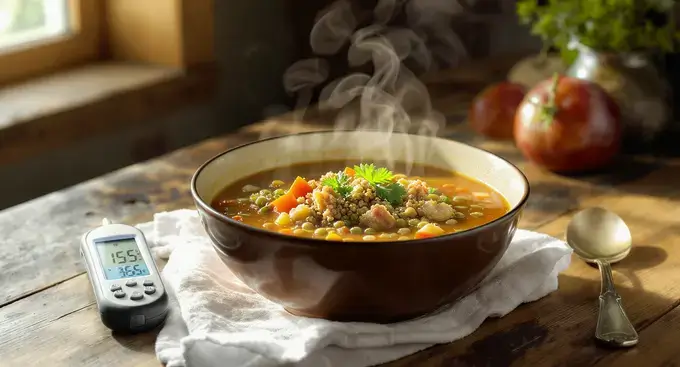
Ground turkey and lentil soup is delicious and safe when you follow a few key food safety steps. Ensure ground turkey reaches an internal temperature of 165°F (74°C) to reliably kill harmful bacteria and avoid any risk of foodborne illness.
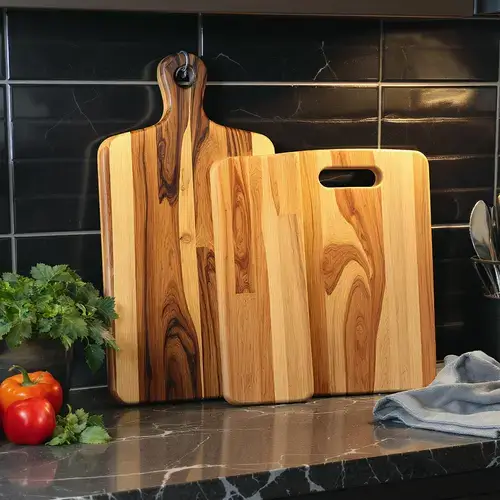
Before you begin cooking, set up a clean workspace. Wash your hands thoroughly with soap and warm water, and use separate cutting boards and utensils for raw poultry and your vegetables. Never return cooked food to a surface or plate that held raw meat—cross-contamination is one of the most common causes of foodborne illness at home.
Here’s something worth knowing: color is not a reliable indicator of doneness for ground meat. Turkey can turn brown well before it reaches a safe temperature, leaving pathogens like Salmonella and Campylobacter very much alive. The only trustworthy method is a calibrated digital meat thermometer inserted into the thickest part of the meat.
Why “Browned But Not Fully Cooked” Is a Dangerous Guideline
Relying on color alone is a real health risk. The grinding process exposes far more surface area to heat, which causes premature browning without actually destroying bacteria throughout the meat. Once your turkey safely hits 165°F, you’re clear to add your broth, lentils, and vegetables. For more ideas on what to do with ground turkey, check out our guide to healthy dishes to make with ground turkey.
After the meal, refrigerate any leftover soup within two hours—or within one hour if your kitchen is warmer than 90°F. Use shallow containers to help it cool quickly, and always reheat leftovers to a steaming 165°F before serving again.
How to Properly Cook Lentils to Perfect Tenderness
Not all lentils behave the same way, and knowing their differences makes a real difference in your soup. Brown and green lentils typically take about half an hour to become tender, while red lentils cook fastest—breaking down into a creamy texture in less time.
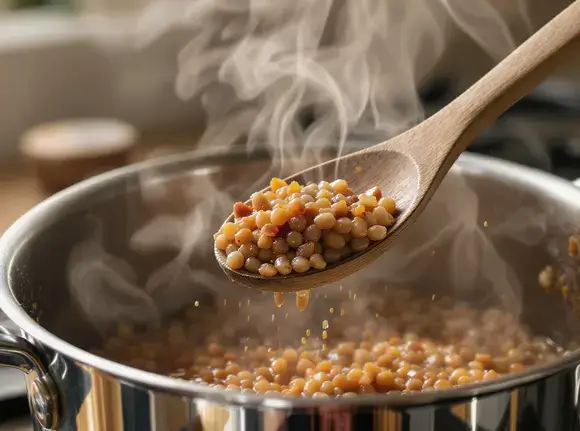
As a general guide, use plenty of liquid for simmering lentils. Bring them up to a rapid simmer, then immediately reduce to a gentle, steady bubble. Boiling too aggressively can leave the outsides mushy before the centers soften. Also, hold off on adding salt or acidic ingredients like tomatoes until after the lentils are mostly cooked—these can interfere with proper softening.
The Doneness Test: Beyond “Cook Until Tender”
Rather than relying on vague timing, use a simple physical test. A few minutes before the suggested cook time is up, scoop out a few lentils and press them between your fingers. They should yield easily without any resistance, but shouldn’t dissolve into paste. Better yet, taste one—it should be uniformly soft with no hard or gritty center.
If they’re still crunchy past the expected time, the water likely cooked off too quickly. Add a splash of hot water and keep simmering, checking every few minutes. It’s also worth giving lentils a quick rinse in a fine-mesh strainer before cooking—dust and debris are a surprisingly common cause of that gritty texture.
Troubleshooting Common Texture Problems
Mushy lentils usually mean they were boiled too hard or too long. If you want them to hold their shape—for salads or heartier dishes—stick with brown, green, or French lentils and keep the simmer gentle. For a thick, creamy ground turkey and lentil soup, red lentils work well since they naturally break down into the broth.
Old lentils are another frequent culprit. Lentils that have been sitting in your pantry for years can take longer to cook and may never get fully tender. Store them in a cool, dark place and aim to use them within a year of purchase for the most consistent results. For more wallet-friendly meal ideas, browse our resource on healthy meals on a budget.
Can you add lentils to ground turkey?
Absolutely. Combining lentils with ground turkey is an easy way to build a hearty, nutritious meal—whether it’s a soup, stew, or skillet dish. Lentils absorb the flavors of your broth and seasonings, while providing fiber, plant-based protein, and a satisfying texture that pairs well with turkey.
Building a Complete Protein with Lentils and Turkey
Protein “completeness” refers to whether a food contains all nine essential amino acids your body needs. Animal proteins like turkey are considered complete on their own. Most plant proteins, such as lentils, are missing some essential amino acids.
Lentils are rich in lysine but relatively low in methionine. Turkey, on the other hand, provides ample methionine alongside a full spectrum of essential amino acids. When you combine the two in a dish like ground turkey and lentil soup, the turkey fills in the lentils’ amino acid gaps, creating a complete protein profile.
This is known as protein complementation—pairing two incomplete sources so they cover each other’s shortfalls. The result gives your body the full set of building blocks it needs for protein synthesis, muscle repair, and healthy metabolic function.
For plant-based eaters, the same logic applies. Legumes like lentils pair well with grains, seeds, or nuts to create complete proteins, because legumes tend to be lysine-rich but methionine-poor, while grains are the opposite. It’s a natural fit.
That said, it’s not necessary to plan every meal around perfect pairings. Your body maintains an amino acid pool throughout the day, so eating complementary proteins across various meals generally does the job. This flexibility makes healthy meal planning easier and more sustainable long-term.
Is lentil soup healthy or fattening?
Lentil soup is one of the healthier options you can enjoy. It’s high in fiber and plant-based protein, packed with vitamins and minerals, and relatively low in calories and fat. Whether it is “fattening” depends on your recipe—a broth-based version with lean protein and plenty of vegetables is a great choice for weight management and everyday nutrition.
Understanding Gluten-Free Claims and Cross-Contamination
When preparing a dish like ground turkey and lentil soup, the “gluten-free” label on your lentils doesn’t always tell the complete story. Lentils are naturally gluten-free, but they’re at risk for cross-contamination. Shared equipment in facilities that also process wheat, barley, or rye can leave trace amounts of gluten behind—even in products that look perfectly clean.
Research supports this concern: lentils are particularly prone to cross-contact with gluten-containing grains, often because they’re grown in rotation with wheat and harvested using shared machinery. Unless your lentils carry a certified gluten-free designation, there’s a chance of hidden gluten making its way into your soup.
Understanding Certified Labels
The FDA’s gluten-free labeling rule requires that foods bearing that claim contain less than 20 parts per million (ppm) of gluten. However, this is a voluntary standard—brands aren’t required to test or certify. For highly sensitive individuals or those with celiac disease, third-party certifications like GFCO offer stronger assurance through regular testing and facility audits.
When shopping, look beyond the simple “gluten-free” statement on the package. Certified products are held to a higher standard, with scrutiny applied to the entire supply chain and processing environment. That extra step matters most with ingredients like lentils, which carry cross-contamination risk.
Practical Kitchen Safety
Even with certified ingredients, your own kitchen can introduce contamination. Here are the key habits for keeping a truly gluten-free cooking environment:
- Dedicated utensils: Use separate colanders, cutting boards, and wooden spoons for gluten-free cooking. Porous materials can harbor gluten particles even after washing.
- Thorough cleaning: Wash all surfaces, pots, and pans with soap and water before starting any gluten-free meal.
- Ingredient storage: Keep gluten-free flours and grains in sealed containers, stored away from wheat-based products.
- Oil and water management: Never reuse cooking oil or boiling water that has previously contacted gluten-containing foods.
For broader guidance, explore our resource on common gluten-free foods and safe practices.
Slow Cooker Safety and Best Practices
A slow cooker is a great tool for making ground turkey and lentil soup—but it comes with a few important safety rules. Start with placement: set your slow cooker on a flat, stable surface away from walls or anything flammable, leaving several inches of clearance on all sides for ventilation.
Never start with frozen ingredients. The USDA is clear—always thaw meat or poultry completely before adding it to a slow cooker. Frozen meat heats too slowly, keeping it in the “danger zone” between 40°F and 140°F for longer than is safe, which is when bacteria can multiply.
Resist the temptation to lift the lid. Every time you do, heat escapes and the internal temperature drops, increasing the time your food spends in that danger zone. It’s a small habit but makes a big difference for safety.
For best results, fill the slow cooker between half and two-thirds full for even heat circulation. Use a food thermometer to confirm your soup reaches 165°F before serving. For more slow-cooker-friendly recipes, browse our collection of healthy dishes to make with ground turkey.
About leftovers: don’t reheat them in the slow cooker. Bring them up to 165°F on the stove, in the oven, or in the microwave first—then transfer to a preheated slow cooker if you want to keep them warm for serving.
Can you make turkey soup with lentils?
Definitely. Turkey soup with lentils is a classic, satisfying combination that works whether you use cooked shredded turkey or ground turkey. Simply add rinsed lentils directly to your broth along with vegetables and seasonings—they’ll cook right in the pot, thickening the broth and adding real heartiness to every bowl.
Sources
- USDA – What is a safe internal temperature for cooking meat and poultry?
- USDA FSIS – Campylobacter
- The Kitchn – How to Cook Lentils on the Stove
- NIH – Protein quality evaluation
- NIH PMC – Gluten cross-contamination in foodstuffs
- FDA – Gluten-Free Labeling of Foods
- USDA Food Safety and Inspection Service – Slow Cookers and Food Safety
- Colorado State University Extension – Crockpot and Slow Cooker Food Safety