Author credibility & nutrition sourcing
Healthy vegetable soup recipes stand out when they come from trusted sources and provide clear nutrition facts, so you can feel confident in each bite. These recipes are most reliable when authors display their credentials and every nutritional claim is backed by reputable data.
Disclosure: This article contains affiliate links. We may earn a commission at no extra cost to you.
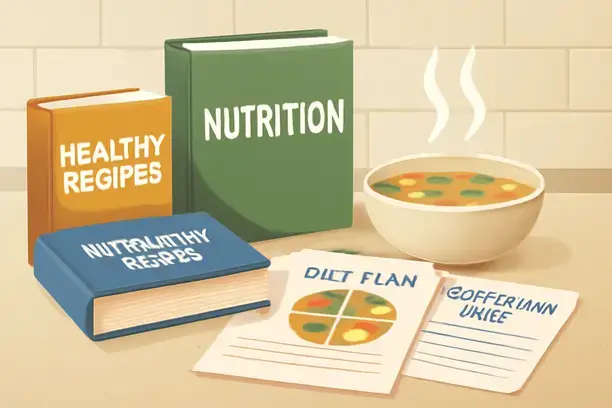
Trust in a healthy vegetable soup recipe starts with knowing who’s creating the advice and how the nutritional data gets verified. A concise author box highlighting culinary credentials or registered dietitian experience reassures you that the guidance is skill-based, not just opinion.
When you see nutritional information, it should cite recognized resources like the USDA FoodData Central database. This tool offers transparent, regularly updated calorie and micronutrient values for common produce and soup ingredients.
Linking a soup’s nutrition facts directly to a reputable source lets you verify calories, fiber, vitamins, and more—based on standardized data rather than guesswork.
For any health or weight-loss claims—like heart health benefits or appetite control—look for references to authoritative bodies such as the American Heart Association or peer-reviewed scientific studies. Broad promises without strong consensus in reputable medical literature deserve skepticism.
Well-sourced claims help you make informed choices, especially when soups are promoted for fat loss or metabolic support. Structured programs like the 14-Day Rapid Soup Diet add confidence through evidence-backed recipes and organized meal plans.
For examples of health-forward and thoroughly sourced recipes, explore collections of quick and nutritious meals from experienced creators, which often link nutritional claims to academic or regulatory sources.
Ultimately, author transparency and clear nutrition sourcing transform a healthy vegetable soup from just another recipe into a trusted choice. When you can verify both the creator and the authority behind nutrition claims, you’re more likely to cook and benefit from the meal.
Consider combining expert recipes with structured plans like the 14-Day Rapid Soup Diet system for a curated, results-driven approach.
How these soups support health, weight loss, or “detox”
Healthy vegetable soup can help you eat more veggies, feel fuller, and manage your weight—without bland meals or complicated prep. If you’re tired of diets that leave you hungry, soup-based eating offers a satisfying alternative.

“Detox” soups for health or weight loss usually refer to nourishing, hydrating meals rich in fiber and micronutrients that help increase vegetable intake and promote fullness without high calories.
These soups aren’t medical cleanses or substitutes for treatment, so discussing any major dietary changes with a healthcare provider is essential.
Here’s a closer look at how a few classic healthy vegetable soups align with these goals:
- Classic Vegetable Soup: Contains tomatoes, carrots, celery, and leafy greens. Typically 80–120 calories per bowl with 3–6 grams of fiber, supporting satiety and digestive health. Its vitamins C and A, plus potassium, aid hydration and immune function.
- Cabbage Soup: Known from “7-day soup” diets, it’s very low-calorie (25–60 per cup) and high-volume, promoting fullness with minimal energy. Its water and fiber help reduce cravings and stabilize blood sugar, but it’s low in protein and best used within a balanced plan.
- Lentil & Spinach Soup: Lentils boost protein to 8–11 grams and fiber to 6–9 grams per cup, helping control hunger and support muscle while losing weight. It also offers iron and B vitamins, valuable especially for vegetarians.
- Zucchini Basil Soup: Usually creamy and herbaceous but low in calories (under 70 per cup) and dairy-free. Zucchini adds potassium and antioxidants; basil provides anti-inflammatory compounds—making it great as a light, hydrating option after rich meals.
These soups support weight loss primarily through volume eating: their high water and fiber content fills you up on fewer calories, easing calorie control without hunger.
They also increase vitamin and mineral intake, support gut health, and replace more processed, calorie-dense foods in your diet (Source: Harvard Health).
For a structured, convenient approach, the 14-Day Rapid Soup Diet offers science-backed soup recipes with meal guides and support, helping maintain healthy habits and curb cravings.
Remember, these soups aren’t treatments or cures. Sustainable weight loss and detoxification require combining balanced eating with regular physical activity and good sleep.
Always consult health professionals before making significant diet changes. Explore nutrient-dense foods for weight loss for more balanced meal ideas.
Disclaimer: These tips are informational and not medical advice. Consult healthcare providers before diet changes.
Is vegetable soup healthy to lose weight?
Yes, vegetable soup can be helpful for weight loss due to its low calorie density and high fiber and water content. These factors promote fullness and reduce overall calorie intake when combined with a balanced diet and physical activity.
Storage, reheating and food-safety guidance
Making a big batch of healthy vegetable soup? Smart storage and reheating keep every bowl safe, tasty, and ready when you need it—no last-minute stress.
Proper storage and reheating are crucial for keeping healthy vegetable soup safe and delicious. After cooking, transfer soup to shallow containers and cool it to room temperature within two hours to inhibit bacterial growth.
Once cooled, cover and refrigerate the soup for up to 3–4 days. For longer storage, portion soup into freezer-safe containers or bags, removing excess air. Frozen soup retains quality for up to 3 months.
Thaw frozen soup overnight in the refrigerator for best texture. Quick thaw in a microwave is acceptable but watch for uneven heating.
Reheat gently on the stovetop over medium-low heat, stirring frequently to avoid scorching. For creamy soups, separation or thickening after storage is common; whisk in broth, water, or milk to restore consistency.
Be cautious when blending hot soup: leave the blender lid vented and cover with a towel to prevent steam buildup and splattering. Reheat leftovers to a rolling boil or 165°F (74°C) to kill bacteria, and avoid reheating more than necessary, as repeated temperature cycling can increase foodborne risk.
Discard soup with off smells, strange textures, or left out over two hours at room temperature. For comprehensive safety advice, refer to the USDA’s guidance on soup and stew safety.
Following these practices preserves nutrition and flavor, making batch cooking convenient and worry-free. Browse wholesome recipes for more plant-forward meals at Essential Healthy Vegetable Recipes.
If you want ready-made soups with storage tips included, the 14-Day Rapid Soup Diet offers recipes and guidance designed to fit busy schedules without sacrificing health.
For additional meal ideas, see our selections of nutritious family meals everyone will enjoy.
What is the secret ingredient in vegetable soup?
The secret ingredient is often a combination of fresh herbs, a quality broth, and umami-rich vegetables like tomatoes or mushrooms. These build depth of flavor without added fat or calories and enhance the soup’s health benefits.
If you’re looking for a shortcut to healthy, satisfying meals—even on your busiest days—check out the done-for-you soup meal plans for extra convenience.
Dietary tags and allergen callouts (with simple substitutions)
Dietary Tags for Healthy Vegetable Soup
Clear dietary tags help people find soups that fit their nutritional needs:
- Vegetarian: Made with vegetables and vegetable stock only.
- Vegan-option: Use plant-based stock and omit dairy.
- Gluten-free: Substitute gluten-containing stock, noodles, or thickeners with gluten-free alternatives like rice or gluten-free pasta.
- Dairy-free: Avoid cream, butter, and cheese; use plant-based substitutes.
Major Allergen Callouts
Though vegetable soups tend to be low risk, some common allergens may occur:
- Milk: Present if dairy cream, butter, or cheese is added.
- Gluten: Check noodles, flour, or barley in broth or thickening agents.
- Nuts: Nut milk or nuts for creaminess may be used in some recipes.
- Soy: Soy-based broths or miso in Asian-style soups.
- Celery: Mandatory allergen labeling in certain regions like the UK/EU.
Simple Substitutions for Special Diets
- Swap dairy cream for coconut milk or oat cream for vegan and dairy-free options.
- Use gluten-free pasta, rice, or quinoa instead of wheat-based noodles.
- Replace cow’s milk with nut or soy milk if allergies permit.
- Use oil or vegan margarine instead of butter to avoid dairy.
Boost soup protein by adding canned beans, cooked lentils, rotisserie chicken, or tofu near the end of cooking to round out the meal.
Explore more plant-based ideas at favorite veggie-packed meals and get allergy-safe inspiration from our gluten-free meal guide.
For allergen labeling details, consult authoritative groups like the Food Allergy Research & Education organization.
Technique tips for reliable results (blending, doneness, texture)
Mastering Techniques for Consistently Delicious Vegetable Soup
Reliable vegetable soup starts with proper cooking techniques. Test vegetables with a fork; they should be tender yet hold shape.
Overcooking dulls flavor, color, and creates a mushy texture that reduces appetite appeal.
When blending, avoid sealing the blender tightly when hot to prevent steam splatters. Leave the lid slightly open and cover with a towel. Alternatively, use an immersion blender directly in the pot for safe, precise control over smoothness.
Texture preferences vary. Pulse briefly for chunkier soup or blend fully for silky bisques. If grainy, add a little olive oil or oat milk and blend in short bursts to smooth the texture.
Tasting and adjusting seasonings or consistency as you go marks a skilled cook. For more creative vegetable recipe tips, see creative veggie recipe tips.
If you want a proven system with blending and prep steps included, the 14-Day Rapid Soup Diet provides detailed protocols and online access to help you get consistent results.
For in-depth safety and technique, review guides like Cooking Light’s soup blending tips and Serious Eats’ pureeing techniques.
Let’s keep this doable: even if you’re new to blending, a few careful steps can make your soup taste restaurant-worthy.
Quick nutrition estimates per serving
A typical classic healthy vegetable soup contains approximately the following per 1-cup (240 ml) serving:
- Calories: Around 90 kcal
- Protein: 3–5 grams
- Fiber: 3–4 grams
- Carbohydrates: 16–18 grams
- Fat: 1–2 grams
- Sodium: 450–600 mg, depending on broth choice
This estimate is based on a recipe with carrots, celery, onion, green beans, peas, and tomatoes, calculated using USDA FoodData Central as of June 2024. Actual values may vary with ingredients and preparation.
For a main meal, most people double the serving size.
Adding starchy vegetables like potatoes or corn increases calories and carbs, while beans or lentils add protein and fiber. Using low-sodium broth reduces salt content, and leafy greens boost vitamin content with minimal calories.
For more vegetable recipe nutrition profiles, visit essential healthy recipes with vegetables.
Looking for an all-in-one plan with nutrition tracking? The 14-Day Rapid Soup Diet combines flavorful soups with daily guides to simplify healthy eating.
If you prefer personalized nutrition plans, learn how to create meal plans based on macros for flexible tracking.
Safe and effective weight loss through soup-based meals works best when paired with professional nutritional advice tailored to your needs. For plant-based weight loss plans, see our article on vegan diet plans for weight loss.
Sources: USDA FoodData Central, National Heart, Lung, and Blood Institute
Which is the healthiest vegetable soup?
The healthiest vegetable soup typically includes a broad mix of colorful vegetables rich in fiber, vitamins, and minerals while minimizing added fats, salt, and processed ingredients. Soups with legumes like lentils also add protein and iron, boosting overall nutrition.
What is the healthiest homemade soup?
The healthiest homemade soups are those made from fresh, whole ingredients with minimal added salt or cream. Vegetable-based soups incorporating a variety of nutrient-dense vegetables, herbs, and lean protein sources often top the list for health benefits.
Ready to simplify healthy eating with soup-based meals?
Soup-based plans let you enjoy real food, steady energy, and less guesswork about nutrition—all without spending hours in the kitchen.
For an easy way to stay on track with quick results, try the 14-Day Rapid Soup Diet.
It’s digital, instant-access, and designed for busy people who want meals that actually work.