Which hormones do smoothies affect — a clear, practical map
Hormone balancing smoothie recipes offer a quick, tasty way to support hormones—helping you feel balanced, energized, and in control without adding stress to your routine.
Disclosure: This article contains affiliate links. We may earn a commission at no extra cost to you.
Smoothies designed for hormone support primarily influence key hormones like insulin, estrogen, progesterone, cortisol, and thyroid hormones by incorporating evidence-backed ingredients that support their balance and function. Understanding these relationships can help tailor smoothies to your unique hormonal needs.
Insulin: The Cornerstone Hormone for Blood Sugar Balance
Insulin is the hormone most directly affected by the ingredients you blend into hormone-balancing smoothies. When you add fiber-rich seeds like chia and flax alongside low-glycemic berries, you’re slowing digestion and smoothing out blood sugar spikes. That means steadier insulin levels after you eat.
This relationship is well-supported by clinical evidence and offers real benefits for metabolic health—especially if you’re managing weight or blood sugar. Source: Harvard T.H. Chan School of Public Health
Toss in protein like Greek yogurt or plant-based protein powder, and you’ll boost satiety while keeping blood sugar stable. Together, fiber, healthy fats, and protein make a noticeable difference in how your body handles insulin.
Estrogen and Progesterone: Plant Compounds With Cautious Promise
Some smoothie ingredients contain phytoestrogens—plant compounds that might gently nudge sex hormones like estrogen and progesterone. Flax seeds, for example, provide lignans that could subtly shift estrogen levels, particularly for women in perimenopause or menopause.
That said, the evidence is preliminary and the effects tend to be modest. Source: National Institutes of Health
You’ve probably heard about maca root being promoted for reproductive hormone balance. Early studies hint at potential benefits for menopause symptoms or cycle regularity, but the research isn’t robust yet. Think of maca as experimental rather than proven.
Cortisol: Stress Response Modulation, Not a Quick Fix
Cortisol—your body’s primary stress hormone—may respond modestly to certain smoothie ingredients, especially adaptogens like ashwagandha. Some clinical trials suggest ashwagandha supplementation could dial down perceived stress and lower cortisol levels.
However, typical smoothie doses are unlikely to produce dramatic changes on their own. [Ashwagandha summary: NIH]
Beyond ingredients, simply swapping processed breakfasts for nutrient-dense smoothies contributes to better overall nutrition—which supports healthier cortisol rhythms over time.
Thyroid Hormones: Mild Influence, Mainly via Nutrients
Smoothie ingredients support thyroid hormones mainly by delivering essential micronutrients like selenium and iodine. You’ll find these in leafy greens, nut butters, iodized salt, and seaweed.
These nutrients are crucial for thyroid hormone production, but smoothies don’t directly regulate thyroid function unless you’re addressing an underlying deficiency.
Worried about cruciferous vegetables being goitrogenic? Those concerns are mostly unfounded when you’re consuming moderate amounts in smoothies. Balanced ingredients help maintain thyroid health rather than treat disorders. Source: American Thyroid Association
At-a-Glance Ingredient/Hormone Map (Science Level Tagged)
- High-fiber seeds (Chia, flax): Insulin support (Strong evidence)
- Berries, leafy greens: Insulin and antioxidant support (Strong evidence for glycemic control)
- Flaxseed (lignans): Mild estrogen modulation (Emerging, limited effect size)
- Maca root: Potential impact on reproductive hormones (Early, limited evidence)
- Ashwagandha/adaptogens: Cortisol/stress support (Promising but unproven at typical smoothie doses)
- Selenium and iodine sources: Thyroid support through nutrient provision (Established but supportive only)
For targeted hormone support, prioritize ingredients with strong insulin and blood sugar evidence. Other hormone-related ingredients mainly supplement nutrition for overall wellness—they shouldn’t replace medical treatment when you need it.
Top ingredients and safety: evidence, typical doses, and interactions
Maca Root
Maca is an adaptogenic Peruvian root linked to energy, mood, and hormonal health. Human studies typically use 1.5 to 3 grams daily in powder or capsule form.
Be cautious if you have thyroid disorders—maca contains goitrogens that may interfere with iodine uptake. If you’re pregnant, breastfeeding, or on hormone-related medications, check with your doctor before adding maca to your routine. Source: NIH ODS
Ashwagandha
Ashwagandha root extract (300–600 mg daily) has been studied for stress and hormonal balance, with evidence suggesting it can lower cortisol. It may interact with thyroid meds, sedatives, and immunosuppressants.
Pregnant women should avoid it due to miscarriage risks. If you have hyperthyroidism, autoimmune disorders, or take CNS depressants, get medical advice first. Source: NCBI
Flax Seeds
Rich in omega-3s and lignans, flax seeds are typically consumed at 1–2 tablespoons daily—ground for better absorption. In high doses, they may act as blood thinners and interact with anticoagulants.
If you have hormone-sensitive cancers, discuss flax intake with your healthcare provider. Start small and increase gradually with plenty of water to avoid digestive discomfort. Source: NCCIH
Chia Seeds
Chia seeds deliver fiber, healthy fats, and minerals at typical doses of 1–2 tablespoons daily. They expand and absorb liquid, so start small and drink ample fluids.
Use caution if you’re prone to digestive upset, taking anticoagulants, or managing blood pressure medications. Avoid them if you have seed allergies.
Cacao
Raw cacao powder (1–2 tablespoons) adds flavonoids, magnesium, and mild stimulants like theobromine. Too much can raise your heart rate or cause insomnia—especially if you’re sensitive to caffeine.
It may interact with certain antidepressants or stimulant medications and could trigger migraines or GERD symptoms. If you’re pregnant or breastfeeding, keep consumption moderate. Healthline
When to Consult Your Clinician
- You’re pregnant, breastfeeding, or managing chronic conditions like thyroid disease, hormone-sensitive cancers, or epilepsy.
- You’re using prescription medications for thyroid, blood thinning, blood pressure, autoimmune conditions, or the central nervous system.
- You’re planning long-term or high-dose use of adaptogens or concentrated supplements.
PCOS and blood-sugar guidance: when smoothies help and when to see a clinician
How a Hormone Balancing Smoothie Supports PCOS Blood-Sugar
If you struggle with PCOS symptoms, you know how frustrating blood sugar swings and cravings can be. A hormone balancing smoothie can help keep those ups and downs in check—without making your mornings harder.
Let’s break down what works:
- Protein: Slows carbohydrate digestion, easing insulin stress. Try Greek yogurt, pea protein, or collagen powder.
- Fiber: From chia seeds, flax, or vegetables—improves fullness and moderates glucose response, supporting hormone stabilization.
- Healthy fats: Nut butters or avocado slow stomach emptying, allowing gradual sugar release.
Opt for low-glycemic fruits like berries or tart apples instead of tropical fruits. You’ll avoid hidden sugar spikes without sacrificing taste.
Where Nutrition Has Limits: When to See a Clinician
Nutrient-dense smoothies can absolutely support hunger control and blood sugar balance. But they’re not cures for PCOS.
Signs like excessive thirst, unexplained weight loss, blurry vision, severe fatigue, or frequent urination need urgent medical evaluation—dietary changes alone won’t cut it.
Smart Swaps to Maximize Your Smoothie’s Benefits
- Use unsweetened nut milks or water as your base.
- Add leafy greens for extra micronutrients without added sugar.
- Favor high-fiber, low-GI fruits like blueberries and raspberries; limit tropical and dried fruits.
- Include a tablespoon of ground flax or chia seeds for fiber and omega-3s.
- Blend in almond or sunflower seed butter to enhance satiety.
These adjustments help prevent energy crashes and create a more balanced hormonal environment.
Realistic Expectations and Expert Support
Smoothies support comprehensive PCOS management—but they don’t replace it. You’ll still need regular movement, restful sleep, and healthcare supervision.
If symptoms persist or worsen, professional assessment is essential.
For further reading on sugar reduction and healthy breakfasts, visit our articles on reducing added sugars and healthy breakfast recipes.
For structured meal plans supporting blood sugar and PCOS, consider the 14-Day Rapid Soup Diet program with PCOS-friendly options and easy access.
Authoritative guidance on PCOS and blood sugar is available through the CDC and U.S. Office on Women’s Health.
How to build a balanced hormone-support smoothie (templates + macros)
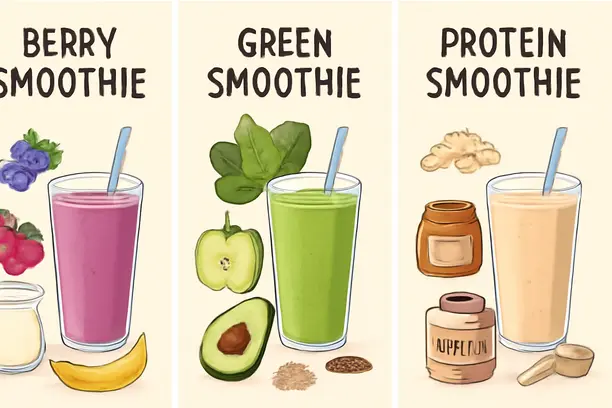
3 Hormone Balancing Smoothie Templates (+ Macro Breakdowns)
Creating a hormone-supportive smoothie can be simple with the right template. Here are three options tailored for different needs—each packing fiber, protein, and healthy fats to keep blood sugar steady and deliver key nutrients.
- Light Starter (Snack Smoothie)
Best for: A gentle energy boost between meals
Base: 1 cup unsweetened almond milk, ½ small frozen banana, 1 cup spinach, 1 tbsp chia seeds, ½ scoop plant protein
Macros (approx): 150 kcal, 10g protein, 6g fat, 18g carbs, 6g fiber
Easy swaps: Use berries instead of banana to lower sugar, or egg white protein for higher protein with fewer calories. - Balanced Meal Smoothie
Best for: Breakfast or meal replacement
Base: 1 cup unsweetened soy or oat milk, 1 scoop protein powder, ½ cup frozen berries, 2 tbsp ground flaxseed, ¼ avocado, handful mixed greens
Macros (approx): 300 kcal, 22g protein, 13g fat, 24g carbs, 9g fiber
Customization: Add Greek yogurt for more protein, or swap avocado for extra berries to cut fat and calories. - High Protein/Fat Recovery Smoothie
Best for: Post-workout recovery or increasing calorie intake
Base: 1 cup kefir, 1 scoop whey/collagen protein, 1 tbsp almond butter, 1 tbsp pumpkin seeds, ½ small apple, handful kale
Macros (approx): 400 kcal, 28g protein, 18g fat, 30g carbs, 7g fiber
Adjustments: Swap pumpkin seeds for extra nut butter to add fat, or omit apple to reduce carbs. Collagen supports joints and skin health—especially beneficial in midlife.
Sizing Your Smoothie: Energy & Portion Guidance
Portion size depends on whether the smoothie is a snack (150–200 calories) or meal replacement (300–450 calories). Keeping protein and fats balanced with low-sugar fruits helps moderate satiety and blood sugar. Source: NCBI
For additional guidance on distributing macros throughout the day, see our resource on meal macro planning.
Making Smoothies Fit (Not Dominate) Your Hormone-Supportive Diet
Smoothies supplement balanced meals—they don’t replace them. Rotate your greens, seeds, and proteins regularly. Avoid excessive fruit or sweeteners that spike blood sugar.
Pair smoothies with solid meals featuring quality proteins and veggies. Source: Harvard T.H. Chan School of Public Health
For more plant-based inspiration, visit our creative healthy recipes with vegetables.
Quick Customization Tips
- Lower carbs: Choose berries, avocado, cucumber over banana and mango.
- Boost protein: Increase protein powder or add cottage cheese, Greek yogurt, or egg whites.
- Increase calories: Add nut butter, seeds, or avocado for higher energy needs.
- Cut calories: Focus on leafy greens, berries, and water-based liquids while minimizing high-calorie add-ins.
More meal and snack ideas are available in our healthy meals to make at home roundup.
If you want a ready-made plan with hormone-friendly smoothies and soups, the Rapid Soup Detox digital program offers simple, structured guidance—no guesswork required.
Cycle-phase guidance: which smoothies suit follicular, luteal, and menopausal phases
Hormone needs shift throughout menstrual and menopausal cycles. Choosing smoothie ingredients that align with each phase can better support your body’s changing demands.
Follicular Phase: Energize and Replenish
During the follicular phase (cycle days 1 to ovulation), rising estrogen boosts your energy. Your smoothies should:
- Include iron-rich greens like spinach and kale to replenish post-menstrual blood loss.
- Provide antioxidant-rich berries for cell repair and mood support.
- Incorporate flaxseed for phytoestrogens, fiber, and omega-3s.
- Use banana or oats for sustained energy release.
Example smoothie: spinach, mixed berries, ground flaxseed, banana, oat milk, and protein powder.
Luteal Phase: Soothe, Stabilize, and Fight Bloat
In the luteal phase (post-ovulation to menstruation), progesterone rises—often bringing PMS symptoms. Focus on:
- Magnesium-rich foods like pumpkin seeds, cacao powder, and almond butter to ease cramps and mood swings.
- Complex carbs such as oats or pear to stabilize blood sugar and reduce cravings.
- Calcium-rich greens (kale, collards) for hormone support and anti-bloat effects.
- Ginger or cinnamon for gentle digestion and inflammation reduction.
Try a smoothie with kale, pear, almond butter, cacao, pumpkin seeds, and unsweetened Greek yogurt, flavored with cinnamon or ginger.
Menopausal and Perimenopausal Needs: Balance and Protect
Perimenopause and menopause bring declines in estrogen and progesterone. Your smoothie priorities shift toward bone health, metabolic support, and managing hot flashes or mood changes.
- Choose calcium-rich bases (fortified plant milks, dairy or soy).
- Add flax or chia seeds for phytoestrogens and anti-inflammatory fats.
- Include berries, leafy greens, and protein to support muscle and bone.
- Consider adding maca or adaptogens after doctor approval for mood and energy support.
By adjusting your smoothie ingredients to your unique hormonal stage, you’ll maximize both short-term comfort and long-term health. For more tailored nutrition ideas, explore our guides for healthy eating after 50 or perimenopause weight tips.
FAQ: Hormone Balancing Smoothie Best Practices
Can I drink a hormone balancing smoothie every day?
Yes, enjoying a hormone balancing smoothie daily is generally safe for most people, as long as you rotate ingredients and avoid excess added sugars. If you have specific health conditions or take medications, consult your clinician first.
What’s the best time of day to have a hormone balancing smoothie?
Most people benefit from drinking their smoothie in the morning as a meal or snack. This supports energy, satiety, and blood sugar stability to kickstart your day, but you can also use them as afternoon pick-me-ups.
Do hormone balancing smoothies work for men as well?
Absolutely. While some ingredients target female hormones, most benefits—such as improved blood sugar, energy, and nutrient intake—apply to all genders. Just adjust for your preferences and nutritional needs.