Is this soup keto? Clear guidance and carb targets
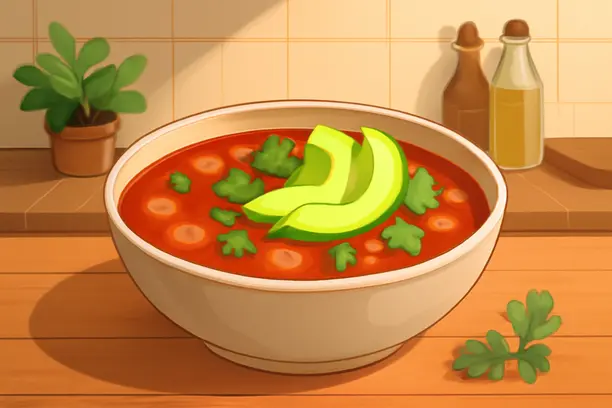
Keto enchilada soup brings that rich, comforting enchilada flavor—without blowing your carb goals or spending hours in the kitchen. With the right swaps, it can be both easy and truly low-carb for any keto lifestyle.
Disclosure: This article contains affiliate links. We may earn a commission at no extra cost to you.
Keto enchilada soup can absolutely be keto-friendly when you manage ingredients and carb content carefully. For a full meal portion, aim to keep net carbs between 3 and 7 grams per serving. Net carbs are simply total carbs minus fiber—the kind that doesn’t spike blood sugar. Always check labels or use a reliable recipe calculator to stay on track.
Traditional enchilada soup often hides carbs in tortillas, rice, corn, beans, and store-bought sauces loaded with starch or sugar. These sneaky additions can quickly push your serving well past keto limits.
- Swap out tortillas, rice, or corn for cauliflower rice, extra low-carb veggies, or larger portions of chicken or beef to keep you full.
- Choose your enchilada sauce with care—many store-bought versions pack 4–8 grams of sugar per serving. Look for labels that say “keto” or “no added sugar,” or make your own with simple tomato sauce and Mexican spices.
- Strict keto followers should skip beans and corn entirely. If you’re just low-carb, small amounts are fine—but count every gram to stay within your macros.
- Top with keto classics like shredded cheese, avocado, sour cream, or fresh cilantro. Save crunchy toppings for seed- or cheese-based crisps.
Watch for hidden sugars lurking in broths, salsas, and spice blends. If you’re using dairy, stick with full-fat plain varieties and measure portions carefully. Keto’s success comes from keeping net carbs low—not just eating “approved” foods without tracking.
Tracking macros consistently is how you make sure your enchilada soup actually fits your keto goals. For a shortcut, programs like the Rapid Soup Detox 14-Day program offer keto-compliant recipes with net carbs already calculated—no guesswork required.
If you’re curious about broader meal prep strategies that support weight loss, check out our practical guide at Meal Prep for Weight Loss.
By focusing on clear carb targets and quality ingredients, keto enchilada soup can easily become the centerpiece of your low-carb meal plan.
Nutrition facts & sourcing: how net carbs were calculated
Ingredient Sourcing and Nutrition Data for Keto Enchilada Soup
Net carb content in this keto enchilada soup recipe is calculated transparently and systematically. We source nutritional data from trusted databases like the USDA FoodData Central, along with official product labels whenever available.
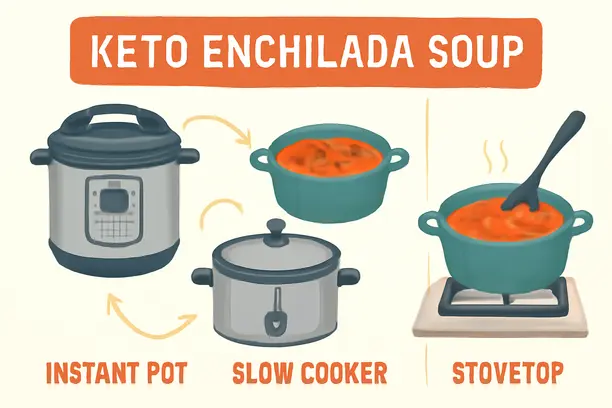
The calculation method is straightforward: subtract total fiber grams (which don’t affect blood sugar) from total carbs to get net carbs. This measure is essential for anyone managing carb intake on a ketogenic diet.
Keep in mind, these nutrition facts are estimates based on ingredient weights and recipe yields. If you switch brands or change quantities, your actual carb counts may vary—so adjust accordingly.
- Net carbs per serving: Calculated by ingredient portion and adjusted based on the final batch size.
- Ingredient sourcing: Data referenced from national databases or current product labels for accuracy.
- Customization recommendations: For precise tracking, analyze any swaps individually using a trusted nutrition app—especially if you’re following strict keto.
For more meal planning resources, see our keto soup recipes for weight loss guide.
Programs like the 14-Day Rapid Soup Diet System take the guesswork out of carb control with detailed macro breakdowns and customizable options built right in.
Always double-check nutrition labels when switching products—manufacturers tweak recipes and serving sizes occasionally, which can alter macros. Resources like the CDC can help you stay accurate.
Get started on a scientifically grounded keto soup plan with guides like the Rapid Soup Detox, designed for structured, transparent meal prep.
Ingredients, swaps and allergen notes (dairy, nightshades, gluten)
This keto enchilada soup recipe offers plenty of flexibility for various dietary needs and preferences. Core ingredients can easily be swapped for keto-friendly, allergen-conscious alternatives that suit you.
Looking for a lower-carb substitute for tortillas or rice? Cauliflower rice and spiralized zucchini noodles work beautifully, keeping carbs low while blending seamlessly into the soup’s texture. Instead of beans—which are higher in carbs—try hearty vegetables like diced zucchini, broccoli, or sliced mushrooms to add fullness without the extra carbs.
Enchilada sauce is often a hidden source of sugar and gluten. Choose no-sugar-added, gluten-free labeled sauces, or make your own with tomato paste, garlic, onion powder, cumin, and broth. Just make sure all spices are gluten-free and free from wheat-based thickeners. Reading labels carefully is crucial—ingredients like maltodextrin or modified food starch can sneak gluten in. For more information, see our guide to common gluten-free foods.
If you’re dairy-sensitive or vegan, swap shredded cheese and sour cream for cashew cream, coconut cream, or unsweetened dairy-free cheeses. Coconut cream blends smoothly into hot soup without separating, giving you that creamy texture you’re after. Nutritional yeast added before serving delivers an extra umami boost—no dairy required.
For nightshade-free versions, replace peppers and tomatoes with roasted broccoli, cauliflower, or a green enchilada sauce made from tomatillos or spinach—just skip the chili peppers. Always confirm there’s no added sugar or starch, especially in canned sauces and broths. These tweaks let sensitive eaters enjoy vibrant flavors without discomfort.
Broth selection matters for allergen avoidance. Opt for gluten-free labeled broths or make your own to avoid stabilizers, gluten, or soy-based ingredients like miso or soy sauce. If you’re sensitive to salt, watch sodium content—soups can be seasoned to your preference.
Choosing labeled, quality ingredients keeps this soup safe and enjoyable for people managing allergies or intolerances. For more keto and allergen-friendly soups, explore the 14-Day Rapid Soup Diet.
More allergen avoidance details are available from trusted resources like the Celiac Disease Foundation’s guide to hidden gluten.
Cooking methods and safe storage by variant (Instant Pot, slow cooker, stovetop)
Instant Pot, Slow Cooker, and Stovetop: Specific Cooking and Storage Tips
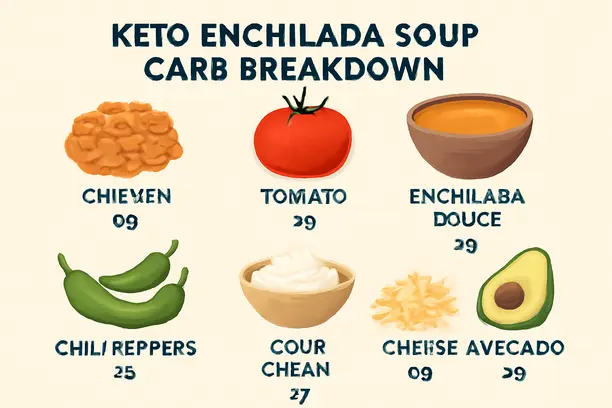
Keto enchilada soup can be prepared safely and deliciously using multiple cooking methods—Instant Pot, slow cooker, or stovetop. Food safety after cooking is crucial. Transfer leftovers to shallow containers and refrigerate within two hours to reduce bacterial risk. Consume refrigerated soup within 3–4 days for freshness and safety, per USDA guidelines.
Freezing cream-based soups can cause separation and a grainy texture when thawed. To avoid this, freeze the soup without cream, then add fresh cream when reheating. Reheat gently over low stovetop heat with frequent stirring, or use low-power microwave settings and whisk as needed to restore a smooth texture.
- Instant Pot: Pressure cooking locks in liquid, but the soup thickens as it cools. Add a bit more broth upfront to compensate. Use quick release and let the soup cool uncovered before storing.
- Slow Cooker: Extended simmering and lid removal cause evaporation. Add extra liquid when batch cooking, and cool completely before sealing containers.
- Stovetop: Transfer to smaller containers to speed cooling. For freezing, skip the cream during cooking and add it fresh when you reheat.
Rapid cooling is critical for soups with dairy. Don’t leave soup at room temperature for long—get it in the fridge ideally within an hour, no later than two hours after cooking, according to CDC guidelines.
For freezing, portion soup into freezer-safe bags or containers with space for expansion. Label with the date and note any omitted ingredients. Consume within two months for best quality, and reheat thoroughly before serving. More low-carb freezer-friendly soups can be found in our keto soup recipes for weight loss collection.
For an easy, adaptable meal plan with safe storage instructions, see the 14-Day Rapid Soup Diet. It includes batch-cook recipes suited for multiple cooking methods and storage strategies.
If meal prep without calorie counting sounds like your style, this program offers practical tips alongside tasty soups designed for busy schedules and flexible preparation.
Troubleshooting & FAQ (curdling, spice level, thickness, chicken issues)
Curdling: What to Do If Your Keto Enchilada Soup Breaks
Curdling often happens when dairy is added to hot soup and exposed to high heat, causing separation and a grainy texture. If your soup curdles, immediately pull it off the heat. Whisk in a splash of cold heavy cream or use an immersion blender on a portion to smooth things out. To prevent curdling in the first place, add dairy at the end off the heat, and avoid boiling once cream or cheese are in the mix.
Thinning & Thickening: How to Achieve the Perfect Texture
If your soup’s too thin, simmer it uncovered to reduce liquid. Adding softened cream cheese blended with a bit of hot soup thickens gently without adding many carbs. Melting shredded cheddar or part-skim mozzarella works too—it thickens the broth as it cools. If the soup’s too thick, gradually thin it by stirring in chicken broth or unsweetened almond milk. Add liquid slowly to maintain the consistency you’re after.
Over-Spiced or Too Salty? Quick Fixes for Flavor Problems
To tone down spiciness, remove whole chilies or large pepper flakes. Stir in more cream, sour cream, or shredded cheese—dairy helps neutralize capsaicin. If needed, dilute the soup with extra broth to calm the heat. For excess salt, add riced cauliflower, which absorbs salt while keeping carbs low and adds body. A small squeeze of lemon juice or splash of vinegar can also balance saltiness—just add cautiously and taste as you go. For more detailed advice, see Serious Eats’ guide on fixing salty soup.
Chicken Issues: Dryness & Undercooking Solutions
If your chicken turned out dry, shred it finely and simmer in fresh broth for 10–15 minutes to rehydrate. For undercooked or tough chicken, cut it into smaller pieces and cook gently until it reaches an internal temperature of 165°F (74°C), per USDA guidelines. Avoid boiling chicken after it’s cooked—that just makes it tougher.
Soup Troubleshooting: Quick FAQ
- Can I save a soup that’s too watery? Simmer it longer uncovered, or whisk in softened cream cheese. Pureeing cooked cauliflower into the broth also thickens without raising carbs.
- I used pre-cooked rotisserie chicken. How do I avoid dryness? Add pre-cooked chicken near the end, warming it for just 5–10 minutes to avoid overcooking.
- Are there dairy-free thickening options? Absolutely—use coconut cream or blend cooked cauliflower or zucchini into the broth for creaminess.
- Can I freeze the soup? Most keto soups freeze well if you add cheese and cream after reheating for the best texture.
For more reliable and simple low-carb soups, explore this curated selection of keto soup recipes for weight loss.
If you want a fuss-free plan with tuned nutrition and flavor, the 14-Day Rapid Soup Diet system provides exact recipes, daily menus, and bonus resources—all backed by a 60-day money-back guarantee for peace of mind.
Author credibility, testing notes, and reader support
Recipe Testing & Methodology
This keto enchilada soup recipe was developed by an experienced home cook who specializes in adapting classic comfort dishes into keto-friendly versions. We tested various cooking methods—stovetop, slow cooker, and pressure cooker—to maintain authentic flavor and satisfying texture.
Ingredient combinations were refined for both accessibility and carb control. We trialed different proteins like chicken thighs, breasts, and ground meat to ensure the soup met keto standards while accommodating dietary restrictions such as gluten intolerance. Our strategies for low-carb thickening keep things creamy without hidden sugars.
Nutrition and Adaptation for Dietary Needs
We carefully vetted ingredients for carb counts, sodium, and taste fidelity. Nutrition data are estimates based on standard databases and product labels—actual values may vary depending on brands and substitutions. We recommend recalculating nutrition if you modify ingredients or serving sizes. If you have health conditions like diabetes or celiac disease, consult a healthcare professional for personalized advice.
See additional meal planning resources, including keto meal plans and recipes, for balanced low-carb options.
Reader Reviews & Continuous Improvement
Reader feedback plays a vital role in refining this recipe. Honest reviews and star ratings help us improve the guide and share practical serving tips. Check current reviews for community insights and real-world advice.
Let’s pause for a second—if you’re still reading, you clearly care about making keto soup work for your real life. That’s why a done-for-you plan can make all the difference.
Last-Updated Statement & Feedback Policy
This guide was last updated in 2024 to reflect the latest keto-friendly ingredients and cooking techniques. Future updates will incorporate evolving nutrition science, ingredient availability, and user feedback. Bookmark this page and revisit for ongoing improvements. For more keto soup ideas, explore our updated keto soup recipes and weight loss options.
Where to Find Support and More Resources
For a structured, practical keto soup plan, consider the 14-Day Rapid Soup Diet system. It offers step-by-step recipes, quick-start guides, and strategies for flexible cooking methods. This digital program suits busy people seeking effective low-carb meal solutions without complex calorie counting.
Join the community by leaving reviews to share tips and help shape future recipe development. For comprehensive keto meal programs, the Rapid Soup Detox offers digital guidance aligned with real-world needs.
Please note: Nutrition and health claims here are based on ingredient selection and cooking practices, not medical advice. Always consult a qualified healthcare professional before making significant dietary changes.