
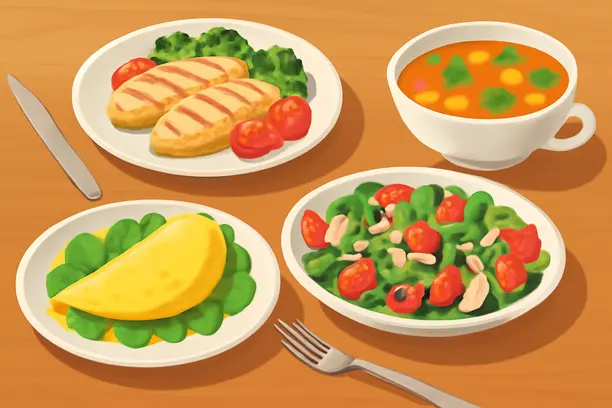
Types of low-carb diets and how to choose
Low-carb recipes for weight loss can help you shed pounds without making you feel deprived or overwhelmed. The key is finding a style that fits your lifestyle while allowing you to enjoy satisfying meals and avoid meal prep burnout.
Disclosure: This article contains affiliate links. We may earn a commission at no extra cost to you.
Low-carb diets vary in carbohydrate intake and strictness, making them adaptable to different lifestyles and health goals. Understanding these variations can help you choose the best fit for your needs.
Understanding Low-Carb Diet Types
Low-carb diets aren’t one-size-fits-all. They come in different styles with distinct carb ranges, flexibility levels, and weight loss speeds. For many, picking the right approach starts by understanding where each style lands on the carbohydrate spectrum and how they suit different goals and lifestyles.
- Moderate low-carb: 100–130 grams of carbs per day. This approach allows for fruits, whole grains, legumes, and starchy veggies, making it easier to follow long-term. It’s a good fit if you’re after gradual weight loss or maintenance without feeling heavily restricted.
- Low-carb: 50–100 grams daily. Carbs are more tightly limited, usually focusing on veggies, small amounts of fruit, and limited grains. Ideal for people aiming for more noticeable weight loss, better blood sugar control, or managing carb cravings.
- Very low-carb or ketogenic: Less than 50 grams per day. The body shifts to using fat (ketones) for fuel. This style’s best for rapid fat loss but is stricter, with fruits and grains largely off the menu. It requires careful attention to avoid nutritional gaps and is often used under professional guidance, especially if you have health conditions.
Sample Meal Days: How Do They Compare?
Here’s a quick comparison to show how your day might look on each plan:
- Moderate low-carb day (~120g carbs):
- Oatmeal with berries (breakfast)
- Grilled chicken salad with quinoa (lunch)
- Apple and yogurt (snack)
- Salmon, roasted sweet potato, and mixed veg (dinner)
- Low-carb day (~70g carbs):
- Eggs, spinach, and feta scramble (breakfast)
- Turkey lettuce wraps (lunch)
- Cucumber and hummus (snack)
- Beef stir-fry with broccoli and peppers (dinner)
- Very low-carb/keto day (<40g carbs):
- Omelette with cheese and avocado (breakfast)
- Cobb salad with chicken, bacon, egg, and ranch (lunch)
- Celery with almond butter (snack)
- Grilled salmon with sautéed greens (dinner)
Each “recipe path” has its own feel. Moderate low-carb offers familiar favorites in lighter portions, while keto relies heavily on proteins, fats, and above-ground veggies to keep carb counts low.
For weight loss, many find it’s less about going as low as possible and more about what’s sustainable, enjoyable, and nutritionally balanced for the long run Source: Harvard Health.
Choosing the Low-Carb Path for You
Your best fit depends on your health goals, schedule, and cravings. If you’re just starting or want flexibility, begin with moderate low-carb: it lets you enjoy wholesome grains or fruit daily.
For those struggling with blood sugar or stubborn plateaus, gradually easing to 50–100 grams can reset hunger and fat-burning patterns. Always prioritize a mix of protein, healthy fats, and plenty of lower-carb veggies to hit key nutrients.
Extreme carb cutting (like keto) may bring fast results, but sustaining it can be tricky—and guidance matters. If you want a structured, easy-to-follow jumpstart, consider a done-for-you plan like the 14-Day Rapid Soup Diet, which delivers daily low-carb soup recipes for fat loss. This kind of plan suits busy people or those favoring simple, filling meals over constant tracking.
Before making major changes, especially if you have underlying conditions, consult your health provider. You can also gain more inspiration by browsing these quick low-carb dinner recipes for the whole family or discover lower-carb, plant-rich ideas in our guide to healthy vegetable-based meals.
Finding the right low-carb recipes for weight loss means picking the diet style that empowers you—whether that’s steady progress, quick results, or long-term ease. To simplify your journey, you might want to explore this instant-access 14-day soup-based low-carb meal plan for rapid results.
Regardless of your carb threshold, focus on real, whole foods and sustainable habits for results you can keep.
Safety, contraindications, and when to consult a clinician
Checklist: Who Should Consult a Clinician Before Starting Low-Carb Recipes for Weight Loss
While low-carb recipes for weight loss can benefit many people, certain medical conditions and life circumstances demand extra caution. You should talk with your healthcare provider before beginning a significant low-carb eating plan if you:
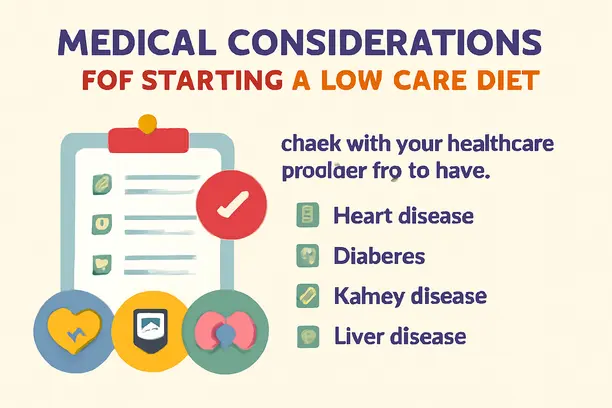
- Take insulin or sulfonylurea medications for diabetes
- Have advanced kidney disease (CKD stage 3 or higher)
- Are pregnant, planning pregnancy, or breastfeeding
- Struggle with active eating disorders
- Are under 18 years old or have chronic gastrointestinal disorders
- Experience unexplained weight loss or severe fatigue
- Live with rare metabolic conditions (such as porphyria or certain enzyme deficiencies)
Even without these risk factors, low-carb approaches can sometimes cause electrolyte shifts, dehydration, or unexpected changes in medication needs. For those with underlying health issues, this can quickly become dangerous Source: CDC.
Red-Flag Symptoms & What to Monitor
After starting a low-carb diet, stop and consult a clinician right away if you notice:
- Persistent nausea, vomiting, or abdominal pain
- Lightheadedness, fainting, or rapid pounding heartbeat
- Severe muscle cramps, confusion, or sudden weakness
- Excessive thirst paired with little urination
- Signs of high or low blood sugar (especially for those with diabetes)
In rare cases, abrupt carb restriction—especially while on diabetes medications—can trigger dangerous low blood sugar. Monitoring blood glucose regularly is strongly advised in these situations Source: American Diabetes Association.
Baseline Labs and Pre-Start Actions
Before diving into low-carb recipes for weight loss, get baseline labs to help track safety and progress. Ask your healthcare provider about the following:
- Serum creatinine and estimated GFR (kidney function)
- Blood glucose and HbA1c (especially in diabetes or prediabetes)
- Electrolytes (sodium, potassium, calcium, magnesium)
- Lipid panel (cholesterol/triglycerides)
It’s also wise to record your current weight, blood pressure, and describe your main symptoms (energy, appetite, sleep). These help you and your clinician spot patterns or warning signs as you transition.
If you’re seeking a guided, done-for-you meal plan, the 14-Day Rapid Soup Diet offers simple, low-carb recipes tailored for quick weight loss and may simplify the process for those with a busy schedule.
Concise “Pre-Start” Action List
- Review your medication list and current medical diagnoses
- Check the conditions and symptoms above for any that apply
- Book brief baseline labs if any health risks are present
- Inform a family member or friend about your dietary change for support and accountability
- Prepare for the possibility of medication adjustment—especially for blood sugar or blood pressure drugs
Medical Disclaimer
Always talk to a qualified healthcare professional before making significant diet or lifestyle changes, especially if you have chronic health conditions or take prescription medication.
Script Template: Discussing a Low-Carb Start with Your Clinician
Dear Dr. [Name],
I’m planning to begin a low-carb eating plan to support weight loss and improve my health. My main goals are [your goals, e.g., better blood sugar, reduced cravings]. I take [medications/supplements], and my current conditions include [list].
I’ve read that low-carb diets can impact blood sugar, kidney function, and medications. Are there baseline labs or safety checks I should do beforehand? How often should I follow up with you, and what warning signs should I watch for?
Thank you for your guidance.
For those who want structure and accountability, you can access step-by-step plans and recipes with the 14-Day Rapid Soup Diet (risk-free trial; instant access).
For more background on safe and sustainable meal planning, you might also find our practical meal prep guide for weight loss useful as you begin your journey.
How to build balanced low-carb meals: macros, fiber, and plate guidance
Build a Balanced Low-Carb Plate: Macros, Fiber, and Visual Guidance
Designing effective low-carb recipes for weight loss isn’t just about minimizing carbohydrates—it’s about building a plate that’s filling, balanced, and delivers the nutrients your body needs.
While reducing starchy foods is key, it’s equally important to structure meals with enough protein, abundant fiber, and the right fats. This combination curbs hunger, protects muscle, and helps you feel satisfied after every meal.
Start by setting your macro priorities. For each main meal, aim for 20–35 grams of protein, which is ideal for satiety and muscle preservation when calories are lower Source: USDA.
Pair this with low-starch, high-fiber vegetables to keep net carbs down while maximizing bulk, vitamins, and minerals. Don’t neglect healthy fats—they’re critical for flavor, satisfaction, and supporting hormones, especially if your diet is much lower in carbs than usual.
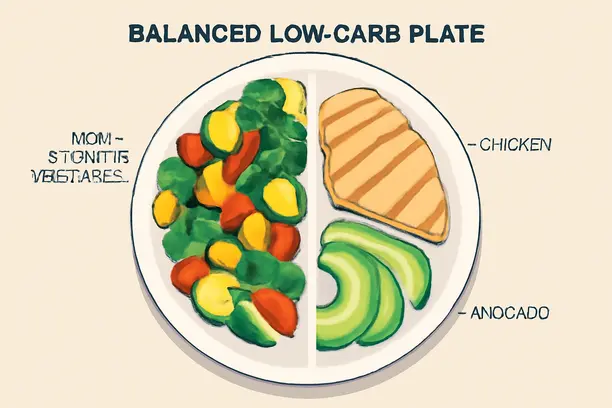
Visual Plate Guide: What Does Balanced Look Like?
- Half your plate: non-starchy veggies—think leafy greens, broccoli, cauliflower, zucchini, peppers, mushrooms, and asparagus.
- One-quarter: lean or fatty protein sources (chicken, fish, eggs, tofu, tempeh, beef, or pork).
- One-quarter: healthy fats—such as olive oil, avocado, nuts, seeds, or a small portion of full-fat dairy.
This structure is adaptable and works for almost any cuisine. For extra fiber and micronutrients, try rotating in veggies like artichokes, Brussels sprouts, and spinach.
For easy rotation and variety, check out our collection of creative veggie-rich recipes.
Best High-Fiber, Low-Carb Vegetables
- Zucchini
- Cauliflower
- Broccoli
- Spinach
- Kale
- Bell peppers
- Asparagus
- Green beans
Many of these vegetables provide 2–4 grams of fiber per cup but fewer than 5 grams net carbs, making them ideal for low-carb recipes for weight loss and gut health.
For tips on boosting fullness between meals, read our guide on smart ways to feel full while losing weight.
Sample Daily Menu (Macros & Micronutrients)
- Breakfast: Omelet with three eggs, spinach, and peppers cooked in olive oil (23g protein, 6g net carbs, 10g fat, high in vitamin A and K).
- Lunch: Grilled salmon (120g), roasted broccoli, and mixed greens salad with avocado vinaigrette (30g protein, 7g net carbs, 18g fat, high in omega-3s, potassium, fiber).
- Dinner: Chicken and vegetable stir-fry (chicken breast, zucchini, bell peppers, mushrooms, tamari for flavor, cooked in coconut oil) (27g protein, 9g net carbs, 12g fat, packed with vitamin C and B6).
- Snack (optional): Greek yogurt with chia seeds and a few raspberries (12g protein, 8g net carbs, 5g fat, great calcium and magnesium source).
Across this day you’ll typically hit 80–100g protein, 22–30g net carbs, and 45–50g fat—well within low-carb guidelines, yet loaded with fiber, antioxidants, and minerals.
It’s always wise to monitor nutrients that low-carb eaters can accidentally skimp on: potassium, magnesium, calcium, and vitamin C. If you’re worried about missing electrolytes, consider including more leafy greens, nuts, and seeds, or refer to top nutrient-dense foods for weight loss for inspiration.
Meal Satisfaction & Practical Tips
- Start your meal with a large salad or brothy veggie soup for more fullness at fewer calories.
- Don’t skimp on seasoning or healthy dressings; these boost flavor and help you enjoy your food while staying on track.
- If you’re new to low-carb, increase fiber gradually to prevent digestive discomfort. Hydration helps!
- Batch-prep proteins and dressings so healthy, balanced meals are ready in minutes.
For those who want a done-for-you game plan, the 14-Day Rapid Soup Diet offers simple, nourishing recipes and a follow-along guide for rapid results without meal prep overwhelm.
With its soup-based approach, it maximizes protein and fiber while keeping carbs low—making appetite control simpler.
Balancing your macros, fiber, and fat ensures your low-carb meals are truly satisfying, sustainable, and suited for weight loss success. For more practical meal inspiration and low-carb tips, try the Rapid Soup Detox system.
Remember: sustainable changes and flavor variety are your best allies in making low-carb eating last. Source: Harvard Nutrition
Standardized nutrition per recipe and sample meal plans with daily carb totals
Nutrition Facts for Low-Carb Recipes: Full Transparency by Serving
Every low-carb recipe spotlighted here comes with a clear nutritional breakdown. For every serving, you’ll see:
- Total carbohydrates: The sum of all carbs, including fiber and sugar alcohols if present
- Dietary fiber: The indigestible part that doesn’t raise blood sugar, subtracted when calculating net carbs
- Net carbs: Total carbs minus fiber (and sugar alcohols if applicable)
This transparency helps you stay on target with your daily carb intake and make informed choices meal after meal. Sample meal plans will also highlight protein, fat, and calorie content so you can balance your macros easily.
For additional meal planning strategies and more sample menus, check out our weight loss meal recipes guide.
Mini FAQ: Common Questions About Low-Carb Recipes for Weight Loss
How quickly can you expect weight loss with low-carb recipes?
Many people notice initial weight loss within the first week due to reduced water retention, followed by steady fat loss if they stick to the plan. The rate depends on individual metabolism, activity level, and consistency.
Can vegetarians or vegans follow low-carb recipes for weight loss?
Yes, plant-based eaters can use low-carb meal planning by focusing on non-starchy vegetables, tofu, tempeh, nuts, seeds, and low-sugar fruits. Legumes can fit in moderate low-carb plans, though very low-carb or keto requires stricter tracking.
How do you avoid energy crashes on a low-carb diet?
Include enough healthy fats, protein, and fiber at every meal to maintain stable blood sugar and energy levels. Staying hydrated and consuming electrolytes like sodium and magnesium also helps prevent fatigue.