

Evidence-based weight-management plan for perimenopause
Perimenopause weight loss diet strategies can help you manage stubborn pounds during hormonal changes without feeling deprived. This science-backed plan addresses shifting energy, metabolism, and lifestyle, so you can feel and look your best.
Disclosure: This article contains affiliate links. We may earn a commission at no extra cost to you.
Managing weight during perimenopause calls for an approach that respects your body’s real metabolic changes. Think of it as recalibrating—not restricting.
The essentials include smart calorie management, a nutritional focus on protein, structured movement, consistent habits, and knowing when professional help makes sense.
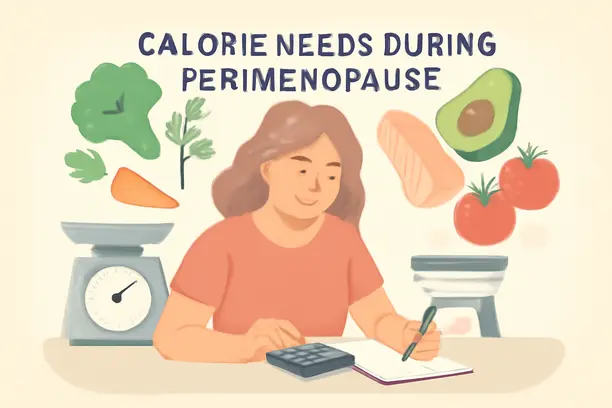
Step 1: Estimate Your Calorie Needs in Perimenopause
Start by calculating a realistic daily calorie target that accounts for age-related metabolic shifts and the activity changes that often come with this stage. Between 40 and 55, most women experience a natural decline in resting metabolism and overall energy expenditure.
A practical approach? Multiply your body weight (in pounds) by 12 to 14 if you’re moderately active. If you’re mostly sedentary, use the lower end of that range.
For instance, a 160-pound woman typically needs about 1,920 to 2,240 calories per day to maintain her weight. To support gradual, sustainable loss, aim for a daily deficit of 300 to 500 calories—never dipping below 1,200 calories per day without medical guidance.
That puts most women in a target range of 1,500 to 2,000 calories daily for steady perimenopause weight loss.
Step 2: Choose a Protein-Forward, Satisfying Meal Pattern
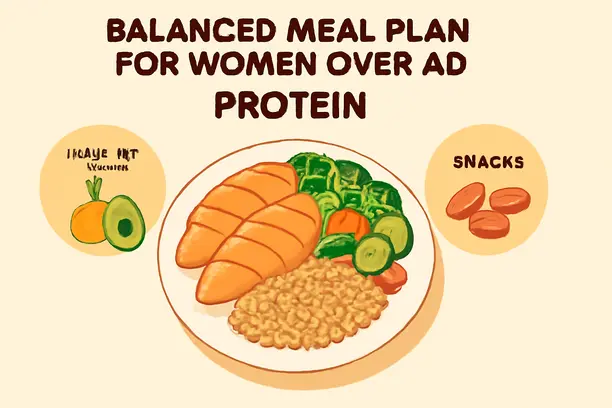
Prioritizing protein at meals helps you hold onto muscle and supports favorable body composition changes. Aim for 25–30 grams of protein at each main meal—think lean poultry, fish, eggs, dairy, tofu, or legumes.
Then balance your carbohydrates and healthy fats across the day. Load up on vegetables, whole grains, nuts, and olive oil for both nutrient density and lasting fullness.
- Tier 1 (1,500–1,700 kcal example): Three meals of 300–500 kcal each, plus two snacks between 100–200 kcal.
- Tier 2 (1,700–2,000 kcal example): Three meals of 400–600 kcal each, plus two snacks ranging from 150–250 kcal—ideal for larger-framed or highly active women.
An example day at Tier 1 might include oatmeal with Greek yogurt and berries for breakfast, a grilled chicken salad with olive oil for lunch, and salmon with lentils and steamed broccoli for dinner. Add fruit and nuts as snacks to round it out.
Step 3: Progressive Exercise—Resistance & Aerobic Basics
Combining strength training with aerobic exercise is essential for maintaining muscle and enhancing fat metabolism. You don’t need a gym membership to see results—bodyweight movements and basic equipment work beautifully.
Here’s a solid starting framework:
- Resistance training: 2–3 times per week, targeting major muscle groups with 2 sets of 10–12 reps. Think bodyweight squats, dumbbell presses, rowing motions, and core exercises.
- Aerobic activity: At least 150 minutes per week of moderate-intensity movement—brisk walking, swimming, or cycling all count.
Start at a manageable level. Even ten-minute sessions count, and you can increase duration or intensity gradually every few weeks.
Step 4: Behavior Support for Lasting Change
Let’s be real: consistency matters more than perfection. Building habits that stick is what makes weight management sustainable in midlife.
Here’s what works:
- Sleep hygiene: Set consistent wind-down alarms and avoid screens before bed. Aim for 7–8 hours of quality sleep nightly—it’s not negotiable if you want metabolism on your side.
- Food and symptom logging: Track what you eat alongside hunger and cravings. Patterns emerge fast, and you’ll spot potential symptom triggers.
- SMART goal setting: Define specific, measurable, attainable, relevant, and time-based objectives. Vague goals don’t work—clear ones do.
- Self-monitoring: Regularly measure weight or waist circumference to assess fat loss beyond the scale. Numbers tell part of the story; how you feel tells the rest.
Step 5: Risk Awareness & Knowing When to Seek Help
Perimenopause increases vulnerability to metabolic conditions like heart disease, hypertension, and type 2 diabetes. The upside? Losing as little as 5–10% of your body weight can meaningfully improve blood glucose, cholesterol, and blood pressure.
That’s not just cosmetic—it’s protective.
You should consult healthcare professionals if weight loss stalls beyond 8–12 weeks of consistent effort, or if you have complicating factors: a history of eating disorders, diabetes, cardiovascular disease, or severe hormonal symptoms.
Simplify Your Reset: Try a Mediterranean Diet 30-Day Challenge
The Mediterranean diet consistently ranks as one of the best-supported eating patterns for managing weight, heart health, and blood sugar balance—especially during midlife. It’s not about restriction; it’s about abundance of the right foods.
A guided 30-day challenge program takes the guesswork out. You’ll get daily recipes, a nutrition journal, and peer accountability—all designed to make adherence easier and results visible within weeks.
This digital program has helped thousands of women improve energy, stabilize mood, and see tangible weight changes. It’s structured support for perimenopause weight loss without the overwhelm.
If you want a done-for-you meal plan and daily support, a Mediterranean Diet 30-Day Challenge can help you stay consistent—even on your busiest weeks.
Get the 30-day Mediterranean meal plan
Mini-FAQ: Perimenopause Weight Loss Diet
How quickly can I lose weight during perimenopause?
Most experts recommend aiming for a gradual weight loss of 0.5 to 1 pound per week. Slow, steady progress is more sustainable and easier to maintain than rapid loss, especially with hormonal changes during perimenopause.
Should I avoid carbs completely for perimenopause weight loss?
No, a balanced approach works best. Choosing complex carbohydrates like whole grains, vegetables, and legumes supports energy and satiety without causing sharp blood sugar spikes. Total avoidance of carbs is rarely necessary.
What’s the most important single change I should make?
Focusing on regular protein intake at each meal often makes the biggest difference for maintaining muscle, controlling hunger, and supporting long-term weight loss in perimenopause.
Start your 30-day Mediterranean weight loss challenge today
Don’t Miss
Prescription options and medical therapies (GLP-1s and others)
Fast Facts: Prescription Therapies for Menopausal Weight Management
For women facing challenges with weight during perimenopause or menopause, prescription medications can complement lifestyle interventions. They’re not magic bullets, but they can be powerful tools when used strategically.
Glucagon-like peptide-1 receptor agonists (GLP-1 RAs)—including semaglutide (Ozempic, Wegovy) and tirzepatide (Mounjaro, Zepbound)—have emerged as highly effective treatments for eligible adults.
Other FDA-approved anti-obesity medications include orlistat, phentermine/topiramate, bupropion/naltrexone, and setmelanotide (used in rare genetic conditions).