Program claims, ‘toxins’, and evidence
Standard Process 21 Day Cleanse promises to remove “toxins” and enhance overall health through detoxification. In reality, “toxins” is a vague term typically referring to metabolic byproducts, environmental contaminants, or additives, and the program’s claims of toxin removal are not scientifically substantiated with lab testing or peer-reviewed studies.
Here’s where things get murky. Unlike medical detox protocols designed for acute poisoning, commercial cleanses rarely measure specific toxin markers. You won’t see lab tests tracking heavy metal levels or inflammatory markers before and after. Instead, you’re encouraged to notice subjective changes—more frequent bowel movements, a boost in energy. Without objective laboratory testing, claims of actual toxin removal remain unsubstantiated.
The claimed benefits of the Standard Process 21 Day Cleanse fall mainly into three categories:
- Improved energy and mental clarity: These claims rest primarily on user testimonials and case reports rather than controlled clinical trials. The evidence is anecdotal, not scientifically robust.
- Weight changes: You’ll likely see short-term weight loss due to caloric restriction and fluid shifts—typical of any low-calorie diet. The catch? Durable weight loss requires sustained lifestyle changes. For strategies promoting lasting results, check out our guides on losing weight through diet alone.
- Detoxification: To date, no peer-reviewed human studies demonstrate that popular cleanses significantly reduce clinically relevant toxin levels in healthy adults. The National Center for Complementary and Integrative Health emphasizes that evidence supporting detox diets for toxin elimination is lacking (Source: NCCIH).
Additional reported benefits—enhanced digestion, clearer skin—derive primarily from individual experiences. These effects might result simply from eliminating ultra-processed foods or alcohol, which you can achieve without a formal cleanse.
Claims about resetting metabolism, boosting immunity, or preventing chronic diseases lack solid clinical support.
Outcomes vary widely based on genetics, baseline health, underlying conditions, and how closely you follow the protocol. Some people find relief from digestive discomfort when they increase fruit and vegetable intake and cut out processed foods. Others experience fatigue, irritability, or nutrient imbalances—especially without proper supervision.
Key limitations of the cleanse include:
- No direct measurement of toxin reduction.
- Risk of caloric, protein, or micronutrient deficiency, particularly for pregnant individuals, those with chronic illnesses, or special dietary needs.
- Transient effects rarely translate to sustained health benefits without ongoing lifestyle modification (Source: Harvard Health).
Overall, while the program may serve as a short-term dietary reset, most benefits stem from temporary dietary restriction rather than genuine detoxification. If you have medical conditions or take medications, consult your healthcare provider before beginning—you want to avoid adverse interactions or complications.
If your primary goal is weight loss or long-term healthy eating, explore evidence-based guides such as how to maintain a sustainable diet and workout plan and creating balanced diet plans for lasting success.
Product & ingredient transparency (Supplement Facts)
Complete Supplement Facts: Standard Process 21 Day Cleanse
The Standard Process 21 Day Cleanse doesn’t leave you guessing about what’s inside. Key products—SP Cleanse, SP Complete, SP Green Food, and Gastro-Fiber (or Whole Food Fiber)—each come with a detailed Supplement Facts panel listing ingredients, dosages, origins, and allergen information.
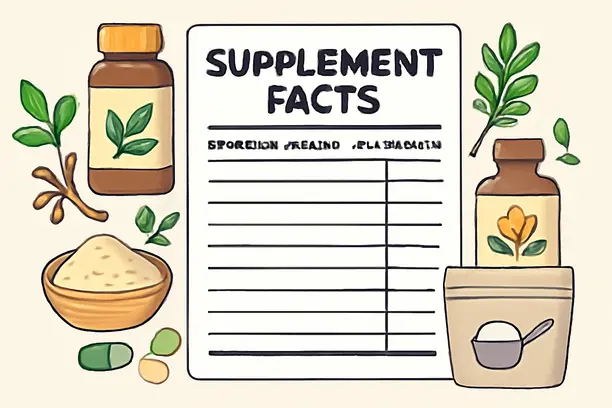
Take SP Cleanse capsules, for example. They contain a proprietary blend of whole food and botanical extracts: burdock root (Arctium lappa), milk thistle seed (Silybum marianum), and red clover blossom (Trifolium pratense). Burdock root provides inulin and polyphenols that may support natural toxin elimination. Milk thistle delivers silymarin, a potent antioxidant studied in clinical doses of 140–420 mg daily—though proprietary blends may vary. Red clover contributes isoflavones traditionally used in cleansing protocols.
All ingredients derive from whole-plant sources when possible, and the capsules exclude common allergens like gluten and soy. That said, you’ll still want to review each batch’s label for individual sensitivities.
Main Ingredients in SP Complete and Their Purposes
- Brown Rice Protein: Provides protein for muscle maintenance during calorie reduction and supports tissue repair.
- Beet Root and Carrot: Supply phytonutrients and prebiotics that support liver and kidney function, with typical dosages of 3–5 grams per serving.
- Whey Protein: Offered in some versions, providing a complete amino acid profile—dairy-sensitive individuals should select the vegan formula.
The SP Green Food supplement includes organic barley grass and alfalfa, noted for chlorophyll, micronutrients, and plant enzymes. Scientific literature reports 2–5 g per day as safe and effective; the Standard Process serving fits within this range.
Fiber Details and Allergen Transparency
The Gastro-Fiber and Whole Food Fiber blends focus on psyllium husk, beet root fiber, and apple pectin to support intestinal cleansing and healthy gut bacteria. Psyllium doses between 3–10 grams daily promote regularity without excessive bloating (Source: NCBI).
Most products avoid dairy, gluten, and artificial additives, but check the label to confirm allergen content per batch.
How Amounts Compare to Science—And Why That Matters
The clear listing of ingredient amounts and active compounds helps you and your healthcare provider compare doses with scientific research. For instance, milk thistle content in SP Cleanse is designed to stay within safe limits informed by clinical data. Fiber blends similarly fall within evidence-backed ranges promoting gut health without common adverse effects.
Real-World Usage Tips
- Timing: Take botanicals and fibers with meals to minimize gastrointestinal discomfort and aid absorption—follow package instructions on dose division.
- Mixing: SP Complete powder mixes well with water or unsweetened nut milk. Adding low-sugar fruits like berries can improve the flavor.
- Hydration: Increase water intake, especially when consuming extra fiber, to prevent constipation.
- Customizing for Allergens: Check each product’s allergy disclosure and choose vegan versions if you have dairy sensitivity.
This detailed ingredient transparency sets a higher standard for consumer trust and safe cleansing. To complement the cleanse, consider macro-conscious eating or nutrient-dense foods for weight loss.
If you have complex health issues or allergies, consult your healthcare provider before starting to ensure safety and appropriateness (Source: National Institutes of Health ODS).
Safety, contraindications, and clinical warnings
Absolute and Relative Contraindications
The Standard Process 21 Day Cleanse isn’t appropriate for everyone. Let’s start with absolute contraindications: pregnancy and breastfeeding. Calorie or nutrient restrictions could affect both mother and child, making this cleanse a no-go during these periods.
Chronic kidney or liver disease also poses serious risks. These organs metabolize supplements and manage dietary changes—adding extra strain could worsen your health.
If you have a history of eating disorders, steer clear. Restrictive or fixation-prone diets may trigger psychological difficulties. These precautions align with guidance from the National Center for Complementary and Integrative Health (Source: NCCIH).
Caution is also advised if you’re on chronic medications such as anticoagulants (e.g., warfarin), immunosuppressants, oral contraceptives, or drugs with narrow therapeutic windows. Herbal ingredients and dietary extremes common in cleanses may alter medication absorption and effectiveness, leading to serious complications.
Those with diabetes, heart disease, or psychiatric conditions also require medical supervision before starting.
Common Adverse Effects
Many participants tolerate the cleanse well, but mild side effects can crop up. You might experience bloating, changes in bowel habits (constipation or diarrhea), transient headaches, fatigue, difficulty concentrating, muscle soreness, and mood fluctuations. These initial changes often relate to reduced caffeine, sugar, or calorie intake.
Maintaining adequate hydration is essential, as dietary adjustments may increase fluid loss.
Emergency Red Flags
- Severe or persistent vomiting, diarrhea, or abdominal pain—possible signs of dehydration or organ stress.
- Yellow skin or eyes, dark urine, or profound fatigue—potential liver issues.
- Swelling, difficulty breathing, rapid heartbeat, or chest pain—allergic or cardiac events.
- Confusion, severe headache, or fainting—possible electrolyte imbalances.
Any such symptoms warrant immediate cessation of the cleanse and prompt medical evaluation, especially if you have pre-existing conditions.
When to Seek Guidance from a Healthcare Provider
- If you’re pregnant, breastfeeding, or planning pregnancy during or shortly after the cleanse.
- You have chronic health conditions such as kidney or liver disease, diabetes, heart disease, psychiatric disorders, or a history of eating disorders.
- You regularly take medications, especially those that interact with food or supplements.
- You experience unexpected or severe symptoms during the cleanse.
- You have known allergies to supplement or herbal ingredients.
Bring the complete program and ingredient list to your healthcare provider for thorough review of potential risks.
How to Cleanse Responsibly
Monitor your symptoms daily. Stay attentive to signs of fatigue, dizziness, or gastrointestinal distress. Pause the cleanse and consult a clinician if any concerning symptoms emerge. Don’t combine this cleanse with intense exercise, other diet plans, or additional supplements unless approved by a medical professional. If you require medically necessary diets, seek specialized guidance before participation.
For safe meal planning during the cleanse, see our articles on medically appropriate meal preparation and nutrient-dense, balanced diets.
Responsible adherence and timely professional input can prevent harm and support positive outcomes. When uncertain, consult trusted healthcare providers or consider evidence-backed alternatives (Source: Mayo Clinic).
Practical how-to: meal plans, hydration, and symptom management
10-Day Meal Framework: Fruits, Veggies, Portions
The first 10 days focus on whole, plant-based foods—emphasizing non-starchy vegetables and select fruits, consumed in small, frequent meals. You’ll aim for 7–9 servings of vegetables daily: steamed broccoli, sautéed spinach, salads, roasted Brussels sprouts, or vegetable soup. Each serving is about ½ cup cooked or 1 cup raw.

Choose low-glycemic fruits like berries, green apples, oranges, and kiwis. Limit intake to two to three servings daily—one small fruit or ½ cup chopped per serving. Skip higher-sugar fruits such as bananas, mangos, and grapes during this phase.
- Breakfast: Berry bowl with leafy greens and lemon.
- Lunch: Salad including cabbage, cucumber, carrots, and citrus.
- Snacks: Steamed broccoli or celery sticks with permitted seasonings.
- Dinner: Roasted squash, kale, onions, and bell peppers.
Season lightly with herbs, garlic, or lemon—keep salt and oils minimal.
Introducing Protein & Template Meals: Days 11–21
Starting on day 11, you’ll reintroduce lean proteins. Suitable choices include wild-caught fish, organic chicken or turkey, and plant proteins like lentils and beans. Standard servings are 4–6 ounces per meal, up to twice daily. Organic eggs (1–2 per serving) are also allowed.
Meal composition follows this template:
- Half your plate: Non-starchy vegetables (a mix of raw and cooked).
- Quarter plate: Protein source (fish, poultry, legumes, or eggs).
- Quarter plate: Low-glycemic fruit or a small portion of cooked starchy vegetables (e.g., small sweet potato).
Continue emphasizing hydration and whole foods while avoiding processed, fried, or breaded items.
For additional ideas, explore healthy meal plans with whole foods and fruit- and vegetable-based meal inspirations.
Hydration Goals & Electrolyte Tips
Proper hydration is non-negotiable for a safe cleanse. Aim to drink at least half your body weight in ounces daily. A 160-pound person should consume around 80 ounces, or 2.4 liters. Add 12–16 ounces of water per hour of moderate exercise or heat exposure.
Enhance variety with herbal teas, cucumber- or mint-infused water, and homemade vegetable broth. Electrolyte balance is vital—if headaches, fatigue, or muscle cramps occur, add a pinch of unrefined sea salt to water or sip unsalted broth. Skip commercial electrolyte drinks high in sugars or additives.
Check your urine color: pale yellow indicates adequate hydration, while dark yellow suggests you need more fluids. Monitor your body’s cues, especially as fiber intake increases.
For further hydration recommendations, refer to the Centers for Disease Control and Prevention guidance on optimal hydration.
Managing Common Discomforts
Some discomfort may arise as your body adjusts to the cleanse:
- Constipation: Increase vegetable intake, especially leafy greens. Drink more water, engage in gentle physical activity like walking, and consider 1–2 tablespoons of ground flaxseed daily if necessary.
- Headaches: Often caused by caffeine withdrawal or dehydration—ensure fluid intake and rest. Cold compresses and light stretching can alleviate tension.
- Low energy: Prioritize sleep, avoid overexertion, and maintain fruit and starchy vegetable intake during later cleanse days. Short naps and sunlight exposure may help.
If discomfort persists, consult a healthcare professional. Adjusting fluids and food volume typically resolves mild symptoms without resorting to laxatives or supplements.
For balanced recipes to support you during or after the cleanse, see these balanced meal templates.
Attentive hydration, meal balance, and early symptom management enhance safety and effectiveness throughout the cleanse. For maintaining healthy habits post-cleanse, see our detailed guide on sustaining a good diet.
Quality assurance, testing, and product currency
Manufacturing Standards and Good Manufacturing Practices (GMP)
The Standard Process 21 Day Cleanse is typically produced in facilities compliant with current Good Manufacturing Practices (cGMP), enforced by the FDA. These guidelines ensure thorough documentation, monitoring, and auditing of all production stages to minimize contamination, dosage errors, and ingredient substitution.
Routine in-house audits cover equipment sanitation and environmental controls like temperature and humidity. Staff training ensures consistent adherence to these standards, providing you with greater confidence in product safety and consistency.
Third-Party Testing and Certificates of Analysis (COA)
Reputable supplement brands submit product batches to independent laboratories for validation. Third-party testing verifies ingredient potency and screens for contaminants such as heavy metals, pesticides, solvents, and microbiological hazards. Certificates of Analysis (COAs) accompany batches, detailing ingredient identity, purity, and potency.
You can typically request COAs from manufacturers or access them via batch-specific QR codes on packaging. If a company can’t provide COAs, that may indicate quality assurance gaps.
For more on supplement testing and COAs, see the Office of Dietary Supplements at NIH.
Ingredient Sourcing and Contaminant Testing
Ingredient sourcing transparency includes identifying countries of origin, growing practices, and certifications such as organic status. Many of the cleansing kit’s botanicals come from certified organic farms, reducing your exposure to agricultural chemicals.
Raw materials undergo strict contaminant testing for heavy metals (lead, arsenic, cadmium, mercury), mycotoxins, pesticide residues, and pathogens like Salmonella and E. coli. Any ingredients exceeding regulatory limits are rejected outright to uphold safety and quality.
Freshness, Product Currency, and Formulation Updates
Products are labeled with lot numbers and expiration or “best by” dates to ensure freshness and traceability. Manufacturers employ strict inventory and storage controls to maintain potency and ingredient stability.
Any formulation changes—such as adjustments to ingredient absorption or flavor—are documented and disclosed through official channels with specific lot numbers affected. Such transparency helps you make informed choices and prevents surprises from unannounced ingredient swaps.
Transparency in Practice: How to Verify These Standards
You should request evidence of cGMP certification, ask for third-party lab reports or COAs, and verify product freshness through lot and expiration dates. Companies that withhold such information may not consistently deliver quality.
For further information on regulatory requirements, see the FDA Dietary Supplement Current Good Manufacturing Practices (cGMPs).
Ensuring supplement quality is fundamental alongside motivation and lifestyle changes for lasting health results. For additional support, explore our motivation strategies for consistent exercise.
Authorship, testimonial policy, and update transparency
Named Authorship and Medical Review
All guidance and health claims related to the Standard Process 21 Day Cleanse are authored or reviewed by identified experts whose credentials are presented openly. Writer names, degrees, and professional designations (such as RD, MD, ND) appear alongside articles. Independent medical reviewers with relevant qualifications in nutritional science, functional medicine, or clinical research are credited in a dedicated section.
This transparent authorship ensures verifiable expertise and credibility.
Visible author and reviewer information helps you assess the reliability of recommendations—particularly important for programs that alter diet and lifestyle. This multilayered accountability prevents misinformation and upholds high editorial standards.
Testimonial Policy and Disclaimers
Testimonials come from actual participants who complete the cleanse as prescribed. Contributors confirm authenticity and duration of participation; identifying details are anonymized unless explicit consent for full names or photos is given, respecting privacy.
Disclaimers accompany all testimonials, noting “Individual results may vary.” Anecdotes don’t represent typical or guaranteed outcomes. The presentation avoids manipulated images or edited quotes that exaggerate success. Any affiliate or commission relationships tied to commercial product references are explicitly disclosed consistent with FTC and medical publishing guidelines (Source: Harvard Health).
Update Transparency and Change History
Each guide or review page displays a clear “Last Updated” date reflecting significant content revisions, such as scientific updates, new testimonials, or enhanced guidance. Accompanying notes clarify changes (e.g., “added 2024 clinical study,” “updated expert review,” or “clarified meal substitution recommendations”).
This documented update policy lets you trust that information reflects current science rather than outdated trends. Outdated content is either corrected or flagged for clarity (Source: CDC).
Commitment to Reader Trust
Radical transparency about authorship, review, and testimonial sourcing is core to building your trust in any cleanse protocol—especially popular ones like the Standard Process program. Affiliations, commercial incentives, and editorial independence are distinctly disclosed to separate commercial interests from health advice (Source: FTC).
For further insights on evidence-based responses to detox claims, see our resource on evaluating detox claims with science and user feedback. Upholding rigorous transparency empowers safer, informed health decisions.
Sources
- Centers for Disease Control and Prevention – Optimal Hydration Guidance
- Centers for Disease Control and Prevention – Health Literacy Guidelines
- National Institutes of Health – Office of Dietary Supplements Consumer Factsheet
- National Center for Complementary and Integrative Health – Detoxes and Cleanses
- National Center for Biotechnology Information – Psyllium Fiber Effects on Gut Health
- Harvard Health – Detox Diets: Cleansing Fact or Fiction
- Harvard Health – Spotting Questionable Health Websites
- U.S. Food and Drug Administration – Dietary Supplement Current Good Manufacturing Practices
- Mayo Clinic – Detox Diets FAQ
- Federal Trade Commission – Disclosure Guidelines for Social Media Influencers