

Steve Reeves Workout: Core Principles and Routine
Steve Reeves workout routines relied on full-body training three times a week, giving consistent muscle stimulus with plenty of recovery—a balance key to his legendary physique. Reeves built muscle with simple, controlled movements and placed equal focus on form and progression rather than just lifting heavy.
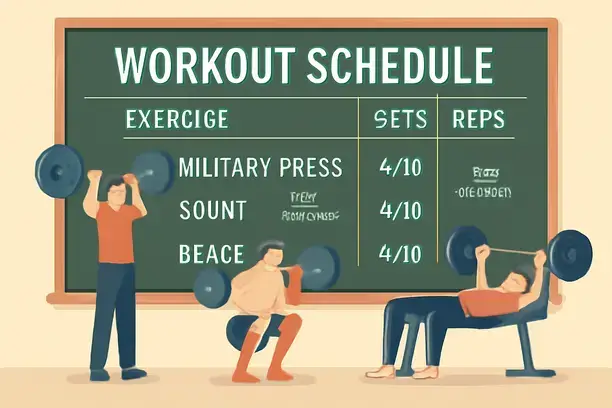
His typical sessions, scheduled for Monday, Wednesday, and Friday, featured fundamental movements like military presses, bench presses, bent-over rows, barbell curls, triceps extensions, and parallel squats. He stuck to 3 sets of 8-12 reps per exercise, always emphasizing controlled form and full range of motion over chasing heavy weights.
What’s interesting is how Reeves sequenced his workouts. He’d often save demanding leg work like squats for the end of each session, reasoning that tired legs would compromise the quality of earlier upper-body lifts. This thoughtful programming ensured balanced development across every major muscle group.
What was Steve Reeves workout routine?
Steve Reeves trained three days per week with full-body sessions built around compound lifts. A typical workout included military presses, bench presses, bent-over rows, barbell curls, triceps extensions, and squats—3 sets of 8-12 reps each, performed with strict form.
How many sets did Steve Reeves do per workout?
Reeves performed 3 sets per exercise throughout his full-body workouts. He believed perfect execution with controlled tempo mattered far more than adding extra sets or chasing heavier loads.
Safety and Injury Prevention for High-Volume Training
If you’re thinking about adopting Reeves’ high-frequency approach today, you’ll want to blend his principles with modern safety knowledge—especially for protecting joints and connective tissue under repetitive stress.
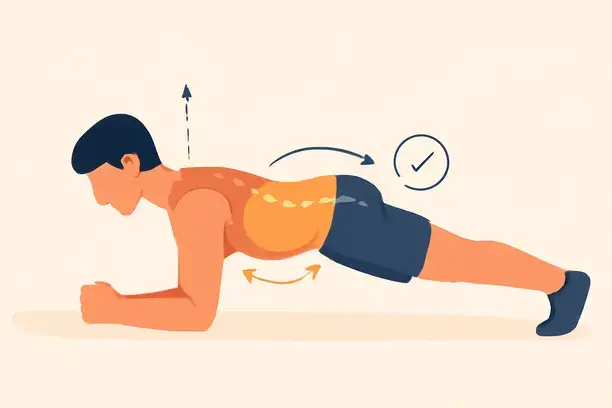
Some people need to approach this volume carefully. If you’re new to lifting, you haven’t yet built the foundational strength and movement patterns this routine demands. Those with existing shoulder, knee, or lower back issues should be particularly cautious. The goal is adapting the principles to fit your body, not blindly copying every detail.
Essential Form Cues for Spinal Protection
When you’re performing squats and rows, spinal alignment isn’t optional. Before each lift, brace your core, keep your chest up, and maintain a neutral spine from start to finish—never let your back round under load.
Controlled tempo, which Reeves championed, is your best defense against injury. Aim for a deliberate pace: 2-3 seconds lowering the weight, 1-2 seconds lifting it. This minimizes momentum and keeps tension where it belongs—on the working muscles.
Practical Volume Adjustments
You can make this historic routine more sustainable with a few smart modifications:
- Start with 2 sets per exercise instead of jumping straight to 3.
- Train twice weekly at first, not three times.
- Use 60-70% of your one-rep max while you’re mastering technique.
- Rest 90-120 seconds between sets to ensure full recovery.
Pay attention to what your body’s telling you. Persistent joint pain, sharp discomfort during movement, or feeling wiped out between sessions—these are signals to dial back volume or intensity.
Building a classic physique takes time. Reeves didn’t create his in weeks; it took years of patient, consistent work. If you’re just starting out, a beginner-friendly program will help you build the foundation you need. And maintaining that consistency? Check out our strategies on how to stay motivated to workout.
Modernizing the Steve Reeves Diet and Nutrition Plan
Reeves ate three whole-food meals daily—simple and effective. But today’s research lets us refine his approach with more precise protein targets and strategic nutrient timing, especially when you’re training multiple days per week.
Current evidence points to 1.6 to 2.7 grams of protein per kilogram of body weight for optimal muscle growth. If you weigh 82 kg (180 lbs), that’s 130-220 grams daily—often more than a simple 20% protein ratio would deliver.
Modern Macronutrient Translation
Rather than rigid percentages, here are evidence-based daily ranges that honor Reeves’ whole-food philosophy:
- Protein: 1.6-2.7 g/kg body weight (30-40% of calories).
- Carbohydrates: 3-5 g/kg body weight (40-50% of calories).
- Fats: 0.8-1.2 g/kg body weight (20-30% of calories).
Peri-Workout Nutrition for High-Frequency Training
When you’re training multiple days in a row, fueling around workouts becomes crucial for recovery. The “anabolic window” is more flexible than once thought, but strategic timing still helps.
On a schedule like Reeves followed:
- Pre-workout (1-2 hours before): Combine 15-25g protein with complex carbs.
- Post-workout (within 2-4 hours): Get 20-40g protein to maximize muscle protein synthesis.
- Evening: Casein protein before bed supports overnight recovery.
Evidence-Based Supplement Considerations
Reeves was skeptical of supplements, but modern research has identified a few that genuinely complement a whole-food diet:
- Whey Protein: Convenient, high-quality protein—especially useful post-workout.
- Creatine Monohydrate: Well-researched for improving strength and power.
- Omega-3 Fatty Acids: Support joint health and manage inflammation.
- Vitamin D: Essential if you train indoors with limited sun exposure.
Think of these as filling nutritional gaps, not replacing real meals. If you want a structured approach to tracking intake, a macro-based diet plan can be helpful.
Evidence and Science Behind Reeves’ Training Methods
It’s remarkable how many of Steve Reeves’ training instincts from the 1940s and 50s hold up against today’s exercise science—though some aspects benefit from modern reinterpretation.
Muscle Tension and Metabolic Stress: The Rep Range Rationale
Reeves’ preference for 8-12 reps hits the sweet spot for hypertrophy. This range creates meaningful mechanical tension while generating metabolic stress—both proven drivers of muscle growth.
His habit of varying intensity across workouts also mirrors modern periodization principles, helping prevent adaptation plateaus. It’s a concept we now consider standard in strength programming, but Reeves was doing it intuitively decades ago.
Ribcage Expansion: Anatomical Reality vs. Myth
Reeves emphasized ribcage expansion exercises, but here’s where anatomy matters: adult bone and cartilage have limited capacity for structural change.
That said, his breathing and mobility work has real benefits. Deep breathing exercises improve thoracic mobility, enhance lung capacity, and optimize posture. What Reeves likely experienced was better intercostal muscle flexibility and improved use of his existing thoracic capacity—still valuable for both aesthetics and functional movement.
Full-Body Frequency: Ahead of Its Time
Training the full body three times per week? Modern research increasingly supports this approach. Distributing volume across multiple weekly sessions often beats cramming everything into fewer workouts when you’re chasing muscle growth.
This frequency provides regular stimulation for protein synthesis while allowing adequate recovery between sessions. The modern refinement is adjusting total weekly sets based on your individual recovery capacity, but the core principle remains solid for natural lifters.
Of course, this frequency only works if you’re consistent. Our guide on how to stick to a diet and workout plan can help you maintain the discipline required.
Did Steve Reeves train abs?
Yes, but not with the isolated, high-volume core routines you see today. Reeves believed a lean, defined midsection came primarily from strict dieting to reduce body fat, supported by compound lifts like squats that naturally engage your core throughout the movement.
Historical Context and Authoritative Sources
Steve Reeves’ legacy rests on verified achievements, most notably his 1950 NABBA Mr. Universe title in London. Combined with his 1947 AAU Mr. America win, these victories established him as one of bodybuilding’s most iconic and symmetrical champions.
His philosophy emerged during bodybuilding’s formative years, prioritizing what he called “the perfect silhouette”—balanced, full-body development achieved through simple compound movements and intuitive training. This focus on symmetry and proportion sets his approach apart from later eras of extreme specialization.
Accounts from training partners and Reeves’ own writings consistently describe moderate volume performed with flawless form. Understanding this context gives valuable perspective on how fitness has evolved, while highlighting timeless principles for balanced development.
For today’s trainees, Reeves’ emphasis on proportionate physiques aligns well with holistic goals of becoming fit and healthy. When examining any historical system, it’s crucial to distinguish documented records from anecdotal claims—and Reeves’ competitive achievements are well-documented.
Was Steve Reeves a natural bodybuilder?
Steve Reeves is widely considered natural, having built his physique in the 1940s and 50s—before anabolic steroids became widespread in bodybuilding. His results came from whole foods, consistent training, and perfect form, not pharmacological enhancement.
Sources
- Daily Body Coach – Tempo: Gain Muscle and Reduce Risk of Injury
- Frontiers in Physiology – Effects of Resistance Training Frequency on Measures of Muscle Hypertrophy
- Journal of Orthopaedic & Sports Physical Therapy – International Society of Sports Nutrition Position Stand: Nutrient Timing
- Lee Hayward – Steve Reeves Old School Bodybuilding Workout
- Men’s Health UK – Steve Reeves: The Bodybuilder Who Built a Perfect Physique
- Next Level Athletics – Prevent Overuse Injuries
- National Institutes of Health – Dietary Protein Requirements for Bodybuilders
- National Institutes of Health – Resistance Training Load Effects on Muscle Hypertrophy
- Pliability – Rib Mobility Exercises