
91nsp

Dining Out Made Easy: How to Track Macros When Eating Out

How to track macros when eating out can be tricky, but with the right approach, you can enjoy dining out while staying on track.

Imagine you’re at a restaurant, eyeing a grilled chicken sandwich. You know it has about 25-30g of protein. The bun adds roughly 35g of carbs. But what about the hidden fats?

That’s where the challenge begins. Yet, with smart choices and know-how, you can navigate any menu while meeting your nutrition goals.

Let’s explore how to track macros when eating out, including estimating portions, understanding restaurant nutrition info, and making informed choices that fit your dietary needs. These tips will help you enjoy eating out without derailing your nutrition plan.


91no3

Balanced Eating Made Easy: How to Eat with Macros for Optimal Results

Feeling lost in the grocery store? How to eat with macros can help you make healthier choices. This method focuses on protein, carbs, and fats—the building blocks of a balanced diet.

How to eat with macros isn’t a fad diet. It’s a flexible, science-backed approach to reaching your nutrition goals. Whether you want to lose weight, gain muscle, or improve your overall health, tracking macros can help.

By balancing key nutrients, you can create a personalized eating plan that fits your body and lifestyle. Let’s explore how to eat with macros to transform your relationship with food. You’ll learn to make smart choices, enjoy a variety of meals, and see great results—without feeling restricted.

macro tracking for beginners

Mastering the Basics: Macro Tracking for Beginners Made Simple

Macro tracking for beginners changed my nutrition game at the gym. A fellow gym-goer shared this secret weapon with me. It seemed complex at first, but soon became a game-changer for my diet.

Macro tracking for beginners goes beyond counting calories. It’s about understanding our diet’s building blocks. This approach can transform how we think about food and fitness.

Let’s explore macro tracking for beginners and break down the basics. It’s simpler than you might expect. This powerful tool can help anyone improve their nutrition.

image 93

How to Eat Healthy Living in a Hotel: Smart Tips for Nutritious Meals!

Imagine stepping into a hotel room, excited for your trip, but then realizing the dining options are limited. This is a common challenge many travelers face. Maintaining a nutritious diet while away from home can be tough, but if you’re wondering how to eat healthy living in a hotel, the right strategies can make it easier. I’ve been in your shoes, navigating the convenience of room service and the temptation of mini-bars. But I’ve learned that with a little creativity, you can enjoy healthy meals even in a hotel setting.

One of the biggest hurdles is the lack of kitchen space. However, most hotel rooms come with a microwave, which can be a game-changer. Simple tools like a microwave and a few portable kitchen gadgets can help you prepare quick, nutritious meals. I’ve found that planning ahead and packing some essentials can make all the difference. Whether it’s a fresh salad or a hearty bowl of rice and vegetables, the possibilities are endless.

By making smart food choices, stocking up on healthy snacks, and using available appliances, you can stay on track with your nutrition goals—even while traveling.

image 79

Fuel Your Fat Loss: What Macros Should I Eat to Lose Weight Efficiently

What macros should I eat to lose weight? This is a common question for those looking to shed fat while maintaining muscle. Macros—proteins, carbohydrates, and fats—play a crucial role in weight loss. By optimizing your macro intake, you can achieve your goals more effectively.

A macro calculator can help determine what macros should I eat to lose weight based on your body type and activity level. Finding the right nutrient balance is key to fueling your fat loss journey efficiently.

McMaster University research uncovered an effective macro ratio for fat loss: 50% carbs, 35% protein, and 15% fat. This “what macros should I eat to lose weight” approach helped participants lose an average of 10.5 lbs of fat while gaining 2.5 lbs of muscle—offering an alternative to traditional high-protein, low-carb diets.

By understanding what macros should I eat to lose weight, you can personalize your nutrition plan and make sustainable progress toward your fitness goals.

image 75

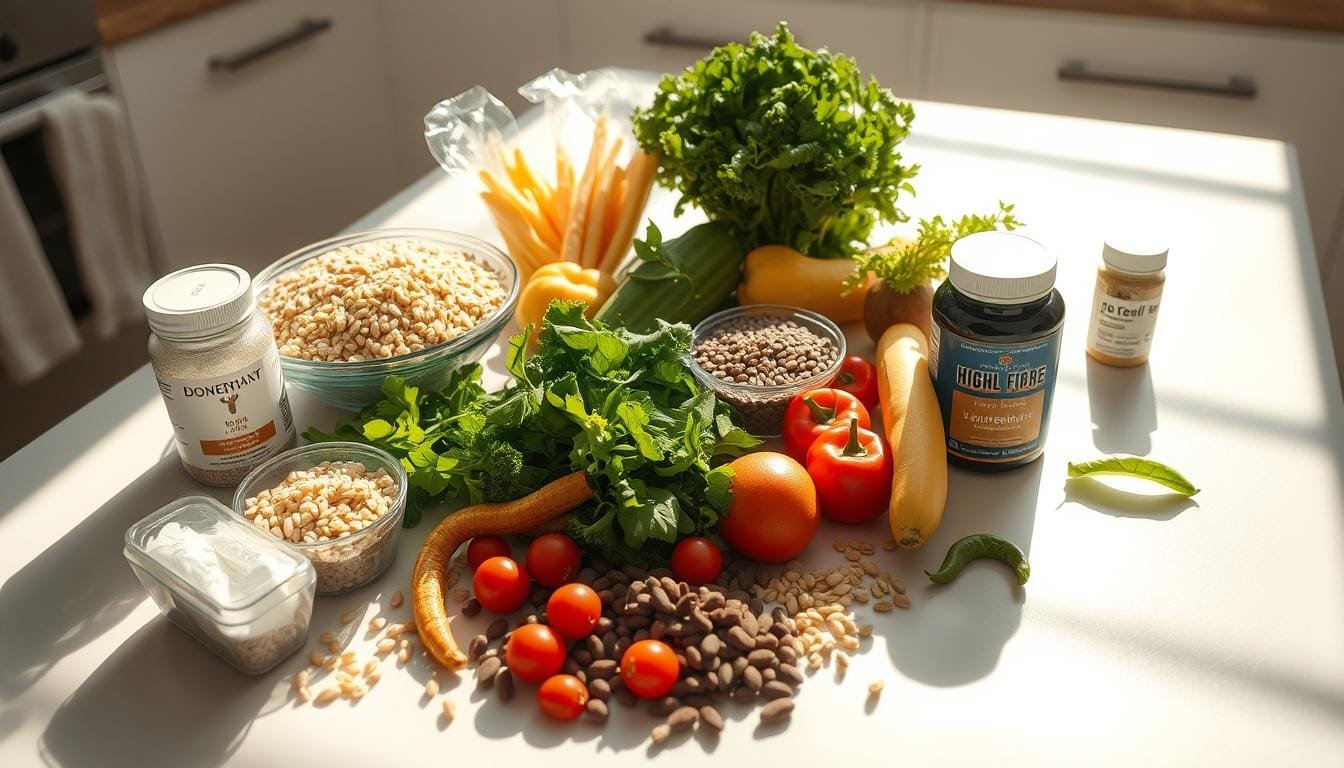
Gas-Free Goodness: How to Eat a High Fiber Diet Without Gas and Feel Great

Eating more fiber can improve your digestive health, but many wonder how to eat a high fiber diet without gas. Bloating and discomfort often come with increased fiber intake, but don’t worry! You can enjoy fiber without these unwanted effects.

Fiber is essential for overall health, yet many avoid it due to digestive discomfort. Understanding how to eat a high fiber diet without gas can help you get all the benefits without the drawbacks.

We’ll explore different types of fiber and gas-free food choices. You’ll learn how to eat a high fiber diet without gas by gradually increasing fiber intake, staying hydrated, and preparing foods like beans in a way that reduces bloating.

This guide will help you embrace a fiber-rich diet comfortably. By following these simple strategies, you’ll nourish your body with fiber-rich foods while feeling great.