
ae13dbc6 3ebe 488f 90c6 39aa64caa0fc

How to Get Motivated to Exercise in the Morning: Start Your Day Strong and Energized

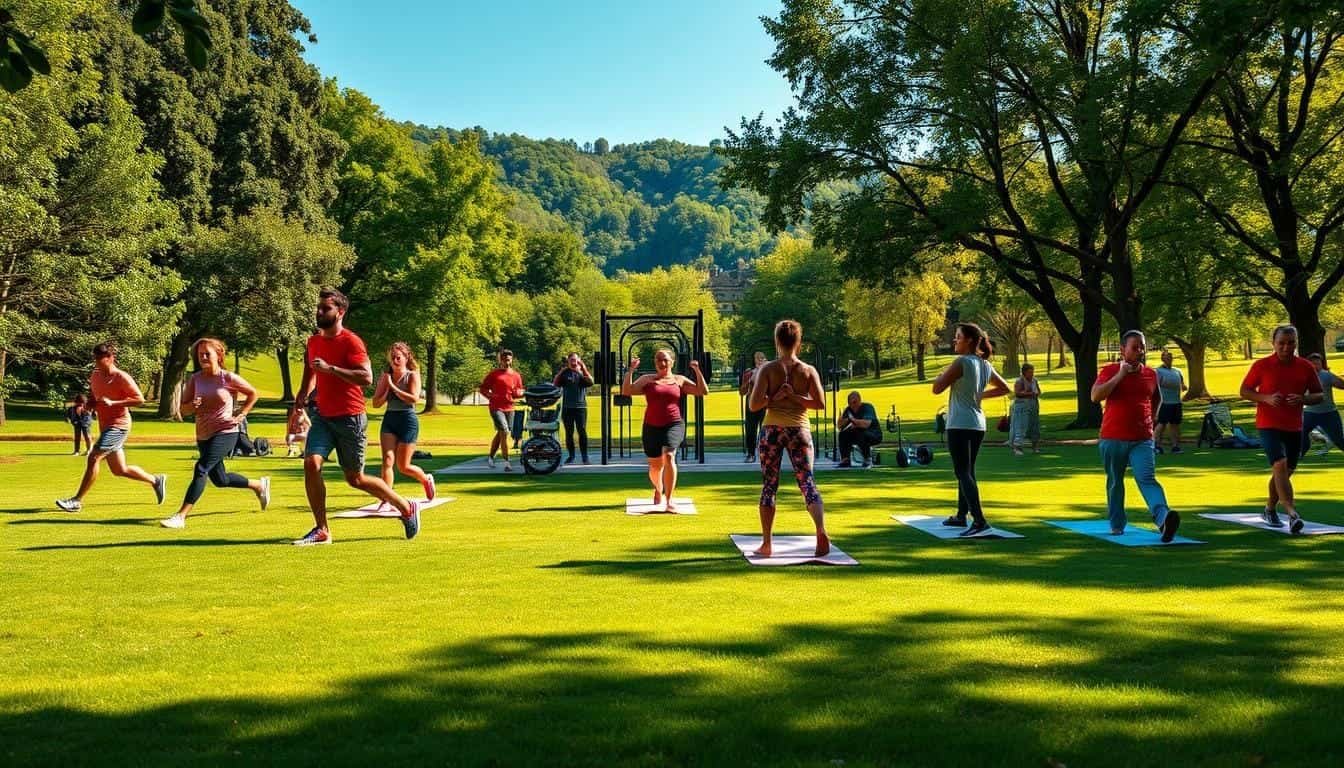
Imagine starting your day with a sense of accomplishment, feeling energized, and having a clearer mind. For many, morning workouts can be a game-changer, setting a positive tone for the day ahead. While it may seem challenging to establish a morning exercise routine, the benefits can be substantial, from increased energy levels to improved mental clarity.

Learning how to get motivated to exercise in the morning starts with building small, sustainable habits that make getting up and moving easier. Placing your workout clothes next to your bed, setting a fun playlist for your alarm, or prepping a quick post-workout smoothie can create excitement and reduce friction.

Establishing a morning workout habit can be incredibly rewarding, helping you stay on track with your fitness goals. By incorporating a consistent routine and understanding how to get motivated to exercise in the morning, you can boost your mood, enhance your physical well-being, and gain a sense of control over your day—before distractions have a chance to interfere.

942e6ab4 c2aa 4517 9807 7def3294c7a0

How to Find Motivation to Workout When Depressed: Gentle Strategies to Move and Heal

Sarah stared at her gym bag by the door, untouched for weeks. Her usual 5 a.m. runs felt impossible now. Depression had wrapped her in a fog, making even basic tasks exhausting. But one rainy afternoon, she laced up her sneakers and walked around the block—just five minutes. That small step became her lifeline.

Learning how to find motivation to workout when depressed isn’t about forcing yourself into high-intensity routines—it’s about finding ways to reconnect with your body, one small move at a time. Depression often drains energy and amplifies negative thoughts, creating barriers to physical activity. Research from Medical News Today shows even mild exercise releases mood-boosting chemicals like endorphins. Yet starting can feel overwhelming when fatigue or apathy takes over.

The key lies in gentle, sustainable approaches. Instead of hour-long gym sessions, focus on achievable goals: a 10-minute stretch routine or dancing to a favorite song. Pairing movement with activities you enjoy—like nature walks or yoga—builds consistency without pressure.

24f8b498 67fa 44fa 8186 46d84d792574

How to Get Motivated to WorkOut When Tired: Energy-Boosting Tips That Work

Sarah stared at her gym bag, slumped by the door. It’d been a 10-hour workday, and her couch whispered promises of Netflix marathons. Sound familiar? You’re not alone. Nearly 50% of adults cite fatigue as their biggest barrier to exercise, according to Revere Health research. But here’s the twist: Sarah laced up her sneakers anyway. Twenty minutes later, she felt like a different person.

Why share this? Because small shifts can spark big changes. Fitness isn’t about grinding through pain—it’s about working smarter. This article blends science-backed strategies with real-world wisdom from Peloton instructors and health experts. You’ll discover how to get motivated to workout when tired and how to harness natural energy rhythms to create routines that stick, even on low-spoon days.

We’ll explore why movement actually combats fatigue (hello, endorphins!), how to tailor workouts to your energy levels, and which quick hacks can jumpstart motivation. Spoiler: Your next workout might feel easier than scrolling TikTok.

image 36

Calorie Deficit Before and After: Real Results and What to Expect on Your Journey

Meet Sarah, a busy teacher who struggled with her energy levels for years. After trying countless fad diets, she discovered a simple truth: sustainable progress starts with understanding your body’s needs. By focusing on mindful eating and movement, she lost 18 pounds in four months—without starving or extreme workouts. Her secret? A science-backed approach to balancing energy intake and output.

This method isn’t about deprivation. It’s about creating a small, consistent gap between what you consume and what your body uses daily. Research shows that trimming just 500 units from your daily intake—roughly equivalent to swapping fries for roasted veggies—can lead to steady, healthy progress over time.

Sarah’s calorie deficit before and after transformation is proof that small changes truly add up. By focusing on sustainability rather than extremes, she built habits that stuck—and results she’s proud of.

ebbd00ca 5816 4563 a594 6f3213e1121c

10 Best Workouts to Lose Belly Fat at Home and Get a Flat Stomach Fast

Last summer, I found myself staring at my reflection, frustrated by the stubborn layer around my midsection. Like 74% of Americans, I’d tried endless fads—juice cleanses, miracle pills, even late-night TikTok challenges. But nothing stuck until I discovered workouts to lose belly fat at home and how targeted movements and consistency could reshape my routine—and my confidence—without stepping foot in a gym.

Belly fat isn’t just about looks. Excess visceral fat raises risks for heart disease and diabetes, according to Harvard Health. That realization pushed me to create a sustainable plan combining high-intensity exercises and smart nutrition. The result? A stronger core, better energy, and yes—a flatter stomach.

In this guide, I’ll share the exact strategies that worked for me. You’ll learn dynamic workouts to lose belly fat at home like burpees and mountain climbers that torch calories, plus tips to avoid common form mistakes. No equipment? No problem. These routines use bodyweight to build lean muscle and boost metabolism.

Ready to ditch the crunch-and-starve cycle? Let’s dive into science-backed workouts to lose belly fat at home that fit your living room—and your life.

image 98

How to Maintain a Healthy Lifestyle in College: Tips for Balanced Living Amidst Busy Schedules

When I first stepped onto campus as a freshman, I was excited to dive into this new chapter of my life. However, I quickly realized that balancing academics, social life, and personal well-being can be overwhelming. Like many students, I found myself sacrificing sleep for study sessions and relying on convenience foods to save time. But I soon learned that neglecting my health wasn’t just affecting my energy levels—it was impacting my overall happiness and performance.

Learning how to maintain a healthy lifestyle in college became a turning point for me. Establishing healthy habits early in college sets the foundation for long-term wellness. By prioritizing sleep, managing stress, and making mindful food choices, I noticed a significant improvement in my focus and mood. It’s easy to overlook self-care when juggling a packed schedule, but proactive planning can make all the difference. College is the perfect time to experiment with new habits and find what works best for you, even when life gets busy.

In this article, we’ll explore practical strategies for balancing health with the demands of college life. From meal prepping to time management tips, we’ll cover it all. Whether you’re a freshman or a senior, these insights will help you create a routine that supports your academic and personal goals.