image 83

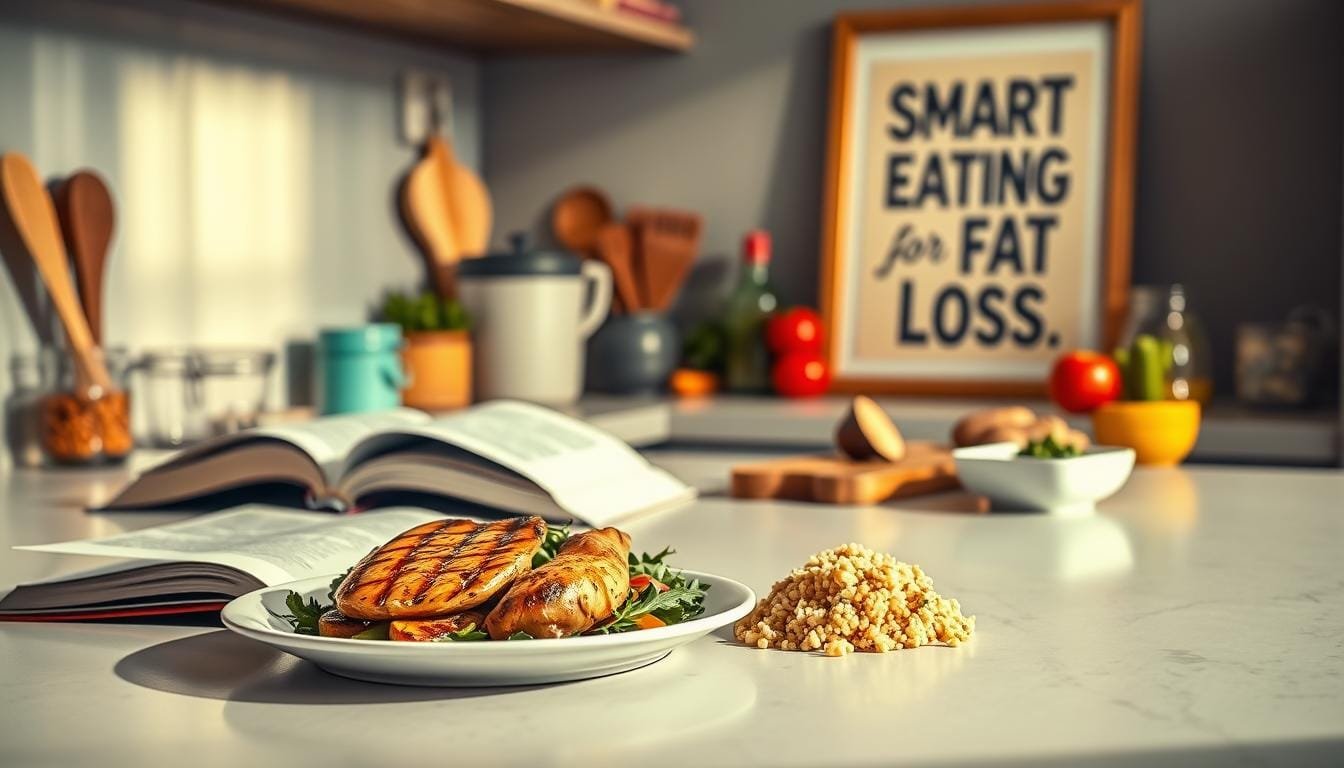
Smart Eating for Fat Loss: Macro Diet for Weight Loss Explained

My friend Sarah grabbed a low-fat yogurt at the store. She thought it was her new weight loss secret. I smiled, recalling my past with fad diets.

I told Sarah about the macro diet for weight loss. It changed how I lost fat for good. Unlike restrictive diets, the macro diet for weight loss focuses on balancing proteins, carbs, and fats instead of cutting out foods.

This approach helps your body burn fat efficiently while allowing flexibility in your meals. You can reach your goals without constantly feeling hungry.

Let’s explore how the macro diet for weight loss can transform your fat loss journey. We’ll break down the science behind macronutrients and teach you how to calculate your personal macro needs.

We’ll also share practical tips to integrate this strategy into your daily life, making weight loss both effective and sustainable.
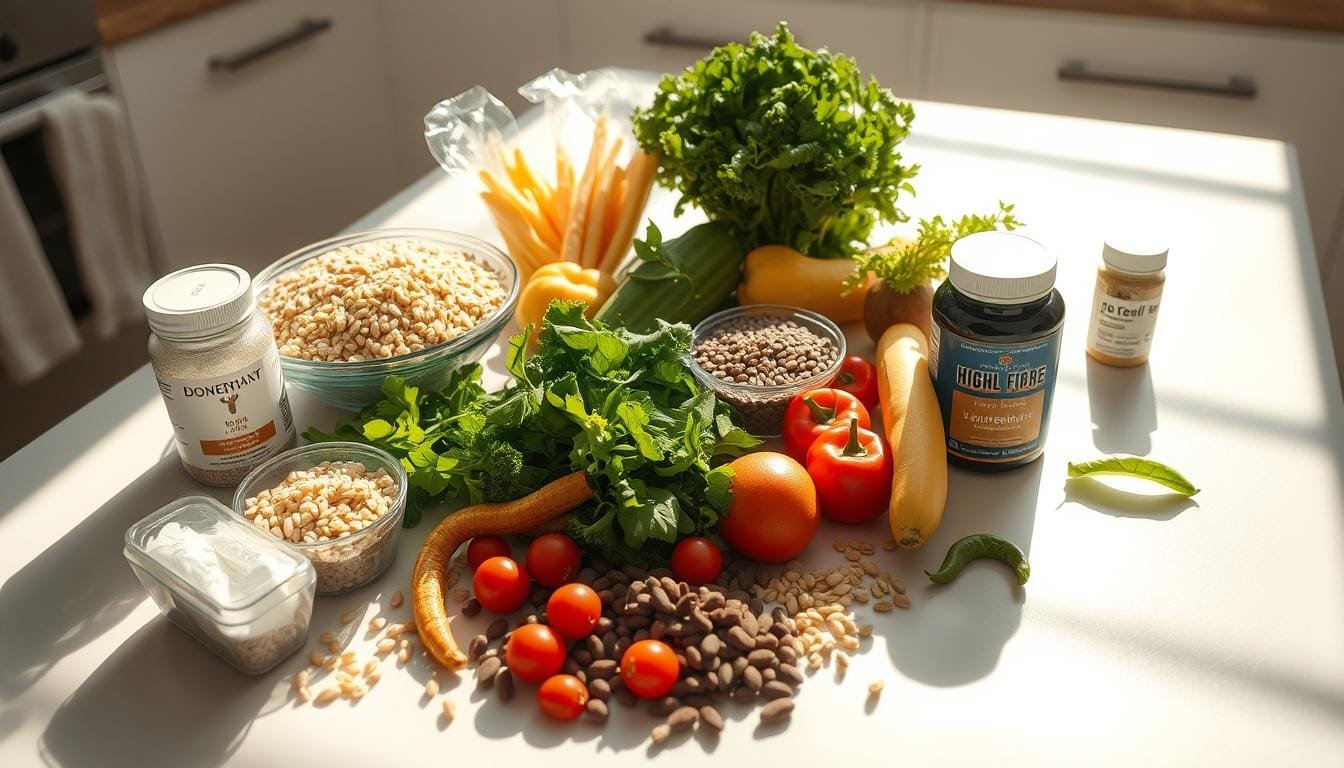
image 79

Fuel Your Fat Loss: What Macros Should I Eat to Lose Weight Efficiently

What macros should I eat to lose weight? This is a common question for those looking to shed fat while maintaining muscle. Macros—proteins, carbohydrates, and fats—play a crucial role in weight loss. By optimizing your macro intake, you can achieve your goals more effectively.

A macro calculator can help determine what macros should I eat to lose weight based on your body type and activity level. Finding the right nutrient balance is key to fueling your fat loss journey efficiently.

McMaster University research uncovered an effective macro ratio for fat loss: 50% carbs, 35% protein, and 15% fat. This “what macros should I eat to lose weight” approach helped participants lose an average of 10.5 lbs of fat while gaining 2.5 lbs of muscle—offering an alternative to traditional high-protein, low-carb diets.

By understanding what macros should I eat to lose weight, you can personalize your nutrition plan and make sustainable progress toward your fitness goals.

image 75

Gas-Free Goodness: How to Eat a High Fiber Diet Without Gas and Feel Great

Eating more fiber can improve your digestive health, but many wonder how to eat a high fiber diet without gas. Bloating and discomfort often come with increased fiber intake, but don’t worry! You can enjoy fiber without these unwanted effects.

Fiber is essential for overall health, yet many avoid it due to digestive discomfort. Understanding how to eat a high fiber diet without gas can help you get all the benefits without the drawbacks.

We’ll explore different types of fiber and gas-free food choices. You’ll learn how to eat a high fiber diet without gas by gradually increasing fiber intake, staying hydrated, and preparing foods like beans in a way that reduces bloating.

This guide will help you embrace a fiber-rich diet comfortably. By following these simple strategies, you’ll nourish your body with fiber-rich foods while feeling great.

image 68

10 Dos and Donts of Dieting for Effective Results

Sarah struggled with her weight for years. She tried many fad diets without success. Determined to find a better way, she researched the dos and donts of dieting to understand what really works.

She learned that sustainable weight loss isn’t about quick fixes—it’s about making lasting lifestyle changes. Many people start diets without knowing the dos and don’ts of dieting, leading to frustration and setbacks.

Success comes from healthy eating habits and smart weight loss approaches. Understanding the dos and don’ts of dieting can help you avoid common mistakes and stay on track for long-term success.

The Mayo Clinic stresses that lasting weight loss takes time and effort. It requires following the right dos and don’ts of dieting, such as changing eating habits and increasing physical activity. By focusing on proven strategies, you can achieve your goals and maintain results effectively.

image 63

5 Fast Acting Diets for Weight Loss Results

Sarah’s wedding approached, and her dress felt tight. She wanted quick results, so she started researching fast acting diets for weight loss to shed pounds safely and effectively.

Fast acting diets for weight loss promise rapid change by using methods like calorie restriction or adjusting meal timing. However, it’s crucial to understand the science and safety behind these approaches.

Poor sleep can slow metabolism and contribute to weight gain, highlighting why a complete approach is essential. Relying solely on fast acting diets for weight loss may not be enough for long-term success.

Sustainable weight loss often requires more than just changing what you eat. While fast acting diets for weight loss can offer quick results, it’s important to approach them wisely to maintain overall health and well-being.

image 60

What to Do When You Overeat on a Diet: 5 Simple Steps to Get Back on Track

Overeating happens to everyone. It’s a common hurdle in weight loss journeys. But knowing what to do when you overeat on a diet can help you stay on track.

One day of overeating won’t ruin your progress. The key is getting back on track quickly. If you’re wondering what to do when you overeat on a diet, here are five steps to help you recover and keep moving forward.

Diet recovery is about consistency, not perfection. Registered dietitian Isabel M. Vazquez agrees that occasional overindulgences won’t stop weight loss. Any quick weight gain is likely water retention, not fat. Understanding what to do when you overeat on a diet can prevent guilt and help you refocus on your goals.

Let’s explore what to do when you overeat on a diet and how to bounce back with confidence. These simple steps will help you regain control and continue making progress.