
fe118e83 c6cc 403f 87df 0870af47a9e6

Boost Your Motivation Before Work: Tips & Tricks

Ever sit at your desk, coffee in hand, and feel like your brain refuses to shift into gear? Sarah, a freelance graphic designer, knows the drill. Last Tuesday, she spent 40 minutes scrolling through memes instead of tackling a client project. Sound familiar? That’s when she stumbled on a quote by productivity coach Marie Stein: “Make hard look easy by starting small.”

Her solution? She wrote down three tiny tasks—like sketching one logo concept—and crossed them off within 15 minutes. Suddenly, her morning felt less like a mountain and more like a series of stepping stones.

Finding motivation before work doesn’t have to be complicated. Starting your day with energy isn’t about grand gestures. It’s about smart strategies that fit into real life. Whether you’re juggling deadlines or battling burnout, a few intentional shifts can turn “ugh” into “let’s go.


0aa4618f 3e83 477b b751 60da4d8f4b30

Mastering Healthy Snacks to Make at Home: Tips and Recipes

Let food be thy medicine and medicine be thy food,” a timeless quote by Hippocrates, underscores the importance of what we eat. Preparing healthy snacks to make at home allows us to take control of our diet, ensuring we consume nutritious food without preservatives or excess sugar.

By choosing to make our own snacks, we not only improve our eating habits but also save money and enjoy the process. It’s about creating a recipe for a healthier lifestyle, one snack at a time.

0239fe86 be75 4401 8209 ed1a728adc08

How Long Should I Stay in a Calorie Deficit? Expert Tips for Sustainable Weight Loss

Meet Sarah, a busy mom who juggled work and family while struggling to lose stubborn baby weight. After months of frustration, she discovered the power of energy balance—the simple science of burning more calories than she consumed. By making small tweaks to her meals and adding brisk walks, she lost 15 pounds without extreme diets. Her secret? A strategic approach to creating a calorie deficit tailored to her lifestyle.

Like Sarah, many people achieve weight loss goals by understanding their body’s unique needs. Calories fuel everything from breathing to workouts, and consuming fewer than you burn triggers fat loss. But there’s a catch: cutting too many calories too fast can backfire. Experts often recommend a modest 500-calorie daily reduction—enough to lose 1 pound weekly while keeping energy levels stable.

Still, a common question arises: how long should I stay in a calorie deficit? The answer depends on your goals, body composition, and how your body responds over time. Most health professionals suggest cycling out of a deficit after a few months to allow for metabolic recovery and prevent burnout.

09aa71ca 629a 47ae 9beb 572ec97b512f

Calorie Deficit for a Month: Effective Weight Loss Strategy

Imagine starting your weight loss journey with a clear plan, knowing exactly how to achieve your goals. Creating a calorie deficit is a scientifically proven strategy that works for most people. It involves consuming fewer calories than your body expends, forcing it to use stored fat for energy.

Committing to a calorie deficit for a month can lead to noticeable weight loss results while improving overall health markers. When maintained consistently, this method supports fat loss without extreme measures. Understanding how your body processes energy and creates a deficit is crucial for developing a sustainable weight management plan.

3e7f60ce a4e2 425c b5bd c1d3baa3ba5f

How to Stay Full on a Diet: Smart Eating Tips to Curb Hunger and Boost Weight Loss

Struggling with hunger pangs is one of the biggest challenges when trying to lose weight. Understanding the science behind satiety can make all the difference in your success. Foods high in protein and fiber naturally keep you feeling satisfied longer.

If you’ve ever wondered how to stay full on a diet, the answer lies in eating the right foods that help control hunger without excessive calorie intake. Incorporating filling foods that provide maximum nutrition while helping control your appetite is key to a sustainable eating plan.

By understanding your body’s hunger signals and how different foods affect them, you can manage your diet more effectively. Smart food choices can help you feel satisfied with fewer calories, making weight loss more achievable.

3ad6fd93 67e2 452f 83ec 335ada4e46ac

Diet Plan for Weight Loss in Ramadan: Healthy Eating Tips for Fasting and Fat Loss

Last year, Aisha, a busy teacher from Chicago, faced a common struggle. During Ramadan, she wanted to honor her spiritual journey but often felt drained by midday. After skipping suhoor and overeating sugary treats at iftar, her energy crashed—until she discovered small changes that transformed her experience.

Ramadan isn’t just about abstaining from food. It’s a time to nourish both body and soul. Structured meal timing and mindful choices can help maintain energy while supporting personal goals. A well-thought-out diet plan for weight loss in Ramadan can make a significant difference, helping manage hunger and support overall well-being throughout the fasting month.

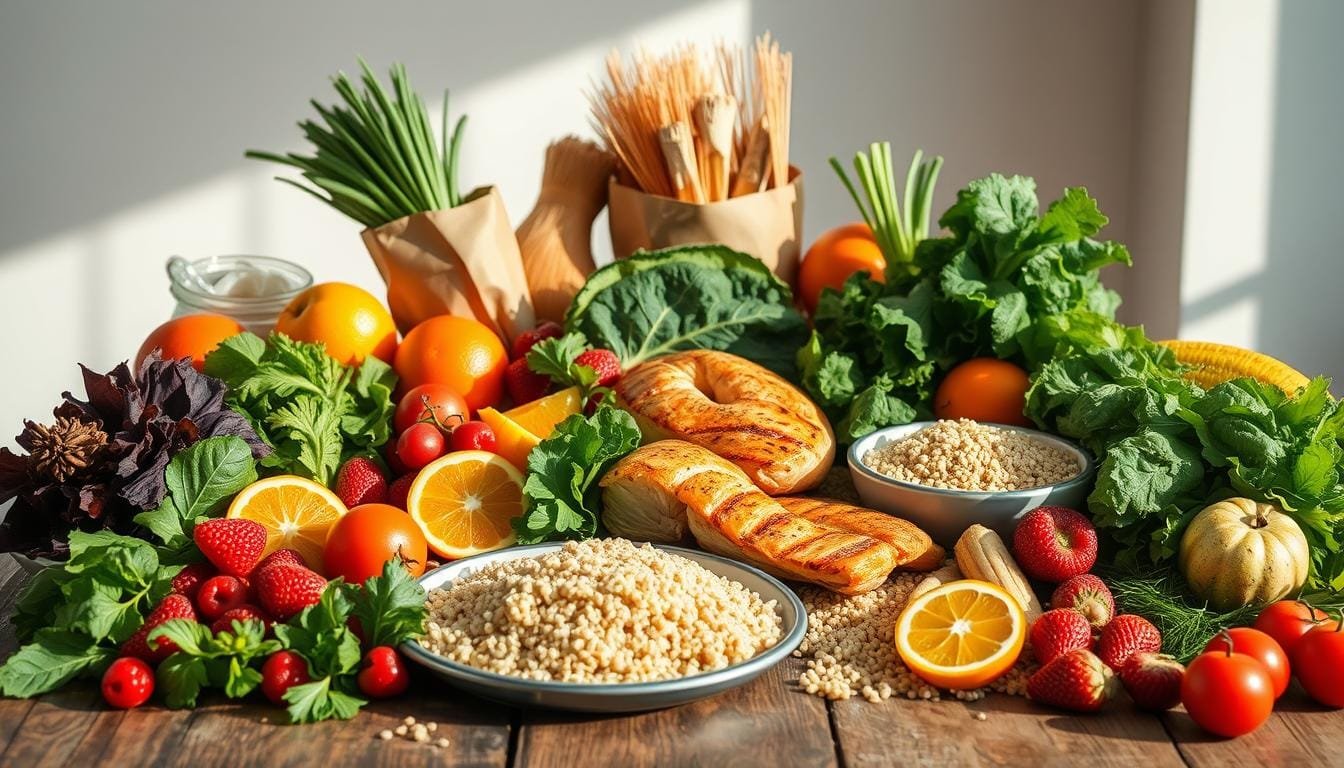
Hydration plays a starring role. Drinking enough water between sunset and sunrise combats fatigue. Pair this with fiber-rich foods like oats or whole grains at suhoor, and lean proteins like grilled chicken at iftar. Dietitian Lesley Robbins notes: “Balanced meals prevent extreme calorie swings, making fasting more sustainable.”