image 88

How to Have a Healthy Diet on a Budget: Smart Tips for Affordable Nutrition!

magine sitting down to a vibrant, nutritious meal without worrying about the cost. For many, healthy eating seems like a luxury, but it doesn’t have to be. With a little planning, you can learn how to have a healthy diet on a budget and enjoy delicious, wholesome food while keeping your wallet happy.

Let me share a personal insight: meal prepping and shopping smartly transformed my approach to affordable nutrition. By planning meals weekly and sticking to a grocery list, I reduced impulse buys and stayed on track. Shopping the store’s perimeter also helped me focus on whole foods like fruits, vegetables, and proteins, avoiding processed items that can hurt both health and finances.

Experts agree that meal prepping and buying in bulk can save money. For instance, beans and lentils are cost-effective protein sources, while seasonal produce offers fresh flavors at lower prices. These strategies not only save money but also ensure a balanced diet. Learning how to have a healthy diet on a budget is all about smart choices that make nutritious eating affordable and sustainable.
image 86

Beginner’s Guide: Macro Diet for Dummies Explained Simply

Macro diet for dummies caught my attention on a fitness podcast called “Macros Made Easy.” This nutrition approach for beginners seemed like a potential game-changer. It promised to transform my health journey.

Initially, counting macros felt overwhelming. But as I explored the basics, I found it surprisingly simple. The macro diet for dummies approach helps anyone improve their eating habits and reach fitness goals without feeling restricted.

Macro dieting doesn’t label foods as “good” or “bad.” Instead, it balances proteins, carbohydrates, and fats to meet your body’s needs, fostering a healthier relationship with food.

My macro journey taught me that consistency is key. Enjoying your eating habits makes it easier to stick with them. Sustainable changes, like those found in the macro diet for dummies, are the ones that last.

image 83

Smart Eating for Fat Loss: Macro Diet for Weight Loss Explained

My friend Sarah grabbed a low-fat yogurt at the store. She thought it was her new weight loss secret. I smiled, recalling my past with fad diets.

I told Sarah about the macro diet for weight loss. It changed how I lost fat for good. Unlike restrictive diets, the macro diet for weight loss focuses on balancing proteins, carbs, and fats instead of cutting out foods.

This approach helps your body burn fat efficiently while allowing flexibility in your meals. You can reach your goals without constantly feeling hungry.

Let’s explore how the macro diet for weight loss can transform your fat loss journey. We’ll break down the science behind macronutrients and teach you how to calculate your personal macro needs.

We’ll also share practical tips to integrate this strategy into your daily life, making weight loss both effective and sustainable.

image 79

Fuel Your Fat Loss: What Macros Should I Eat to Lose Weight Efficiently

What macros should I eat to lose weight? This is a common question for those looking to shed fat while maintaining muscle. Macros—proteins, carbohydrates, and fats—play a crucial role in weight loss. By optimizing your macro intake, you can achieve your goals more effectively.

A macro calculator can help determine what macros should I eat to lose weight based on your body type and activity level. Finding the right nutrient balance is key to fueling your fat loss journey efficiently.

McMaster University research uncovered an effective macro ratio for fat loss: 50% carbs, 35% protein, and 15% fat. This “what macros should I eat to lose weight” approach helped participants lose an average of 10.5 lbs of fat while gaining 2.5 lbs of muscle—offering an alternative to traditional high-protein, low-carb diets.

By understanding what macros should I eat to lose weight, you can personalize your nutrition plan and make sustainable progress toward your fitness goals.

image 75

Gas-Free Goodness: How to Eat a High Fiber Diet Without Gas and Feel Great

Eating more fiber can improve your digestive health, but many wonder how to eat a high fiber diet without gas. Bloating and discomfort often come with increased fiber intake, but don’t worry! You can enjoy fiber without these unwanted effects.

Fiber is essential for overall health, yet many avoid it due to digestive discomfort. Understanding how to eat a high fiber diet without gas can help you get all the benefits without the drawbacks.

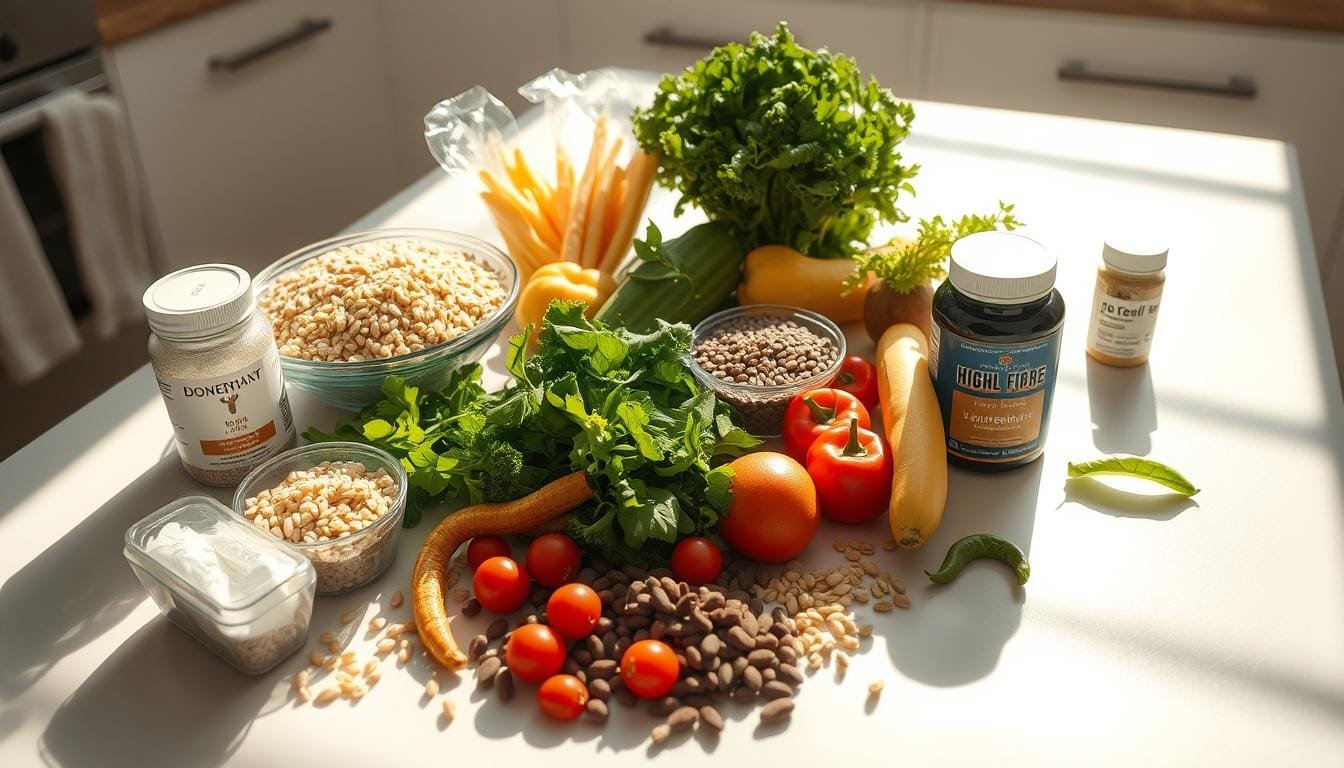
We’ll explore different types of fiber and gas-free food choices. You’ll learn how to eat a high fiber diet without gas by gradually increasing fiber intake, staying hydrated, and preparing foods like beans in a way that reduces bloating.

This guide will help you embrace a fiber-rich diet comfortably. By following these simple strategies, you’ll nourish your body with fiber-rich foods while feeling great.

image 68

10 Dos and Donts of Dieting for Effective Results

Sarah struggled with her weight for years. She tried many fad diets without success. Determined to find a better way, she researched the dos and donts of dieting to understand what really works.

She learned that sustainable weight loss isn’t about quick fixes—it’s about making lasting lifestyle changes. Many people start diets without knowing the dos and don’ts of dieting, leading to frustration and setbacks.

Success comes from healthy eating habits and smart weight loss approaches. Understanding the dos and don’ts of dieting can help you avoid common mistakes and stay on track for long-term success.

The Mayo Clinic stresses that lasting weight loss takes time and effort. It requires following the right dos and don’ts of dieting, such as changing eating habits and increasing physical activity. By focusing on proven strategies, you can achieve your goals and maintain results effectively.