

Medical safety: contraindications, medications, and when to see a clinician
Weight loss programs for women require careful consideration of safety, especially when medical conditions or medications are involved. Before starting any plan, understand whether it’s right for your body and health needs.
Disclosure: This article contains affiliate links. We may earn a commission at no extra cost to you.
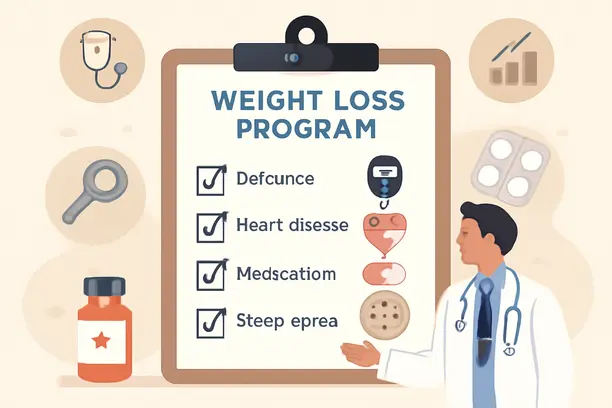
Before you start any weight loss program, medical safety should come first. That means checking for contraindications, reviewing your current medications, and considering any existing health conditions.
Your first step? Create a comprehensive list of everything you’re taking—prescription drugs, over-the-counter medications, supplements, and herbal products. Keep it updated and share it with your healthcare provider to avoid harmful interactions through a process called medication reconciliation.
Certain groups should never attempt aggressive calorie restriction, unproven supplements, or weight loss medications without clinical supervision. Women who are pregnant, planning to become pregnant, or breastfeeding need to avoid nearly all such regimens, as they may harm fetal or infant health.
If you’re in any of these categories, consultation with an OB/GYN or relevant specialist is necessary before making changes during or after pregnancy Source: American College of Obstetricians and Gynecologists.
Who Should Avoid Popular Regimens or Medications?
- Active eating disorders: Weight loss programs or medications may exacerbate symptoms and should only be pursued with a mental health team involved.
- Severe psychiatric illness: Conditions like depression and anxiety might worsen due to rapid weight loss, appetite suppressants, or restrictive routines.
- Uncontrolled thyroid conditions: Thyroid dysfunction must be stabilized before beginning weight management interventions.
- Significant heart, kidney, or liver disease: Many weight loss medications, including GLP-1 receptor agonists and appetite suppressants, can be unsafe for women with moderate to severe organ dysfunction Source: FDA.
You’ll also want to take extra caution if you have a history of bariatric surgery, cancer, severe anemia, or autoimmune disease.
Watch for symptoms like faintness, rapid heart rates, or uncontrolled high blood pressure—these often mean you need tailored clinical oversight or should pause the program altogether.
GLP-1 Medications and Prescription Options: Red Flag Scenarios
GLP-1 receptor agonists (such as semaglutide and liraglutide) are contraindicated for women with:
- A personal or family history of medullary thyroid cancer or multiple endocrine neoplasia syndrome type 2
- Pancreatitis or a history of gallbladder disease
- Severe gastrointestinal disorders or significantly reduced kidney function (eGFR <30)
These medications can also exacerbate depression in susceptible individuals, so regular monitoring of mood is critical Source: NIDDK.
If you’re considering GLP-1 therapies for weight loss, consult carefully with your healthcare provider to review eligibility and potential long-term effects.
For non-medication approaches, prioritize transparent, evidence-based programs with verified safety records.
Practical Steps: Medication Reconciliation & Clinician Guidance
- Update your medication list before starting or adjusting any weight loss plan.
- Review potential drug interactions, especially when supplements or appetite suppressants are involved.
- Schedule appointments with your primary care provider or a registered dietitian before beginning prescription weight loss treatments.
- Watch for side effects such as unexplained rashes, chest pain, severe mood changes, or persistent digestive issues and seek immediate medical advice if these occur.
Women with complex medical or psychiatric histories require ongoing clinical supervision, not just an initial evaluation.
When should I stop a weight loss medication or diet?
Stop immediately if you experience new chest pain, shortness of breath, swelling of the lips or tongue, or suicidal thoughts. Seek emergency care as necessary.
What are early warning signs that a plan is unsafe?
Persistent dizziness, confusion, heart rate exceeding 120 beats per minute, dark urine, or fainting should prompt immediate cessation and clinical evaluation.
How often should I check in with my doctor?
Follow-ups every 4 to 8 weeks are ideal, or sooner if you have preexisting conditions or are using prescription medications.
For those seeking a structured, evidence-based approach, digital programs like the 30-Day Mediterranean Diet Challenge provide gradual transitions and sustainable meal plans focusing on overall health.
These programs offer day-to-day support and risk-free satisfaction guarantees.
If you’re uncertain where to begin, consider exploring expert-guided dietary plans tailored for women’s health. Remember, safety comes first—always consult your healthcare provider before major dietary or pharmacological changes.
For further personalized guidance, review evidence-based vegan diet plans for weight loss or learn about GLP-1 drugs and their effects on women’s health.
Check This
Risks, red flags, and real harms of commercial programs
Commercial weight loss programs often present attractive promises supported by glowing testimonials and glossy marketing.
But behind this surface can lie serious risks to your health, finances, and well-being. Recognizing warning signs is key to making safer, smarter choices.
One critical red flag? Any guarantee of rapid or “miracle” weight loss, such as losing more than 1 to 2 pounds per week consistently.
Such claims typically lack scientific proof and may involve extreme calorie restriction, unregulated supplements, or dubious prescription offers. Programs that avoid medical screening or pressure you into buying exclusive products or injections without oversight should be approached cautiously.
The U.S. Food & Drug Administration warns about serious side effects from unapproved weight loss drugs and supplements, including organ damage and heart complications Source: FDA Consumer Updates.
Mental health consequences are equally significant. Drastic diets can provoke anxiety, guilt, social withdrawal, or disordered eating.
Programs that enforce rigid food tracking, foster guilt around minor setbacks, or eliminate entire food groups for no sound reason warrant skepticism.
Sustainable approaches promote gradual, realistic progress without punitive tactics or costly upsells.
Common Red Flags in Commercial Programs
- Hidden costs: Watch for recurring membership fees or mandatory supplement purchases beyond what’s advertised.
- Restrictive refunds: Money-back guarantees often come with difficult-to-meet conditions, such as proof of precise plan adherence for weeks.
- Excessive reliance on testimonials: Dramatic success stories without unbiased, clinical backing may be cherry-picked or fabricated.
- No professional assessment: Any program that doesn’t require medical, dietary, or lifestyle screening puts you at risk, especially if you have preexisting health conditions.
- Pressure for upfront payment: High-pressure sales tactics asking for payment before any real assessment or trial period should give pause.
The harm isn’t just physical or financial. Many women report increased anxiety, self-doubt, or shame after trying programs that rely on humiliating weigh-ins or shaming strategies. Long-term adherence and health outcomes are poor when programs utilize these tactics.
Additionally, commercial programs that encourage exclusive use of branded, processed foods or cut out entire macronutrient groups can lead to deficiencies. These diets rarely promote sustainable habits for women over 40, a group with unique metabolic needs.
How to Protect Yourself
- Research programs by looking for reviews from objective, third-party organizations such as consumer watchdog groups or registered dietitians.
- Insist on transparency—request sample meal plans, see ingredient lists and read all fine print before committing to long-term agreements.
- If possible, opt for programs that offer a free trial period. This gives you the flexibility to assess whether the program aligns with your lifestyle before making a financial commitment.
- Prioritize approaches centered around whole, minimally processed foods and proven behavioral strategies over magic pills or drastic meal replacements.
If you’re not sure about a program’s legitimacy, consult a licensed healthcare professional or registered dietitian before spending any money or making dietary changes.
For government advice, see the CDC’s Healthy Weight guidelines for safe, sustained loss and nutrition.gov for unbiased resources.