Pre-program assessment, screening & choosing starting loads
Weight training program for women over 40 provides a safe, science-backed path to strength and joint health, starting with proper assessment and the right loads for your body.
Disclosure: This article contains affiliate links. We may earn a commission at no extra cost to you.
If you’re new to strength training or returning after a break, the right foundation helps you stay consistent and confident from day one.
Before beginning a weight training program for women over 40, it’s essential to complete a thorough pre-program assessment. This step ensures safety and sets you up for real progress.
Start by completing the Physical Activity Readiness Questionnaire (PAR-Q+). It helps detect chronic conditions, recent surgeries, or symptoms like chest pain, dizziness, or unexplained shortness of breath that may require medical clearance.
Addressing these concerns upfront lowers risk and gives you a solid foundation for consistent progress.
Key health factors to consider include:
- Medical conditions: untreated heart disease, uncontrolled blood pressure, recent stroke, or severe joint pain
- Recent changes: unintentional weight loss, persistent fatigue, or new medications within the last month
- Current symptoms: chest discomfort, swelling, or fainting during activity
If any red flags emerge, consult a healthcare professional before starting resistance training.
Better safe than sorry—and a quick check-in can make all the difference in how you feel six weeks from now.
Functional Movement & Strength Screening: Three Simple Self-Tests
Once you’re medically cleared, it’s time to assess your baseline functional fitness.
Think of these self-tests as your personal starting line—not a judgment, just helpful data.
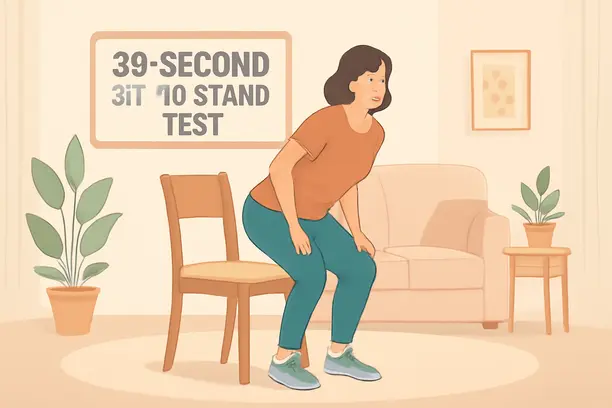
- 30-Second Sit-to-Stand Test: Sit in a sturdy chair with arms crossed, stand up and sit down repeatedly for 30 seconds. Aim for at least 12 reps. Lower numbers suggest a need to build foundational lower-body strength.
- Single-Leg Balance Test: Stand on one leg without support, eyes open. Target 10 seconds per leg to enhance balance critical for fall prevention and safe training progression.
- Upper-Body Endurance Test: Perform controlled wall, knee, or toe push-ups, counting reps before form breaks down. Use this as a baseline for upper-body strength endurance.
If your performance falls below age-appropriate benchmarks, don’t worry—that’s exactly why you’re here.
Start with gentle, joint-friendly routines that rebuild foundational strength without overwhelming your body.
Selecting Starting Loads Using RPE and RIR
Choosing the right starting weights can feel tricky. Too heavy risks injury; too light stalls progress.
That’s where subjective effort scales come in—they help you guide your intensity safely.
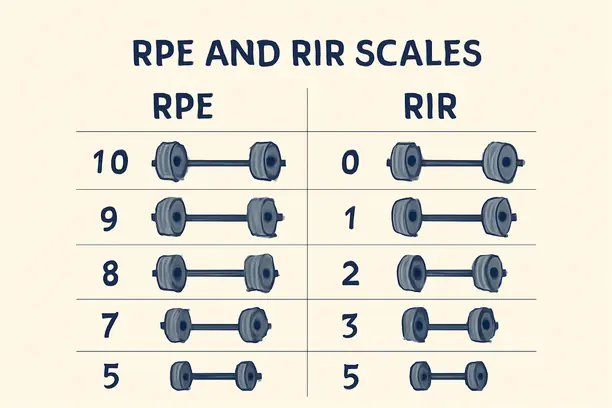
- Rate of Perceived Exertion (RPE): After each set, rate effort from 1 to 10. Beginners should target RPE 6–7, meaning the set feels moderately challenging but you could perform 2–4 more reps with good form.
- Reps In Reserve (RIR): Estimate how many additional repetitions you could do at the end of a set. Start with weights that leave 2–3 reps in reserve to encourage growth while protecting joints.
This method allows gradual, self-paced progression without reaching total fatigue.
It’s especially important during perimenopause or if you’re managing osteoporosis risk.
As your form and confidence improve, steadily increase load, reps, or sets within these mild-to-moderate effort zones.
For extra structure, consider digital programs tailored for women over 40. They guide intensity adjustments and load progression week by week.
Prioritizing screening and smart load choices helps you build strength safely and sustainably.
Want a shortcut to safe, joint-friendly routines that guide you from your very first session? Try a follow-along program made for women over 40—no gym or equipment needed. Get instant access to 7-minute routines designed for your body.
Menopause and midlife physiology: training, recovery & mobility
Hormonal shifts can make workouts feel unpredictable, but you can still build strength and energy with the right adjustments.
If hot flashes, joint stiffness, or low sleep are slowing you down, you’re not alone—and there are real solutions.
Women transitioning through perimenopause and menopause face unique physiological changes that impact training and recovery.
Declining estrogen and progesterone can disrupt sleep, alter muscle recovery, decrease joint flexibility, and influence overall exercise response.
One common symptom? Disrupted sleep from night sweats or insomnia, which slows muscle repair and saps motivation.
To counteract this, include at least one additional rest day weekly. You can also alternate heavy sessions with lighter mobility or stretching workouts.
Many women find that training in the morning reduces hot flash episodes and aligns better with natural energy peaks.
Nutrition plays a vital role during this phase.
Consuming a quality protein source within 30–60 minutes post-workout supports muscle repair and counters sarcopenia—the age-related loss of muscle mass.
Hydrating adequately and incorporating magnesium-rich foods can relieve cramps and support better sleep, a frequent menopause challenge Source: National Institute of Diabetes and Digestive and Kidney Diseases.
Due to decreased estrogen, joints and connective tissues often stiffen. That makes daily mobility work essential—not optional.
Focused routines might include:
- Hip and glute openers: Hip flexor stretches and glute bridges to alleviate lower back and knee discomfort
- Thoracic spine mobility: Gentle rotations and chest openers to improve posture and reduce upper back tightness
- Dynamic ankle and wrist movements: Circles and flex/point exercises to keep smaller joints mobile and injury-resistant
Short, joint-friendly routines designed specifically for women over 40 offer efficient ways to maintain consistency despite fluctuating energy levels.
Listening to your body is crucial. On days with fatigue, extreme hot flashes, or persistent joint pain, adjust training intensity.
Try substituting weights for walking or stretching—movement still counts.
Ultimately, success during menopause involves compassion and strategic adjustments to training and recovery.
Prioritize rest, adjust workout timing, optimize protein intake, and maintain mobility to stay resilient and strong.
Programs developed for midlife women can offer actionable pathways to improved strength without lengthy sessions.
Looking for recovery tips and more on motivation? Check out our guide to gym motivation and fitting workouts into a busy schedule for practical strategies.
For joint-friendly strength building, try guided routines tailored to hormonal transitions. Start a 7-minute program made for women 40+.
Program design: sets, reps, progression, tracking & bone-loading
Building muscle and protecting your bones doesn’t have to mean hours at the gym.
Here’s the simple way to structure your weight training program for women over 40—so you see results and stay motivated.
A well-structured weight training program for women 40+ should balance muscle maintenance, bone health, and realistic scheduling.