

How to Calculate Weight Watchers Points for Potato Soup
Weight watcher potato soup recipe tracking is all about knowing how to calculate points accurately—guesswork will throw you off. The WW system factors in calories, saturated fat, sugar, and protein to determine a food’s point value, so understanding those components is essential.
To estimate points manually for a homemade weight watcher potato soup recipe, you’ll need the complete nutritional data for your full recipe. A commonly used approximation is: (Calories ÷ 50) + (Saturated Fat grams × 0.2) + (Sugar grams × 0.1) − (Protein grams × 0.05). It’s a useful ballpark, though the official WW app runs a more refined calculation behind the scenes. Source: Weight Watchers Help Center
Using the Official WW App for Accuracy
For the most reliable result, use the WW app’s built-in recipe calculator. Navigate to “Create Food” or “Create a Recipe,” then enter the exact nutritional details for each ingredient. The barcode scanner is especially handy for packaged items like broth or dairy—just scan before adding anything to the pot.
You can also paste a recipe URL directly into the app or input ingredients manually. Either way, you eliminate the guesswork and ensure your weight watcher potato soup recipe fits comfortably within your daily Points budget. Source: Weight Watchers — How To Use The Barcode Scanner
Spotlight on High-Point Culprits in Creamy Soups
Traditional creamy potato soup has a few ingredients that quietly inflate the point count. Knowing what to watch for makes substitutions a lot easier.
- Heavy cream or full-fat dairy: High in saturated fat, which adds points quickly.
- Regular cream cheese: Full-fat versions contribute more points than reduced-fat alternatives.
- Butter or oil for sautéing: Cooking fats add points if not measured carefully.
- Bacon or sausage toppings: These can carry hidden saturated fat points.
For a lower-point bowl, try plain Greek yogurt in place of sour cream, or thicken low-fat milk with a touch of cornstarch instead of reaching for heavy cream. Building your own calculated recipe gives you real confidence it aligns with your goals. For more satisfying, low-point meal ideas, browse our collection of healthy dinner recipes to lose weight.
Essential Food Safety for Creamy Potato Soup
Dairy-based creamy potato soup needs careful handling to avoid foodborne illness. The combination of dairy and starchy potatoes creates conditions where bacteria can thrive if temperature and storage aren’t managed properly.

Critical Reheating Temperature
Always reheat creamy potato soup to an internal temperature of 165°F (74°C), verified with a food thermometer. That’s the threshold that ensures any potential bacteria are fully destroyed. Source: USDA Food Safety
Refrigerator and Freezer Timelines
Store creamy potato soup in the refrigerator for a few days at most. For longer storage, freeze it in airtight containers—it’ll keep well for several months. Always thaw frozen soup in the refrigerator overnight, never on the counter at room temperature.
Slow Cooker Specific Warnings
Avoid leaving dairy-based soups on the slow cooker’s “warm” setting for extended periods. Different models run at different temperatures, and some can dip into the danger zone where bacteria multiply rapidly. Source: Mississippi State Extension
If you’re keeping soup warm for serving, limit it to a couple of hours on that setting. For longer holds, transfer to a preheated insulated container instead. Stir occasionally to keep the temperature even throughout.
One thing worth remembering: dairy-based soups cool more slowly than clear broths. Divide large batches into shallow containers before refrigerating so the soup chills quickly and doesn’t linger in that unsafe temperature range. A well-made weight watcher potato soup recipe can be both delicious and safe when these simple guidelines are followed.
Updating Recipes for Current Weight Watchers Plans
Found a weight watcher potato soup recipe labeled for an older plan—like the 2020 “Color Plans”? Those point values are almost certainly outdated. Weight Watchers has moved to a unified Points framework, which means any old recipe total needs to be verified against the current system before you rely on it. Source: Simple Nourished Living
How to Recalculate Points for Any Recipe
The WW app is the most dependable tool here—static numbers on an old blog post just can’t be trusted. Here’s the straightforward process:
- Gather the exact ingredients and quantities from the recipe.
- In the WW app, navigate to “Create a Recipe.”
- Input each ingredient. The app’s database automatically calculates total Points using the current formula.
- Divide by the number of servings to get your accurate per-serving Points.
This keeps your tracking honest. Source: WeightWatchers Subreddit
Label Recipes with Verification Dates
Here’s a simple habit worth adopting: whenever you save or share a recipe, note the date you verified the Points. Something like “Potato Soup — 5 Points per serving (verified March 2025)” takes seconds but saves a lot of confusion down the road.
Program updates can shift the zero-point food list, which means a recipe’s point value isn’t set in stone. Source: Emily Bites Regular verification is the only way to be sure your weight watcher potato soup recipe reflects current tracking standards.
Making Potato Soup Truly Weight Watchers Friendly
Turning a classic potato soup into a genuinely WW-friendly version comes down to smart ingredient choices. Under the current plan, potatoes are on the ZeroPoint foods list—alongside more than 350 other foods—making them an ideal base to build around. Source: WeightWatchers
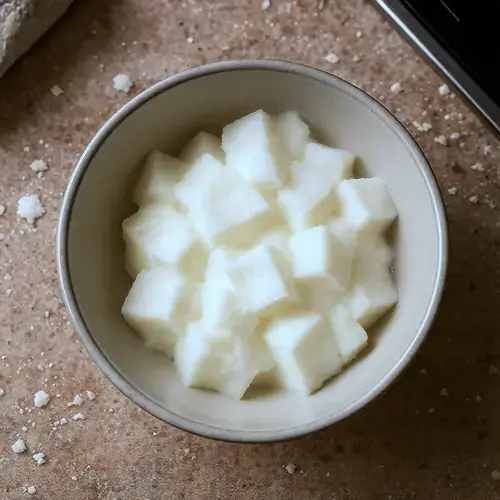
Lean into that advantage by making potatoes your primary starch and layering in other ZeroPoint vegetables—carrots, celery, onions, and leeks all add flavor and body without touching your Points budget.
Understanding the Point Calculation Formula
WW Points are driven by calories, saturated fat, sugar, and protein. When adapting your potato soup, the goal is to minimize saturated fat and added sugars while keeping protein as high as practical.
That’s why your dairy choices carry so much weight. Full-fat dairy products can hit your Points hard due to their saturated fat content. Swapping to low-fat or fat-free alternatives keeps the soup creamy without the penalty.
Practical Ingredient Substitution Chart
- Full-fat cream: High points → Fat-free Greek yogurt: Low points
- Regular sour cream: Higher points → Fat-free sour cream: Lower points
- Whole milk: Higher points → Unsweetened almond milk: Lower points
- Butter for sautéing: Higher points → Cooking spray or broth: 0 points
These swaps can meaningfully reduce your soup’s point value without gutting the flavor. If you’re nervous about the taste difference, start with partial substitutions and adjust from there.
Portion Control and Serving Strategy
Even with ZeroPoint potatoes and smart swaps, portions still matter. A standard serving of potato soup typically lands around 1 to 1.5 cups—use a measuring cup at first to train your eye for what that actually looks like.
Pair your soup with a side salad or extra ZeroPoint vegetables to round out the meal and keep hunger at bay without adding Points. For more ideas on building satisfying, low-point meals, explore our collection of healthy meals to make at home.
Dietary Adaptations Beyond Vegetarian Options
A weight watcher potato soup recipe is surprisingly adaptable. Beyond basic vegetarian tweaks, it can be reworked for gluten-free, dairy-free, and other allergen-friendly diets—without sacrificing that comforting, hearty texture.
Gluten-Free Thickening Solutions
A traditional flour-based roux is off the table for gluten-free cooking, but you have solid options. Cornstarch and arrowroot powder both work as smooth 1:1 substitutes, and potato starch is another excellent choice. Source: Zest for Baking Just note that these pure starches may slightly shift the SmartPoints calculation compared to all-purpose flour.
Dairy-Free Creaminess
For a rich texture without any dairy, blended cauliflower is a surprisingly effective base. Steam or roast the florets until tender, then puree them with some of the soup broth for a silky, naturally creamy result. Unsweetened plant-based milks—almond, oat, or cashew—also work well; just confirm they’re unsweetened to avoid hidden sugars.
Keep in mind that plant-based milks vary in body. Almond milk runs thin, while oat and cashew milks add more substance. You may need to adjust your thickener slightly depending on which you use.
Vegan Protein and Flavor Boosters
Replacing bacon or cheese calls for a little creativity. Nutritional yeast delivers a cheesy, nutty depth with zero points. Source: Harvard Health Smoked paprika brings that subtle smoky character, and finely chopped mushrooms sautéed until crispy add real texture.
A few more allergen-friendly additions worth trying:
- Sunflower or pumpkin seeds for crunch (measure for points)
- Chopped tempeh or extra-firm tofu cubes for protein
- Miso paste for depth (use sparingly due to sodium)
- Roasted garlic puree for richness
With these adaptations, your weight watcher potato soup recipe stays accessible no matter the dietary need at the table. For more inspiration, check out our guide to common gluten-free foods and our tips for balanced vegetarian eating.