
Essential Food Safety for Weight Watchers Taco Soup
Weight watchers taco soup is best when not only delicious, but handled with proper food safety right from the start. By following safe practices from prepping ingredients to storing leftovers, you support your wellness goals and protect your health.
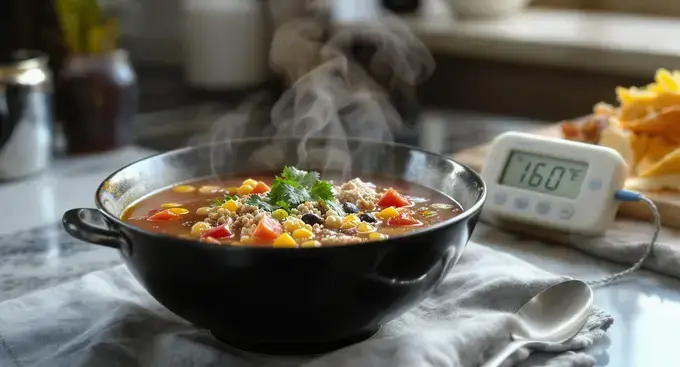
Cooking ground meat to a safe internal temperature is non-negotiable. The USDA requires that ground beef, pork, lamb, and veal reach 160°F (71.1°C) to eliminate harmful bacteria like E. coli and Salmonella. Source: USDA Food Safety and Inspection Service. Don’t trust the color of cooked meat — always use a digital food thermometer to be sure.
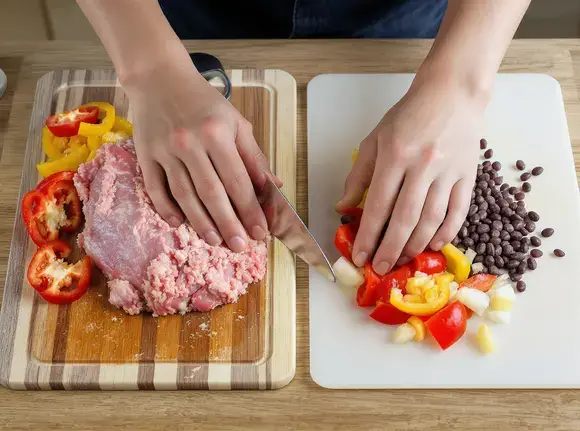
Cross-contamination is another real risk in the kitchen. Use separate cutting boards and utensils for raw meat and ready-to-eat ingredients like vegetables and canned beans. That physical separation matters. Source: CDC Food Safety. And of course, wash your hands thoroughly before and after handling anything raw.
Once your soup is cooked, cool it down quickly by dividing it into shallow containers before refrigerating. This prevents bacteria from multiplying in the temperature “danger zone” as the pot slowly cools.
When reheating, bring the soup to a rolling boil and make sure heat reaches all the way through. Refrigerated leftovers should be eaten within a few days, or frozen in portioned containers for up to several months. For more ideas on preparing safe, nutritious meals, check out our guide to healthy meals to make at home.
Understanding WW Points and Nutrition for Taco Soup
The point value assigned to a weight watchers taco soup recipe isn’t arbitrary — it’s a direct reflection of the recipe’s nutritional makeup. Understanding how points are calculated gives you the power to adapt recipes smartly, no matter which WW system you’re on.

The Official Calculation Formula
The exact algorithm is proprietary, but the SmartPoints system weighs calories, saturated fat, sugar, and protein. In practical terms, it penalizes saturated fat and added sugar while rewarding protein — nudging you toward nutrient-dense choices.
For taco soup, that means swapping in lean ground turkey, keeping added sugars in your seasoning blend low, and leaning on protein-rich beans can all chip away at the point count meaningfully.
Verifying Points with Official Tools
The most reliable way to confirm points is through the official WW app’s built-in calculator or barcode scanner. For homemade recipes, enter the total nutritional values for the full batch, then divide by the number of servings. Third-party calculators can give you a ballpark, but only the WW app reflects the current program formula accurately.
Why Points Shift Between Systems
If you’ve noticed different point values depending on which WW era you’re referencing, you’re not imagining it. Freestyle and PersonalPoints introduced zero-point foods — lean proteins, most vegetables — that simply didn’t exist under PointsPlus.
A soup loaded with chicken breast, black beans, and tomatoes will score noticeably lower under newer systems. That’s worth knowing when you’re browsing older recipes online. Strategic swaps like reduced-fat cheese or extra zero-point vegetables can turn a decent recipe into a genuinely efficient one. For more point-friendly meal inspiration, browse our collection of healthy family meals for weight loss.
Recipe Credibility and Author Expertise
Not every weight watchers taco soup recipe you find online is created equal. The author’s background and how thoroughly they tested the recipe can make a real difference in whether it actually works — and whether the point counts hold up.
Look for authors with verified nutrition credentials or Weight Watchers coaching certifications. These professionals understand the nuances of the point system, portion sizing, and what balanced eating looks like over the long haul — not just for a single meal.
Transparent testing methodology is another green flag. Reputable recipe developers test each recipe multiple times, refining ingredients and technique until the results are consistent. Source: Food Blogger Pro. A single run-through in the kitchen doesn’t cut it.
It’s also worth checking whether the recipe references current WW resources or mentions using the official Recipe Analyzer tool. Specific point calculations with clear portion guidance suggest the developer did their homework.
Recipes that include troubleshooting notes — what to do if the soup is too thick, how to adjust for different proteins — signal that the developer actually cooked it in a real kitchen and thought about what could go wrong.
Be cautious of recipes making sweeping or unsupported health claims. Credible nutrition professionals focus on balanced, evidence-based approaches, explaining how a dish fits into a broader eating pattern rather than promising dramatic results. For more on building sustainable habits, explore our guide on finding a diet that works for you.
Clarifying Health Claims and Ingredient Quality
When you’re choosing ingredients for a weight watchers taco soup, it helps to cut through the marketing noise. Understanding what labels like “detox” or “organic” actually mean — and what they don’t — lets you shop and cook with confidence.
Understanding “Detox” Claims
The word “detox” gets thrown around a lot in the recipe world, but it isn’t a regulated term with any clinical definition. Source: Open Access Government. Your liver and kidneys handle detoxification around the clock — no soup required.
Scientific reviews have found little evidence that commercial “detox diets” deliver meaningful weight loss or actual detoxification benefits. Source: Macquarie University. Consistent, balanced nutrition is a far more reliable approach.
Understanding USDA Organic Certification
The USDA Organic seal carries real meaning. To earn it, products must be grown or produced without synthetic fertilizers, pesticides, genetic engineering, or sewage sludge — and farms are inspected annually to verify compliance.
For multi-ingredient packaged products, “organic” on the label requires at least 95% organic ingredients. Products with 70–94% organic content may say “made with organic ingredients,” but they can’t display the official seal. Source: Organic Farmers Association. Knowing the difference helps you evaluate whether the premium price tag is worth it for your pantry staples.
When to Seek Professional Guidance
Healthy recipes are a great tool, but they’re not a substitute for medical advice. If you’re managing a chronic health condition, have specific dietary restrictions, or are thinking about making significant changes to how you eat, talk to a registered dietitian or your healthcare provider first.
This matters especially when medications are involved — certain foods can interact with prescriptions in ways that aren’t obvious. Source: FDA. For more on building a sustainable approach to eating, explore our resources on maintaining a healthy diet for weight loss or healthy meals on a budget.
Sources
- USDA Food Safety and Inspection Service – Ground Beef and Food Safety
- CDC – Food Safety Prevention
- Food Blogger Pro – Recipe Testing 101
- Open Access Government – The Science Behind Detox Claims
- Macquarie University – Literature Review on Detox Diets
- Organic Farmers Association – June 2024 Policy Update
- FDA – Guidance on Food and Medications