
14‑Day Meal Plan & Daily Menus
14 day detox plan pdf options are popular for people who want a practical, flexible way to reset eating habits and feel lighter in two weeks—without bland meals or complicated prep. This guide gives you a nourishing menu you can adapt to your routine and preferences.
Disclosure: This article contains affiliate links. We may earn a commission at no extra cost to you.
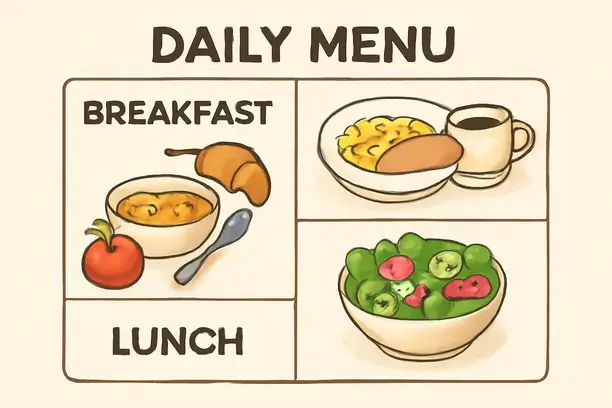
This 14-day detox plan gives you a practical, adaptable framework that works for different lifestyles, dietary needs, and personal preferences. You’ll get three complete sample days per week, plus easy swap options for allergies, cultural tastes, or just keeping things interesting.
Here’s what the first week looks like:
- Day 1:
- Breakfast: Greek yogurt parfait with berries and chia (swap to coconut yogurt if you’re dairy-free)
- Lunch: Lentil-vegetable soup (try split peas instead if you prefer)
- Dinner: Baked salmon with steamed broccoli and quinoa (or go for miso soup with tofu and brown rice)
- Snacks: Hummus with cucumber, a boiled egg, or apple slices with almond butter
- Day 3:
- Breakfast: Overnight oats with pumpkin seeds and raspberries (or scrambled eggs with spinach)
- Lunch: Chicken and vegetable soup (swap in chickpeas for plant-based protein)
- Dinner: Zucchini noodle stir-fry with edamame (or try red lentil soup with carrots and greens)
- Snacks: Carrot sticks, roasted chickpeas, or sliced pears
- Day 6:
- Breakfast: Avocado toast on seeded bread (gluten-free works great) or a mixed berry smoothie with flaxseed
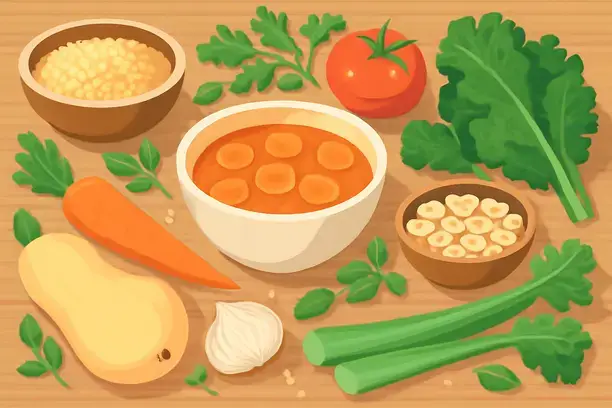
- Lunch: Hearty tomato soup with white beans (or a cauliflower rice bowl with grilled turkey)
- Dinner: Lemon-garlic shrimp soup (vegan? Try mushroom barley soup instead)
- Snacks: Plain popcorn, cottage cheese, or walnuts
Each meal balances lean proteins, fiber-rich vegetables, and healthy fats, while keeping added sugars, processed foods, and heavy starches to a minimum. Snacks are there if you need them—especially helpful if you’re active or have higher calorie needs.
Easy Swaps & Adaptations for All Lifestyles
This plan bends to fit your life. Got allergies? Swap gluten-containing grains for brown or wild rice, millet, or certified gluten-free breads. Vegan or vegetarian? Use beans, tofu, lentils, or tempeh in place of animal proteins. You can keep your cultural flavors alive with curry-spiced soups, miso broths, or Mediterranean-style dishes.
Adjust calories by tweaking portion sizes or adding snacks. If you’re active or have a larger frame, increase nuts, grains, or healthy fats. For lower calorie intake, skip snacks or choose broth-based soups over creamier versions. For more on portion control, check out practical calorie deficit strategies for weight loss.
Guidelines for Calorie Targets & Meal Timing
This plan works whether you’re aiming for 1,200–1,600 calories for gentle fat loss or closer to 2,400 for maintenance or high activity. The core idea? Listen to your body. Snack if you’re hungry, cut portions if you’re full.
Meal timing is flexible, too. Some people love three meals plus two snacks; others prefer fewer, larger meals. Find what feels right for you.
To dial in your approach, explore how to find a diet that works for you and macro-based meal prep tips for flexible eating.
Get Instant Access to Your Printable 14-Day Soup Detox
If you want a done-for-you, soup-based detox plan that takes the guesswork out of daily meals, the 14-Day Rapid Soup Diet PDF delivers recipes, daily guides, and follow-along videos. It’s especially popular with adults 40+ who want to cut cravings and lose stubborn weight—without crash dieting or complicated prep.
You can begin your soup detox journey here. Always consult your healthcare provider before major diet changes, especially if you have medical conditions or take medications. For tips on integrating these meal patterns sustainably, see advice on maintaining a healthy diet with a busy schedule.
This flexible plan encourages personalization and sustainable healthy eating well beyond the initial 14 days.
For more guidance on safe detox diets and meal structuring, visit EatRight.org and Harvard T.H. Chan School of Public Health.
What ‘Detox’ Means — Mechanisms and Evidence
Let’s clear something up: detox plans are often misunderstood. Your body already has built-in detox systems—mainly your liver and kidneys—that work around the clock to filter and remove waste. No food or cleanse can dramatically speed up this process, but smart nutrition can support what your body already does best.
Most substances labeled “toxins” by detox products aren’t clearly defined, and your body handles routine exposures just fine. Severe poisonings, like heavy metal toxicity, need medical treatment—not a juice cleanse. Supporting liver and kidney health is simpler: stay hydrated, eat balanced whole foods, and go easy on alcohol and processed junk Source: American Cancer Society.
Can Diet Speed “Detox” or Change Symptoms?
While diet can influence liver and kidney efficiency, the effect is modest. Cruciferous vegetables like broccoli and Brussels sprouts may boost certain detoxifying enzymes, and fiber-rich foods help move waste through your gut. Hydration is essential for kidney function.
Short-term restrictive detox diets, however, don’t show strong evidence for better symptom relief than just eating well overall Source: National Institutes of Health.
That “lighter” feeling after a detox? It’s usually because you’re eating less processed food and salt—not because toxins are magically leaving your system. Most early weight loss is water or glycogen, not fat. For practical advice on energy and satiety from plant-based meals, see this guide to plant-based recipes.
The Evidence: Benefits and Limits of Detox Claims
Randomized controlled trials on detox diets are rare, and results are mixed. Improvements in fatigue or bloating are mostly self-reported and can be influenced by the placebo effect. Claims of rapid symptom relief or dramatic weight loss aren’t well-supported by clinical studies Source: Consumer Reports.
Still, cutting back on added sugars and processed foods can boost energy and gut health—especially if your usual diet needs work. The real wins come from sticking with nutritious habits, not chasing quick fixes. For more on effective plant-based strategies, see this overview of vegan diet success in weight loss.
What’s Plausible—and What’s Not
- Plausible: More regular bowel movements, less water retention, and steadier energy from stable blood sugar.
- Unproven: Rapid toxin elimination, disease prevention, or a metabolic “reset” in days.
- Caution: Be skeptical of programs promising dramatic results or relying on before-and-after photos without scientific backing.
Bottom line: a well-designed detox can kickstart better habits, but don’t expect instant miracles. Steady, science-backed changes are what last.
For structured daily menus with soup recipes, explore the 14-Day Rapid Soup Diet system for a gentle, guided reset emphasizing comfort and nutrition.
Safety, Contraindications & When to Seek Medical Advice
Starting a 14-day detox plan can be motivating, but safety comes first. If you’re pregnant, breastfeeding, have kidney or liver disease, diabetes, or a history of eating disorders, talk to your healthcare provider before beginning. These groups face higher risks of nutrient deficiencies and electrolyte imbalances Source: CDC.
- Pregnancy/breastfeeding: Detox diets may lack crucial calories and nutrients.
- Kidney or liver disease: Rapid hydration or electrolyte changes can be harmful.
- Diabetes: Sudden carbohydrate changes can cause unsafe glucose swings.
- Eating disorders: Restrictive diets may trigger relapses.
Older adults, those on multiple medications, or anyone with chronic health issues should also check with their doctor before starting any detox plan.
Checklist: Conditions and Symptoms Needing Caution
- History of fainting, dizziness, or extreme fatigue
- Rapid or unintentional weight loss
- Significant food allergies (common in some detox recipes)
- Gastrointestinal diseases like Crohn’s or ulcerative colitis
- Medications affecting hydration or electrolytes, such as diuretics
If any of these apply, consult your healthcare professional or registered dietitian before proceeding. Prioritizing safety may mean modifying or skipping detox plans that could worsen symptoms.
When to Pause or Seek Medical Help During a Detox
If you experience lightheadedness, persistent nausea, confusion, rapid heartbeat, severe headaches, or swelling, stop the plan immediately and contact your provider. These signs may indicate dehydration or electrolyte imbalance requiring prompt attention Source: Mayo Clinic.
Supplement Safety and Interactions
Many detox plans include herbal teas, fiber, or supplements that aren’t always regulated. These can interact with common medications, such as blood thinners or diabetes drugs Source: FDA.
- Consult a pharmacist or doctor before starting supplements if you take medications.
- People with autoimmune diseases or allergies should be cautious with herbs.
- Children and teens should avoid such supplements unless medically advised.
Prioritize hydration and whole foods over unproven detox pills or powders.
Tips for Safe Detox Participation
- Review recipes for extreme calorie restriction.
- Listen to hunger and fatigue signals—mild hunger is normal, but persistent symptoms aren’t.
- Maintain adequate water and electrolytes, especially if fasting or consuming only liquids.
- Inform a trusted person about your plan and ask them to check in if needed.
Any detox plan should support, not harm, your long-term health. For a gentler, meal-based alternative with downloadable resources, consider the 14-Day Rapid Soup Diet. Always keep in touch with your healthcare provider regarding symptoms or medication concerns during your journey.
For additional meal planning guidance, see our comprehensive detox diet meal plans guide.
If you want a safer, craving-managing plan, the Rapid Soup Detox system is reviewed as an accessible option emphasizing comfort and clinical safety.
Personalizing Calories, Activity & Cultural Preferences
There’s no one-size-fits-all when it comes to calories or meal structure. Your needs depend on age, body size, activity level, and goals—whether that’s fat loss, maintenance, or muscle gain.
Start by estimating your basal metabolic rate (BMR) and adjust for your activity: sedentary (×1.2), moderate (×1.55), or active (×1.75+). For fat loss, aim for a 250–500 calorie deficit; for muscle gain, a small surplus. Monitor progress weekly and adjust as needed. Older adults may need 150–250 fewer calories per day with each decade after age 30 Source: CDC.
Macronutrients matter, too. Most effective detox plans target 20–30% of calories from protein for fullness and muscle support, with moderate healthy fats and carbs tailored to your activity. Highly active people may need 1.5–2 grams of protein per kg bodyweight and more carbs NHS guidance.
Practical Portioning and Macro Strategies
If calorie counting isn’t your thing, use this simple plate method: half vegetables/fiber, one-quarter lean protein, and one-quarter whole grains or starchy veggies.
On soup-heavy days, pair a high-protein soup with salad and a palm-sized serving of legumes or quinoa. Swap refined carbs for whole grains to keep nutrition on track, no matter your cuisine.
On active days, increase portions of starches and healthy fats. Listen to your hunger cues instead of sticking to rigid calorie numbers. “Solid-in-liquid” meals—like chunky soups—help you feel full on fewer calories, a trick that’s built into many detox plans. For a ready-to-use blueprint, check out the 14-Day Rapid Soup Diet system.
Maintaining Structure with Culturally Diverse Swaps
Diet plans work best when they fit your tastes and traditions. Keep your macro balance by swapping ingredients:
- Grains: Millet for quinoa or barley for brown rice.
- Legumes: Lentils swapped with black beans or chickpeas, matching regional cuisines.
- Protein: Tofu, paneer, edamame, or grilled poultry based on preference.
- Vegetables: Use locally available fresh veggies like bok choy, zucchini, collards, or cabbage for volume and fiber.
Soups can be Mediterranean, Latin, or Asian—just keep veggies high, protein steady, and carbs moderate. For more global meal ideas, see healthy meals to make at home with diverse ingredients and flavors.
Flexible Personalization for Success
Flexibility is the secret to staying consistent. Batch-cook soups, add your favorite sides, and adjust for your schedule. When eating out, choose broth-based starters and extra greens to stay on track.
To refine macro distribution across meals, learn simple division methods here. Personalized approaches enhance enjoyment and results.
Consult a registered dietitian when personalizing for medical conditions, pregnancy, or athletic needs. Flexibility and cultural congruence are essential for sustainable health Source: British Nutrition Foundation.
Stuck in a rut or need a shortcut? The Rapid Soup Diet PDF offers a low-effort, follow-along plan that works even on busy days.