

Quick overview: What a 21‑Day Detox Is (types & claims)
21 day detox programs are structured routines claiming to reset your body, eliminate toxins, and boost health over three weeks, but the actual science doesn’t support most of their big promises.
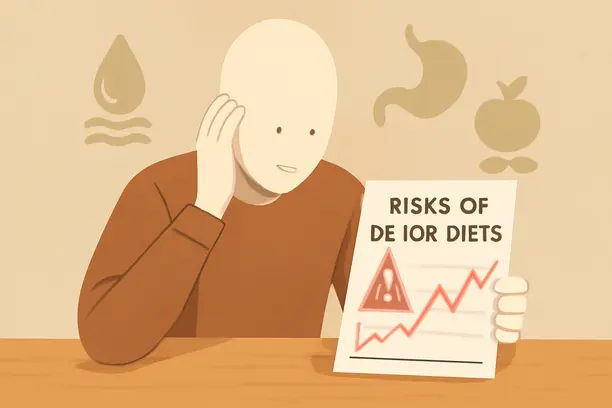
Most of these plans are tightly structured and often cut out entire food groups. Juice fasts, for example, involve drinking only fruit and vegetable juices while skipping solid foods altogether. Supplement-based programs push herbal blends or powders that supposedly “support” your liver or digestion. Clean-eating detoxes eliminate processed foods, added sugars, and sometimes gluten, dairy, or animal products. Hormonal detoxes claim to rebalance your hormones for better vitality and appearance.
Here’s the catch: the clinical definition of detoxification actually refers to medical treatment for poisoning or withdrawal—not trendy diet programs. Your liver, kidneys, and digestive system already handle waste elimination 24/7, no special diet required. Some people do feel better after cutting processed foods or sugar, but that’s likely due to eating higher-quality food, not a magical detox effect.
Weight loss during detoxes usually comes from drastic calorie cuts, which can mean losing water and muscle along with fat. Those rapid changes rarely stick once you return to normal eating. Real, lasting health benefits come from balanced, nutrient-rich diets—not extreme restriction. Whole-food or plant-forward eating patterns deliver gentler, more sustainable results.
Bottom line: a 21-day detox is more about shaking up your diet than any medically proven toxin removal. Whether it’s safe or helpful depends on how restrictive the plan is, how balanced it is nutritionally, and your individual health situation. Long-term improvements come from steady, balanced eating habits—not quick-fix cleanses.
Safety, contraindications, and when to stop
Who Should Not Start a 21 Day Detox?
Not everyone’s a good candidate for a 21-day detox. Certain groups should steer clear or proceed with extreme caution due to real health risks.
- Pregnant or breastfeeding women: Detox diets often slash calories and cut out vital nutrients, which can harm both parent and baby. Medical guidelines generally advise against dietary restrictions during these periods.
- People with chronic illnesses: Conditions like diabetes, kidney or liver disease, eating disorders, and gastrointestinal problems need careful management. Detox diets can throw off blood sugar, electrolyte balance, and medication absorption.
- Individuals taking prescription medications: Supplements and fasting can interfere with drug metabolism—especially for anticoagulants, insulin, blood pressure meds, and psychiatric drugs. You’ll want to consult your healthcare provider before starting any detox.
Medications and Detox: Potential Dangers
Detox programs can interact unpredictably with medications because they alter nutrient intake, hydration, and electrolyte levels. Risks include dehydration and changes in how well your meds work. If you’re on heart, thyroid, mental health, or autoimmune treatments, have a doctor review any detox plan first. Even over-the-counter “detox” supplements can mess with medication metabolism.
When to Stop: Red Flags and Warning Signs
- Unexpected fatigue or weakness: New levels of tiredness or dizziness may signal dehydration or electrolyte imbalances.
- Digestive distress: Severe nausea, vomiting, diarrhea, or persistent abdominal pain are serious—stop the regimen immediately.
- Mood and cognitive changes: Confusion, emotional instability, or trouble focusing mean you need to discontinue right away.
- Heart palpitations or chest pain: Any heart-related symptoms require urgent medical evaluation.
Minor symptoms like headaches or mild hunger can be normal at first, but if they worsen or persist, stop and consult a healthcare provider.
Adjustments Requiring Medical Supervision
Never adjust medication doses or types based on detox program advice. Rapid dietary changes may require monitoring, especially if you’re experiencing:
- Blood sugar instability
- Electrolyte imbalances or dehydration
- Unintentional weight loss exceeding 2–3% of your body weight in a week
- Rapid changes in kidney or liver function
These situations demand medical guidance before you continue.
How Can I Safely Detox My Body?
If you’re pregnant, breastfeeding, have chronic health conditions, or take medications, skip unsupported detox regimens or work under medical supervision. Listen to your body—if severe symptoms show up, stop immediately and get help. Sustainable health improvements come from gradual, balanced dietary changes, not extreme cleanses.
Types of 21‑day programs and potential drawbacks (juice, clean‑eating, supplements, sugar/cortisol protocols)
Juice Fasts
Juice fasts replace most or all meals with fruit and vegetable juices. While they’re marketed for quick weight loss and digestive resets, they lack adequate protein, healthy fats, and fiber. The high sugar content can spike your blood sugar, leaving you fatigued and at risk of muscle loss.
Cutting out solid foods raises the risk of deficiencies in nutrients like iron, B12, calcium, and omega-3 fatty acids. These fasts are particularly risky for diabetics, people on medications, and anyone with a history of eating disorders. Headaches, lightheadedness, and digestive upset are common during longer fasts.
Clean-Eating Elimination Diets
These plans focus on whole foods while cutting out sugar, gluten, dairy, and processed items—often to identify sensitivities and improve diet quality. The downside? Overly strict restrictions can lead to monotony, calorie deficits, and missing nutrients like calcium or B vitamins.
While safer than juice fasts, strict eliminations might not meet your energy needs and can suck the joy out of meals. Consult a healthcare provider before removing entire food groups, especially if you’re in a vulnerable population.
Supplement-Based Detoxes
Supplement-driven detoxes rely on powders, teas, or pills that supposedly accelerate liver cleansing or fat loss. Evidence supporting these products is thin at best, and some contain harsh laxatives or unregulated herbs that risk dehydration, electrolyte disruption, or dangerous drug interactions.
They often lack the nutrients your body needs to function normally. Long-term use isn’t recommended and can be harmful—especially if you have kidney or heart issues. Medical supervision is essential if you’re considering supplements.
Sugar/Cortisol Reset Protocols
These protocols cut added sugars, alcohol, caffeine, and certain carbs to reduce stress hormone levels and break sugar dependence. They can sharpen your awareness of hidden sugars and encourage balanced, fiber-rich meals.
That said, sudden caffeine withdrawal or drastic carb cuts may trigger headaches, irritability, and energy dips. This approach may not suit those with hypoglycemia or intense physical demands. When done thoughtfully, sugar resets can set the stage for long-term healthy habits.
Are Detox Diets Effective?
- Consult healthcare professionals before starting—especially if you have chronic conditions, are pregnant, or are of advanced age.
- Be skeptical of claims about vanishing “toxins” without evidence.
- Choose plans focused on real foods rather than extreme restrictions or untested supplements.
- Stop immediately if you experience dizziness, persistent fatigue, digestive problems, or severe mood changes.
For sustainable changes, lean toward evidence-based diets that emphasize whole foods and balanced nutrition—not quick-fix cleanses.
Evidence & mechanisms: what ‘detox’ actually means
What Detoxification Means at a Physiological Level
Detoxification refers to the natural biochemical processes your liver, kidneys, and digestive tract use to neutralize and eliminate waste, toxins, and metabolic byproducts. Your liver uses specialized enzymes in two stages to convert harmful substances into water-soluble compounds excreted in urine or stool. These processes run continuously, regardless of whether you’re on a detox diet.
Marketing Claims: Separating Speculation from Science
Many detox products claim to flush toxins, boost energy, or reset metabolism—but these assertions lack scientific backing. No diet or supplement reliably enhances your natural detox pathways or removes stored toxins beyond what your body already does. Perceived benefits often come from reduced salt intake, calorie restriction, or less bloating, not genuine toxin clearance.
What Science Supports (and What It Doesn’t)
- Liver and Kidneys: These organs efficiently eliminate toxins unless they’re impaired by disease or overwhelming exposure.
- Gut Health: A high-fiber diet supports regular bowel movements, but no cleanse can “scrape” toxins beyond normal digestion.
- Supplements and Detox Products: Most lack rigorous safety and efficacy testing and can be harmful in large or unregulated doses.
- Fasting and Juice Cleanses: These temporarily reduce intake of certain substances but don’t reset organ function and can cause nutrient deficiencies.
A nutrient-rich, minimally processed diet combined with adequate hydration supports your body’s natural detoxification far better than aggressive short-term cleanses.
Limits of Current Research and Ongoing Debates
While some phytonutrients may influence liver enzymes in animal studies, evidence of meaningful detox benefits in healthy humans is lacking. The idea of toxin buildup in healthy adults is debated, and no standardized tests back the claims made by supplements. Extreme diets often lack long-term safety and efficacy data. A balanced, whole-food diet remains the most supported approach for health and natural detox support.
How this compares to standard dietary guidance (Mediterranean, DASH, balanced diets)
Unlike 21-day detoxes, established diets like the Mediterranean and DASH have decades of research supporting their health benefits. They emphasize minimally processed fruits, vegetables, whole grains, healthy fats, nuts, lean proteins, and limited red meat or sweets. These diets reduce chronic disease risk, support heart health, and promote sustainable weight management.
Detox programs often involve eliminating foods, restricting calories, adding supplements, or juice fasting—without strong scientific backing that they improve toxin elimination beyond your body’s natural mechanisms.
There are similarities: both reduce processed foods, sugar, and alcohol. But Mediterranean and DASH diets encourage variety, flexibility, and long-term adherence without abrupt or extreme restrictions.
Detoxes tend to be rigid and potentially unsustainable, risking nutritional deficiencies and failing to foster lasting healthy habits. Medical experts caution against severe cleanses. Incremental changes toward balanced eating—more vegetables, whole grains, nuts, and lean proteins—deliver safer and more effective results.
If you like structure, adopting a meal plan modeled on proven diets like the Mediterranean pattern is a smarter alternative than restrictive detoxes with unsupported claims. For maintaining energy and digestive comfort, steady, nourishing eating is the way to go.
Post‑detox maintenance: realistic expectations and reintroduction plan
Transitioning from a 21-day detox takes intention if you want to preserve the benefits and sustain health improvements. How you reintroduce foods and habits will shape your long-term outcomes.
Stepwise Food Reintroduction
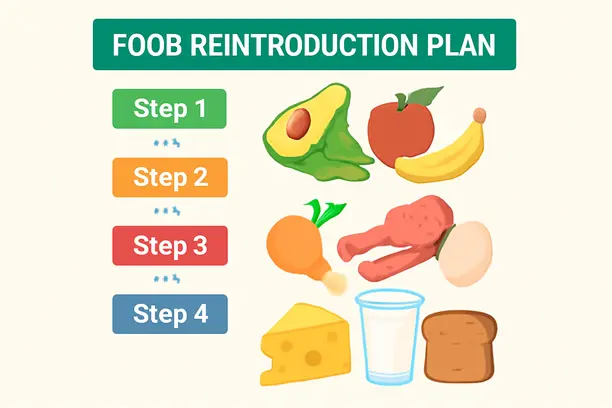
- Slow and steady: Reintroduce restricted foods gradually, spacing each by 1–2 days to monitor tolerance.
- Single food focus: Add one new food at a time so you can identify potential reactions.
- Begin with least processed: Start with whole foods like brown rice or plain yogurt before tackling more processed items to minimize digestive upset.
Keeping a simple journal to track energy, digestion, mood, and cravings during this phase offers valuable personal insight.
Setting Realistic Expectations
The heightened energy or clear skin from detoxing may not fully stick as normal eating resumes. Cravings for excluded foods and digestion fluctuations are common. If you immediately return to old habits, you can slip back into old patterns—anticipating this and planning ahead helps you maintain progress.
Habits for Sustainable Change
- Maintain key healthy habits: Stay hydrated, eat vegetables regularly, and move consistently to anchor your routine.
- Plan meals: Even flexible weekly planning helps prevent backsliding and supports balanced eating.
- Practice mindful eating: Paying attention to hunger and fullness cues guards against overeating as variety returns.
If motivation wanes, practical strategies for diet adherence and relapse recovery can help you stay on track. Remember, perfection isn’t the goal—steady engagement and self-compassion are what matter.
In short, with thoughtful reintroduction, grounded expectations, and clear routines, a 21-day detox can kickstart lasting improvements—even if the process isn’t flawless.
Sources
- American College of Obstetricians and Gynecologists – Nutrition During Pregnancy
- American Cancer Society – Detox Diets and Cleansing: Do They Work?
- CDC – Healthy Eating
- CDC – Frequently Asked Questions about Chemical Detoxification
- Academy of Nutrition and Dietetics – The Truth About Detox Diets
- U.S. Food & Drug Administration – Detoxes and Cleanses: What You Need to Know
- U.S. Food & Drug Administration – Supplements and Medications
- Harvard Health – Detox Diets: Cleansing Facts and Myths
- Harvard Health – The Mediterranean Diet: A Heart-Healthy Eating Plan
- Harvard Health Publishing – The Dubious Practice of Detox
- NHS – Detox Diets and Body Cleansing
- NHS – Are Detox Diets Safe?
- NHS – The Truth About Detox Diets