Why Fitness Programs Should Change After 40
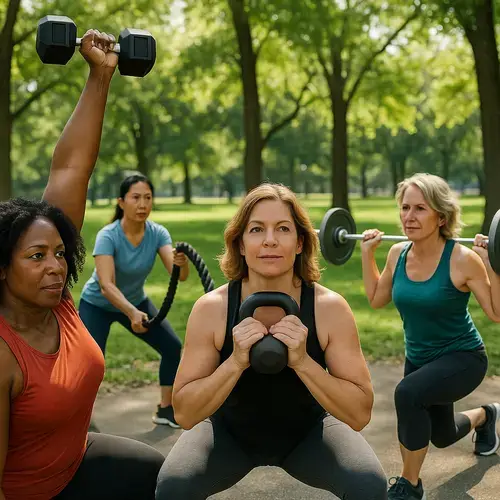
Fitness programs for women over 40 must adapt to changing bodies, priorities, and lifestyles. If you’re tired of stubborn weight gain, joint aches, or workouts that leave you drained, you’re not alone.
Disclosure: This article contains affiliate links. We may earn a commission at no extra cost to you.
As women enter their 40s, their bodies go through changes that call for a more intentional, scientifically informed approach to fitness. Muscle mass naturally starts to decline after midlife, and metabolism often slows due to hormonal shifts—especially as estrogen levels drop during perimenopause and menopause. Fitness methods that worked in your 20s or 30s, like excessive cardio or quick-fix diets, tend to become less effective and may even accelerate muscle loss or increase your risk of injury [Source: NCBI].
You’ve probably noticed some of these changes firsthand: stubborn weight gain around the belly or thighs, persistent fatigue, and joint discomfort after what used to be easy workouts. These aren’t motivational failures—they’re physiological. Research shows that muscle-focused routines—like strength training and functional movements—support metabolism, bone density, and combat age-related weight gain far more effectively than cardio alone. Ignoring muscle maintenance can impair insulin sensitivity, raise injury risk, and drain your daily energy [Source: Harvard Health].
So what does an effective fitness program for women over 40 actually look like? It emphasizes building and preserving lean muscle, adopting joint-friendly exercises, incorporating purposeful rest, and enhancing recovery. Quality, consistency, and adaptation to hormonal shifts matter more than lengthy, punishing sessions. The key is finding evidence-based guidance that clearly distinguishes expert advice from empty promises.
If you’re looking for a fast, gentle routine designed specifically for women over 40, there’s a program that fits right into a busy lifestyle—no gym or equipment required. For safe, at-home workouts that deliver visible results in just minutes a day, check out the 7-Minute Ageless Body Secret.
And to keep your motivation strong on this journey, consider the actionable strategies in our guide to staying motivated at the gym, especially as your needs evolve with age.
Strength Training: Free 4–8 Week Progressive Template
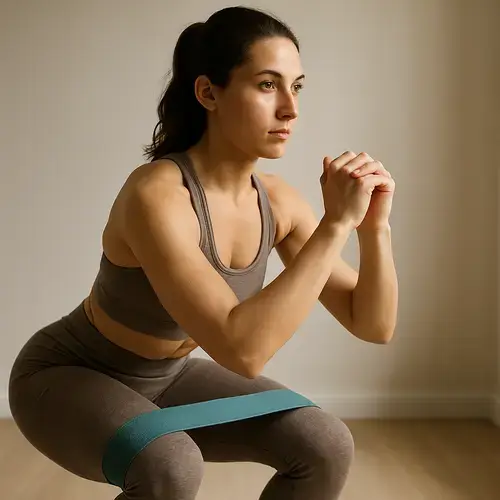
If you want a fitness plan for women over 40 that fits your schedule and environment, here’s a flexible, no-equipment-needed strength template. It offers a 4-week beginner track and an 8-week intermediate progression. You can modify exercises with bodyweight, resistance bands, or light weights to match your level.
Session Structure
- Warm-up (5 minutes): March on the spot, arm circles, gentle hip openers.
- Main Strength Circuit (20–30 minutes):
- Squat: Bodyweight or goblet style. See video and form guide.
- Push-up (inclined if needed): Wall, bench, or floor variation. Demo here.
- Hip bridge/glute raise: Standard or with resistance band; visual and cues.
- Row: Use resistance bands, dumbbells, or tabletop bodyweight.
- Standing overhead press: Use bands, light dumbbells, or even water bottles.
- Core finisher: Dead bug, bird dog, or plank variants. See plank basics.
- Cool-down (5 minutes): Stretch key areas including glutes, quads, chest, and shoulders.
Beginner Template (Weeks 1–4)
- Frequency: 2 sessions per week (e.g., Monday/Thursday or Tuesday/Friday)
- Reps/Sets: Start with 2 sets of 10–12 reps, resting 60–75 seconds between sets.
- Progression: Add 1–2 reps weekly or a third set by week 4 if you’re ready.
Intermediate Template (Weeks 5–8)
- Frequency: 3 sessions per week (e.g., Monday, Wednesday, Friday)
- Reps/Sets: Begin with 3 sets of 8–15 reps, increasing to 4 sets as strength improves.
- Progression: Increase reps, resistance (heavier weights or bands), or advance to harder variations (e.g., deeper squats).
Progression and Consistency Tips
Track your reps and sets so you can recognize improvement and know when it’s time to increase difficulty. If a set feels easy, challenge yourself in the next session by elevating your feet during bridges or slowing the tempo. If your form isn’t quite there yet, reduce intensity or repeat a week to focus on fundamentals. Always prioritize safe, controlled movements over extra reps.
On low-energy days, focus on the warm-up and two main exercises—small wins add up. For motivation guidance, visit our tips on boosting workout motivation.
Form Resources
The exercises above link to expert demonstrations and detailed cues. Women over 40 benefit most from deliberate, mindful reps that emphasize muscle engagement and joint health over speed or load [Source: NHS UK].
Tracking Your Progress
- Mark sessions as complete to maintain momentum.
- Monitor energy, soreness, sleep, and confidence weekly.
- Repeat weeks as needed for mastery and comfort.
As your strength improves, you’ll notice increased energy, muscle tone, and confidence—clear signs you’re progressing well. If you’re short on time but still want visible results, there’s a digital program that fits into even the busiest day. Try the 7-Minute Ageless Body Secret for quick, daily toning.
This program complements dietary changes effectively. For nutrition tips supportive of your workouts, refer to our comprehensive guide on nutrition and exercise for women over 40.
If you want faster progress with guided follow-along videos, you can purchase instant digital access to the Ageless Body program—gym-free and stress-free.
Menopause-Aware Training and Recovery
Menopausal and perimenopausal hormone shifts significantly impact how your body responds to exercise, rest, and recovery. Tailoring fitness programs for women over 40 to accommodate fluctuating energy, evolving recovery needs, and bone and muscle health changes leads to more sustainable results. The philosophy here is simple: work with your body rather than against it.
Adjusting Timing and Intensity for Symptoms
What felt fine in your 30s may feel draining in your 40s. Hot flashes, night sweats, and poor sleep can sap your energy, making late-night or very intense workouts less feasible or beneficial. To stay consistent and comfortable:
- Plan workouts earlier in the day to avoid peak symptoms.
- Prefer shorter, flexible sessions—such as seven-minute routines or low-impact circuits.
- On tired days, swap HIIT for light walks, restorative yoga, or gentle resistance work.
This symptom-responsive approach supports motivation and reduces your risk of burnout. For additional motivation tips, see how to get more motivated for the gym.
Protecting Bone Health with Weight-Bearing Exercises
Lower estrogen levels accelerate bone density loss after menopause. To counteract this, incorporate regular weight-bearing activities:
- Bodyweight exercises like squats, lunges, and step-ups
- Weight training with handheld weights or resistance bands
- Brisk walking, jogging, or stair climbing
- Yoga or Pilates for flexibility and balance
These movements also support balance and reduce the risk of falls, improving quality of life as you age.
Recovery and Sleep Optimization
Prioritize rest and quality sleep to allow muscles and bones to recover and grow stronger. If sleep disruption is common, include a wind-down routine: gentle stretching, mindfulness, and digital detox before bed can make a difference. Listen to your body’s cues and be willing to shift your schedule as needed.
Remember, even gentle movement is better than none; your 40s and beyond are a time to commit to lifelong wellness, not restriction or burnout.
Cardio for Heart Health and Sustainable Fat Loss
Cardiovascular exercise is essential for heart health, endurance, and metabolic function, especially as women age. However, the needs of women over 40 differ from the “treadmill all day” approach that can increase injury risk and inflammation when overdone.
- Incorporate moderate cardio (walking, swimming, cycling) 2–4 times per week, 20–30 minutes per session
- Try low-impact intervals such as brisk walking with short uphill bursts
- Listen to your body and reduce the intensity if you experience joint aches or fatigue
- Mix in dance, hiking, or group classes—variety helps sustain enjoyment and motivation
High-intensity interval training (HIIT) can be beneficial if you’re already experienced—and as long as you build in proper recovery days. For most, consistency is more important than intensity or duration. Focus on feeling energized rather than exhausted when finished.
If you need ideas to stay motivated with cardio, check out tips on building the motivation habit.
Nutrition Tips to Complement Fitness After 40
To maximize the impact of your fitness programs for women over 40, pair consistent movement with smart nutrition. Your nutritional needs evolve as your metabolism and muscle mass shift.
- Increase protein intake to help build and preserve lean muscle
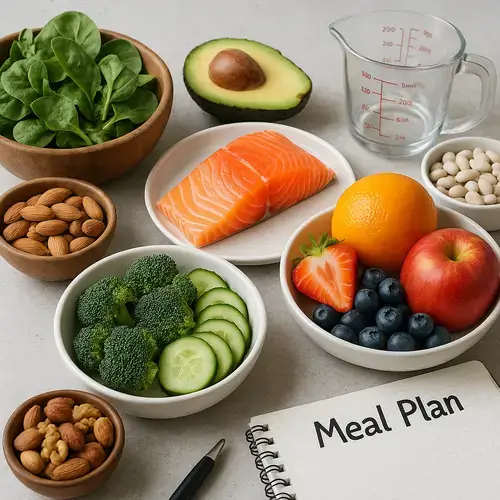
- Incorporate anti-inflammatory foods—leafy greens, berries, fish, nuts
- Limit highly processed sugar and excess saturated fat
- Stay hydrated, especially around workouts
- Diversify your plate with a mix of fiber, healthy fats, and complex carbs
Tracking your food intake—not just for calories, but for protein and micronutrients—can be revealing. Consider pairing your new workout routine with a sample meal plan; see our guide to healthy weight loss diets and easy meal prep ideas.
If you’re seeking a comprehensive lifestyle overhaul, you’re not alone. Many women in their 40s thrive by bringing together fitness, nutrition, and community support.
Realistic Results, Common Challenges, and Staying Motivated
Fitness programs for women over 40 are all about sustainability. Expect progress in muscle tone, strength, and daily energy within 4–12 weeks, but be gentle with yourself—plateaus and setbacks are normal.
- Set realistic expectations and focus on gains in energy and self-esteem, not just the scale
- Find support with a workout friend, coach, or online group
- Allow yourself rest days and accept that consistency matters more than “perfection”
- Track small wins: better sleep, more stamina, fewer aches
Sometimes, motivation can dip—especially with hormonal changes or outside stresses. If you struggle with motivation, check our resources on reigniting your workout motivation.
With the right attitude and evidence-based plan, you’ll feel stronger, more empowered, and energized well into your next decade.
Ready to take action now? Explore the 7-Minute Ageless Body Secret—an efficient, effective program specifically formulated for women over 40. Make lasting changes with short daily routines and proven results.