Key nutrients, bone health, and evidence context for women 40+
Nutrition for women over 40 is crucial for keeping you strong, energized, and confident as your nutritional needs shift—making targeted choices helps you support your bones, metabolism, and vitality without confusion or bland food.

Disclosure: This article contains affiliate links. We may earn a commission at no extra cost to you.
As you enter your 40s and beyond, maintaining bone health and meeting core nutritional needs become increasingly important. Calcium and vitamin D are vital for preserving bone density, while factors like protein intake, sodium, caffeine, and consumption of leafy greens also influence how well these nutrients support your overall health.
Health authorities generally recommend 1,000 to 1,200 mg of calcium daily for women in this age group. If you’re post-menopause, aim for the higher end of that range due to increased risk of bone loss.
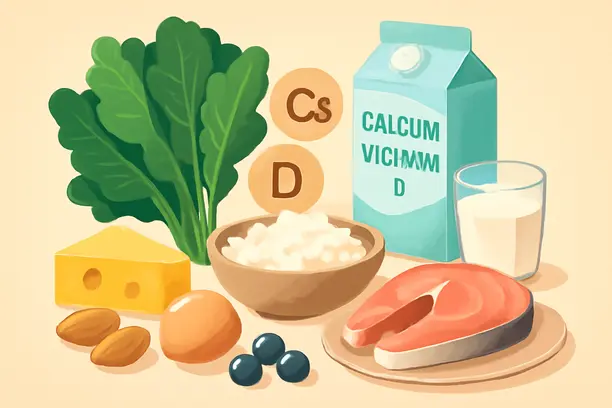
Calcium-rich foods include low-fat dairy, fortified plant milks, calcium-set tofu, and canned salmon with bones. If you’re lactose intolerant or avoid dairy, fortified alternatives, almonds, and chia seeds serve as solid substitutions. Source: U.S. National Institutes of Health
Vitamin D plays an essential role in calcium absorption and bone strength. Typical daily targets are 600–800 IU, but your needs may vary depending on sun exposure, skin tone, and where you live.
Fatty fish and fortified products such as plant milks, orange juice, and cereals can help. Yet many of us—especially those in northern latitudes or with darker skin—may require supplementation, particularly during winter months. Source: NIAMS/NIH
Simple Swaps and Daily Food Ideas
- Switch your usual milk to fortified soy or almond milk.
- Add canned salmon to salads or sandwiches to boost calcium and vitamin D intake.
- Sprinkle chia or sesame seeds over yogurt or oatmeal for added nutrients.
- Choose leafy greens such as kale, bok choy, or collard greens, which offer highly absorbable calcium; avoid spinach as its oxalates reduce calcium availability.
Protein intake also supports muscle preservation and bone health. Women over 40 should aim for 1.0–1.2 grams of protein per kilogram of body weight daily—typically about 70–90 grams for most of us.
However, excessive protein combined with high sodium intake (above 2,300 mg/day) or heavy caffeine consumption (more than three cups of coffee daily) can increase urinary calcium loss. Maintaining a balanced intake of these nutrients is crucial. Source: Nutrients, 2018
Beyond Bone: Other Key Nutrients and Why They Matter
Additional nutrients like magnesium, potassium, and vitamin K benefit bone metabolism and cardiovascular health. These are abundant in nuts, legumes, whole grains, and leafy vegetables.
While supplementation isn’t always necessary, incorporating these foods creates a more protective dietary pattern that works with your body’s natural changes.
Sleep disturbances and bone health are interconnected during perimenopause and menopause. Approximately 40% to 60% of women in this phase report insomnia or significant difficulties with sleep, which can further affect metabolic regulation, weight, and mood. Source: Sleep Science and Practice
Addressing sleep issues with your healthcare provider is advised to support overall well-being.
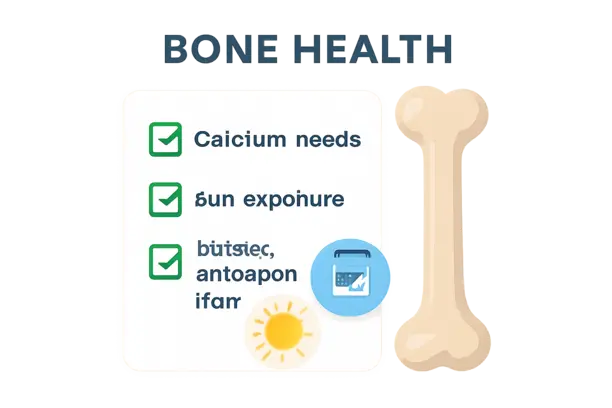
Checklist: When to Ask Your Doctor About Supplements or Bone Scans
- If you avoid dairy and struggle to meet calcium needs through diet.
- If you have limited sun exposure or live in northern climates, risking vitamin D deficiency.
- If you’ve experienced a bone fracture after age 40.
- Early menopause or a family history of osteoporosis.
- Use of steroid medications, smoking, or excessive alcohol consumption.
If any of these apply to you, consider discussing calcium and vitamin D supplementation with your healthcare provider. You may also want to ask about a DEXA scan to evaluate bone density.
DEXA remains the gold standard for osteoporosis risk assessment. Source: Centers for Disease Control and Prevention
Caffeine, Sodium, and the Leafy Green Advantage
Moderate caffeine intake is generally safe with a minimal impact on calcium loss—as long as you’re meeting your daily calcium goals.
In contrast, excessive sodium consumption can more significantly increase calcium excretion. Since many diets are already high in sodium, reducing processed foods is advisable to safeguard bone health.
Leafy green vegetables like kale and bok choy provide calcium that the body absorbs efficiently. These greens are also rich sources of vitamin K, a nutrient linked to improved bone metabolism. Source: NIH Osteoporosis & Related Bone Diseases National Resource Center
For practical meal-planning tips aligned with these nutrition targets, see our guide on healthy meal preparation and recipes. Small, manageable changes like adding leafy greens or switching beverages can cumulatively strengthen bone and metabolic health over time.
Expert guidance, disclosures, and trustworthy sources
Let’s be honest—it’s easy to feel lost in a sea of nutrition advice, especially when so much is aimed at younger women or generic audiences.
Reliable, age-specific guidance matters for your long-term health and peace of mind.
Trust is foundational for evaluating nutrition advice, especially concerning women over 40. The recommendations you’ll find here are grounded in clinical and academic research, reviewed by registered dietitians and nutrition researchers specializing in women’s health and hormonal transitions.
Expert credentials matter. For instance, Dr. Kathryn A. Boling, M.D., a family physician at Johns Hopkins Community Physicians, has conducted extensive research on metabolic health in midlife women, ensuring guidance is tailored to the physiological changes you’re actually experiencing. Source: Johns Hopkins Medicine
- All authors and reviewers are transparently credited with their degrees, specialties, and any conflicts of interest, such as affiliations with supplement companies or diet services.
- Any sponsorships or affiliate relationships influencing content are clearly disclosed at the beginning and end of articles.
- We include diverse perspectives, cross-checking diet plan claims against peer-reviewed studies such as those published in Nutrients and guidance from the Mayo Clinic.
We also encourage you to consult your own healthcare provider about any major dietary changes or supplement use. Every body is unique, and what works for one woman may not be ideal for another, especially with changing hormones, medications, or health history.
For additional expert-backed meal ideas, resources, and nutrition strategies, check out our collections of healthy meals to make at home and plant-forward recipes.
Get expert-approved recommendations for women 40+
FAQ: Nutrition for Women Over 40
What is the best diet for women over 40?
A balanced diet rich in calcium, vitamin D, protein, fiber, and healthy fats is ideal. Emphasize vegetables, whole grains, lean proteins, and calcium-rich foods. Avoid excess sodium and sugary processed products to support your changing metabolism and bone health.
How much protein do women over 40 need?
Women over 40 should aim for 1.0–1.2 grams of protein per kilogram of body weight daily, which is typically about 70–90 grams depending on your size and activity level.
Do women over 40 need supplements?
You may need calcium and vitamin D supplements, especially if your diet lacks dairy, fortified foods, or if you have limited sun exposure. Always consult your doctor before starting any new supplement regimen.
Taking action on small but significant changes makes an enormous difference in health for women 40 and up. Stay consistent and informed—your future self will thank you.
See our top recommendations and start nourishing your 40+ body today