Key foods to avoid (and when small portions are OK)
Foods to avoid on the Mediterranean diet include processed meats, sugary beverages, ultra-processed snacks, and refined grains. Steering clear of these can help you reach better health, easier weight loss, and more energy, all without strict deprivation.
Disclosure: This article contains affiliate links. We may earn a commission at no extra cost to you.
The Mediterranean diet thrives on whole, minimally processed foods, but it does call for limiting certain items to protect your long-term health. The main culprits? Processed meats, sugary drinks, ultra-processed snacks, and refined grains. When you do indulge, moderation and portion control make all the difference.
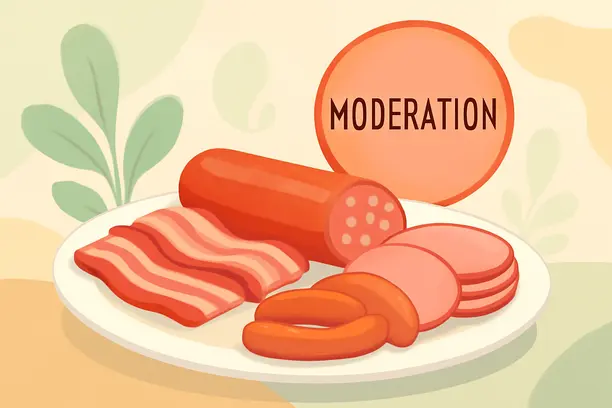
Processed meats—think bacon, sausage, deli turkey—are best kept to a bare minimum or skipped entirely. They’re often loaded with sodium, saturated fats, and preservatives that have been linked to higher risks of heart disease and certain cancers.
If you do reach for them, keep portions tiny: about one ounce, roughly the size of two dice, and limit yourself to once every few weeks at most. Instead, lean toward grilled chicken, roasted fish, or hearty legumes for your protein fix.
Sugary beverages like soda, sweetened teas, and energy drinks pile on empty calories without making you feel full—and they’re tied to increased rates of diabetes and obesity. If you’re going to indulge, cap your serving at about 1.5 ounces (picture a shot glass).
Better yet, swap them out for still or sparkling water with a squeeze of citrus, herbal teas, or a small splash of 100% fruit juice diluted with water.
Ultra-processed snacks—chips, packaged pastries, candy bars—are packed with added sugars, trans fats, and refined oils that send your blood sugar soaring and leave you hungry again shortly after. Treat these as rare splurges, and when you do, limit yourself to roughly half a cupped hand.
For everyday snacking, reach for olives, a handful of nuts, or Greek yogurt topped with fresh fruit instead.
Refined grains such as white bread, standard pasta, and many breakfast cereals have been stripped of fiber and essential nutrients. They cause rapid blood sugar swings and don’t keep you satisfied for long.
Whenever possible, swap them for whole grains like barley, whole-grain bread, or farro. If you do choose refined grains, stick to a small slice or half a cup, and keep it to once or twice a week at most.
Moderation really shines in social settings—think of it as enjoying rare, tiny portions rather than banishing foods forever. Visual cues help: a dice-sized piece of cheese, a shot-glass taste of soda. These small allowances let you stay flexible while safeguarding your health.
If you’re looking for a straightforward, step-by-step meal plan that eliminates the guesswork around food choices and swaps, check out the 30-Day Mediterranean Diet Challenge for easy food swaps. It’s built to help you maintain healthy habits even on your busiest days.
Alcohol and wine: clear limits and who should avoid it
Alcohol—including wine—has a place in the Mediterranean diet, but only in moderation and with clear boundaries for safety. A standard drink means 5 ounces of wine, 12 ounces of beer, or 1.5 ounces of distilled spirits.

Health authorities recommend no more than one drink per day for women and two for men. Going beyond these limits raises your risk of heart disease, cancer, liver problems, and other chronic conditions. Keep in mind: alcohol isn’t essential to reaping the Mediterranean diet’s benefits, and you can skip it entirely without missing out.
Certain individuals should avoid alcohol completely:
- Anyone under the legal drinking age
- Women who are pregnant or planning to become pregnant
- People with a history of alcohol use disorder or liver disease
- Those with certain heart rhythm disorders or taking medications that interact with alcohol
- Individuals with a family history of breast cancer or other alcohol-related cancers
Alternatives like sparkling water with citrus, herbal teas, or mocktails made with fresh herbs and fruit offer satisfying, celebratory options without any of alcohol’s risks.
To stay within healthy limits, try alternating alcoholic drinks with water, setting a personal drink cap before events, or designating certain days as alcohol-free.
Choosing to skip alcohol won’t diminish the positive effects of a Mediterranean-style diet, which relies primarily on vegetables, whole grains, fish, legumes, and healthy fats.
For detailed guidance and meal plans where alcohol is entirely optional, explore the Mediterranean Diet – 30-Day Challenge program—it’s designed for flexibility and real-life situations.
Who should be cautious: medical contraindications and drug interactions
Kidney Disease
People living with chronic kidney disease (CKD) need to monitor their intake of potassium- and phosphorus-rich Mediterranean staples closely. Foods like tomatoes, spinach, beans, and nuts may need to be restricted to prevent complications.
It’s also wise to moderate dairy and whole grains due to their phosphorus content.
- Limit high-potassium foods such as oranges, potatoes, and avocados
- Choose white bread and rice over whole grains if phosphorus is restricted
- Consult a renal dietitian before adopting a Mediterranean eating plan
Customized meal plans that balance Mediterranean principles with CKD needs can improve both safety and outcomes. More details are available from the National Kidney Foundation.
Diabetes
While the Mediterranean diet is generally favorable for diabetes management, it requires careful attention to both carbohydrate quality and quantity—especially if you’re using insulin or certain diabetes medications.
- Restrict high-glycemic foods like white bread and sugary pastries
- Monitor portions of fresh fruit to prevent blood sugar spikes
- Avoid binge drinking; alcohol can interfere with glucose control and medications
If you’re on blood-glucose-lowering drugs, consult your provider before making dietary changes. The CDC offers additional insights.
Pregnancy and Breastfeeding
Though the Mediterranean diet’s nutritious fats and variety support most pregnancies, special precautions do apply:
- Avoid unpasteurized cheeses to reduce listeria risk
- Limit fish high in mercury, such as swordfish and king mackerel; opt for low-mercury choices like salmon and sardines
- Abstain completely from alcohol during pregnancy
Even on a Mediterranean-based diet, listen to your healthcare provider’s recommendations to make adjustments for your specific needs. Be mindful of portion sizes and food safety, especially during pregnancy and breastfeeding, to ensure optimal health for both you and your baby.
FAQ: Foods to Avoid on the Mediterranean Diet
Can I ever eat dessert on the Mediterranean diet?
Yes, you can enjoy desserts occasionally on the Mediterranean diet. Choose fresh fruit, yogurt with honey, or desserts made with whole grains and nuts. Sweets made with processed ingredients and added sugars should remain rare treats—think once a week or less, and in modest portions.
How do I handle dining out or social events?
When eating out, look for grilled proteins, salads, or whole grain sides. Avoid fried items, white bread, and heavy desserts. If indulging in a less ideal food, keep your portion small and balance your other meals that day with plenty of vegetables, legumes, and healthy fats.
Check This
What about butter and margarine?
Both butter and margarine are not recommended on the Mediterranean diet, as they are high in saturated or trans fats. Instead, cook and dress foods with olive oil or small amounts of avocado oil for heart benefits and superior flavor.
For meal ideas and Mediterranean recipes that steer clear of restricted foods, consider the 30-Day Mediterranean Diet Challenge for daily guidance and simple swaps.