Overview & Evidence-based Benefits
The vegetarian Mediterranean diet is ideal if you want to eat well, feel energized, and actually enjoy your meals—without drowning in complicated rules or choking down bland food. If you’re craving a fresh start that’s both healthy and satisfying, the vegetarian Mediterranean diet might be exactly what you’ve been looking for.
Disclosure: This article contains affiliate links. We may earn a commission at no extra cost to you.
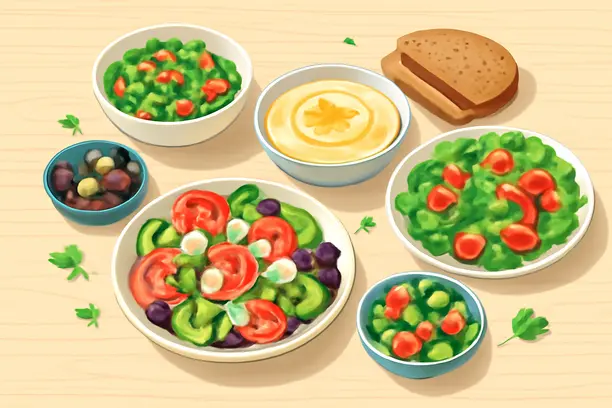
The vegetarian Mediterranean diet isn’t just another meal plan—it’s a lifestyle shaped by generations of Mediterranean cultures. At its heart, you’ll find fresh, seasonal produce, hearty whole grains, legumes, nuts, and plenty of extra-virgin olive oil, with modest amounts of dairy and eggs. It’s all about balance, flavor, and the simple joy of sharing good food.
What really matters is that this approach works. Scientific research consistently backs up what Mediterranean communities have known for centuries: eating this way delivers real health benefits. Studies show that following a vegetarian Mediterranean diet regularly helps lower LDL (“bad”) cholesterol and reduces your risk of cardiovascular disease. Multiple clinical trials report improvements in blood pressure, blood sugar control, and metabolic markers—all thanks to foods like beans, barley, nuts, and olive oil, which provide heart-healthy fats and fiber without relying on meat or excess animal fat Source: National Institutes of Health.
Leading health organizations agree. The World Health Organization and the American Heart Association both recommend Mediterranean-style eating to prevent chronic diseases and support longevity Source: American Heart Association.
Long-term studies also show that people who stick with this pattern tend to have lower risks of certain cancers, obesity, and type 2 diabetes—even when they skip the meat entirely.
Here’s the best part: you’re not sacrificing taste or variety. The abundance of whole foods, fresh herbs, and bold spices makes cooking creative and fun. For practical recipe ideas and satisfying plant-based Mediterranean meals, explore collections like these Mediterranean diet recipes for every taste.
Beyond the physical benefits, this lifestyle encourages a healthier relationship with food, movement, and connection. Its flexibility makes it easier to stick with over time, which is why populations that follow it naturally tend to live longer and enjoy a higher quality of life Source: World Health Organization.
Ready to dive in without the guesswork? The Mediterranean Diet – 30-Day Challenge gives you daily meal plans, recipes, and expert support—so you can focus on enjoying your food and seeing results.
Nutrition Targets: Macros, Key Micronutrients & Fiber
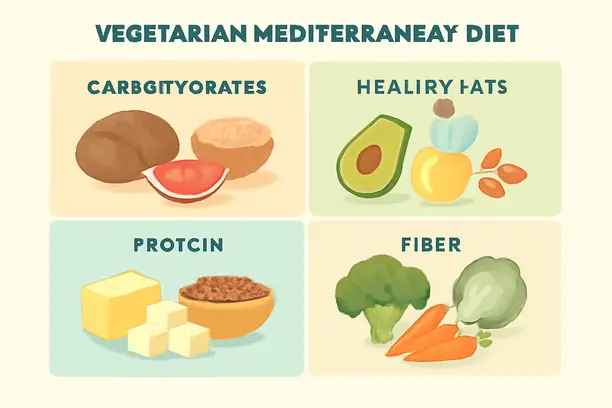
The vegetarian Mediterranean diet thrives on natural balance—both in macronutrients and the essential vitamins and minerals your body needs. Typically, about 40–50% of your daily calories come from carbohydrates, but we’re talking about whole, minimally processed sources: brown rice, barley, oats, beans, lentils, and plenty of fresh fruit.
If you’re active or training regularly, you’ll likely sit at the higher end of that range to fuel your workouts. If weight loss is your goal, leaning more toward vegetables and lean plant proteins will keep you full without overloading on carbs.
Healthy fats make up roughly 20–25% of your intake, mostly from extra-virgin olive oil, walnuts, almonds, chia, and flaxseeds. These unsaturated fats support heart health and help your body absorb fat-soluble vitamins like A, D, E, and K.
Protein also lands around 20–25% of your calories, coming mainly from legumes like lentils and chickpeas, plus eggs and dairy if you include them. For more guidance on balancing your plate with macros, check out this macro-balancing guide with practical day-to-day tips.
Now, let’s talk micronutrients. A vegetarian Mediterranean approach does require some attention to a few key vitamins and minerals.
Vitamin B12 is found mostly in animal products and fortified foods, so if you’re fully plant-based, you’ll want to supplement. Iron is plentiful in plant sources like lentils and spinach, but it absorbs better when you pair it with vitamin C-rich foods like oranges, tomatoes, or bell peppers.
Vitamin D can be tricky, especially if you’re not getting much sunlight. Supplementation or fortified foods are often necessary. Calcium and iodine may also need attention if you’re limiting dairy or iodized salt—fortified plant milks and certain seaweeds can help fill those gaps. For detailed nutrient strategies, the Academy of Nutrition and Dietetics offers great resources.
Fiber is another cornerstone of this eating pattern. Aim for 25–35 grams daily to support gut health and keep your blood sugar steady. Lentils, chickpeas, whole-grain bread, raspberries, and broccoli are all excellent sources.
Emphasizing variety—combining grains, legumes, fruits, and vegetables at every meal—helps you consistently hit that fiber goal. For more fiber-rich recipes, explore these plant-forward options.
Your portion sizes and food choices should flex with your energy needs. Training for a long-distance race? Increase complex carbs and electrolytes. Trying to lose weight? Lean toward high-fiber vegetables and protein-rich foods like eggs or low-fat cheese.
The Mediterranean Diet 30-Day Challenge offers structured meal templates and expert guidance to help you adjust for your specific goals.
As your lifestyle or goals shift, revisiting your macronutrient ratios or consulting with a nutrition professional can ensure long-term success. For more meal inspiration, try this sample daily menu for Mediterranean eating.
Adopting a balanced vegetarian Mediterranean diet—with thoughtful macros, key micronutrients, and plenty of fiber—supports lasting satisfaction, steady energy, and sustainable health goals. To start with a detailed roadmap, explore the 30-Day Challenge meal plans and bonuses.
Can I do a Mediterranean diet as a vegetarian?
Yes, absolutely. The Mediterranean diet adapts beautifully to vegetarian eating by focusing on plant-based staples like legumes, whole grains, fruits, vegetables, nuts, and olive oil—plus dairy and eggs if you choose. Just pay attention to nutrients like B12, iron, and protein to ensure you’re getting everything your body needs.
Practical Protein Strategies & Sample Day Menus
Getting enough protein on a vegetarian Mediterranean diet is simpler than it seems. Rather than one big source per meal, you’ll build protein intake throughout the day using a combination of foods. This prevents boredom and provides a steady supply of essential amino acids.
Key protein sources include lentils, chickpeas, black beans, cannellini, soy products (like edamame and tofu), Greek yogurt, eggs, nuts, and seeds. Pairing these with whole grains, such as brown rice or farro, increases the overall protein quality of your meals.
- Legumes: Hummus, lentil soup, Greek-style bean salads, stuffed peppers with white beans.
- Dairy & Eggs: Greek yogurt parfaits, shakshuka with eggs and tomatoes, feta-topped salads, cottage cheese with herbs.
- Tofu/Tempeh: Roasted marinated tofu over Mediterranean-style salads, tempeh-stuffed grape leaves, or tofu and vegetable skewers.
- Nuts & Seeds: Almonds sprinkled on oatmeal, chia seed “pudding,” sunflower seeds in tabbouleh, walnut pesto with whole wheat pasta.
Mini Sample Day (Vegetarian Mediterranean Diet)
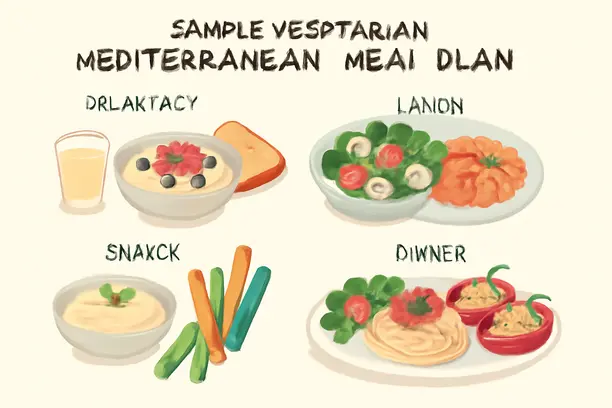
- Breakfast: Greek yogurt with berries, walnuts, and a drizzle of honey, plus whole-grain toast and fresh fruit.
- Lunch: Farro salad with cherry tomatoes, cucumbers, olives, chickpeas, and crumbled feta, tossed with extra-virgin olive oil.
- Snack: Hummus with cut veggies and a handful of almonds.
- Dinner: Lentil and spinach stew topped with a soft-boiled egg, side of grilled zucchini, and roasted red peppers drizzled with olive oil.
Rotating your main proteins prevents flavor fatigue and helps guarantee you’re getting a spectrum of nutrients. Explore more vegetarian Mediterranean meal ideas in this collection of low-carb vegetarian dinners.
If you’re training hard or aiming for higher protein intake, double up on servings of legumes or add extra eggs, tofu, or Greek yogurt. Using protein-rich snacks—such as roasted chickpeas, cottage cheese with seeds, or a small bowl of lentil salad—can also make a big difference in reaching your protein targets.
Looking for a ready-made plan? The 30-Day Mediterranean Challenge includes sample days, shopping lists, and easy swaps to match your needs.
How can I boost protein on a vegetarian Mediterranean diet?
Mixing protein sources is key: use beans, lentils, whole grains, eggs, yogurt, and seeds across meals and snacks to keep intake high. Meal prep bean salads and keep Greek yogurt or cottage cheese on hand for quick meals. Experiment with tofu or tempeh in traditional Mediterranean dishes for an extra protein punch.
Do you need protein powder for this diet?
Usually, no. Most vegetarians can reach their daily protein goals simply by eating a wide variety of plant-based staples and dairy or eggs. Protein powder is optional—it can be helpful for athletes or those with higher daily needs, but isn’t required for most people on a vegetarian Mediterranean diet.