

Average costs & value: per semester, per year, and per‑meal
The cost of meal plans is a headache for many students—within the first few words, you’re hit with confusion, hidden fees, and a real struggle to understand if campus dining is worth your cash.
Disclosure: This article contains affiliate links. We may earn a commission at no extra cost to you.
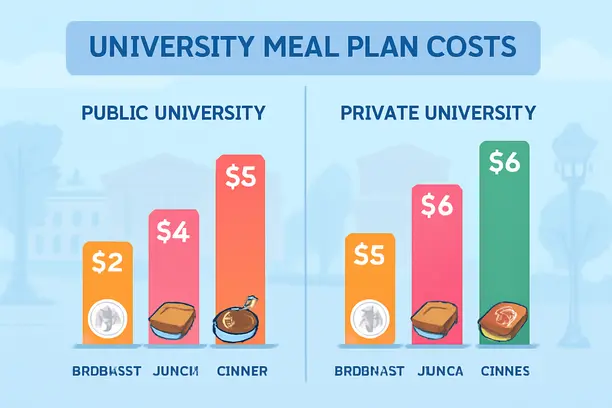
College meal plans can feel like a black box. Breaking down the numbers, though, helps you see where your money’s really going. Across the U.S., meal plan costs swing widely depending on whether you’re at a public or private school—and which tier you pick. According to the College Board, the typical annual meal plan runs around $5,400 at public four-year universities and $6,400 at private colleges Source: College Board.
Break that down, and you’re looking at $2,600 to $3,200 per semester at most public schools. At top private institutions, semester costs can hit $3,600 or higher. Many schools offer multiple tiers, and pricing can shift based on location or whether meal plans are required for on-campus residents.
- Public university, annual average: $5,400
- Private college, annual average: $6,400
- Semester cost range: $2,600–$3,600+
Let’s put that into perspective. A common “unlimited” plan at a large public university might run about $2,850 per semester. If it covers 19 meals per week over 16 weeks, that’s 304 total meals. Divide the semester price by meal count and you get roughly $9.38 per meal.
At a private school, a similar 19-meal plan could cost $3,500 per semester for those same 304 swipes—about $11.51 per meal. That’s higher than many families expect to pay for a single campus plate, and it highlights why comparing actual usage against à la carte or home-cooked options matters.
Public vs. Private Pricing Table
- Public University Example: Bronze Unlimited, $2,850/semester, 304 meals = $9.38/meal
- Private College Example: Blue Plan (19x/week), $3,500/semester, 304 meals = $11.51/meal
National studies show variance as well. Published annual room-and-board fees often reach $12,000 to $15,000, but research pins $4,500 to $7,000 of that total on meal service alone—depending on whether plans are required and which tier you choose Source: Education Data Initiative. Large state schools tend to offer a broader range, from budget-friendly blocks under $2,000 per semester to premium all-access plans topping $4,000 at elite privates.
Keep in mind, real value can drift from the assigned per-meal price. Unused swipes, limited dining hours, and mandatory enrollment can inflate your true per-meal cost—sometimes by 20% or more—if you don’t fully use your allotment.
For healthy meal planning alternatives at home that slash your per-meal cost, check out our resource on budget-friendly, nutritious meal ideas.
Pricing structures, local cost-of-living differences, and campus-specific policies can cause substantial swings. Most data centers on traditional students living in dorms; off-campus, commuter, or specialized dietary needs can shift the cost equation significantly.
If the “per-meal” value feels disconnected from your habits or nutrition goals, exploring affordable, dietitian-supported home-cooked meal options may help you eat better while saving money.
How to compare plans: meals/week, Dining Dollars, add‑ons and example calculations
What actually shapes meal plan value?
When you’re weighing the cost of meal plans, you’ll want to look past the headline numbers. Plans bundle meal swipes per week (or semester), Dining Dollars for snacks and extras, guest swipes, and optional add-ons. Understanding how these pieces fit your routine is key to squeezing real value from your spending—because sticker prices can hide the true cost per meal.

- Meals per Week: Common options range from unlimited access and 19 meals/week down to 10- or 7-meal weekly tracks and block plans (e.g., 50–100 meals per semester you use anytime). Swipes often reset weekly or by term, so unused ones can vanish.
- Dining Dollars: These supplement meal swipes, letting you grab coffee, snacks, or extras between meals. Amounts vary by plan but usually won’t cover a full semester’s meals on their own.
- Add-ons: Need more meals mid-semester? You can buy extra blocks or Dining Dollars—though they typically cost more per meal than what’s bundled upfront.
- Guest Swipes: Some plans include meals for friends or family. Know the quantity and any restrictions if visitors are part of your plan.
Which plan fits your life?
- All-Access/Unlimited: Best for heavy eaters, athletes, or anyone who wants to eat on campus daily. High upfront cost, but the lowest per-meal price if you use it fully.
- 19-, 14-, 10-Track Plans: Great for students eating most meals on campus. A 10-track works well for commuters or light eaters who cook occasionally.
- Block Plans: Offer a set number of meals per semester with more flexibility—ideal for grad students, irregular schedules, or part-time commuters.
Comparing Core Options — Example Template
- All-Access Plan:
- $2,800/semester (unlimited swipes), $200 Dining Dollars
- If you average 18 meals/week (252/semester), cost per swipe ≈ $11.11; goes lower if you eat more
- 14-Track Plan:
- $2,050/semester, 14 swipes/week (196 total), $150 Dining Dollars
- Cost per swipe ≈ $10.46 (excluding Dining Dollars)
- 100-Block Plan:
- $900/semester, 100 meals (no weekly cap), $75 Dining Dollars
- Cost per swipe ≈ $9.00 (excluding Dining Dollars); gets pricier if you need frequent add-ons
Who should pick what?
- Heavy Eater/Athlete: All-access plans save you money if you’re hitting 3+ campus meals daily.
- Commuter/Busy Schedule: Block plans give flexibility and spare you from paying for meals you miss.
- Home Cook/Frugal Student: Lower weekly swipe plans (7–10 meals) or small blocks, supplemented with add-ons, keep costs in check.
Be careful, though: buying extra meal swipes individually usually costs $1 to $3 more per swipe than bundled options (e.g., $12–$15 per add-on swipe versus $9–$11 bundled). Accurately estimating your weekly campus meal habits is critical to avoid overspending.
Understanding Add-Ons and Blocks
Add-ons—extra meals or Dining Dollars purchased mid-semester—offer flexibility but come at a steeper per-swipe or per-dollar cost compared to your base plan. They’re handy for occasional spikes, like finals week, but expensive if you rely on them regularly. Check expiration and transfer policies, too, if you expect leftover balances at semester’s end (Source: CollegeData).
Also, stack your plan’s average per-meal cost against à la carte dining prices on campus. Some schools offer cost calculators or let you trial a plan and downgrade mid-term for a small fee—ask before you commit (see what to compare on meal plans).
For digitally guided eating systems, options like the 14-Day Rapid Soup Diet give you predictable calories and budget control beyond campus dining.
To dig into healthy homemade alternatives, visit our guide to nutritious budget-friendly meals.
Bottom line: evaluate plans by weekly meal swipes, Dining Dollar allotments, true cost per meal (including add-ons), and how each fits your schedule and appetite. Choose flexibility and value that align with your habits to dodge wasted spending. For additional support, the Rapid Soup Detox offers easy pre-planned meals perfect for hands-off healthy eating.
Looking for a way to keep your food budget predictable—and meals simple? Try a digital meal plan ready to follow anytime your campus options fall short. See how a done-for-you meal system can save money and stress.
Billing, refunds, prorating, service dates and overdraft rules
The cost of university meal plans isn’t just the sticker price. Billing policies, service periods, refund rules, and overdraft protections all shape your final spending. Typically, schools bill upfront at the start of each term, charging your student account for the full plan. Some offer monthly payment installments, though that usually requires early enrollment or negotiation.
Meal plan service dates follow the academic calendar, generally starting on official move-in day and ending after finals or move-out. Most academic breaks—like Thanksgiving or spring break—exclude residential meal service, and you’re not billed for those days.
Canceling a meal plan after billing but before the term starts might qualify you for a full or partial refund, depending on deadlines and school policies. Once the dining period begins, refunds are usually prorated or unavailable after a cutoff. If you leave campus temporarily for documented reasons like illness, some colleges provide prorated credits or refunds—especially for block plans—while others don’t. Always check your university’s housing or dining website for specific timelines and eligibility (Source: Columbia University).
Overdraft rules matter, too. Many plans use declining balances (Dining Dollars or points) with daily, weekly, or term limits. Overspend, and some schools automatically pull funds from another account—sometimes with transfer fees or minimums. Overdraft protection may cost extra, or you could be locked out of dining until you add more funds. Unlimited plans typically don’t allow overdrafts, but watch for add-on or guest meal charges separately.
Here’s what to verify before committing:
- Billing schedule: upfront, semesterly, or monthly?
- Service dates: exact start and end dates, and covered break periods
- Cancellation and refund rules: deadlines, requirements, and proration
- Overdraft and add-on policies: fees, limits, and appeals
- Plan flexibility: options and costs to upgrade or downgrade mid-term
Stay proactive—review your contract for hidden fees, prepare for schedule changes like internships or illness, and clarify details with dining services. Schools like the University of Michigan and Ohio State publish detailed policy breakdowns you can reference (Source: University of Michigan).
For greater flexibility during academic breaks, consider a digital meal system like the 14-Day Rapid Soup Diet, which offers ready-made meal plans to sidestep disruption.
Balancing tight budgets or uncertain schedules? Programs like the Rapid Soup Detox digital meal plan can serve as an effective backup when campus dining doesn’t align with your needs.
For tips on healthy eating and saving money with flexible routines, explore our guide on affordable meal planning for students. Always confirm your campus’s latest policies before finalizing your plan, as terms may shift yearly.
Dining Dollars, exchanges, discounts and per‑swipe value
How do Dining Dollars and meal exchanges really work?
When you’re reviewing the cost of meal plans, it’s crucial to understand how Dining Dollars and meal exchanges operate. Dining Dollars function like prepaid credits you spend at campus-approved dining spots, typically with a fixed dollar value. Meal exchanges let you use one meal swipe to redeem a full meal or combo at certain venues. The actual value of these exchanges shifts by meal period and location, since menus and pricing differ throughout the day.
What’s a swipe really worth? Real-world examples
- Breakfast: If a meal exchange gets you a $7 combo at a campus café for one swipe, but a hot breakfast plate costs $5.50 with Dining Dollars, that swipe is worth about $7—giving you an extra $1.50 in value.
- Lunch & Dinner: At busy venues, meal exchanges may cover $10–$12 combo meals. Maxing out these times lowers your cost per swipe. Use a swipe on a $6 snack plate and you’re losing value.
To squeeze out savings, check combo prices by meal period. Some universities list these clearly; others require manual menu-price math. Restrictions on swipe use during certain hours or for specific menus can cap your potential value.
Comparing Discounts and Block Add-Ons
Many plans tout discounts—like 7.5% to 10% off retail prices when you pay with Dining Dollars. For example, an $8 wrap with a 10% discount costs $7.20, saving you $0.80 per purchase. Frequent diners can rack up real semester savings. However, not all campus eateries honor full discounts—some branded or chain venues exclude them.
Block add-ons like “Herbie 25” let you buy extra meal swipes at a set fee—say, 25 meals for $210, or $8.40 per meal. If your school’s average meal exchange value is $11, these add-ons cut effective costs and benefit heavier eaters or those with unpredictable schedules.
Exposing the Hidden Limitations and Finding True Value
Fine print matters. Some meal exchanges don’t roll over to the next term, cap dollar value per meal, or restrict eligible items. Track your typical meal prices and discounts to estimate your real per-meal cost. Watch for “use it or lose it” plans that penalize unused swipes or Dining Dollar balances if you eat off-campus or skip meals. For a full breakdown on maximizing spend, see our guide on affordable meal planning and weekly food cost strategies.
Practical Tools for Transparent Comparison
- List all dining locations where exchanges and Dining Dollars apply, noting price differences.
- Calculate meal exchange dollar values per meal period, using swipes only at highest-value meal times.
- Track and total semester discounts, comparing savings versus plan and add-on costs.
If you’re juggling a tight budget or unpredictable schedule, a digital meal system like the 14-Day Rapid Soup Diet can provide cost certainty and nutrition control outside campus dining.
Want to lower your meal costs while eating healthier? Check out a done-for-you meal plan that fits any schedule.
FAQ: College Meal Plans
Are meal plans required at every college?
No, not all colleges require meal plans, but many do for first-year students living in campus housing. Always review your school’s specific policy since some offer waivers for dietary restrictions or commuters.
How can I maximize the value of my meal plan?
Maximize your plan by tracking when meal swipes and Dining Dollars offer the highest value and avoiding letting swipes expire. Use higher-swipe meals for pricier combos and check if add-ons are available at a discount during certain periods.
What should I consider before choosing a meal plan?
Consider your eating habits, class schedule, and how often you’ll really eat on campus. Compare plans’ per-meal cost, flexibility, and policy for rollover or unused meals to avoid overspending.