What is a 14‑Day Detox? Definitions and how it (really) works
14-day detox diet plans promise to help you feel lighter, boost energy, and potentially shed a few stubborn pounds—without starving or relying on bland shakes. If you’ve been wondering whether a 14-day detox diet could actually reset your eating habits, here’s what you need to know in plain English.
Disclosure: This article contains affiliate links. We may earn a commission at no extra cost to you.
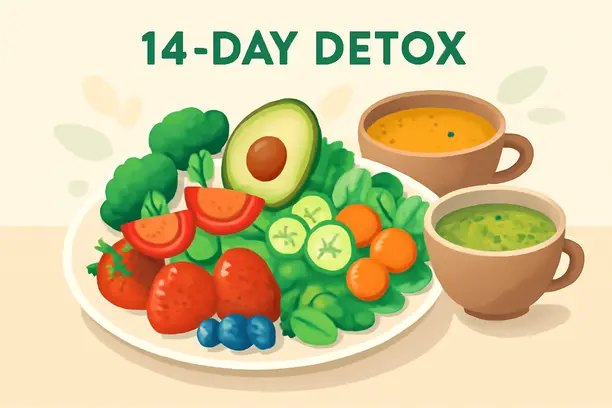
A 14-day detox diet is a structured two-week eating plan designed to “flush out toxins” and kickstart weight loss or energy by overhauling your meals. It typically emphasizes soups, juices, raw foods, or targeted recipes—giving your body a break from processed or inflammatory foods.
The idea of “toxins” in detox marketing is intentionally vague, often referring to food additives, excess sugar, environmental chemicals, or metabolic byproducts. Here’s the truth: toxin elimination is primarily handled by your liver and kidneys, which work around the clock to process and remove waste. For most healthy adults, these systems function just fine without special detoxes. Supporting your body through balanced eating and hydration is usually enough Source: American Cancer Society.
That said, many 14-day detox diets do incorporate healthy changes you’d benefit from anyway:
- Eliminating ultra-processed foods loaded with sugar, salt, and artificial additives
- Increasing your intake of fiber-rich vegetables that support digestion and gut health
- Encouraging hydration while sometimes reducing caffeine or alcohol
- Promoting homemade meals with whole, natural ingredients
These shifts align with basic nutritious eating principles. But detox claims that promise rapid “fat flushing” or special toxin purging? They lack solid scientific support Source: NHS UK.
Short-term, you’ll often feel less bloated and more energetic due to cutting back on processed junk and upping vegetables. Some weight loss may occur, mainly from water and glycogen depletion rather than actual fat loss. High-fiber foods like soups can help control hunger, as featured in structured plans like the 14-Day Rapid Soup Diet.
It’s important to keep expectations realistic. A 14-day detox won’t “reset” your metabolism or cure illness. It can’t address medical toxin exposure or heavy metal poisoning, which require professional treatment. The main benefit lies in temporarily improving eating habits—ones you can maintain beyond the detox phase. For lasting change, you’re better off incorporating whole foods consistently rather than relying on short-term cleanses Source: Fitsero.
If you’re interested in a soup-focused, structured approach that simplifies healthy eating, the 14-Day Rapid Soup Diet system offers a protocol designed to minimize cravings while encouraging nourishing meals. Just keep expectations grounded and prioritize health above hype.
Safety, contraindications, and who should avoid or modify the plan
Who Should Approach a 14-Day Detox Diet With Caution
Not everyone’s suited for a 14-day detox diet. If you’re pregnant or breastfeeding, you require additional nutrients and shouldn’t follow restrictive plans without medical guidance. Rapid dietary changes during these periods could risk both maternal and fetal health Source: American College of Obstetricians and Gynecologists.
People with diabetes or metabolic conditions need to be especially cautious. Changes in meal timing, carb reduction, or fasting can disrupt blood sugar control. You might need to adjust insulin or medications, so professional oversight is critical Source: American Diabetes Association.
If you have chronic illnesses like kidney, liver, or heart disease—or you’re on prescription medications—consult your healthcare provider before starting a detox diet. The goal is to avoid negative interactions or unnecessary stress on your organs.
Risk of Disordered Eating and Mental Wellness
If you’ve struggled with disordered eating in the past—whether bingeing, restriction, or obsessive thoughts about food—don’t undertake restrictive detox diets without supervision. These plans can trigger unhealthy behaviors or worsen body image issues Source: National Eating Disorders Association.
Common Side Effects and When to Discontinue
- Fatigue or low energy: Common during the initial days as your body adjusts.
- Headaches: Often occur if caffeine or sugar intake drops suddenly.
- Digestive upset: Bloating, loose stools, or constipation as your system adapts.
- Irritability or mood swings: Possible with lower calorie or carb intakes.
- Dizziness or faintness: Usually linked to inadequate meals or dehydration.
These symptoms typically fade within a few days. However, stop the plan immediately and seek medical attention if you experience persistent vomiting or diarrhea, heart palpitations, severe weakness, confusion, chest pain, difficulty breathing, or sharp abdominal pain.
Personalizing for Unique Needs
Athletes might need increased protein and calories through extra snacks or larger portions to support training demands. Older adults should prioritize hydration and protein to maintain muscle mass, and may need to adjust meal timing. Gentle adaptations or added healthy fats can improve satiety and prevent nutrient gaps.
For tailored safety and balance, check out resources on customizing diet plans and sensible detox approaches to avoid the pitfalls of overly restrictive eating.
Practical Tips for a Safer Detox Experience
- Consult a healthcare provider before starting, especially if you’re over 50, have chronic conditions, or take medications.
- Listen to your body and stop if warning signs arise.
- Stay well hydrated and prioritize sleep during the reset period.
- Personalize by including gentle physical activity, lean-protein soups, or extending the plan with nourishing options if energy dips.
For those who prefer guided support, the 14-Day Rapid Soup Diet offers a comprehensive, modifiable plan designed for safety and sustainability.
Evidence summary: what the research supports and what it doesn’t
The scientific evidence around 14-day detox diets points to short-term weight loss, mainly due to reduced calorie intake, increased hydration, and higher fiber consumption. These factors lead to quick water and glycogen loss rather than meaningful fat reduction.
There’s no strong evidence that detox diets accelerate toxin removal beyond your body’s normal liver and kidney function. Major reviews from organizations like the National Center for Complementary and Integrative Health (NCCIH) conclude detox diets aren’t proven to offer specific health benefits over balanced eating Source: NCCIH.
Reported benefits like improved energy or reduced bloating likely come from eating more whole foods and less processed fare, not from unique “detox” actions. You’d see similar improvements with any shift toward plant-rich, unprocessed diets Source: British Dietetic Association.
Long-term studies are lacking. There’s no quality data showing greater fat loss or sustained benefits from detox diets compared to standard calorie-controlled approaches. Overly restrictive detoxes may even lead to rebound overeating or nutrient deficiencies afterward. Sustainable fat loss depends on consistent, balanced nutrition—not short-term cleanses Source: Fitsero.
You should be cautious when detox plans exclude entire food groups, which risks insufficient intake of vitamins, minerals, and protein. Experts advocate for plant-heavy, fiber-rich eating patterns without extreme restrictions to support overall health Source: Fitsero.
In summary, the “detox” effect is mostly marketing language. The real benefit lies in adopting healthier eating habits that support natural organ function and metabolism. For structured fat loss through soups and wholesome meals, options like the 14-Day Rapid Soup Diet provide clear meal plans but should come with realistic expectations and professional oversight where needed.
Let’s keep this doable: focus on real foods, not hype, and look for plans that help you stay consistent without feeling deprived.
Sample 14‑day meal plan with nutrient adequacy and personalization
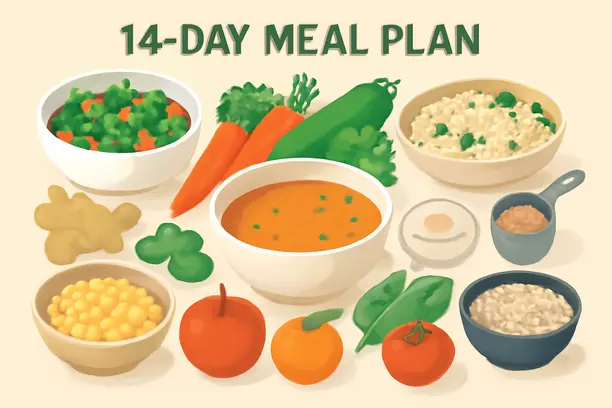
A balanced 14-day detox diet centers on nutrient-rich, minimally processed foods while avoiding excessive sugar, refined carbs, and ultra-processed snacks. Calorie targets depend on your body size and activity level—women typically aim for 1,400–1,750 calories daily, while men target 1,700–2,100 calories. Protein intake should make up about 20–25% of total calories to maintain muscle and promote satiety.
Your carbohydrates should come mainly from fibrous vegetables, moderate fruit servings, and whole grains or legumes. Healthy fats from sources like olive oil, avocado, and nuts support cellular function. Emphasize micronutrients like magnesium, potassium, B vitamins, and vitamin C through leafy greens, cruciferous veggies, and citrus fruits.
Sample 2-Day Framework (Repeat or Rotate)
- Day 1
- Breakfast: Overnight oats or chia pudding with nut milk, berries, and seeds; herbal tea (300–400 kcal, 12–18g protein)
- Lunch: Vegetable lentil soup with leafy greens, olive oil, and whole grains (400–500 kcal, 15–25g protein)
- Snack: Apple or carrot sticks with hummus (100–150 kcal, 2–5g protein)
- Dinner: Baked salmon or chickpea stew with roasted broccoli and sweet potato (500–600 kcal; 25–35g protein fish, 14–20g vegan)
- Day 2
- Breakfast: Spinach and berry smoothie with nut butter and protein powder or Greek yogurt; walnuts (300–400 kcal, 20–25g protein)
- Lunch: Quinoa salad with beans or chicken, mixed greens, avocado, lemon-tahini dressing (400–500 kcal, 20–30g protein)
- Snack: Orange or mixed seeds (80–130 kcal, 2–5g protein)
- Dinner: Hearty minestrone or vegetable soup with brown rice or cauliflower rice (500–600 kcal, 15–25g protein)
You can repeat this pattern with protein and seasoning variations for variety and easier meal prep. Minimizing added sugars and using low-sodium broths enhances nutritional quality.
For a more detailed plan with recipes and nutrition analysis, the 14-Day Rapid Soup Diet digital system streamlines soup-based fat loss nutrition without complex counting.
Personalization Guidelines
- Taller or More Active: Add 1–2 snacks like fruit and nuts or extra soup portions.
- Shorter or Less Active: Cut back on grain sides, focus on non-starchy vegetables, and reduce added oils if you’re not hungry.
- Vegetarian/Vegan: Swap animal proteins for tofu, tempeh, beans, or lentils. Use fortified plant milks and seed toppings to ensure nutrients like B12 and zinc.
- Dairy-Free: Choose unsweetened nut or oat milks and consider nutritional yeast for added B vitamins.
- Gluten-Free: Use quinoa, brown rice, or sweet potato instead of bread. Double-check broth and sauce ingredients for hidden gluten.
Stay consistently hydrated and pay attention to your hunger cues rather than rigidly sticking to meal times. If symptoms like fatigue or headaches develop, increasing clean carbohydrate sources or strategically adding salt to broths can help mitigate electrolyte imbalances Source: Harvard T.H. Chan School of Public Health.
Micronutrient Safeguards
- Incorporate dark leafy greens and crucifers to boost potassium, magnesium, and immune-supportive vitamins.
- Add citrus or vinegar to enhance plant-based iron absorption.
- Include vitamin B12-fortified foods or consider low-dose supplementation if you’re avoiding animal products.
- Aim for 800–1,000 mg calcium daily from dairy, fortified plant milks, tofu, or leafy greens.
For more meal ideas and customization, explore our quick vegan weight loss meal plans or healthy meal favorites collection.
If you’re seeking a no-guesswork approach, you can access the full 14-day soup-based detox meal roadmap with daily guides and progress tracking.
Think of this as your shortcut to a simpler, more consistent routine—especially if you’ve ever wished someone would just hand you a done-for-you meal plan.
Reintroduction, long-term maintenance, and psychological risks
The end of a 14-day detox diet marks the start of a critical transition phase. How you reintroduce foods and adjust your eating habits afterward largely determines your long-term success. If you abruptly return to prior habits, you risk digestive discomfort, weight rebound, and falling back into unhealthy patterns.
Gradual food reintroduction is essential. Introduce one new food at a time—like starchy vegetables, whole grains, or dairy—and wait 1 to 2 days before trying another. This slow process helps you identify adverse reactions like bloating or cravings. Keeping a simple journal of foods and symptoms supports mindful eating and helps you set boundaries.
- Start with minimally processed foods like whole grains, beans, and fermented dairy, which are usually gentler on digestion.
- Maintain regular, balanced meals rather than grazing to stabilize energy and reset hunger signals.
- Stay well hydrated and incorporate mindful movement, like daily walks, to ease digestion.
For sustainable maintenance, build a meal plan that incorporates what worked during detox—frequent vegetables, lean proteins, and soups—while allowing flexibility and variety. Soup-based eating can remain a valuable strategy for hunger control and cravings management. You’ll find sample meal prep ideas at meal prep for weight loss.
Psychological considerations shouldn’t be overlooked. Strict detox rules or frequent cleanses can foster anxiety, obsessive food thoughts, binge eating, or social withdrawal—especially if you have a history of dieting or disordered eating. Warning signs include:
- Anxiety or guilt after eating non-detox foods
- Obsessive food labeling or policing
- Social isolation due to food restrictions
- Persistent fatigue, digestive issues, or dizziness
If you notice these signs, seek support from registered dietitians or therapists who specialize in eating behavior. Resources are available through organizations like the National Eating Disorders Association Source: NEDA.