

What a 14‑day detox really is — evidence and limits
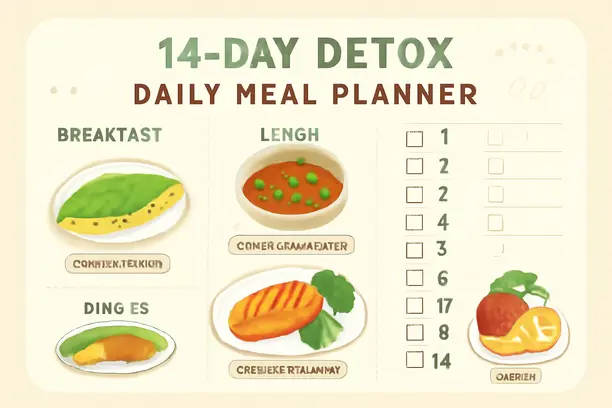
The best 14 day detox promises are everywhere, but do they actually work? The short answer: they won’t magically “flush toxins,” but a structured, whole-food-based detox for 14 days often leads to feeling lighter, more energized, and less bloated as you reset your habits and ditch processed foods.
Disclosure: This article contains affiliate links. We may earn a commission at no extra cost to you.
Here’s the truth: a “14-day detox” gets marketed as a quick fix to reset your health, boost fat loss, or eliminate mysterious “toxins.” In reality, though, your liver, kidneys, gut, and skin are already working around the clock to filter out waste. You don’t need special programs for that. Leading health organizations, including the UK NHS, confirm there’s no strong evidence that short-term detox diets or supplements add health benefits for most healthy people. Source: UK NHS.
So what can a structured 14-day detox actually do for you? When you swap ultra-processed foods for balanced meals built around soups, vegetables, and plenty of water, you’ll likely notice some real improvements:
- More fiber to support gut health and keep things moving
- Better hydration, especially if you’re cutting back on sugary drinks or alcohol
- Less sodium and added sugar when you focus on whole foods
- Modest weight loss from reduced calories and water weight—not instant fat melt
But let’s be clear about the limits. No credible medical authority backs detoxes that claim to “flush” toxins beyond what your body naturally handles Source: Mayo Clinic. Any rapid weight drop you see typically comes from water and digestive content, not long-term fat loss. Sustainable fat loss requires a consistent calorie deficit over time.
Some detox diets—like soup-based plans—load you up with fiber and minerals that keep you full while you’re eating fewer calories. That approach can support hydration and nudge you toward healthier habits for two weeks. The real magic isn’t in supplements or detox claims; it’s in eating more nutritious whole foods, staying hydrated, eating mindfully, and breaking free from processed snacks.
If you’re considering a short-term detox, focus on eating more plants, drinking plenty of water, and building positive routines. Treat it as a temporary nutrition upgrade, not a miracle cure. Your long-term results depend on sticking with healthy habits after those 14 days are up. Source: Centers for Disease Control (CDC).
For more guidance on maintaining healthy eating beyond a brief detox, check out our tips on building sustainable healthy eating lifestyles and compare various detox diet plans and their practical effects.
A safe 14‑day plan: sample meals, daily schedule, and precautions
Flexible Framework for a Safe 14-Day Detox
The best 14-day detox plans give you flexibility instead of rigid, unchanging meals. That way, you can adjust for your food preferences, allergies, and activity level—making it easier to stick with and actually enjoy.
Each day, you’ll want to hit three key food groups:
- Protein: keeps you full and maintains muscle (think eggs, plain Greek yogurt, chicken breast, lean fish, tofu, beans, lentils)
- Fiber-rich vegetables and fruits: support gut health and steady blood sugar; aim for at least two cups per meal (leafy greens, broccoli, bell pepper, zucchini, berries)
- Healthy fats: fuel steady energy and hormone health (avocado, olive oil, nuts, seeds, fatty fish)
Don’t go too low on calories—most people need at least 1200–1400 daily unless you’re working with a doctor Source: CDC.
Sample Day Menu (Adapt and Rotate)
- Breakfast: Spinach omelet with tomato, berries, and whole-grain toast
- Lunch: Mixed bean and vegetable soup topped with avocado and pumpkin seeds, plus a side salad
- Snack: Sliced apple with a tablespoon of nut butter
- Dinner: Grilled salmon, roasted Brussels sprouts, and quinoa with lemon vinaigrette
- Dessert (optional): Fresh mango and chilled herbal tea
Feel free to swap protein sources or add more veggies for variety. For more meal inspiration, see our collection of favorite healthy meals to make at home.
Hydration and Exercise Schedule
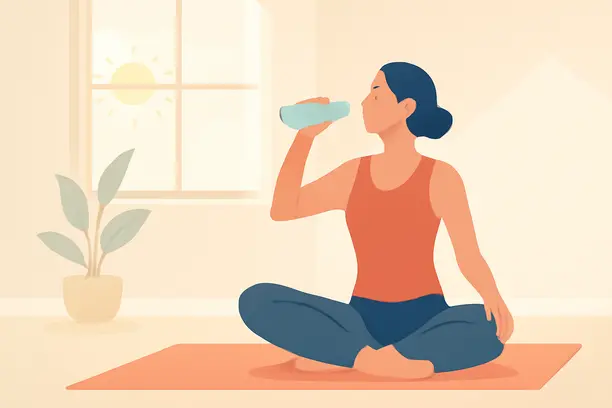
Shoot for at least 8 cups (about 2 liters) of water daily—more if you’re exercising or it’s hot outside. Jazz it up with fruit-infused water or unsweetened herbal tea if plain water bores you.
Include light to moderate activities like walking, yoga, or chair exercises to boost circulation and support your body’s natural detox processes. For joint-friendly options, visit our guide to low-impact workouts.
Essential Precautions & Safety Markers
- Stop and call a healthcare provider if you feel faint, dizzy, weak, or notice a rapid heartbeat.
- Keep regular meals—don’t skip or delay eating, especially if you’re on medication.
- Watch for dehydration signs: dark urine, dry mouth, headaches. Drink more fluids if any of these pop up.
- Talk to your doctor before starting if you have diabetes, kidney or heart disease, are pregnant or breastfeeding, or take prescription drugs Source: Mayo Clinic.
- Quit the plan immediately if you have persistent nausea, vomiting, confusion, severe cramps, rapid weight loss over 4 pounds per week, or blood in stool or urine. These need medical evaluation.
For a ready-to-go safe option, consider the 14-Day Rapid Soup Diet, which offers protein- and fiber-rich soup recipes tailored for steady weight loss and convenience.
Adaptation Tips for Different Needs
- Beginners or less active: Start gently with higher-calorie weeks and light exercise.
- Active individuals: Add complex carbs like brown rice or sweet potato to sustain energy.
- Seniors and people with health conditions: Choose softer or pureed foods and monitor medication timing and blood sugar closely.
Keeping a daily journal—tracking energy, mood, hydration, and symptoms—can boost motivation and help you catch issues early. For more motivation strategies, see our tips on staying motivated for healthy living.
Remember, lasting change happens gradually. Experts discourage extreme detox plans. Focus on gentle, consistent nutrition improvements you can maintain well beyond those initial 14 days Source: Academy of Nutrition and Dietetics.
If you want convenient meal planning with recipes and shopping lists, explore the popular Rapid Soup Detox meal plan, which offers instant digital access and a money-back guarantee.
Who should avoid a detox: contraindications and vulnerable groups
Who Should Avoid a 14-Day Detox? Contraindications and Vulnerable Groups
Even though many programs claim to be the “best 14 day detox,” they’re not risk-free. Certain groups can face real health risks from rapid dietary changes and restrictive plans. If you’re in any of these vulnerable populations, always talk to a healthcare provider before attempting a detox diet.
- Pregnant or Breastfeeding Women: Restrictive diets risk depriving you and your baby of essential nutrients. Stick with balanced, nutrient-rich meals, and get medical advice before making diet changes.
- People Under 18: Growing teens need balanced, age-appropriate nutrition. Restrictive detoxes can increase the risk of disordered eating. See guidance on safe teen weight management.
- Diabetes (Type 1 & 2): Sudden carb cuts and calorie shifts can mess with blood sugar. You’re better off with individualized meal plans developed with dietitians. For balanced meal ideas, see diabetes-friendly dietary frameworks.
- Kidney or Liver Disease: Rapid diet changes can overload organs that are already struggling. Steady, medically supervised nutrition is essential—detoxes should be avoided. Consider safer done-for-you alternatives here.
- History of Eating Disorders: Detoxes can trigger relapse or unhealthy behaviors. You need professional guidance—focus on consistent, satisfying meals instead.
- Immunocompromised Individuals: With a weakened immune system, restrictive detoxes may worsen your health. Prioritize nutrient-dense foods and consult your doctor. For immune-supportive food ideas, visit this resource.
Checklist: “Stop Now and Call Your Provider” Signs
- Dizziness, fainting, or rapid heartbeat during detox
- Persistent vomiting, diarrhea, or inability to keep fluids down
- Confusion, severe weakness, or difficulty concentrating
- Sudden changes in urination or signs of dehydration (dark urine, dry mouth, headache)
- For diabetes: blood sugar below 70 mg/dL or above 250 mg/dL that won’t come back to normal
If any of these happen, stop the detox immediately and get medical care. The risks often outweigh any supposed benefits, especially for vulnerable groups Source: NHS.
For most people in higher-risk groups, small, sustainable shifts work better—like swapping sugary drinks for water and filling half your plate with vegetables. These are safer and more effective than extreme cleanses. Find healthy meal ideas for gradual improvement in our favorite healthy meals collection.
For a gentle, structured weight loss plan designed with older adults in mind, consider the 14-Day Rapid Soup Diet, which includes easy, whole-food recipes and a 60-day guarantee.
Evidence‑backed daily habits that support natural detoxification
Science-Backed Habits for Everyday Detox Support
The most effective “14-day detox” programs don’t rely on extreme restrictions. Instead, they help you build daily habits that support your body’s natural detox systems. Key areas include hydration, fiber, movement, sleep, and minimizing exposure to harmful substances.
- Optimal hydration: Aim for 2–3 liters (8–12 cups) of water daily. Hydration is essential for kidney function, which filters metabolic waste. Talk to a doctor if you have special needs. Source: CDC
- Increase fiber intake: Get 25–35 grams of fiber daily from vegetables, whole grains, and legumes. Fiber regulates digestion and supports a healthy gut microbiome that helps metabolize toxins. Source: Harvard T.H. Chan School of Public Health
- Fill up on vegetables: Shoot for 4–6 cups daily with a variety of leafy greens, colorful peppers, cruciferous vegetables, and sulfur-rich foods like garlic and onions. These provide antioxidants that support detox enzymes.
- Daily moderate movement: Include 20–30 minutes of moderate exercise (walking, cycling, yoga) most days. Movement promotes circulation, lymph flow, and sweating—all of which aid waste elimination. Source: CDC
- Quality sleep hygiene: Aim for 7–9 hours of good sleep nightly. It’s essential for brain detox via the glymphatic system and for regulating immune and hormonal functions.
- Limit alcohol and avoid tobacco: Keep alcohol to no more than one drink a day for women and two for men. Avoid tobacco entirely—both increase toxic load and burden your detox systems. Source: American Cancer Society
Sample 14-Day Micro-Plan for a Natural Detox Routine
This approachable daily habit schedule favors consistency over restriction:
- Morning: Start with water, a fiber-rich breakfast (like oats with berries), and a vegetable serving (spinach, carrots).
- Midday: Take a 15–20 minute brisk walk. Have a veggie-focused lunch that fills half your plate. Drink water.
- Afternoon: If you’re craving sweets, go for fruit or raw veggies. Try light stretching or yoga.
- Evening: Include at least two vegetable varieties at dinner. Avoid caffeine 6 hours before bed. Set up a relaxation routine to support sleep.
Repeat this for 14 days, tweaking as needed for your preferences and health. Keeping a journal of hydration, food, activity, and sleep can boost motivation and track progress. For vegetable-rich meal ideas, see our healthy plant-based recipes.
What to Avoid or Limit for Authentic Detox Support
- Highly processed foods loaded with sodium, sugar, and additives that burden your elimination organs
- Excessive caffeine, especially near bedtime
- Unproven supplement “detoxes” with unrealistic claims—prioritize food-based approaches first
These habits reinforce kidney and liver health and build a foundation for lasting energy and weight management.
For guided meal plans aligned with natural detox goals, consider the 14-Day Rapid Soup Diet offering simple, nutritious soups.
If meal prep is a challenge, the Rapid Soup Detox program provides step-by-step recipes, videos, and a satisfaction guarantee designed for busy lifestyles.
What is the fastest way to flush your body of toxins naturally?
The fastest natural way to support your body’s toxin elimination is through consistent hydration, a fiber-rich diet, regular moderate exercise, and quality sleep. These habits optimize your liver and kidney functions—your body’s primary detoxifiers.
Is a 14-day colon cleanse good for you?
In short, aggressive colon cleanses generally aren’t recommended. While boosting fiber and hydration supports colon health and regular elimination, harsh cleansing procedures can disrupt gut balance and cause dehydration. Gentle, consistent dietary habits are safer and more effective over time.
Need a quick win to stay motivated? Even small daily habits add up—consistency beats perfection every time.