
Quick overview: What a 21‑Day Detox Is (types & claims)
21 day detox programs are structured, short-term plans designed to eliminate toxins and boost overall health through targeted dietary changes or supplements. These three-week programs aim to reset habits and promote renewed energy, with a timeframe that many people find long enough to form new routines but short enough to stay motivated.
You’ll find several common types of 21-day detox programs:
- Juice cleanses: You’ll consume mostly or only fruit and vegetable juices, cutting out solid foods entirely.
- Clean eating resets: These focus on whole, unprocessed foods while removing sugar, alcohol, caffeine, dairy, and gluten—emphasizing vegetables, lean proteins, and whole grains instead.
- Supplement-based detoxes: These rely on powders, herbal teas, or pills that claim to support liver function or digestion, and they’re often promoted heavily on social media.
- Sugar or carb “resets”: These eliminate added sugars and processed carbs, sometimes alongside stricter meal plans.
Most of these programs involve significant dietary restrictions, increased water intake, and sometimes supplements. Supporters claim they’ll give you more energy, help you lose weight, clear up your skin, and support liver health.
But here’s what the science actually says: medically speaking, “toxins” refer to specific harmful substances like heavy metals or chemicals. Your liver and kidneys already do an excellent job of detoxifying your body naturally—most 21 day detox plans don’t meaningfully change this process.
There’s limited evidence that juice cleanses or restrictive detox diets provide lasting benefits; any short-term weight loss mainly comes from losing calories and water, not eliminating toxins. Similarly, supplement-based detox products lack strong scientific backing and may even pose risks depending on their ingredients Source: Mayo Clinic, Source: American Cancer Society.
If you’re interested in healthier eating habits, evidence-backed clean eating approaches work better long-term. You can find practical guidance on 21-day detox basics and structured meal plans at 21 day detox basics and detox diet plan structure.
Safety, contraindications, and when to stop
Not everyone should try a 21-day detox. If you’re pregnant or breastfeeding, under 18, or managing diabetes, kidney or liver disease, eating disorders, or chronic conditions requiring medication, you’ll need to consult your healthcare provider first.
Detox diets can cause blood sugar swings, dehydration, and nutrient deficiencies—all of which can worsen existing health problems. It’s crucial to review your current medications and supplements, since certain detox ingredients like herbal teas or high-dose vitamins can interact dangerously with heart medications, blood thinners, diabetes drugs, or antidepressants Source: Mayo Clinic.
During any detox, listen to your body carefully. Stop immediately and get medical help if you experience dizziness, persistent vomiting or diarrhea, severe fatigue, chest pain, confusion, irregular or rapid heartbeat, or unexplained shortness of breath—these are red flags that something’s wrong Source: CDC.
If you’re set on trying a detox, the safest route is working with a registered dietitian or physician. These professionals can customize a plan for you, suggest safer alternatives, and monitor your health with regular check-ins. Understanding the specific demands and risks of any detox program before you start is essential 21 day detox plan overview.
Above all, prioritize safety over quick results. Never push through severe symptoms or drastic diet changes that leave you feeling awful. Trust your instincts and seek professional guidance whenever you’re unsure.
Types of 21‑day programs and potential drawbacks (juice, clean‑eating, supplements, sugar/cortisol protocols)
The term “21 day detox” covers everything from juice cleanses to clean-eating diets, supplement protocols, and sugar or cortisol reduction plans. While each promises a quick reset, their methods and risks vary considerably.
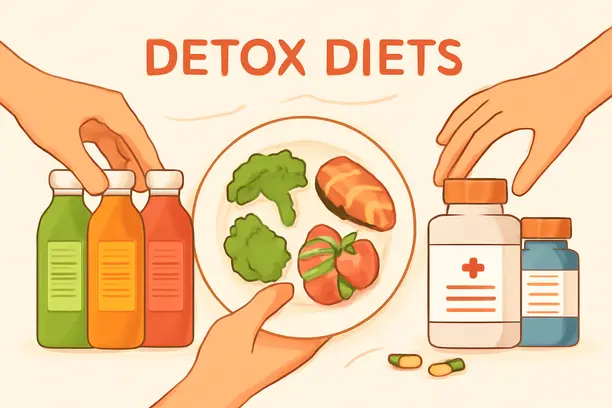
- Juice-only detoxes: These eliminate solid food completely, relying solely on fruit and vegetable juices. Sure, you might boost your vitamin intake, but you’re missing out on adequate protein, essential fats, and fiber—often leading to muscle loss, fatigue, and digestive troubles. High sugar content can spike and crash your blood sugar, making these inappropriate if you have diabetes or hypoglycemia. Healthy adults might tolerate short durations, but extended use increases risks of nutrient deficiencies and disordered eating patterns.
- Clean-eating resets: These center on unprocessed foods while cutting out refined sugar, dairy, gluten, or animal products. This approach can improve nutrition compared to processed diets, but eliminating entire food groups without proper substitutes may cause deficiencies—especially in calcium and B12. Generally safer than juice fasts, these programs still require professional guidance if you have chronic illnesses, restrictive eating patterns, are under 18, or are pregnant.
- Supplement and liver detox protocols: These use herbal blends, laxatives, or high-dose vitamins marketed for liver cleansing. Potential side effects include gastrointestinal distress, dehydration, and dangerous drug interactions. Many products aren’t well regulated and may contain undisclosed ingredients. Always consult a healthcare provider before starting supplements—”natural” doesn’t automatically mean safe.
- Sugar/cortisol reset programs: These aim to reduce inflammation and stress by restricting sugar, caffeine, or certain carbohydrates. While cutting back on sugar short-term may improve mood and energy, abruptly eliminating carbohydrates can cause dizziness, headaches, and mood swings. These plans aren’t suitable for individuals with eating disorders, pregnant or breastfeeding women, or anyone on blood sugar–affecting medications.
To reduce risks with any program, stay well-hydrated, listen to your hunger cues, and avoid extreme restrictions. Opt for structured, whole-food detoxes over severely restrictive cleanses. Long-term, sustainable dietary habits beat short-term fixes every time. For practical transition tips, check out this no-sugar diet adoption guide.
If you have chronic diseases, take medications regularly, or have a history of restrictive eating, consult your healthcare team before starting a 21-day detox. For scientific insights and professional cautions, see this Journal of Human Nutrition and Dietetics review and the Academy of Nutrition and Dietetics’ position on detox diets.
Evidence & mechanisms: what ‘detox’ actually means
Detoxification is a vital, ongoing biological process primarily managed by your liver and kidneys—not something you can reset in 21 days. Your liver neutralizes harmful substances through phase I and phase II metabolic pathways. Phase I often transforms toxins into more chemically reactive forms, while phase II attaches molecules that increase their solubility, allowing elimination through urine or bile. Your kidneys then filter these byproducts into urine for excretion. This sophisticated system operates continuously, regardless of special diets Source: NCBI.
Short-term dietary improvements—like drinking more water, eating more fiber, and cutting back on processed foods—may support these natural detox processes, which could explain why you feel better during detox programs 21 day detox. But here’s the reality: scientific evidence doesn’t validate sweeping claims that detox diets rapidly eliminate specific toxins, reset hormones, or remove heavy metals. Actual toxic accumulation often requires medical chelation therapies that juices or herbal treatments can’t replicate Source: NHS.
When people report improvements in blood glucose or liver enzymes during a detox, those are typical physiological responses to healthier eating and reduced processed food intake—not unique cleansing effects. Bold claims about hormone rebalancing or deep tissue detox lack credible scientific support in human studies Source: Harvard Health.
Bottom line: detoxification is a sophisticated, continuous internal function best supported by a nutrient-dense, balanced diet rather than extreme or restrictive regimens. If you’re considering medically indicated detoxification, consult healthcare professionals for safe, evidence-based options.
How this compares to standard dietary guidance (Mediterranean, DASH, balanced diets)
Typical 21-day detox plans often emphasize lots of fruits and vegetables and cutting out ultra-processed foods—sometimes removing dairy, gluten, caffeine, or animal products too. While these changes can improve nutrition, it helps to see how they stack up against established, evidence-backed diets like Mediterranean and DASH approaches.
Both Mediterranean and DASH diets focus on whole foods, colorful produce, whole grains, heart-healthy fats like olive oil, lean proteins, and moderate portions. There’s strong long-term evidence showing these diets reduce chronic disease risk, support healthy weight management, and boost overall health Source: Harvard T.H. Chan School of Public Health. Unlike many detox plans, they don’t demand you exclude entire food groups without medical reasons or rely on unproven “detoxifying” claims.
Here’s what a typical Mediterranean day might look like:
- Breakfast: Greek yogurt with berries and nuts
- Lunch: Grilled vegetables and hummus with whole-grain pita
- Dinner: Salmon with roasted potatoes, salad, and olive oil
- Snacks: Fresh fruit, olives, or a handful of almonds
By contrast, a detox menu might include:
- Breakfast: Green smoothie (spinach, apple, cucumber, lemon)
- Lunch: Steamed asparagus and broccoli with brown rice
- Dinner: Lentil soup with mixed leafy greens
- Snacks: Carrot sticks, herbal tea, or unsweetened juice
While detoxes can encourage you to eat more vegetables and cut back on processed foods, their restrictive nature and calorie limitations risk nutritional imbalances and make them hard to stick with long-term Source: Academy of Nutrition and Dietetics. For lasting health benefits and easier adherence, Mediterranean and DASH diets remain the better choices.
If you’re looking for a nourishing, balanced eating pattern, you’ll find helpful menus in resources on the Mediterranean diet Mediterranean diet sample menu.
Post‑detox maintenance: realistic expectations and reintroduction plan
Completing a 21-day detox is an accomplishment, but how you transition afterward makes all the difference for long-term wellness. To maintain benefits and avoid digestive upset, reintroduce foods gradually—adding one food group every few days. Start with easily digested items like whole grains or dairy (if you tolerate it), then reintroduce potential triggers like gluten or processed sugars last. This method helps you identify sensitivities and supports gut health Source: Cleveland Clinic.

Setting realistic expectations is key. Your weight will likely stabilize after initial losses, which usually come from water weight rather than fat. Sustainable weight loss after a detox typically follows a gradual trend of 1–2 pounds per week when you keep up healthy habits. Your digestive system may take a week or more to adjust, and changes in energy, skin, or lab markers like cholesterol or blood sugar require monitoring over several months—not overnight transformation Source: Harvard T.H. Chan School of Public Health.
To reinforce your new habits, try these strategies:
- Plan balanced, nutritious meals ahead of time and keep healthy snacks on hand to avoid impulse choices. For meal ideas, see healthy home-cooked meals.
- Keep a journal tracking your progress and setbacks to build self-awareness and spot returning patterns. Learn from real-life outcomes with resources like sustained calorie deficit results.
- When cravings or energy dips hit, prioritize hydration, adequate sleep, and the whole foods you emphasized during your detox.
- Accept that setbacks happen—focus on progress rather than perfection. If you slip up, gently return to your maintenance approach.
Ongoing maintenance means exploring plant-forward, minimally processed diets and cultivating mindful eating habits. You’ll find additional guidance on sustaining a healthy diet for weight loss at maintaining a healthy diet for weight loss.
Remember, a 21-day detox is a reset, not a cure-all. Thoughtful reintroduction, balanced routines, and realistic, flexible goals are what create lasting positive change.
What to eat after a 21-day detox?
After finishing a detox, focus on gradually reintroducing nutrient-dense whole foods in manageable stages. Start with gentle, easily digested foods like whole grains, dairy (if you tolerate it), and cooked vegetables before adding back more complex or potentially triggering items like gluten and processed sugars.
How can I detox my body for 21 days?
The best way to support your body’s natural detoxification over 21 days is improving diet quality: drink more water, eat whole and unprocessed foods, cut back on added sugars and processed items, and limit alcohol and caffeine. Avoid extreme calorie restriction or unproven supplements.
What foods are allowed on the 21-day reset?
Allowed foods typically include vegetables, lean proteins, whole grains, and fruits, while excluding refined sugars, processed foods, alcohol, caffeine, dairy, or gluten depending on your specific plan. Hydrating beverages like water, herbal teas, and fresh juices are usually included too.
How to detox your body in 20 days?
Detoxing over 20 days means adopting consistent healthy habits: stay well-hydrated, eliminate or reduce processed and sugary foods, emphasize whole foods rich in antioxidants and fiber, and get regular physical activity. Avoid quick fixes or extreme measures, and consult healthcare professionals for personalized advice.
Sources
- American Cancer Society – Detox Diets & Cleansing: Are They Safe?
- CDC – Clean Eating
- Academy of Nutrition and Dietetics – The Truth About Detox Diets
- Harvard T.H. Chan School of Public Health – Mediterranean Diet
- Harvard T.H. Chan School of Public Health – Detox Diets
- Harvard Health – The Dubious Practice of Detox
- Mayo Clinic – Detox Diets
- NCBI – Liver Detoxification Mechanisms
- Journal of Human Nutrition and Dietetics Review
- NHS – Are Detox Diets Safe?
- Cleveland Clinic – What You Should Know About Detox Diets