
7-Day evidence-based plan with safety checkpoints
Detox diet for a week plans sound appealing, but can they truly cleanse your system safely and effectively? The answer is that you can reset your eating, boost your energy, and enjoy meals in seven days—but only with evidence-based, nutritious choices.
Disclosure: This article contains affiliate links. We may earn a commission at no extra cost to you.
This 7-day plan focuses on real, nutrient-dense foods combined with practical safety checks. Instead of extreme fasting or juice-only days, you’ll balance lean proteins, plenty of non-starchy vegetables, healthy fats, and complex carbs. For hydration, think water, unsweetened teas, or naturally flavored seltzer—skip the fruit juice and go for whole fruits to get more fiber.
Portions stay gentle: a hand-sized serving of protein per meal, as many vegetables as you’d like, a cupped palm of carbs when you include them, and fats like olive oil or avocado about a thumb’s worth. This approach keeps you satisfied, avoids harsh calorie drops, and stays safe for most healthy adults.
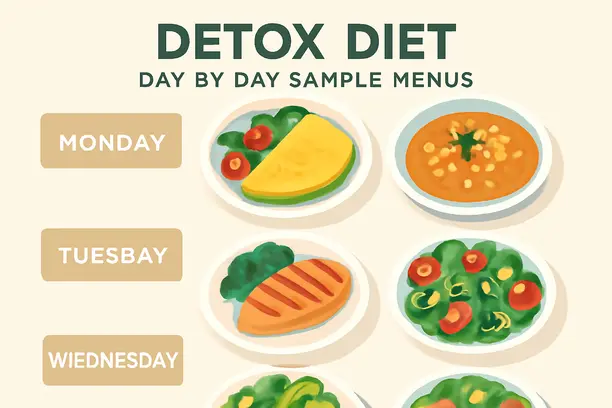
Day-by-Day Sample Menu with Substitutions
- Day 1: Breakfast: Spinach omelet, berries; Lunch: Lentil soup, steamed broccoli, apple; Dinner: Grilled chicken, roasted squash, mixed greens with olive oil and lemon.
- Day 2 (Safety Checkpoint): Breakfast: Chia pudding with almond milk, peach; Lunch: Chickpea salad with tomatoes, cucumber, basil; Dinner: Baked cod, sautéed spinach, quinoa.
- Check for: Dizziness, persistent fatigue, nausea. Action: If symptoms linger despite eating and drinking enough, stop the detox and reach out to a healthcare professional.
- Day 3: Breakfast: Oats with nuts, kiwi; Lunch: Turkey lettuce wraps, carrot sticks; Dinner: Eggplant stir-fry, brown rice, tofu.
- Day 4: Breakfast: Greek yogurt, walnuts, banana; Lunch: Veggie chili, spinach side salad; Dinner: Baked trout, asparagus, sweet potato.
- Day 5 (Safety Checkpoint): Breakfast: Avocado toast, berries; Lunch: Split pea soup, roasted root vegetables; Dinner: Stir-fried shrimp, snap peas, buckwheat noodles.
- Check for: Ongoing weakness, heart palpitations, headaches, or digestive upset. Action: If symptoms persist or worsen, stop right away and get medical advice.
- Day 6: Breakfast: Cottage cheese, pineapple, flax seeds; Lunch: Grilled tofu, kale salad, beet slices; Dinner: Chicken stew, green beans, orange.
- Day 7: Breakfast: Berry smoothie with nut butter; Lunch: Vegetable minestrone, whole-grain roll; Dinner: Salmon, roasted cauliflower, quinoa, leafy greens.
Can’t stand tofu? Swap it for chicken. Not a fan of spinach? Try kale. Prefer quinoa over brown rice? Go for it. These swaps keep your meals interesting and your nutrients balanced.
Smart Hydration and Snack Guidance
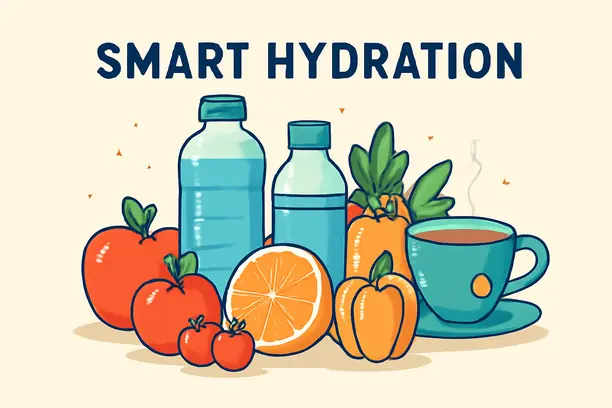
Aim for at least 6–8 cups (1.5–2 liters) of water daily, plus unsweetened teas or fruit-infused water. Instead of sugary drinks, reach for whole fruits or veggies—snap peas, orange slices, or a handful of raw nuts help keep your energy steady between meals.
Safety First: Who Should Avoid This Plan?
- Pregnant or breastfeeding women
- Children and adolescents
- Anyone with a history of eating disorders, diabetes, kidney or liver disease, or those on prescription medications without medical approval
- People dealing with significant unintentional weight loss or chronic illness
Before starting any restrictive diet—even a short-term one like this—talk to a healthcare professional. If you have chronic conditions, skip home detoxes and get personalized advice for safe nutrition changes Source: NHS.
When to Stop the Detox Immediately
Listen to your body. If you experience persistent weakness, intense cravings, mental fog, headaches, dehydration, mood swings, or a racing heartbeat, this plan isn’t working for you. These signs mean it’s time to stop and go back to balanced, familiar meals Source: Mayo Clinic.
What the evidence actually says (quick summary)
Here’s the simple truth: your body already runs a highly efficient detox system—liver, kidneys, skin, and lungs—working around the clock to clear out toxins. No fancy cleanse required.
Scientific reviews show no compelling evidence that detox diets help with weight loss or toxin removal. Any quick weight changes you see during a one-week detox mostly come from water loss and eating fewer calories, not fat loss or real detoxification Source: British Dietetic Association.
Sure, some people report clearer skin or feeling “reset,” but these effects are anecdotal and lack solid scientific backing. Most studies are small and short-term, often funded by companies with products to sell, which raises questions about long-term safety and effectiveness [Descriptive review: NCBI].
For lasting health improvements, the evidence points to a balanced, whole-food diet over quick detox fads. Structured meal planning built around nutrient-rich foods offers a more reliable path to sustainable weight and wellness 7-day diet plan for energy and weight loss.
Bottom line? No detox diet for a week can truly “cleanse” your body. But mindful eating during this time might give you a temporary energy boost and help you build healthier habits. For realistic guidance and recipe support, programs like the Rapid Soup Detox program offer accessible meal plans with satisfaction guarantees.
Safety, contraindications, and medication interactions
Detox diets aren’t safe for everyone. Certain groups should steer clear due to risks like nutritional deficiencies, medication interactions, or health complications.
- Pregnant or breastfeeding individuals: Cutting calories or nutrients can harm both mother and child.
- Children and teenagers: Their growing bodies need consistent calories and nutrients.
- Those with a history of eating disorders: Detox diets can trigger or worsen disordered eating patterns.
- Individuals with uncontrolled diabetes, kidney, or liver disease: Sudden dietary changes can mess with glucose control and electrolyte balance Source: NHS.
Medication interactions are a real concern. Dietary shifts can change how common drugs work:
- Blood thinners (e.g., warfarin): Changes in leafy greens or herbal teas can affect blood clotting.
- Blood pressure meds and diuretics: Sudden fluid or sodium loss might cause dangerously low blood pressure or electrolyte imbalances.
- Diabetes medications/insulin: Restrictive eating can lead to low blood sugar if doses aren’t adjusted Source: CDC.
Always consult a healthcare provider before starting a detox diet, especially if you take prescription medications or manage chronic health conditions.
Red-Flag Symptoms Warranting Immediate Discontinuation
- Fainting, dizziness, or ongoing weakness
- Severe nausea, vomiting, or diarrhea
- Heart palpitations or noticeable heart rate changes
- Confusion, trouble concentrating, or slurred speech
These symptoms might signal dehydration, dangerous electrolyte disturbances, or a medical emergency. Stop the detox immediately and get medical help Source: Mayo Clinic.
The Risks of Crash or Rapid Weight Loss Diets
Using detox diets as quick fixes can promote unhealthy eating habits, cause muscle loss, slow your metabolism, and lead to nutrient deficiencies. These dangers hit hardest for anyone vulnerable to eating disorders or weight cycling.
Prioritize evidence-based, sustainable eating patterns for long-term health instead of extreme short-term restrictions Sustainable diet plans.
Want a shortcut to balanced, ready-made meals that fit your schedule? The 14-Day Rapid Soup Diet provides digital recipes and a step-by-step plan—no guesswork, no complicated prep.
How to evaluate detox products and marketing claims
When you’re checking out detox products or diets, watch for exaggerated promises. Claims like “eliminates all toxins,” “works for everyone,” or “guaranteed cure” are major red flags. No legit product can dramatically change your health or detoxify your body in just days without real scientific proof.
Other warning signs include:
- Missing ingredient lists or dosage details
- “Proprietary blends” that hide specific amounts
- Claims based only on personal testimonials or before-and-after photos
- “Secret ingredients” or vague mentions of ancient recipes
The FDA doesn’t verify dietary supplements before they hit shelves, so the responsibility falls on you to do your homework Source: FDA.
What Trustworthy Supplements or Diet Plans Should Include
- Complete ingredient disclosure with clear dosages
- Explicit directions on usage, duration, and expected effects
- References grounded in peer-reviewed studies or authoritative medical sources Source: Mayo Clinic
- Certification from independent testing groups like USP or NSF
- Honest messaging that clarifies results vary and the product isn’t a substitute for medical care
Reliable detox kits emphasize healthy eating, hydration, and guidance within normal food choices—not quick fixes. For structured detox diet meal plans, make sure they prioritize balanced nutrition, reasonable timeframes, and recommend professional support Detox diet meal plan.
Check out programs like the 14-Day Rapid Soup Diet for evidence-based structured meal planning with digital recipe support and ingredient transparency.
Make sample plans sustainable: adaptions and swaps
You’ve finished a one-week detox—now what? The real goal is transitioning from restrictive plans to balanced, sustainable habits. Think fiber-rich, nutrient-dense meals inspired by Mediterranean eating.
If your detox leaned heavily on juices or low-protein meals, start adding lean protein like grilled chicken, lentils, or eggs to keep you fuller longer and balance your blood sugar Source: Harvard T.H. Chan School of Public Health.
Trade some of those juices for whole-food smoothies blending spinach, berries, oats, and tofu. You’ll get fiber, protein, and slow-release carbs—exactly what dietitians recommend for balanced meals Source: Academy of Nutrition and Dietetics.
- Add fiber-rich snacks: Carrots with hummus, roasted chickpeas, or apple slices with nut butter help stabilize blood sugar and curb hunger.
- Prioritize variety: Rotate vegetables and whole grains using budget-friendly options like frozen spinach, canned beans, brown rice, or whole grain pasta.
- “Mediterranean-ize” meals: Load up on vegetables, olive oil, legumes, fish, and poultry. Cut back on processed snacks and sweets—go for seasonal fruit desserts instead.
Keep it affordable and convenient by using canned or frozen produce. They retain their nutritional value and last longer on the shelf. For dietary restrictions, swap dairy for unsweetened plant milks or try gluten-free grains like quinoa. The Mediterranean diet flexes easily for allergies and preferences Source: National Institutes of Health.
Sample Transition Day Menu
- Breakfast: Greek yogurt (or plant-based alternative) with berries and walnuts
- Snack: Bell pepper slices with hummus
- Lunch: Large salad with leafy greens, chickpeas, avocado, and grilled chicken or fish
- Snack: Whole-grain toast with almond butter
- Dinner: Lentil soup drizzled with olive oil and a side of steamed green beans
These practical meal ideas support your digestion, mood, and energy without leaving you feeling deprived. They focus on evidence-based nutrition rather than unproven detox claims.
Find more Mediterranean meal inspiration and budget-friendly swaps in our guide to Mediterranean eating on a budget.
For an easy, structured transition after your detox week, the 14-Day Rapid Soup Diet provides ready-made soup recipes and gradual reintegration into balanced meals—ideal for keeping momentum after a cleanse.
To build lasting healthy habits, explore the Rapid Soup Detox plan with instant access and a 60-day money-back guarantee.
For ongoing balanced menus, see a sample Mediterranean daily menu or nourishing seasonal vegetable soup recipes.
Want to keep healthy eating simple? Ready-to-eat soups and clear meal plans can save you time and help you stay consistent—even on your busiest days.
Transparency: authorship, evidence grading, and editorial review
Credibility matters when you’re assessing health advice about detox diets. Trusted health information clearly identifies who wrote it and what qualifies them. Typically, you’ll see educational degrees, certifications, or clinical experience—often from registered dietitians, doctors, or trained nutritionists.
Beyond authorship, expert review adds real value. Independent medical professionals like endocrinologists or gastroenterologists may review sections to ensure accuracy and safety, signaling higher-quality information.
Evidence Grading Explained
Understanding how claims are backed helps set realistic expectations:
- Strong evidence: Supported by comprehensive meta-analyses or large randomized controlled trials. Rarely found for detox diets.
- Moderate or weak evidence: Based on small studies, preliminary research, or expert opinion. Common for many diet-based detox approaches.
- Anecdotal or unsupported: Derived from testimonials, user stories, or theoretical ideas without rigorous scientific backing. Not reliable for decision-making.
Look for evidence grading near benefit claims, especially for plans promising rapid weight loss or detoxification results. It’ll help you separate hype from reality.
Note
Main Keyword: detox diet for a week
Meta Description: Curious if a detox diet for a week can actually “cleanse” you? Discover what science (and your body) really says—plus safe, tasty swaps that won’t leave you hangry.
Slug: detox-diet-for-a-week
Affiliate link: https://2ad89bueu44ftltdolqppp4-iw.hop.clickbank.net