How to evaluate menopause diet programs, supplements, and weight‑loss claims
Diet for menopause belly is a topic surrounded by myths and marketing, but finding a plan that actually works—and doesn’t leave you hungry or frustrated—starts with science. The right plan can help minimize belly fat and manage symptoms, but you need to spot false claims before investing your time and effort.
Disclosure: This article contains affiliate links. We may earn a commission at no extra cost to you.
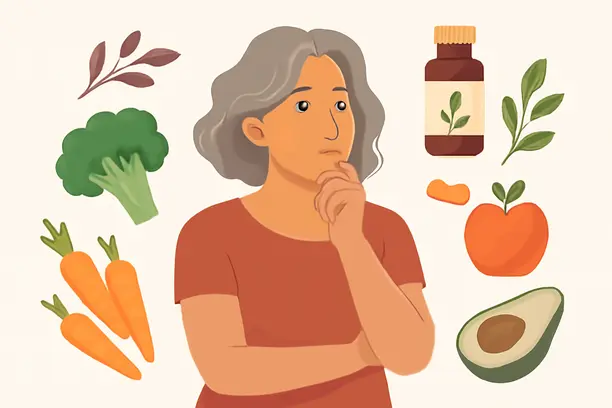
Evaluating diet programs and supplements specifically marketed for menopause-related weight loss requires careful attention to evidence and safety. Many offerings make bold promises of rapid results or “miracle” breakthroughs, but these claims often lack solid scientific support.
To assess programs and products effectively, watch for common warning signs: extreme weight-loss guarantees in just days, heavily edited before-and-after photos, and testimonials without clinical backing. Credible menopause diet plans are transparent about expected outcomes and usually reference research or clinical trials involving perimenopausal or postmenopausal women.
Before trying any supplement or diet plan, ensure:
- There are published clinical trials or high-quality studies specific to midlife women
- The safety profile and potential side effects are clearly disclosed
- Complete ingredient lists, including dosages, are available without hiding behind proprietary blends
- Claims about mechanisms like hormone balancing or metabolism boosting align with current menopause research rather than just marketing
- The program doesn’t rely solely on anecdotal testimonials
- Potential interactions with medications—especially hormone replacement therapy (HRT)—are disclosed
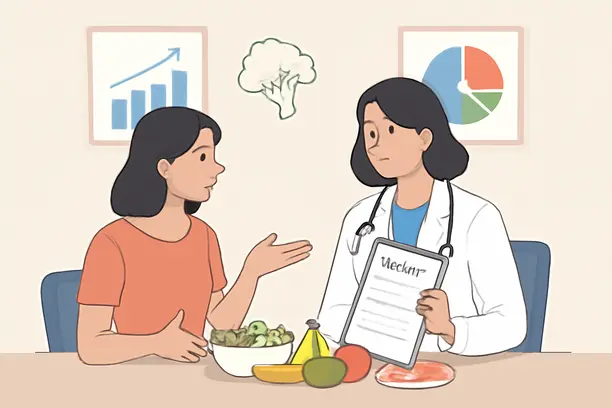
- Consultation with a healthcare professional is encouraged before starting
Herbal or “natural” supplements deserve cautious scrutiny since not all botanical ingredients are safe during menopause, and they may interfere with prescription drugs. Always seek advice from your doctor or pharmacist before beginning new supplements.
For those interested in guided meal plans with transparency and structure, programs like the 14-Day Rapid Soup Diet system provide clear ingredient lists and practical recipes. However, it’s essential to discuss any new diet or supplement with your healthcare provider before starting, especially if you use HRT or have underlying health conditions.
Sustainability also matters. Overly restrictive or complicated plans often fail long term. Look instead for flexible, whole-food–based approaches backed by solid nutrition science, such as the well-studied Mediterranean diet for menopause weight loss, which supports heart, bone, and metabolic health broadly.
In summary, evaluating menopause diet programs and supplements requires critical assessment of scientific backing, ingredient safety, realistic expectations, and professional guidance. Prudent skepticism protects your health and investment.
Medical options and safety: HRT, GLP‑1s, prescription drugs, and interpreting testimonials
Medical treatments like hormone replacement therapy (HRT), GLP‑1 receptor agonists, and other prescription weight-loss drugs can play a role in managing menopause symptoms and body composition changes. However, their use must be individualized, grounded in evidence, and supervised by qualified healthcare providers.
HRT primarily aims to alleviate menopausal symptoms such as hot flashes and sleep disturbances. Some research suggests HRT may also help reduce menopausal abdominal fat, but it carries risks including increased chances of blood clots, stroke, and certain cancers. These risks depend on factors like age, timing since menopause onset, personal and family medical history, and the method of hormone delivery.
If you’re considering HRT to support weight or metabolic health, discuss in detail with your healthcare provider to weigh benefits and risks carefully (Source: NHS).
GLP‑1 receptor agonists, such as semaglutide, are prescription drugs originally developed to treat type 2 diabetes but now approved in some regions for weight management. These medications reduce appetite and slow digestion, resulting in significant weight loss in some cases.
However, for menopausal women, long-term safety data, effects on menopause-specific symptoms, and potential side effects like nausea or digestive issues are still under study. Use of GLP‑1s requires close medical supervision and isn’t suitable for everyone (Source: FDA).
Importantly, no medication or medical therapy replaces the foundation of healthy eating, physical activity, and balanced lifestyle habits for midlife weight management. Treatments like HRT or GLP‑1s should be viewed as adjuncts, added only after thorough clinical assessment and ongoing monitoring.
When evaluating testimonials and success stories about these therapies, keep in mind that individual experiences vary widely. Anecdotes may highlight exceptional outcomes but don’t represent average results or guarantee similar benefits. Look instead for data from peer-reviewed research or large clinical trials and discuss options with your clinician.
For those seeking straightforward meal strategies alongside medical options, programs like the 14-Day Rapid Soup Diet offer simple, low-prep meals that can complement lifestyle changes in managing menopause belly fat. Always verify that any diet or treatment plan suits your individual needs through professional guidance.
In summary, HRT, GLP‑1s, and prescription weight-loss drugs may support midlife weight and symptom management but demand personalized medical evaluation, consideration of contraindications, and clear, realistic expectations. Never start or adjust these therapies without healthcare supervision.
Tailoring diet and weight plans if you have diabetes, heart disease or osteoporosis
If you’re managing diabetes, heart disease, or osteoporosis, a generic menopause belly diet may not cut it. Your health needs are unique, and your plan should reflect that for safe, lasting results.
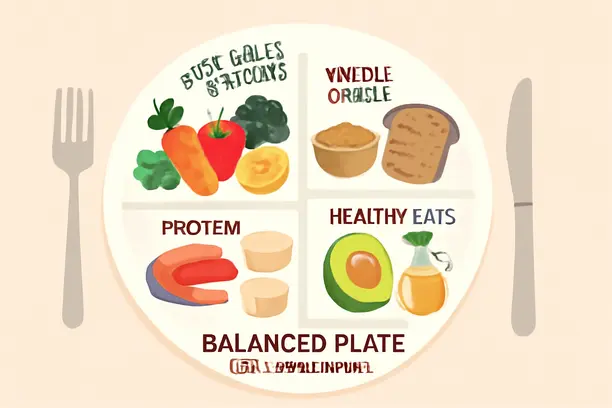
If you have diabetes, steady blood sugar control is paramount. Prioritize high-quality carbohydrates such as whole grains, legumes, and colorful vegetables, consumed in smaller, evenly spaced portions paired with protein and healthy fats.
Consistent meal timing helps regulate blood glucose, but any diet changes may require medication adjustment under medical supervision. Focused meal planning and portion awareness promote safety and sustainable weight management. Explore our guide on choosing the right diet for your body’s needs for practical tips.
If heart disease is a concern, dietary adjustments should emphasize unsaturated fats (olive oil, nuts, fatty fish), lean proteins like poultry and legumes, and reducing sodium by using herbs and spices rather than salt. Minimizing added sugars and processed foods is critical given the elevated cardiovascular risk after menopause.
Evidence supports Mediterranean and DASH-style diets rich in antioxidants and fiber to improve heart health and potentially reduce menopausal weight gain (Source: American Heart Association).
For osteoporosis risk, ensure adequate calcium, vitamin D, protein, and weight-bearing exercise. Include calcium-rich foods like low-fat dairy, fortified plant milks, leafy greens, and fish with edible bones.
Because dietary vitamin D is often insufficient, supplementation may be recommended after physician evaluation. Resistance training and activities like brisk walking help maintain bone density through and after menopause (Source: NIH Osteoporosis and Menopause). Sample meal plans aligned with these needs can be found in our Mediterranean diet for menopause weight loss guide.
If you manage one or more of these conditions, work closely with your healthcare team before starting new diets or exercises. Coordination ensures safe medication management, prevents complications, and maximizes benefits for both your chronic conditions and menopause belly goals.
For a flexible, ready-made protocol suitable for busy adults with complex health needs, the 14-Day Rapid Soup Diet offers step-by-step meal plans that avoid complicated preparation or strenuous exercise demands, supporting manageable weight and health improvements during midlife.
Before initiating any major diet changes, always discuss your plan with your clinician—this is especially important if you take medications or have multiple health concerns.
Gut health and the menopause belly: practical, evidence‑linked steps
Supporting gut health is a promising, practical avenue to help manage menopause belly, but not all trendy claims hold up under scientific scrutiny. Research indicates that the diversity of gut bacteria may decline during and after menopause, potentially influencing fat storage and systemic inflammation.
Rather than chasing expensive probiotic supplements or quick cleanses, adopt evidence-based, gradual dietary adjustments:
- Diversify plant foods. Aim for 20 to 30 different fruits, vegetables, legumes, whole grains, nuts, and seeds weekly to provide various fiber types that nourish beneficial gut microbes.
- Increase soluble fiber gently. Foods like oats, barley, flaxseed, chia seeds, beans, and lentils slow digestion and foster healthy bacteria growth. Increase intake slowly (2–3 grams per day) to avoid bloating or cramps, allowing your system to adapt.
- Include fermented foods. Plain yogurt (dairy or plant-based), kefir, sauerkraut, kimchi, and miso introduce live cultures if you tolerate them well—though not all fermented foods deliver high probiotic content.
If you experience increased bloating or digestive discomfort that doesn’t resolve, reduce new food intake and consult a registered dietitian or physician. Adjustments should suit your individual tolerance and timing.
Enhancing gut health complements but doesn’t replace foundational strategies like balanced calories, regular physical activity, and whole-food diets for managing midlife weight.
A stepwise, gut-friendly meal approach, such as the low-prep 14-Day Rapid Soup Diet, can increase plant variety and fiber gently while easing digestion—offering convenient support for menopause belly management.
For more ideas on adding plants and fiber without digestive upset, see our tips on simple plant-based meals rich in veggies and legumes and adding fiber without discomfort.
Since your menopause journey is unique, taking a patient and evidence-aware approach to gut health lays a solid foundation for sustainable results.
For longer-term insights into balanced eating after 50, explore our guide on healthy eating for women over 50.
Staying patient and consistent with these gut-friendly changes is often the missing link for women struggling with stubborn belly fat. If you’ve ever wondered why “just eating less” isn’t working, your gut may hold the answer.
Mental health, emotional eating, and body image: behavioral strategies that support weight goals
Menopause often brings mood swings, anxiety, and disrupted sleep—each a documented trigger for emotional eating or difficulty sticking to weight management efforts. Fluctuations in estrogen can affect brain regions controlling appetite and reward, leading many women to eat in response to stress or emotions rather than physical hunger (Source: NCBI).
Awareness is key. When cravings arise, pause and ask yourself if you’re physically hungry or emotionally triggered. This mindfulness can break automatic snacking cycles that undermine progress.
Science-Backed Strategies for Managing Cravings and Negative Emotions
- Plan meals and snacks in advance: Having healthy options prepared reduces impulsive eating. Structured meal plans, like the 14-Day Rapid Soup Diet, provide quick, filling meals to curb emotional snacking.
- Modify your environment: Keep ultra-processed temptations out of sight while positioning fresh fruits, chopped vegetables, and ready-to-eat soups front and center. Establish non-food coping zones, such as a reading nook or calming music playlist, to redirect emotional urges.
- Practice brief mindfulness: One-minute deep breathing before eating or tuning into bodily sensations can reduce emotional eating. Mindfulness training helps many women discern true hunger from emotion-driven cravings, aiding weight management (Source: NCBI).
Try “habit stacking”: attach small new behaviors, like sipping herbal tea or light stretching, onto current routines to build positive momentum and reinforce identity change (strong mental diet habits).
Body Image, Motivation, and Non-Scale Victories
Menopause-related body changes can cause frustration, especially since fat tends to shift centrally. Relying solely on weight or waist measurements may demotivate if progress appears slow.
Instead, track non-scale victories such as better energy, improved sleep, fewer hot flashes, or consistent adherence to your meal plan.
Set simple, actionable goals—like walking 10 minutes after lunch or choosing vegetable snacks twice weekly (diet motivation strategies). These attainable steps reinforce success and shift focus from scale numbers to positive behavior.
If emotional eating or body dissatisfaction cause significant distress, cognitive behavioral therapy (CBT) can help reshape unhelpful thoughts and behaviors. Research supports CBT’s effectiveness in reducing binge episodes and improving weight satisfaction in menopausal women (Source: NCBI).
Integrating Mental Health into Your Diet for Menopause Belly Plan
Good mental health is foundational—not optional—for lasting success. Track eating triggers, mood changes, and hunger cues through journaling or apps. Self-reflection uncovers patterns and guides proactive strategies.
Combine these approaches for best results:
- Consume balanced, satisfying meals rich in protein and fiber, such as soups, to stabilize appetite and prevent cravings
- Maintain a consistent sleep-wake schedule, as quality rest regulates hunger hormones and lowers stress
- Link new healthy habits with existing routines (habit stacking) to reinforce positive change and ease adherence
Celebrate gains beyond weight loss, including emotional wellbeing and control over eating habits. If you prefer guided support, the 14-Day Rapid Soup Diet program integrates meal planning with psychological tools to address cravings and promote sustainable belly fat loss.
Evidence, realistic expectations, and evaluating popular diets (Galveston, fasting, macros)
Finding a reliable diet for menopause belly means filtering through flashy claims and marketing hype. Popular options include Mediterranean-style eating, intermittent fasting, and branded programs like the Galveston Diet—all with varying degrees of scientific support.
Mediterranean diets have the strongest evidence base for midlife women. They correlate with lower waist circumference, reduced visceral fat, improved cardiovascular health, and stable blood sugar levels.
This pattern emphasizes plant foods, olive oil, lean proteins (especially fish), and minimal ultra-processed foods. Long-term studies observe that menopausal women following Mediterranean diets tend to gain less weight overall, though individual outcomes vary (Source: NHLBI).
Higher protein intake from eggs, legumes, fish, and lean poultry may help offset muscle loss and support metabolism during menopause, aiding weight maintenance and satiety (Source: NCBI).
Intermittent fasting—such as 16:8 or 5:2 protocols—gains popularity. Some small studies suggest potential benefits for weight control, insulin sensitivity, and inflammation. However, much of the research is preliminary and extrapolated from younger, male, or animal populations.
Effects specifically on menopause belly fat and symptoms remain inconclusive. Consult healthcare providers before trying, as fasting may exacerbate mood or energy issues.
The Galveston Diet combines anti-inflammatory food principles, intermittent fasting, and macronutrient balance tailored to menopause. While its components align with general nutrition science, the program itself lacks large-scale, peer-reviewed trials specific to menopausal women, making it difficult to assess its unique effectiveness beyond standard healthy eating patterns.
Mini-FAQ: Diet for Menopause Belly
Can you target belly fat during menopause with specific foods?
No single food will specifically eliminate menopause belly, but diets emphasizing whole, minimally processed foods, lean proteins, and high fiber—like the Mediterranean diet—help reduce overall body fat and support metabolic health. Consistency is key.
Is rapid weight loss safe during menopause?
Rapid weight loss is generally not recommended, especially during menopause, as it can exacerbate muscle and bone loss. A gradual, steady approach is safer and more sustainable, supporting energy, mood, and body composition in the long run.
Do supplement pills or powders work for menopause belly fat?
Most supplements promising menopause belly fat reduction lack strong scientific evidence and may carry risks. Focus on proven diet and lifestyle habits, and consult your healthcare provider before considering any supplement.