
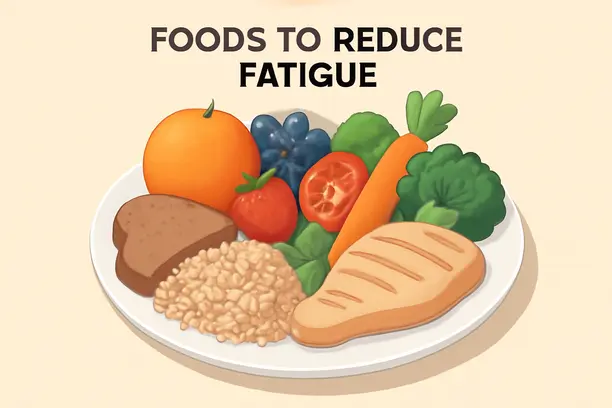
Types of fatigue, red flags, and when to see a clinician
Diet to reduce fatigue is a phrase you see everywhere, but the truth is, if you’re searching for it, you’re likely tired of feeling exhausted for no clear reason. What if a few small tweaks could help you wake up with more energy—without turning your life upside down?
Disclosure: This article contains affiliate links. We may earn a commission at no extra cost to you.
Fatigue isn’t always just “feeling tired.” Understanding what type you’re dealing with is essential when you’re looking for a diet to reduce fatigue or trying to figure out if something more serious is happening.
Main types of fatigue
- Acute fatigue: Lasts days to weeks, usually from obvious triggers like poor sleep, stress, overwork, or a recent illness. Often improves with rest and simple lifestyle adjustments.
- Chronic fatigue: Sticks around for more than a month despite getting enough sleep. May signal underlying issues like thyroid problems, depression, or nutrient shortfalls.
- Sudden, severe fatigue: Hits hard and fast, sometimes with worrying symptoms—this one needs immediate attention.
Common reversible causes
- Irregular or insufficient sleep
- Poor diet, dehydration, too much caffeine or alcohol
- Unmanaged stress or burnout
- Recent illness or infection
- Iron-deficiency anemia or low vitamin B12
- Blood sugar swings, especially with quick diet changes
If your fatigue matches one of these, start by fine-tuning your sleep, stress levels, and what you eat. For practical ways to adjust your daily eating habits to support energy, check out our evidence-based nutrition guide.
Red flags—when tiredness is a medical emergency
- Chest pain, tightness, or irregular heartbeat
- Shortness of breath while resting
- Severe headache, dizziness, or fainting
- Leg swelling or unexplained pain
- Confusion or sudden trouble speaking
- New, unexplained weight loss or night sweats
- Crushing fatigue that appears out of nowhere and disrupts daily life
Any of these symptoms means you need urgent medical care. They could point to serious heart, lung, metabolic, or infectious conditions Source: Mayo Clinic.
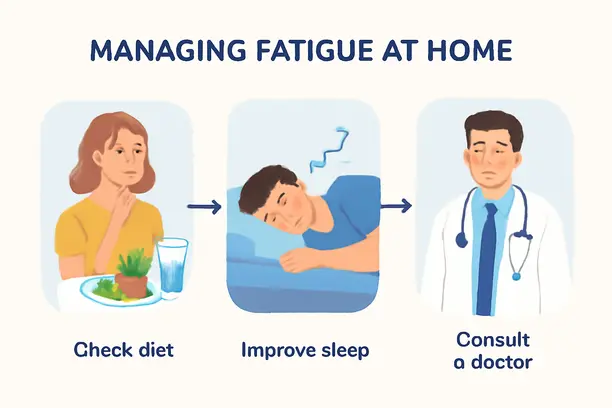
Simple flowchart: manage at home or see a doctor?
- Fatigue is mild, has a clear cause (like lack of sleep or recent illness), and goes away within two weeks: Self-management makes sense—focus on better sleep, nutrition, gentle movement, and hydration. If your routine feels stale or your meals lack variety, consider a short-term reset like the 14-Day Rapid Soup Diet program for a focused energy boost.
- Fatigue lasting more than 2–4 weeks, with no obvious reason, getting worse, or accompanied by red flags: Book an appointment with your doctor. They may test for anemia, thyroid issues, diabetes, or sleep disorders Source: NHS.
- If you have chronic conditions like heart disease, diabetes, or autoimmune disorders, and your tiredness suddenly changes: Don’t self-manage—contact your healthcare team right away.
A dietary shift can support recovery when fatigue is straightforward. For a quick-start approach designed for busy adults, the Rapid Soup Detox system offers ready-made meal plans and targeted recipes that help regulate energy and fullness.
But here’s the thing: diets—even those promising fast results—can’t replace medical care when fatigue is persistent, unexplained, or severe. Knowing when to escalate is just as important as what’s on your plate.
What the evidence actually shows: nutrients, foods, and strength of proof
How strong is the evidence? Fatigue-fighting foods and nutrients, ranked
Not all dietary strategies for reducing fatigue have the same scientific backing. Some benefits are rock-solid, others are promising but less certain, and some need a lot more research. Here’s a clear breakdown for a diet to reduce fatigue:
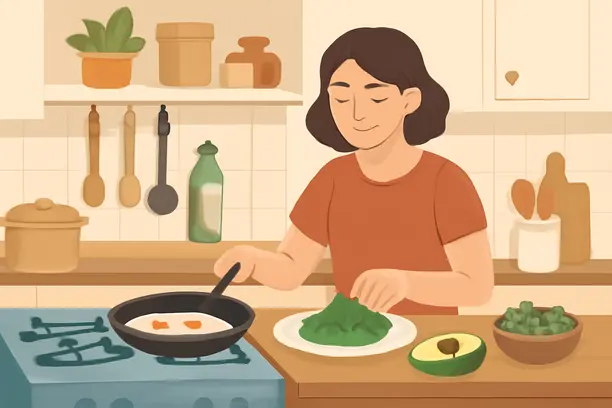
- Convincing evidence: Fixing iron and vitamin B12 deficiencies, plus staying hydrated, genuinely improve energy and reduce fatigue—especially if you’re deficient to start with. Eating whole grains, legumes, lean proteins, vegetables, and fruits supports steady energy throughout the day (Harvard T.H. Chan School of Public Health).
- Moderate evidence: Diets that minimize ultra-processed foods and added sugars, while including healthy fats like olive oil and omega-3-rich fish, may lower inflammation-related fatigue and benefit long-term mood and energy. Results vary across studies, though (NCBI).
- Emerging or mixed evidence: Claims about “superfoods,” detox diets, intermittent fasting, or specialized supplements often rely on limited trials or only apply to certain groups. These might help some people but lack universal, high-grade support (NHS guidance).
Key nutrients for energy: practical tips
- Iron: Low iron is a major, fixable cause of tiredness—especially for menstruating women, vegans/vegetarians, and heavy exercisers. Include red meat, beans, lentils, spinach, or fortified cereals regularly. Pair with vitamin C-rich foods like citrus or bell peppers to boost absorption.
- Vitamin B12: Deficiency causes lingering fatigue. B12 is mainly in animal products, so strict vegetarians should consider fortified foods or supplements after talking to a healthcare provider.
- Hydration: Even mild dehydration can trigger fatigue. Drink water throughout the day—by the time you’re thirsty, you’re often already a bit dehydrated.
Balanced diet patterns: what actually works?
No single food wipes out tiredness, but meals rich in unprocessed starchy foods, quality proteins, colorful produce, and healthy fats consistently support energy and wellbeing. Mediterranean-style diets, for example, are linked to less fatigue and better mental resilience compared to heavily processed eating (Mediterranean diet evidence).
If you want easier meal structures without rigid rules, options like the 14-Day Rapid Soup Diet offer ready-made plans focused on nutrient-rich soups for fullness, hydration, and simplicity.
Addressing deficiencies without blanket bans
If fatigue won’t quit, testing for iron or B12 shortfalls is essential before you overhaul your entire diet. You usually don’t need to cut whole food groups unless medically necessary. Focus on adding key nutrients and trimming ultra-processed items.
For ideas on balanced, energy-sustaining meals, explore nutritious budget-friendly meals or our easy home-cooked energy-supporting dishes.
Quick-glance chart: fatigue-fighting dietary approaches
- Grade A (strong evidence): Correcting iron or B12 deficiency; eating balanced, mostly unprocessed meals; staying hydrated.
- Grade B (solid but not universal): Mediterranean, DASH, or similar diets emphasizing plants, fish, beans, and healthy fats.
- Grade C (emerging or specific): Detox diets, intermittent fasting, or “energy-boost” supplements—evidence is still mixed.
Bottom line: the best diet to reduce fatigue focuses on repairing deficiencies and building nutrient-dense meals rather than strict exclusions. For easy-to-follow structure, check out the soup-based meal plan designed for energy support.
When you’re ready for a shortcut to balanced, fatigue-fighting meals, a done-for-you plan helps you stay on track even on your busiest days.
Practical meal plans and low-effort swaps for older adults, ME/CFS, and plant-based diets
Realistic meal plans for fatigue: calorie-dense options for older adults
When fatigue and low appetite strike—especially in older adults—focusing on calorie- and nutrient-dense meals helps maintain energy and health. Meals rich in healthy fats, protein, and with softer textures accommodate chewing or swallowing difficulties.
- Soft scrambled eggs with avocado toast: High in protein and healthy fats, quick to make, easy to chew.
- Full-fat Greek yogurt with honey, berries, and ground flaxseed: Creamy, protein-packed, omega-3-rich, gentle on digestion.
- Cheese with whole-grain crackers or nut butters on soft bread: Energy-dense snacks with almost no prep.
- Creamy soups enriched with olive oil, full-fat cream, blended beans, lentils, or soft tofu: Easy to sip and hydrating, you can make these calorie-rich and they suit anyone struggling with solids—fits well into a calorie-conscious nourishing routine.
Batch cooking soups, stews, or casseroles in large portions means you’ve got nourishing meals ready on low-energy days.
Ultra-simple meal ideas for ME/CFS and high fatigue days
For anyone dealing with ME/CFS or fatigue where cooking feels like climbing a mountain, “assemble-not-cook” methods and energy-efficient appliances like microwaves or blenders are lifesavers. Use minimal chopping and ready-to-eat ingredients:
- Canned beans or fish (salmon, sardines) tossed with olive oil on pre-washed greens
- Microwaved baked potato topped with cottage cheese, nuts, or tahini
- Instant oatmeal with nut butter, seeds, and fruit
- Smoothies blending frozen berries, greens, protein powder, and plant or dairy milk
- Whole-grain wraps with hummus and shredded pre-cooked chicken or roasted chickpeas
Stock frozen pre-cut vegetables, ready rice/quinoa pouches, and washed baby carrots to simplify meal prep. Keep small, portable snack options like cheese, boiled eggs, nuts, and fruit nearby. For more inspiration, see our monthly healthy meals roundup.
Nutrient-savvy swaps for plant-based, vegetarian, and vegan diets
Plant-based diets can increase fatigue risk if you miss key nutrients. Cover common gaps with simple swaps:
- Swap white rice for quinoa or barley: Adds fiber and protein for steady energy.
- Replace regular pasta with lentil or chickpea pasta: Boosts iron, zinc, and protein.
- Choose soy, hemp, or pea protein milks over almond or rice milk: Higher protein and, if fortified, extra B12 and calcium.
- Add pumpkin seeds, walnuts, and chia seeds to oats or salads: Provides iron, magnesium, and omega-3s.
Pair vitamin C-rich foods like citrus or red pepper with iron sources to improve absorption. A daily B12 supplement is advisable since plant foods lack natural B12 Source: Academy of Nutrition and Dietetics. For detailed plans, refer to our successful vegan diet plan guide.
Six low-effort snacks to curb fatigue in any diet
- Nut butter on apple or banana slices
- String cheese or hard-boiled eggs
- Roasted edamame or chickpeas (grab pre-roasted for zero prep)
- Single-serve Greek or soy yogurt tubs
- Mini pita with hummus and carrot sticks
- Energy bites made with oats, nut butter, and seeds (store-bought or homemade)
Keep portable, shelf-stable options around for days when fatigue limits activity. For more protein-focused snacks, explore our favorite nutritious snack options for energy.
Smart eating when energy or appetite is limited
For those struggling with appetite or the motivation to eat, try these strategies:
- Eat small, frequent meals and snacks—no pressure to finish large portions.
- Choose calorie-dense, nutrient-rich foods in smaller volumes.
- Make meals visually appealing with seeds, herbs, or colorful veggies to stimulate appetite.
- Opt for easy-to-chew foods like puddings, smoothies, soft grains, and creamy soups.
- Rely on pre-prepped foods like washed greens, peeled carrots, rotisserie chicken, or premade soups.
Some people benefit from a small, palatable soup before meals to gently stimulate appetite and hydrate Source: NIA. For structured fatigue-friendly meal routines, the 14-Day Rapid Soup Diet offers easy plans rich in energy and focused on simple soups—ideal for older adults, low-activity individuals, or anyone facing energy dips.
Addressing meal prep fatigue and chewing difficulties
Conditions like ME/CFS, dental issues, or post-illness fatigue call for creative adaptations:
- Break meal prep into small steps: batch-prep vegetables, thaw or soak ingredients earlier, or get help from family or friends with batch cooking.
- Use blenders to convert stews, casseroles, or stir-fries into soft, spoonable textures.
- Consider protein powders or nutritional shakes (with vitamins B12, D, and iron) as occasional meal substitutes.
- Keep a stock of healthy ready-to-eat groceries like pre-packed salads, cooked grains, or frozen meals.
Eating with others can boost appetite and reduce mealtime fatigue. When eating alone, try listening to calming music or a favorite podcast to make meals more enjoyable.