
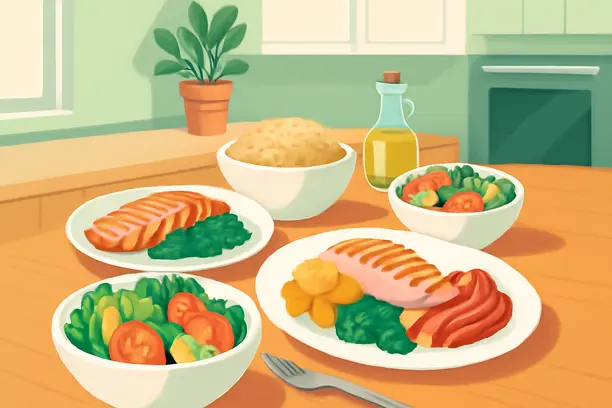
What qualifies as a ‘low-calorie’ meal
Easy low calorie meals are meals that actually fill you up—without bland flavors or endless prep. What if you could enjoy real food, lose weight, and never feel deprived?

Disclosure: This article contains affiliate links. We may earn a commission at no extra cost to you.
A “low-calorie” meal helps reduce overall calorie intake while delivering balanced nutrition to support health and sustainable weight loss. It’s not just about eating less—it’s about eating smarter.
According to CDC guidelines, a low-calorie meal for adults typically contains:
- 300–450 calories for breakfast;
- 350–600 calories for lunch or dinner, depending on your daily energy needs.
But calories alone don’t tell the whole story. Here’s what else should be on your plate:
- At least 15–25 grams of protein per meal to preserve muscle and keep you full longer;
- A minimum of 5 grams of fiber from vegetables, whole grains, or legumes for digestion and satiety;
- Moderate amounts of healthy fats like olive oil, nuts, avocado, or fatty fish;
- Low levels of added sugars and minimal refined starches.
Here’s the thing: cutting calories without maintaining nutrient balance can backfire. You might feel tired, lose muscle, or hit a plateau.
Meals that balance macronutrients help control hunger and keep your metabolism humming. Your personal calorie target will vary based on age, sex, and activity level, so it’s worth consulting trusted dietary guidelines or using a reputable calculator to dial in your plan.
Low-calorie eating doesn’t have to be boring or restrictive. Lean proteins, colorful vegetables, and healthy fats can create meals that taste great and keep you satisfied.
For more ideas on affordable, balanced meals that the whole family will enjoy, check out affordable healthy family dinners designed to fit diverse tastes and budgets.
If you prefer structured meal plans with daily guidance, the Mediterranean Diet 30-Day Challenge offers pre-built menus full of variety and flavor—all rooted in these nutritional principles.
Portion control and fitting recipes into daily calorie targets
Portion control is the secret to making easy low-calorie meals work within your daily calorie goals—whether you’re aiming for 1200, 1500, or 1800 calories a day.
It’s more effective to adjust serving sizes and frequency than to obsess over every single bite.
Visual cues make portioning simpler without complicated measures. Think of it this way:
- A palm-sized portion of lean protein;
- A fist-sized serving of whole grains;
- Two open hands of leafy or non-starchy vegetables.
Once you understand the calories per serving in your recipes, you can scale them to fit your individual needs:
- 1200 calories/day: Aim for about 300 calories per meal and 300 calories divided among snacks. Focus on simple dishes like veggie omelets or grilled chicken salads, and halve larger recipes if needed.
- 1500 calories/day: Target roughly 400 calories per meal, reserving 300 for snacks. You can add a bit more grain or healthy fat, but keep oils and cheeses modest.
- 1800 calories/day: Each meal can be around 500 calories, allowing fuller portions with extras like nuts, whole grain bread, or extra beans.
When eating out or serving family-style, use your hands and the plate division method. Fill half your plate with non-starchy vegetables to lower calorie density, and use smaller plates to naturally encourage appropriate portions.
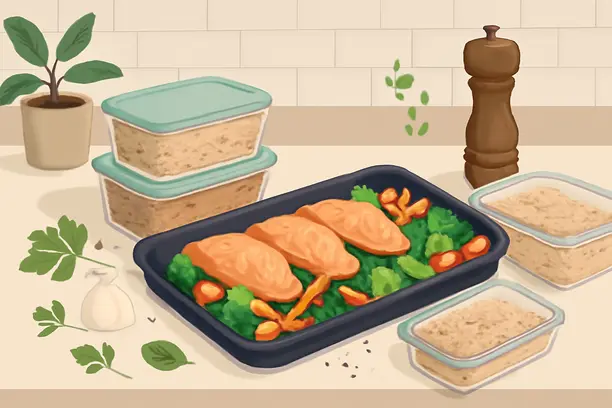
Pre-portioning meals in containers is a game-changer for grab-and-go convenience. It also helps you manage snacks more mindfully.
Remember, calorie needs fluctuate daily depending on stress and activity. Aim for consistency and flexibility rather than perfection.
If you want to skip the calorie math entirely, programs like the Mediterranean Diet 30-Day Challenge provide precise recipes with built-in portion guidance, so you can relax and enjoy your meals.
Mastering portion control transforms low-calorie eating from a temporary fix into a natural lifestyle habit—one that keeps you satisfied and on track for the long haul.
Nutrition context: fiber, sodium, macros and simple swaps
Why Fiber and Sodium Matter in Easy Low Calorie Meals
It’s easy to fixate on calories and protein, but fiber and sodium deserve just as much attention in a healthy low-calorie diet.
Fiber—found in whole grains, fruits, vegetables, and legumes—adds bulk to meals so you feel fuller on fewer calories. It supports digestion, stabilizes blood sugar, and may even reduce cholesterol.
Most adults should aim for 25–30 grams of fiber daily, yet many fall short. Simple swaps like lentils instead of white rice can make a real difference.
On the flip side, excess sodium lurks in processed and convenience foods, increasing the risk of high blood pressure and cardiovascular disease. To keep sodium in check, prioritize fresh, whole foods and flavor your dishes with herbs and spices instead of salt.
Focusing on Macros: It’s Not Just Protein
Protein is important, but a balanced meal also includes healthy carbs and fats. Skimp on carbs and you’ll feel sluggish; skip healthy fats and you miss out on essential nutrients and flavor.
Aim for:
- Lean proteins such as fish, poultry, eggs, beans, or tofu;
- Whole-food carbohydrates like vegetables, fruits, whole grains, and legumes;
- Healthy fats from extra-virgin olive oil, seeds, fatty fish, or avocado.
Simple swaps can boost nutrition without added hassle. Try whole-grain bread and extra veggies in sandwiches, low-sodium soy sauce and fresh vegetables in stir-fries, or roasted chickpeas instead of chips for snacks.
Quick Label Checklist: Read Beyond the Calories
- Check for at least 3 grams of fiber per serving, especially in breads and snacks;
- Keep sodium under 400 mg per meal and be wary of “reduced sodium” claims;
- Look for short ingredient lists focusing on whole foods;
- Minimize added sugars, especially in sauces and ready-to-eat meals;
- Ensure balanced macro ratios for steady energy and lasting fullness.
When you choose ingredients wisely and read nutrition labels carefully, you’ll turn low-calorie eating into nourishing, satisfying fuel.
For ongoing support, the Mediterranean Diet 30-Day Challenge features nutrient-optimized recipes with clear sodium and fiber guidance. It’s a practical way to learn by doing—and feel the benefits every day.
Keep these food swaps and label tips handy, and you’ll find yourself making healthier low-calorie choices almost automatically.
Favorite easy low calorie meals for women over 40
Women over 40 often want easy low calorie meals that pack nutrition, manage hunger, and support hormones. Here are meal ideas that meet those goals:
- Greek Yogurt Power Bowls: Nonfat Greek yogurt topped with berries, chia seeds, and a sprinkle of chopped walnuts—protein-rich, filling, and customizable.
- Sheet Pan Salmon & Veggies: Salmon fillets, broccoli, bell pepper, and zucchini roasted in olive oil. Ready in 30 minutes, loaded with omega-3s and fiber.
- Egg White Veggie Frittata: Whisked egg whites, spinach, tomatoes, mushrooms, and feta, baked till golden. Add a side of fresh fruit or whole-grain toast.
- Lentil & Spinach Soup: Lentils, spinach, carrots, onions, and garlic simmered with spices—a one-pot meal high in plant protein and iron.
- Chicken & Quinoa Salad: Grilled chicken breast tossed with cooked quinoa, cherry tomatoes, cucumber, and lemon vinaigrette. Perfect for meal prep lunches.
- Turkey Lettuce Wraps: Ground turkey sautéed with bell peppers, onions, water chestnuts, and Asian spices, served in crisp romaine leaves.
These recipes fit well into 350–500 calories per meal, deliver high protein and fiber, and are fast to prepare.
Batch cooking grains or proteins ahead of time can help you assemble these meals in minutes. Swap ingredients freely based on what’s in season or on sale.
If you want more Mediterranean-inspired recipes, explore our guide to healthy Mediterranean diet recipes for flavorful, heart-healthy options.
Easiest meal prep hacks that don’t taste “diet”
Easy low calorie meals shouldn’t feel like a punishment—meal prep can be quick, satisfying, and deeply flavorful with a few tricks:
- One-pan meals: Roasting proteins and veggies together infuses maximum flavor and makes cleanup a breeze.
- Batch cooking starches: Cook brown rice, quinoa, or sweet potatoes ahead. Portion and store in the fridge for mix-and-match meals.
- Stock up on spice blends: Cajun, Italian, or Mediterranean blends add taste without calories or sodium.
- Marinate proteins in citrus and herbs: Lemon, lime, garlic, and fresh herbs brighten flavors without extra oil.
- Lean on pre-cut produce: Bagged greens and spiralized veggies make salads and stir-fries a snap after work.
- Use flavorful low-calorie condiments: Salsa, mustard, and hot sauce provide zing without sugar or fat.
Prepping snacks—like hard-boiled eggs, Greek yogurt, cottage cheese, or roasted chickpeas—means you always have something healthy to grab when cravings strike.
You don’t have to sacrifice taste for calories. With a little planning, you’ll find yourself looking forward to meals—never dreading them.
For more meal prep tips, see our collection of healthy meals on a budget you can prep quickly and enjoy all week.
Why low-calorie isn’t the same as rabbit food (and how to stay full)
Eating low calorie doesn’t mean resigning yourself to a plate of lettuce and carrot sticks. Sustainable low-calorie eating is about satisfaction, variety, and flavor—so you never feel deprived.
The best easy low calorie meals feature:
- Volume from veggies: Roasting or grilling broccoli, peppers, mushrooms, and greens brings out flavor and fills your plate for few calories.
- Protein and fiber combo: Pairing lean protein with fiber ensures steady energy and keeps snacking at bay.
- Smart fat choices: A teaspoon of olive oil or a sprinkle of nuts satisfies your palate and extends satiety.
- Bold seasonings: Spices, herbs, lemon, vinegar, and salsas add tons of flavor for minimal calories.
Pay attention to the “fullness factor.” Slow-cooked soups, hearty salads, and veggie-rich stir-fries are more satisfying than tiny portions of processed food—even if both have the same calorie count.
Meal variety and food satisfaction are secret weapons for adherence, especially for women over 40 managing metabolism changes and hormone shifts.
Don’t shy away from grains or healthy fats—a little bit goes a long way in flavor and helps you stay on track.
For more advice on mastering fullness and cravings, read how to feel full on a calorie deficit, or browse easy recipes for healthy family meals with plenty of variety.
Mini-FAQ: Key Questions About Easy Low Calorie Meals
How can I make easy low calorie meals more filling?
Focus on high-volume, low-calorie foods like leafy greens, cruciferous vegetables, broth-based soups, and add lean proteins or beans to boost satiety. Including some healthy fat, like avocado or olive oil, also extends fullness and flavor without overloading calories.
What are budget-friendly protein choices for low calorie meals?
Eggs, canned tuna, plain Greek yogurt, beans, lentils, cottage cheese, and rotisserie chicken are all affordable, high-protein options that work well in low-calorie recipes. Buy in bulk or on sale, and prep extra portions for quick lunches or snacks.
How do I stay motivated to eat healthy without getting bored?
Keep meals interesting by rotating different cuisines (Mediterranean, Mexican, Asian), experimenting with new spice blends, repurposing leftovers creatively, and occasionally trying a new recipe. Small changes in flavors and textures keep healthy eating from feeling stale.