Sex- and age-specific nutrient needs
Healthy eating for women over 50 is all about adapting your diet to support stronger bones, a sharper mind, and a healthier gut—since your body’s needs naturally change after midlife.
Disclosure: This article contains affiliate links. We may earn a commission at no extra cost to you.
You want to feel strong, energized, and healthy as you age—but your body’s needs shift after 50, and what worked in your 30s may not cut it anymore.
If you’re wondering how to eat well without overcomplicating your life, you’re in the right place.
As women enter their fifties, nutritional priorities shift to reflect unique biological changes. Post-menopause, estrogen levels drop significantly, accelerating bone loss and making osteoporosis prevention essential.
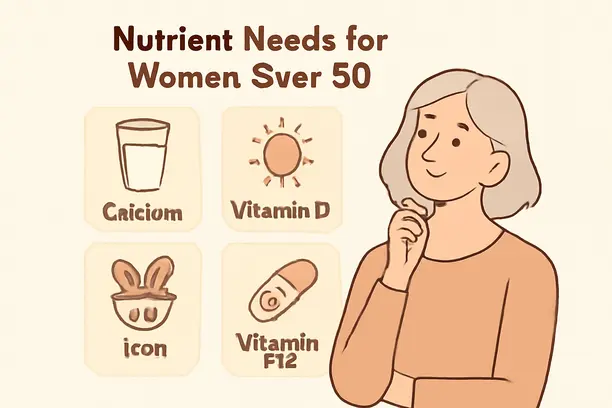
Women over 50 typically need at least 1,200 mg of calcium and 600–800 IU of vitamin D daily—often more than men of the same age, who usually require around 1,000 mg of calcium unless otherwise specified Source: National Institute of Arthritis and Musculoskeletal and Skin Diseases.
Iron requirements tell a different story. After menopause, women’s iron needs drop dramatically to about 8 mg per day, aligning with men’s requirements at this age.
Before menopause, women typically need 18 mg daily due to menstrual losses. But here’s the thing: excess iron supplementation after menopause can actually be harmful without documented deficiency, so monitoring intake matters Source: NIH Office of Dietary Supplements.
Vitamin B12 absorption declines with age for everyone, but older women may be particularly susceptible to deficiency due to reduced stomach acid production.
Regular screening for B12 status is advisable, especially if you’re experiencing fatigue, cognitive difficulties, or neurological sensations. Since B12 is predominantly found in animal-based foods, vegetarians and vegans should be especially vigilant.
Cardiovascular health becomes more crucial after age 50. Dietary fat quality and fiber intake play key roles here.
Women benefit from increased soluble fiber, which aids both heart and digestive health. Both men and women should limit saturated fats and emphasize unsaturated fats from sources like nuts, olive oil, and fatty fish to manage cholesterol and blood pressure Source: CDC – Heart Disease Prevention.
- Calcium & Vitamin D: Higher intake for women over 50 supports bone health; men require slightly less but still more than younger adults.
- Iron: Iron needs decrease significantly post-menopause, equalizing with men’s requirements.
- Vitamin B12: Absorption challenges increase with age; monitoring and supplementation may be necessary.
- Cardiac Health: Emphasizing fiber and healthy fats is vital, with women benefiting especially from soluble fiber for cholesterol and digestion.
Regular screenings for bone density, blood lipid profiles, and vitamin status are recommended for those over 50.
A Mediterranean-style diet is widely regarded as effective for supporting bone and heart health while minimizing saturated fat and sodium intake.
If you’d like extra support making these changes stick, the Mediterranean Diet 30-Day Challenge for Women Over 50 provides step-by-step meal plans focused on bone, heart, and energy needs—so you don’t have to figure it all out alone.
Additional resources with balanced diet tips and nutritious food recommendations for women over 50 can be found at this guide and healthy foods for women over 40.
Menopause stages and tailored dietary strategies
Understanding Menopause Stages: Different Needs, Different Approaches
Menopause isn’t a single event—it’s a gradual transition that affects dietary needs at distinct phases.

Perimenopause, which can last up to a decade before menstruation ceases, involves fluctuating hormone levels that may cause hot flashes, mood changes, sleep disturbances, and weight gain.
Postmenopause begins after 12 consecutive months without periods. Each phase requires tailored nutritional approaches to ease symptoms and support long-term health.
Tailoring Nutrition During Perimenopause
During perimenopause, emphasizing fiber-rich whole grains, legumes, and fruits can help stabilize blood sugar and reduce central weight gain.
Calcium and vitamin D intake become crucial as bone density begins to decline. Incorporating low-fat dairy or fortified plant-based milks alongside leafy greens like kale and bok choy enhances calcium without excess saturated fat.
For symptoms like hot flashes and mood swings, small daily amounts of flaxseed (1–2 tablespoons) may provide some relief through plant lignans with mild estrogenic effects, though results vary from woman to woman.
Staying well-hydrated and consuming potassium-rich foods such as avocados, bananas, and sweet potatoes supports healthy blood pressure during hormonal shifts Source: National Institute on Aging.
More weight management strategies during perimenopause are detailed in our perimenopause weight loss diet guide.
Smart Eating After Menopause
Postmenopause, as estrogen further decreases, bone loss accelerates and nutrient absorption efficiency—especially for calcium, magnesium, and vitamin B12—declines.
Your dietary focus should shift to include:
- Quality Protein: Sources such as eggs, Greek yogurt, tofu, fish, and lean poultry help maintain muscle mass.
- Omega-3 Fats: Fatty fish (e.g., salmon, sardines) and chia seeds support heart and brain health.
- Vitamin D: Sunlight exposure aids synthesis, but fortified foods and supplements may be needed, particularly in northern climates or with limited sun exposure.
- Bone Support: Foods like almonds, sesame seeds, broccoli, and other cruciferous vegetables supply bone-friendly minerals.
Soy foods or isoflavone-rich products might alleviate severe vasomotor symptoms for some, though clinical caution is advised, especially with thyroid or hormone therapies.
Consulting a healthcare provider about supplements is important Source: U.S. Department of Health & Human Services.
Recognizing Red Flags and Seeking Support
Be alert to rapid weight changes, unexplained bone loss, or ongoing digestive issues after menopause. If you experience persistent fatigue or drastic changes in mood, consult your healthcare provider for evaluation and support.
If you’d like help implementing healthy postmenopausal habits, consider the Mediterranean Diet 30-Day Challenge for Women Over 50 to get structured plans addressing specific nutrient needs and symptom relief.
Practical meal planning and simple recipes
Making healthy eating practical is all about keeping it simple and delicious. Meal planning can help you stay on track without feeling deprived—and once you have a rhythm, you’ll find it’s much less work than it seems.
- Batch cooking: Prepare a few protein-rich basics (like grilled chicken, lentils, or tofu) on Sunday to mix and match throughout the week.
- Rotating veggies: Buy seasonal produce and rotate it to keep meals interesting—think roasted root vegetables, stir-fried greens, or crunchy salads.
- Smart use of leftovers: Leftover roasted salmon or chickpeas easily become salad toppers or grain bowl add-ins.
If breakfast is a rush, overnight oats with chia seeds and berries are easy to prep and high in fiber. For lunch, opt for hearty soups with beans and leafy greens or a Mediterranean-style grain bowl packed with vegetables, olive oil, and a protein of choice.
Dinner doesn’t need to be elaborate—grilled fish, roasted vegetables, and a side of quinoa deliver nutrients without fuss.
Find our favorite ideas and time-saving meal prep tricks in these healthy meal recipes.
For women over 50 who want a step-by-step meal guide for lasting energy, hormone health, and digestion, check out the Mediterranean Diet 30-Day Challenge meal plan—featuring simple, flavorful recipes designed for this stage of life.
Gut health, energy, and mood: Food choices that boost it all
Midlife is the perfect time to focus on foods that support your microbiome, avoid energy crashes, and promote a positive mood.
Fermented foods (such as Greek yogurt, kefir, sauerkraut, tempeh, and kimchi) encourage the growth of beneficial gut bacteria. Aim to include one serving daily for optimal digestive health.
Aim for variety: leafy greens, beans, berries, nuts, and seeds offer prebiotic fiber that feeds “good” gut microbes. This can help reduce inflammation and improve energy stability throughout the day.
- Resistant starches (like oats, green bananas, and cooled potatoes) nourish gut flora and support satiety.
- Magnesium—found in dark chocolate, spinach, pumpkin seeds, and almonds—plays a role in managing stress and regulating mood.
- Consistent hydration: Water, herbal teas, and broth-based soups all count towards your daily intake for sustained focus and energy.
If persistent bloating, constipation, or indigestion crop up, work with your provider to rule out food intolerances or investigate fiber adjustments. Learn more about nourishing your gut with practical recipes in our plant-powered recipe guide.
For a full month of easy gut-friendly meal plans and tips, consider the Mediterranean Diet 30-Day Challenge for women 50+.
Staying motivated and making it a lifestyle
The biggest secret to consistent healthy eating for women over 50? It’s not perfection, but creating habits you enjoy enough to stick with—even when life gets busy or unexpected changes crop up.
Instead of strict diets, focus on enjoyable routines: prepping easy veggies for snacks, keeping wholesome options visible, and celebrating small wins like trying new herbs or getting out for a walk after dinner.
- Recruit a friend or loved one as an accountability partner and try new recipes together for extra fun.
- Stock up on nutritious, easy-to-make ingredients to avoid last-minute temptations.
- Be gentle with yourself—aim for progress, not perfection.
- Keep active: combine healthy eating with movement to support mood and bone strength (see the best cardio for women over 50).
For extra support and ongoing guidance, check out tips for maintaining a sustainable eating lifestyle.
When healthy choices become routine rather than a chore, it’s much easier to nourish your body and stay energized for everything life brings—whether that’s adventure, family time, or a little well-earned rest.
Ready to simplify healthy eating and feel your best? The Mediterranean Diet 30-Day Challenge is a great place to start.
Mini-FAQ: Common healthy eating questions for women over 50
How much protein should women over 50 aim for each day?
Most experts recommend 1.0–1.2 grams of protein per kilogram of body weight daily for women over 50. This helps maintain muscle mass and supports healthy aging.
Do women over 50 need supplements, or can diet cover everything?
A balanced diet is best, but absorption of nutrients like vitamin D, calcium, and B12 can decrease with age, sometimes requiring supplements. Ask your healthcare provider to check your levels and make recommendations based on your health status.
What are healthy snack options to keep energy up between meals?
Try Greek yogurt with berries, a handful of nuts, hummus with carrot sticks, or a piece of fruit with almond butter. These snacks provide protein, fiber, and healthy fats to sustain energy and curb cravings.